
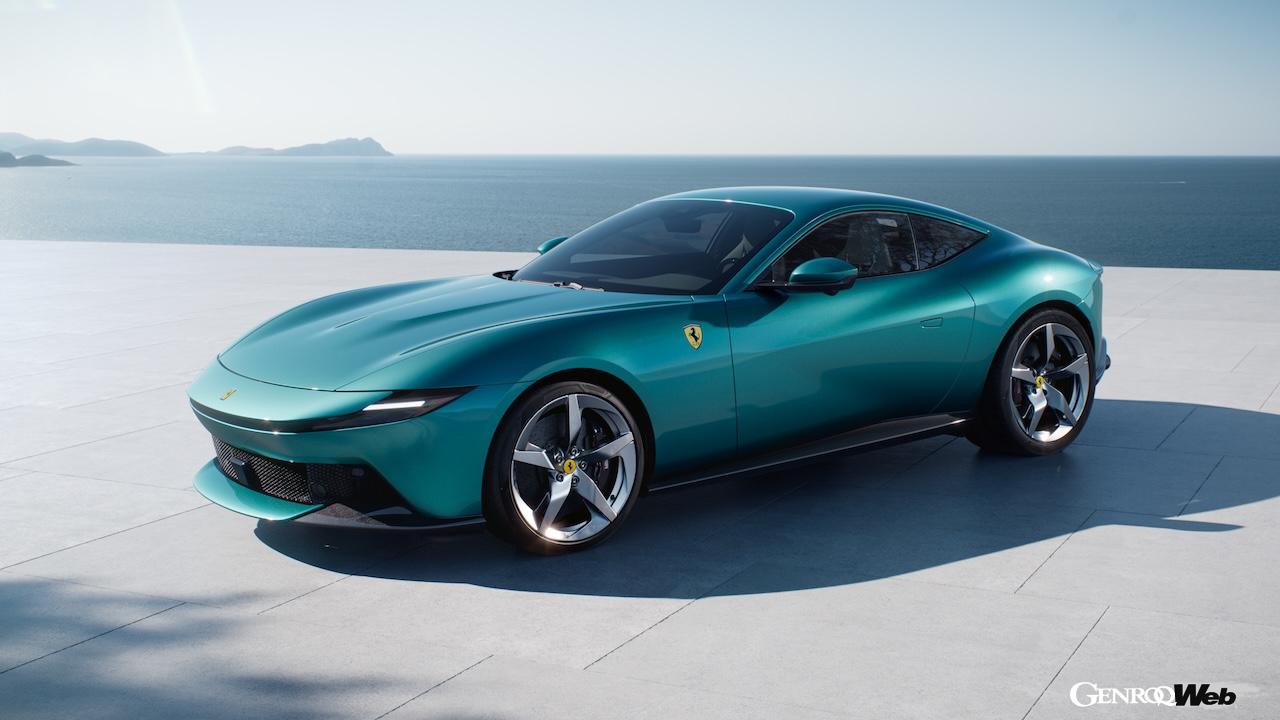
Ferrari Amalfi
An exterior that perfectly captures the beauty of “2+2”
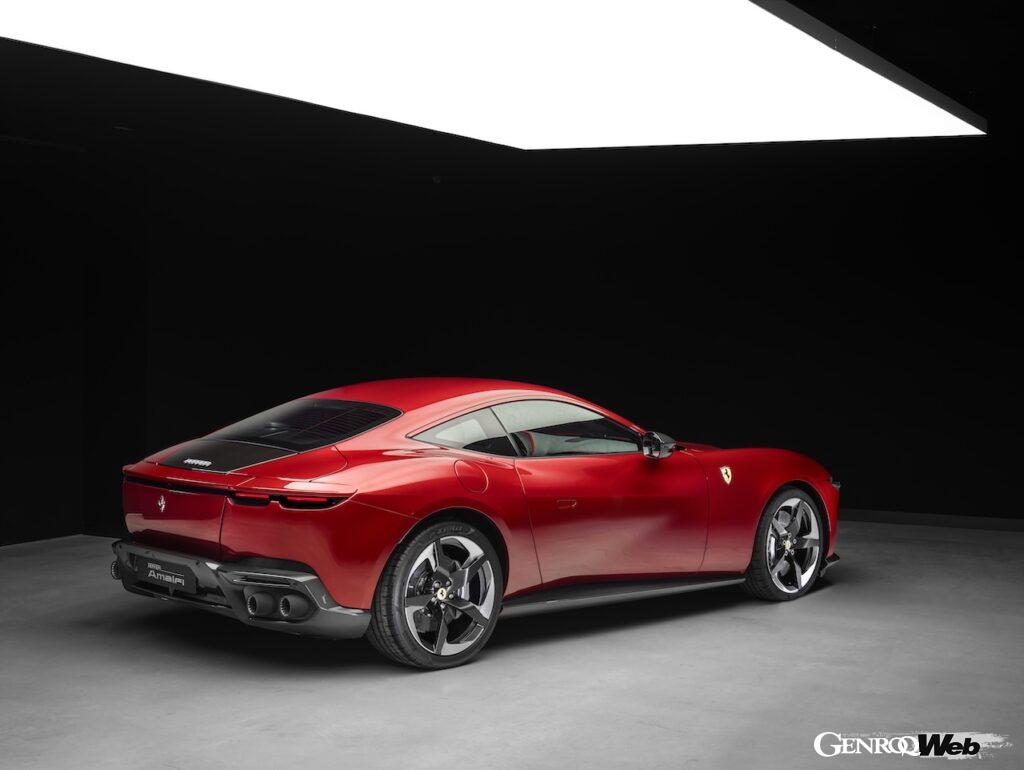
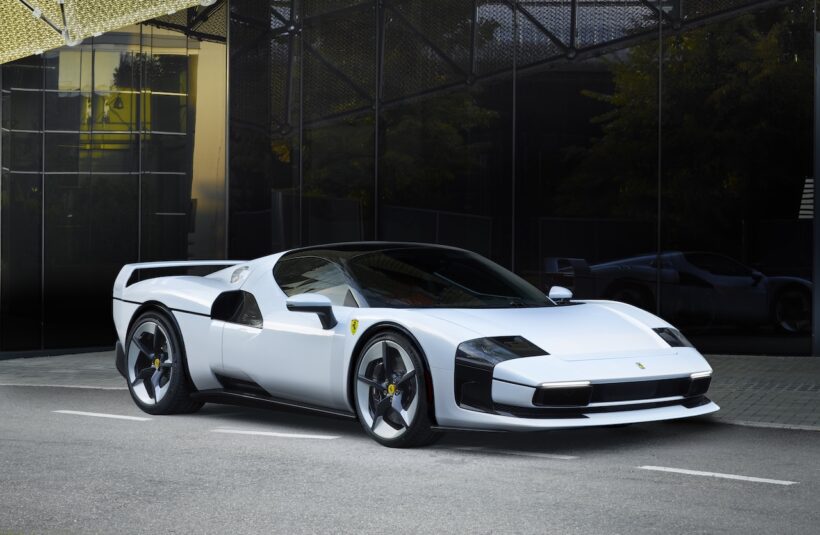
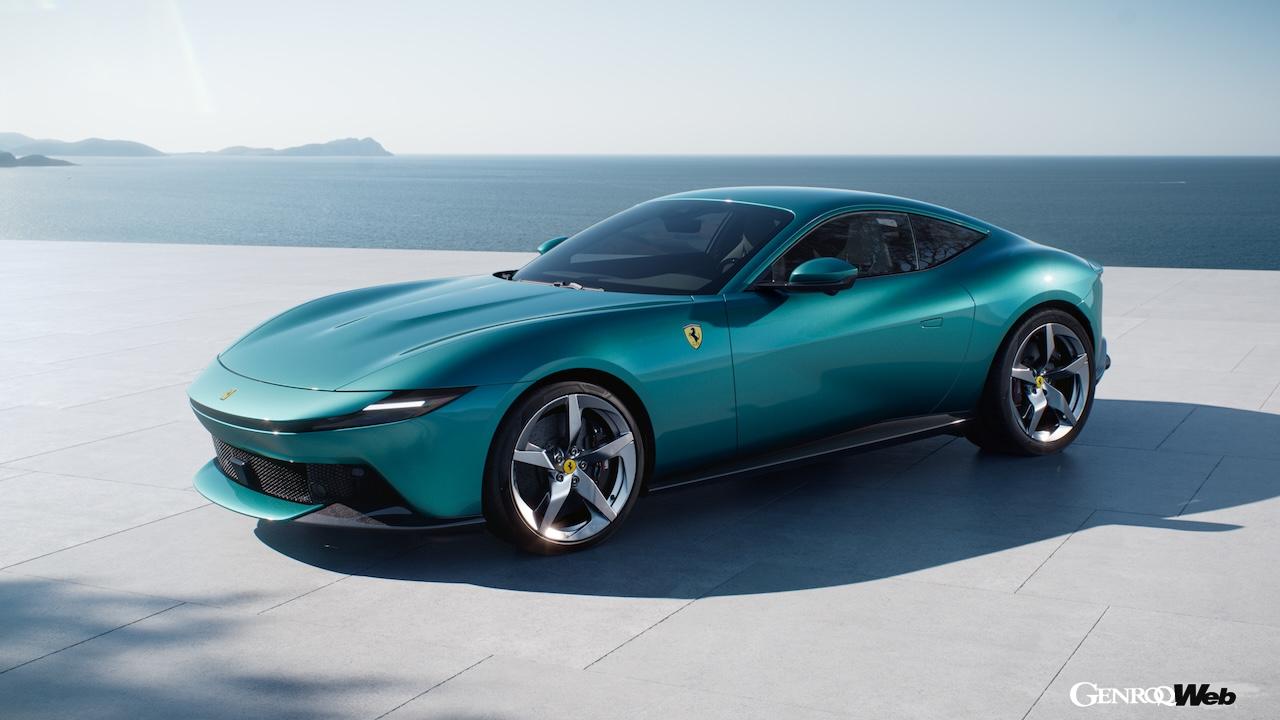
The exterior is based on the image of the previous Roma, with a new interpretation of the 2+2 Coupe Berlinetta, pursuing minimalist beauty.
The new Ferrari Amalfi is a 2+2 coupe berlinetta that, according to the company’s documentation, expresses modernity and dynamism through its “sculpted form and clean surfaces.” The car is essentially the successor to the Roma, and features a large air intake at the front and a 3.9-liter V8 twin-turbo engine under its long hood that produces a maximum output of 640 PS.
The exterior design theme was a new interpretation of the “2+2 Coupe Berlinetta” format, with a V8 engine mounted in the front mid. The design elements blend tradition and innovation to pursue Ferrari’s signature minimalist aesthetic standards. Led by Flavio Manzoni, the Ferrari Styling Centre evolved the elegant proportions of the “Roma” to create a more modern form.
The car’s surface adopts a minimalist approach, with sharp lines and geometric forms creating a sculpted, unified body. The grille-less front section features floating body-colored fenders and a dark band inset below, discreetly housing the sensors and headlights. The wedge-shaped theme that flows through the side sections, along with the beautifully integrated light units, creates a sophisticated, contemporary aesthetic.
The rear section is characterised by a line that encompasses the entire car, concluding with a compact, clean tail. The taillights are hidden within graphic cuts, paying homage to classic Ferraris while at the same time incorporating modern visual elements. The wide, functional rear diffuser combines high functionality with a sporty design. The rear screen and spoiler are integrated, creating an eye-catching styling feature for the Amalfi.
3.9-liter V8 turbo with a maximum output of 640 PS
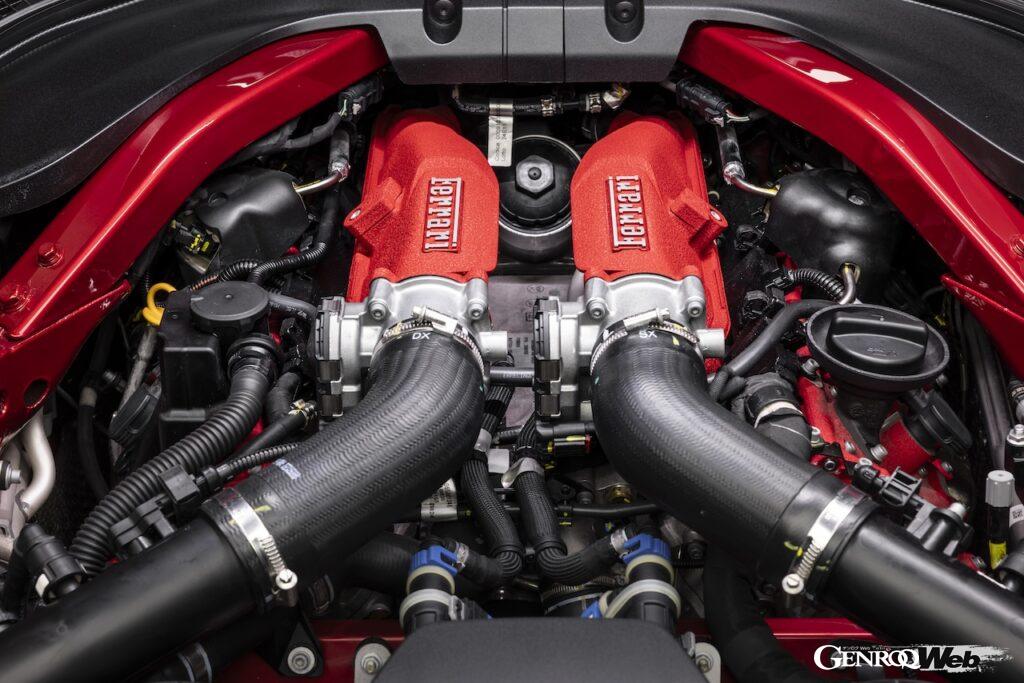
The front mid-mounted engine is the latest evolution of the F154 family, a 3.9-liter V8 twin-turbo engine that delivers a powerful maximum output of 640 PS and a maximum torque of 760 Nm.
The front-mid mounted engine is a 3855cc V8 twin-turbo, the latest evolution of the award-winning F154 family. Optimization of the power unit mechanism has increased the maximum output to 640 PS, maximum torque to 760 Nm, and maximum rotation speed to 7600 rpm.
The engine control unit introduced in the 296 GTB, Purosangue and 12 Chilindori maximizes the engine’s potential. At the same time, weight reduction has been pursued, with new lightweight camshafts reducing weight by 1.3 kg and precision machining of the redesigned engine block reducing weight by approximately 1 kg. For the first time in a Ferrari engine, low-viscosity oil has been used, reducing resistance at low temperatures by 30% compared to previous models and significantly improving efficiency during warm-up.
A flat-plane crankshaft, a small, low-inertia turbine, twin scroll technology that individually controls exhaust, and an equal-length single scroll manifold all contribute to a seamless, linear power delivery and a torque curve that enables powerful acceleration across the entire rev range. Despite being a turbo engine, the engine’s power curve rises seamlessly, just like a naturally aspirated engine.
The oil-pass 8-speed dual-clutch transmission (DCT) has a more powerful control unit and is more integrated with the engine software, resulting in smoother gear changes and faster shift times.The exhaust system features three types of metal coating (rhodium, platinum, and palladium) and is equipped with a ceramic catalytic converter.In addition, reduced thermal inertia has significantly reduced starting times.
Dual cockpit layout
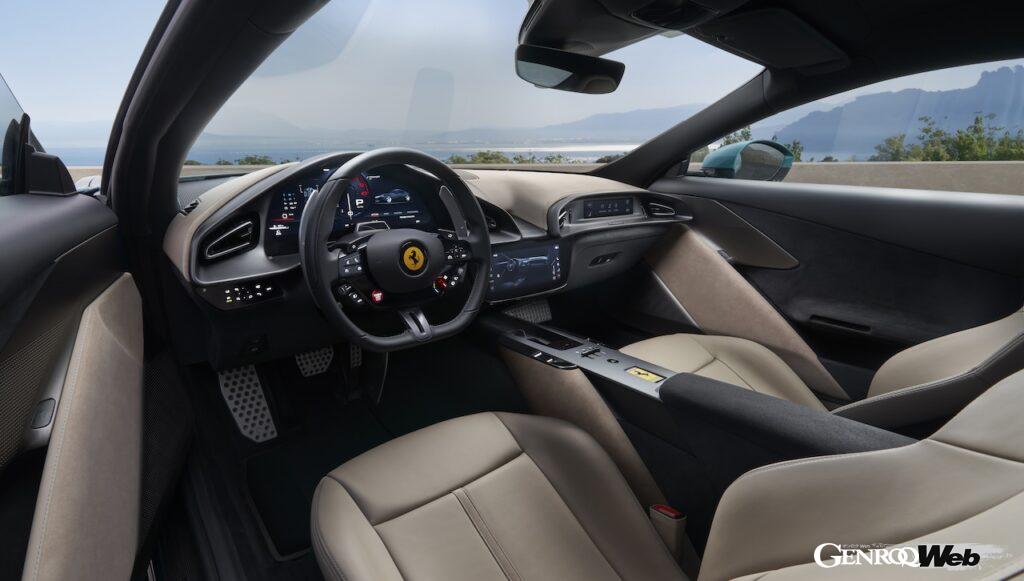
The interior features a “dual cockpit layout” that envelops the driver and passenger in two separate spaces.
The cabin features a dual cockpit layout, enveloping the driver and passenger in two separate spaces, which are visually connected by the dashboard, door panels, and center tunnel. The cocoon-like interior space deliberately breaks symmetry, highlighting the central touchscreen and creating an interplay between the left and right spaces.
The dashboard, for the first time, is laid out like a single unit, with the instrument cluster and air vents fused together in a single block. The centre tunnel, carved from a single block of anodised aluminium, appears to float in mid-air and houses the gear selector, key slot, wireless charging pad and auxiliary controls.
The steering wheel features easy-to-use physical buttons, including the return of Ferrari’s iconic start button. The integrated center display and ergonomic controls allow for intuitive interaction with the vehicle while driving. The 2+2 seating configuration offers ample practicality, complete with a rear seat with increased storage capacity.
The infotainment system is fully equipped with the latest connectivity features, including support for Apple CarPlay and Android Auto, as well as wireless smartphone charging. The HMI (Human Machine Interface), consisting of a steering wheel, digital instrument cluster, and a 10.25-inch landscape display, can be freely operated by both the driver and passenger. The 8.8-inch passenger display displays data such as G-forces and engine revolutions, providing an experience similar to that of a rally co-driver.
SPECIFICATIONS
Ferrari Amalfi
Body size: Length 4660mm x Width 1974mm x Height 1301mm
Wheelbase: 2670mm
Vehicle weight: 1470kg (Dry)
Engine: V8 DOHC twin turbo
Total displacement: 3855cc
Maximum output: 640PS/7500rpm
Maximum torque: 760Nm/3000-5750rpm
Transmission: 8-speed DCT
Drive system: RWD
Tire size: 245/35R20 (front) 285/35R20 (rear)
Top speed: 320km/h
0-100km/h: 3.3 seconds
0-200km/h: 9.0 seconds
100-0km/h: 30.8m
200-0km/h: 119.5m
Fuel tank: 80L