
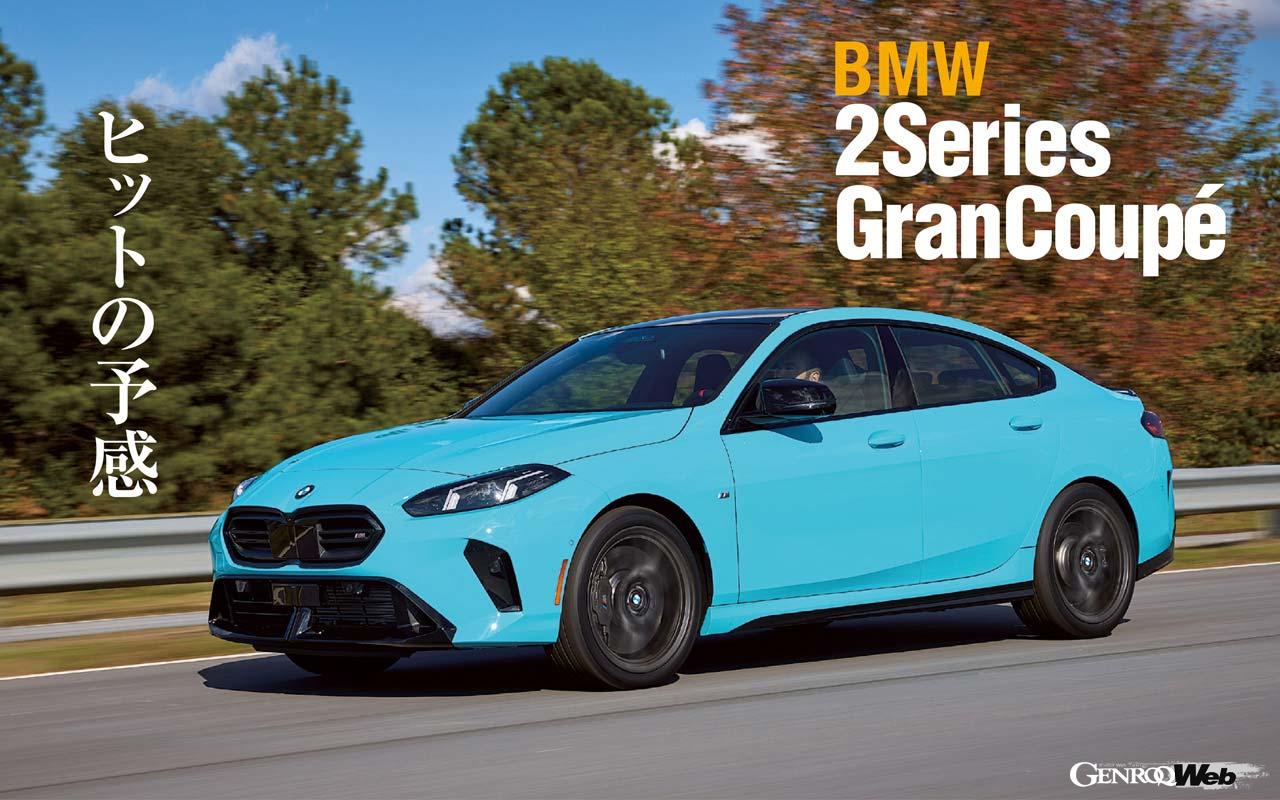
BMW 2 Series GranCoupe
A car with an exquisite body size
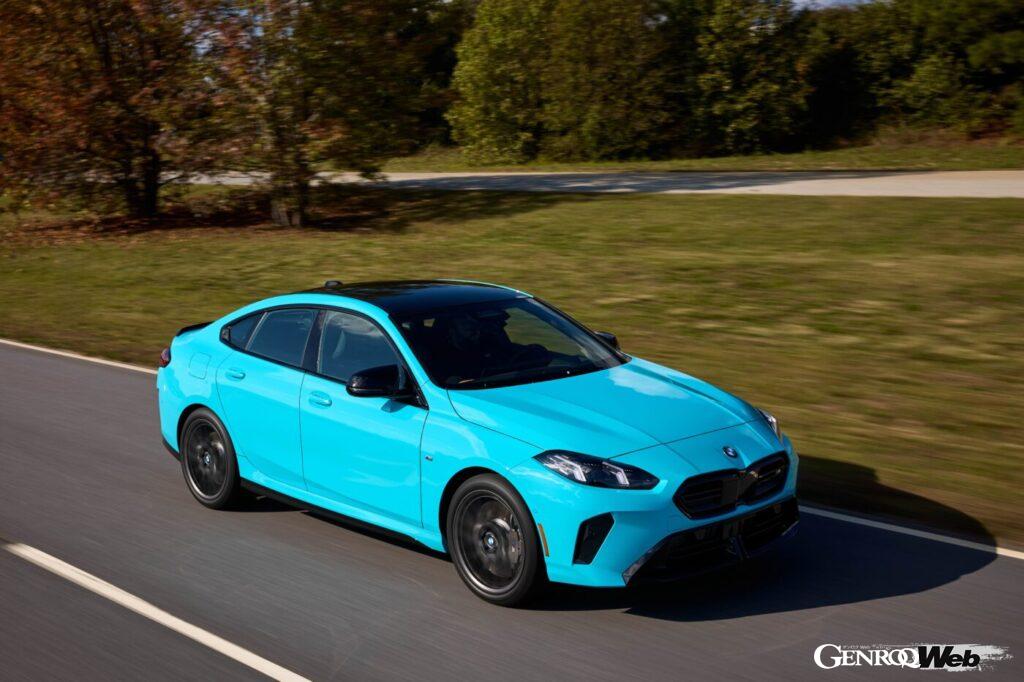
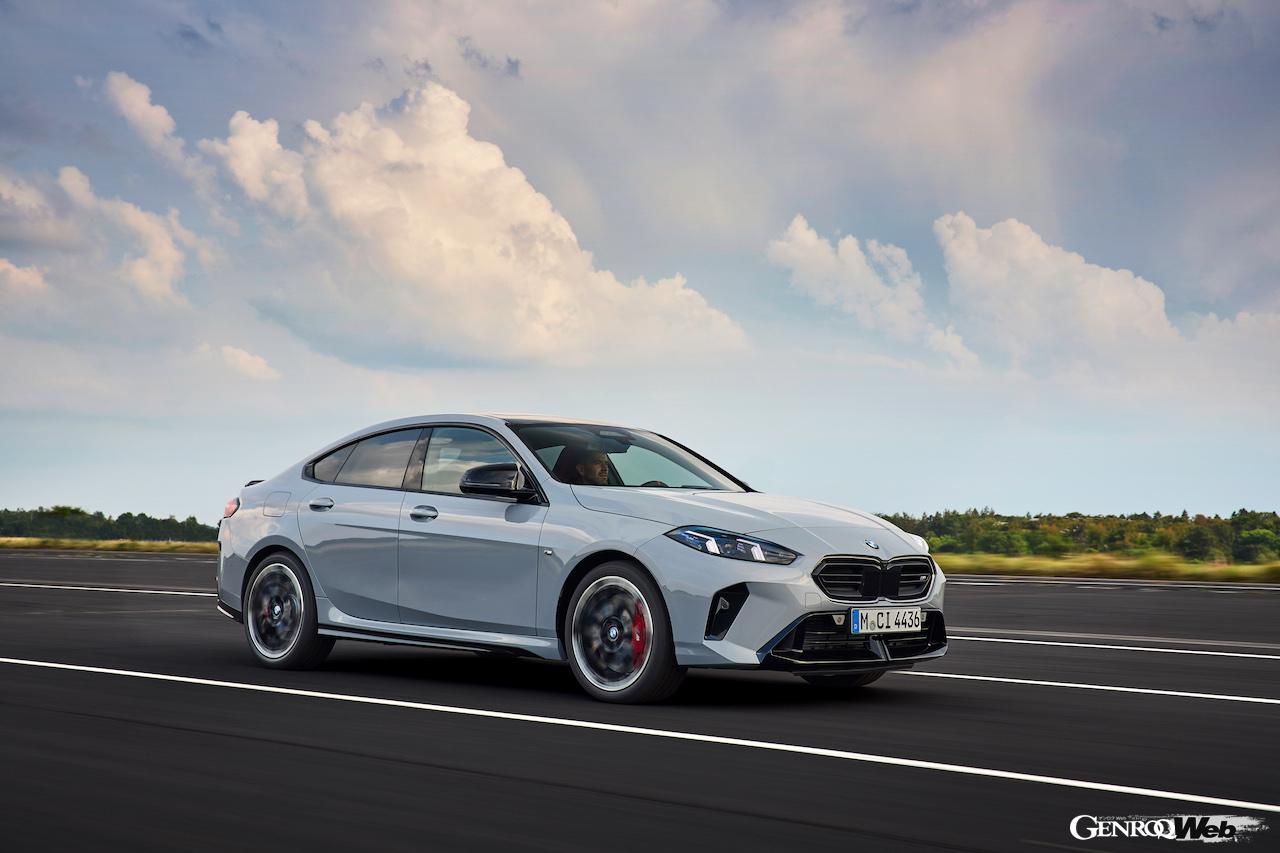
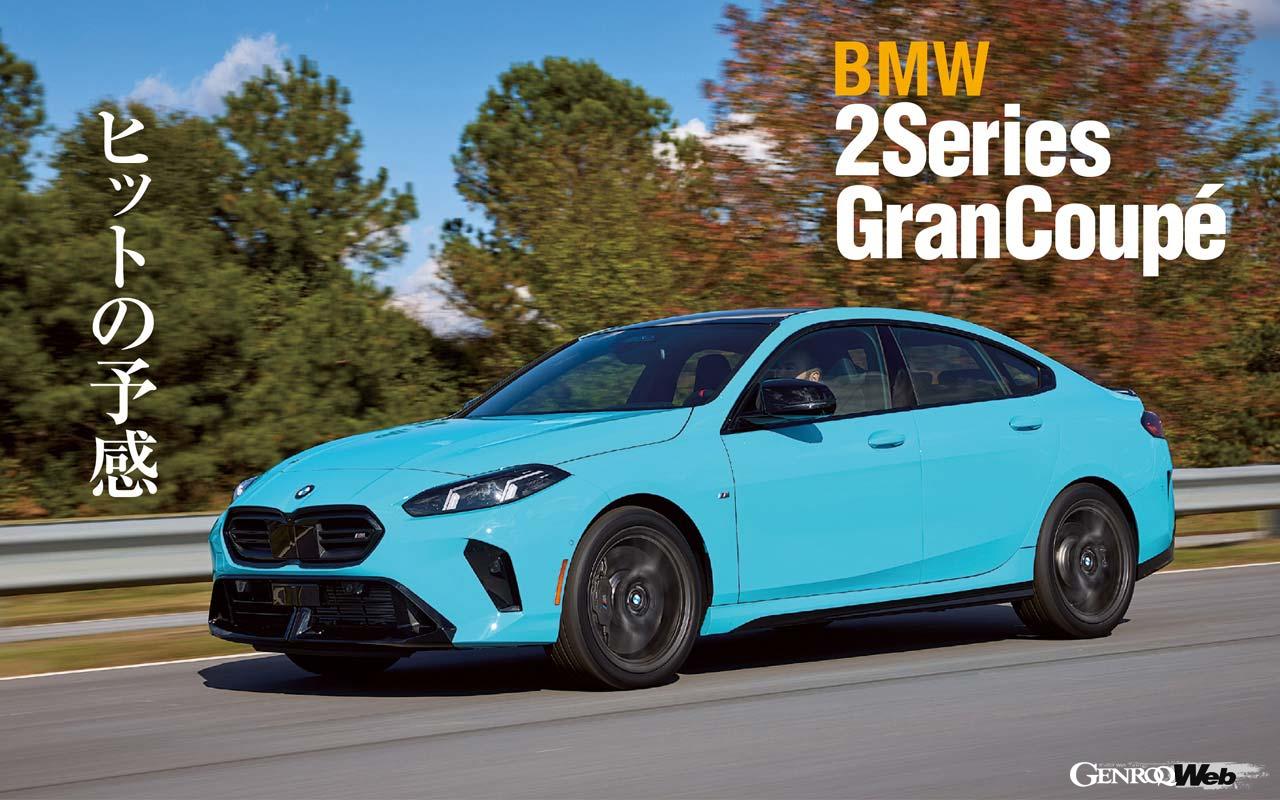
The 2 Series Gran Coupe has an attractive body size that is easy to use even in Japan, with a total length of 4546mm, total width of 1800mm and total height of 1435mm.
Last November, a workshop was held at the BMW Customer Center in South Carolina to showcase the new “iDrive” technology that will be installed in BMW’s next-generation electric concept, the Neue Klasse. This new technology is an AI-based HMI (human-machine interaction) that will be used in BMW’s next-generation models, and they have promoted the concept of “Ultimate Companion.” I understand this phrase to mean “BMW is an irreplaceable friend.” Details of the new “iDrive” were announced at CES on January 8th, and I’m excited about the new value they are aiming for.
During this workshop, I was able to test drive the new 2 Series Gran Coupe. The model I test drove was the sports grade M235 xDrive. I would like to get straight into my impressions, but I would also like to explain the 2 Series, which has a unique portfolio that is different from other series.
A premium seat with fine adjustments

[1]

[2]
[1] The BMW Live Cockpit is equipped with a 10.25-inch information display with touch panel functionality and a 10.25-inch meter panel. [2] The car is equipped with electrically adjustable sports seats that can be precisely adjusted to suit the driver.
The 2 Series is based on the same transversely mounted engine as the MINI, with the exception of the 2 Series Coupe, which is a hot model that uses the FR platform of the 3 Series. The M235 Gran Coupe I test drove this time is 4546mm long and 1800mm wide, making it the ideal proportions for a driver’s car for use in Japan. With a trunk space of 430L, practicality is no problem. Folding down the rear seats creates 1200L of space. However, the style is a perfect four-door coupe, maintaining BMW’s distinctive beautiful style.
The M235 Gran Coupe is a hot compact four-door model, but it’s perfect for those who don’t need the performance of an M3. The FWD-based 2.0-liter turbo AWD brings to mind the Subaru Impreza WRX and Mitsubishi Lancer Evolution. The difference is that it’s not a rugged sedan design, but a beautiful four-door coupe in the premium segment.
The interior features a digital cockpit, creating the feel of a next-generation driver’s car. The racing-style bucket seats provide excellent support. The aluminum interior trim also creates a cool sports car atmosphere.
Perfect match with Eagle F1
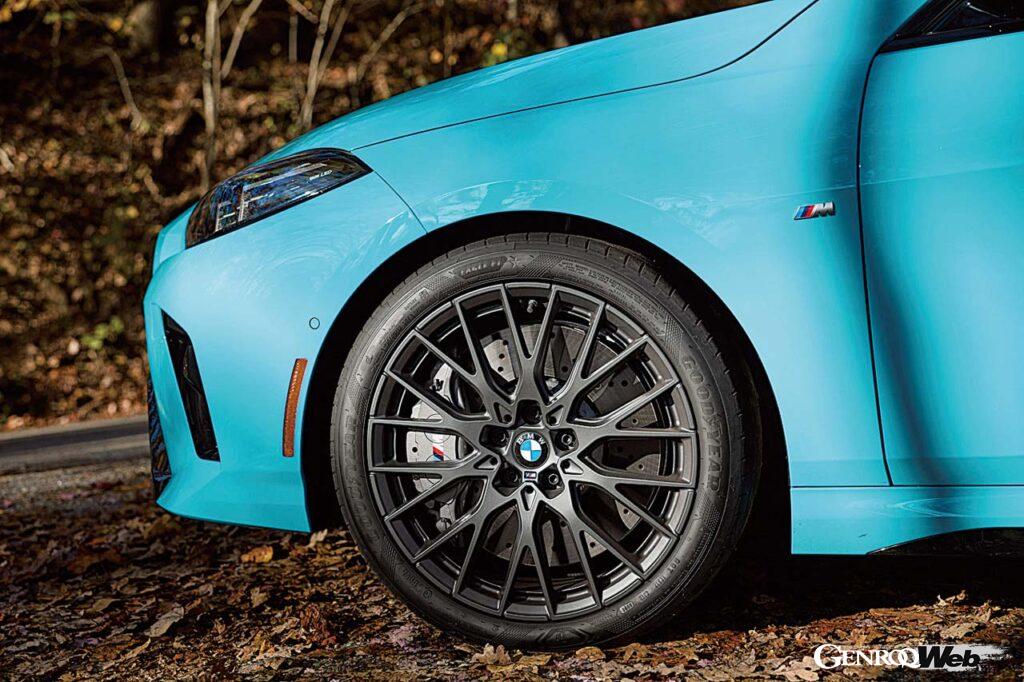
The tires fitted were Goodyear Eagle F1, known for their high grip, and the tire size was 18 inches.
Engines are BMW’s forte. The 2.0-liter turbo produces 300 PS and can sprint from 0 to 100 km/h in 4.9 seconds (European model). In fact, the upcoming Euro 7 emissions regulations will be tough on turbo cars. Previous turbos injected gasoline at higher concentrations at engine speeds outside the regulations to cool the cylinders exposed to high heat, but this technology will no longer be available. The engine will now burn at stoichiometric combustion (theoretical air-fuel ratio) across the entire range. This limits the turbo’s output, which is why there is a difference in output between the US and Europe. Japan has a regulatory harmonization system with Europe, so it is likely to use European specs.
By the way, BMW used to be obsessed with FR with a 50:50 weight distribution, but that doesn’t seem to be the case these days. The FWD dynamics demonstrated in the MINI John Cooper Works are still alive and well in the M235, so the 50:50 weight distribution is likely to become an urban legend. The Goodyear Eagle F1 tires provide ample wet grip and good heat generation. I actually tried it on a mini circuit, and there was no “push understeer” (where the rear tires push the front tires) when exiting corners. The steering system was highly rigid, and I was very satisfied with the line tracing. The idea that it’s “front-heavy and therefore difficult to turn” no longer applies.
The ideal C-segment sedan
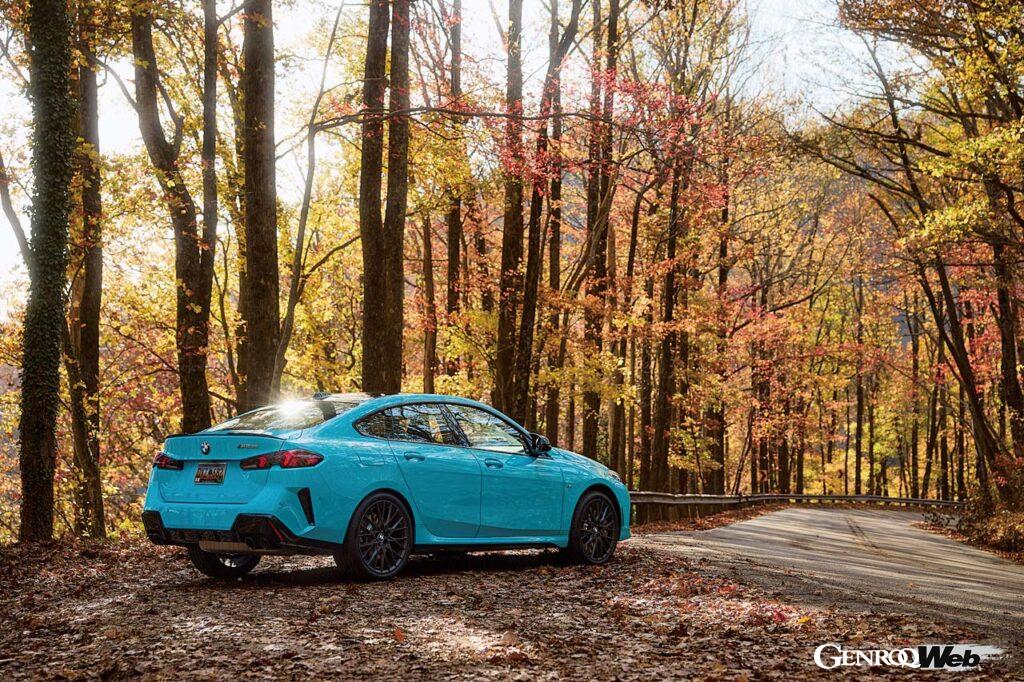
The result is an ideal C-segment sedan boasting a practical trunk space of 430 liters.
BMW has made ingenious changes to the front suspension to eliminate understeer. For example, by increasing the caster angle by about 20%, the camber characteristics when turning are improved. The steering gearbox has a gear ratio that is 10% more direct.
I miss the Impreza and Lancer Evolution, but they are now a thing of the past. The hottest driver’s car of the new era is probably the M235.
REPORT/Kazuo SHIZMIZU
PHOTO/BMW AG
MAGAZINE/ GENROQ March 2025 issue
SPECIFICATIONS
BMW M235 xDrive Gran Coupe
Body size: Length 4546, Width 1800, Height 1435mm
Wheelbase: 2670mm
Engine: Inline 4-cylinder DOHC turbo
Total displacement: 1998cc
Maximum output: 221kW (300PS) / 5750-6000rpm
Maximum torque: 400Nm (41kgm) / 2000-4500rpm
Transmission: 7-speed DCT
Drive system: AWD
Suspension type: Front MacPherson strut, rear multi-link
Brakes: Front and rear ventilated disc
Tire size: Front and rear 225/45R1
[Inquiries]
BMW Customer Interaction Center
TEL 0120-269-437
https://www.bmw.co.jp/