

To make European car manufacturers profitable
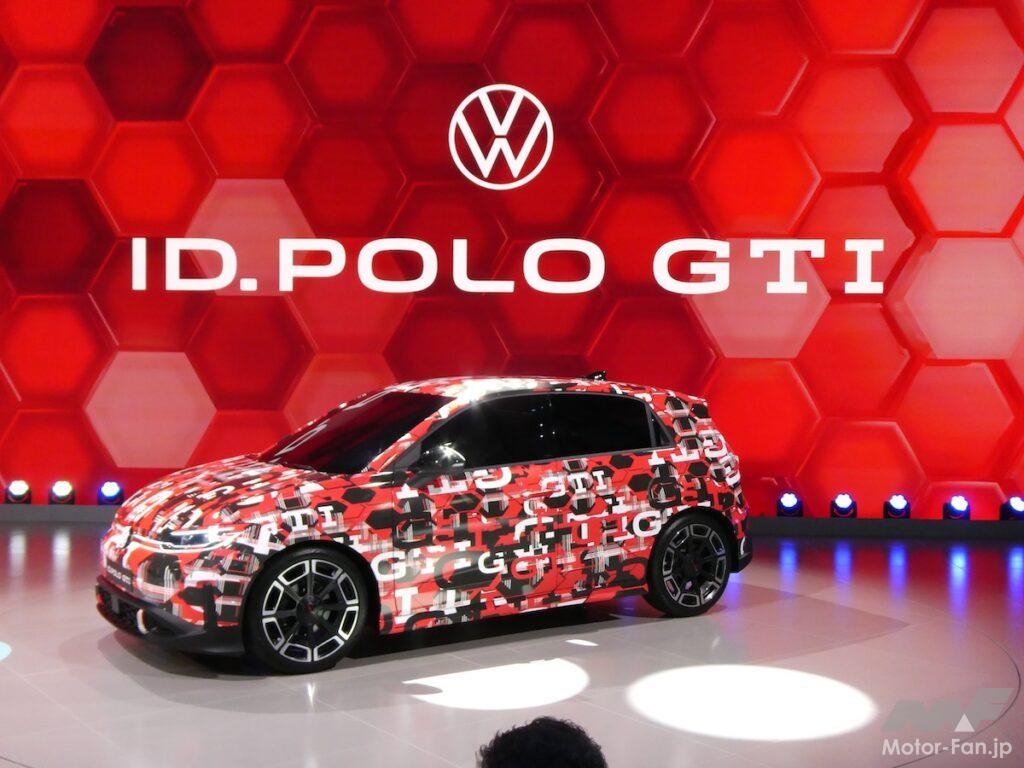
Volkswagen ID. Polo
This is not a prophecy or anything, but rather a sign that something is already happening, but 2026 will see European automakers further returning to their roots. While companies continue to enthusiastically pursue methods of reviving classic cars from the past, what I want to point out here is a more comprehensive approach to car-making that is rooted in the essence of the brand.
Let me explain why European automakers are aiming in this direction. The bill that the European Parliament has been pursuing to ban the sale of all but zero-emission cars within Europe by 2035 is becoming increasingly difficult to achieve, but the reason they set this goal is not only to prevent global warming by reducing CO2 emissions, but also to drive out Japanese automakers, who specialize in hybrid cars, and make European automakers profitable. I think that the tactic of trying to generate economic benefits by combining noble ideals is a commonplace approach in European politics.
European automakers have been investing hard to achieve this goal, but it is becoming clear that even if they move toward EVs, it does not necessarily mean that European automakers will make a profit.
It feels like a 30% price increase over the past 10 years.
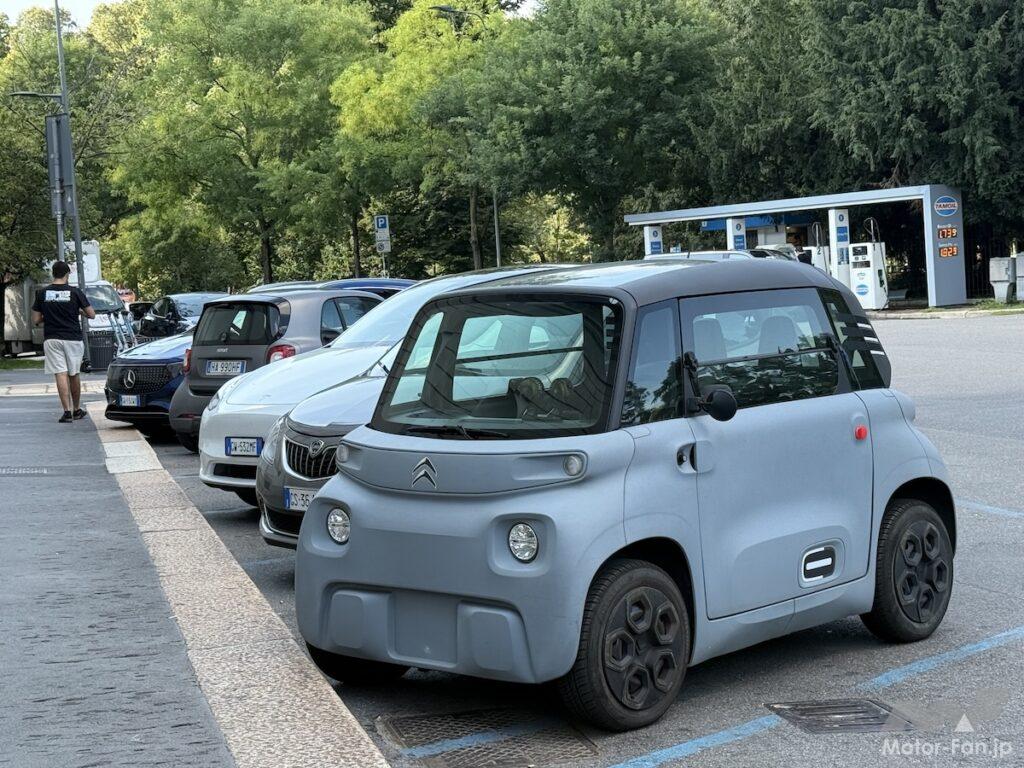
Citroen Ami
The reason for this is the rise of Chinese automakers. With support from the Chinese government, they have rapidly improved their technological capabilities, and are also blessed with the geographical advantage of being able to produce many of the rare earth elements needed for EV production domestically, allowing them to launch a succession of highly competitive EVs.
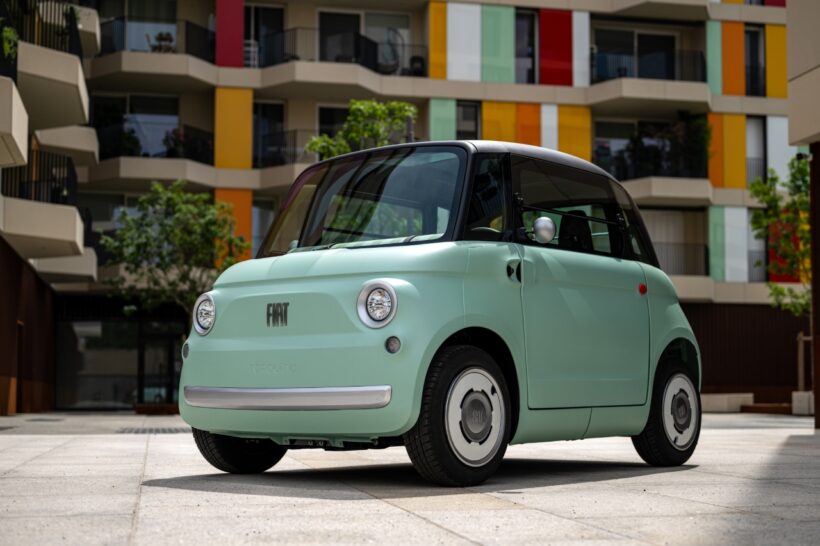
To make matters worse, car prices have soared. The global wave of inflation has naturally hit the automotive industry, sending basic production costs soaring. This, combined with increased costs due to stricter regulations, means that car prices have risen by roughly 30% over the past decade. Those who can afford it can still cope by buying a car one class lower, but those who have always bought the lowest-priced compact cars have nowhere to go. The recent increase in micro-EVs like the Citroën Ami and Fiat Topolino, especially in southern Europe, can be seen as a backlash to these rising prices.
Some people who are finding it difficult to afford the European compact cars they have been buying up until now are surely turning to Chinese-made EVs, and it would not be surprising if this trend intensifies in the future.
Returning to the origins of our brand
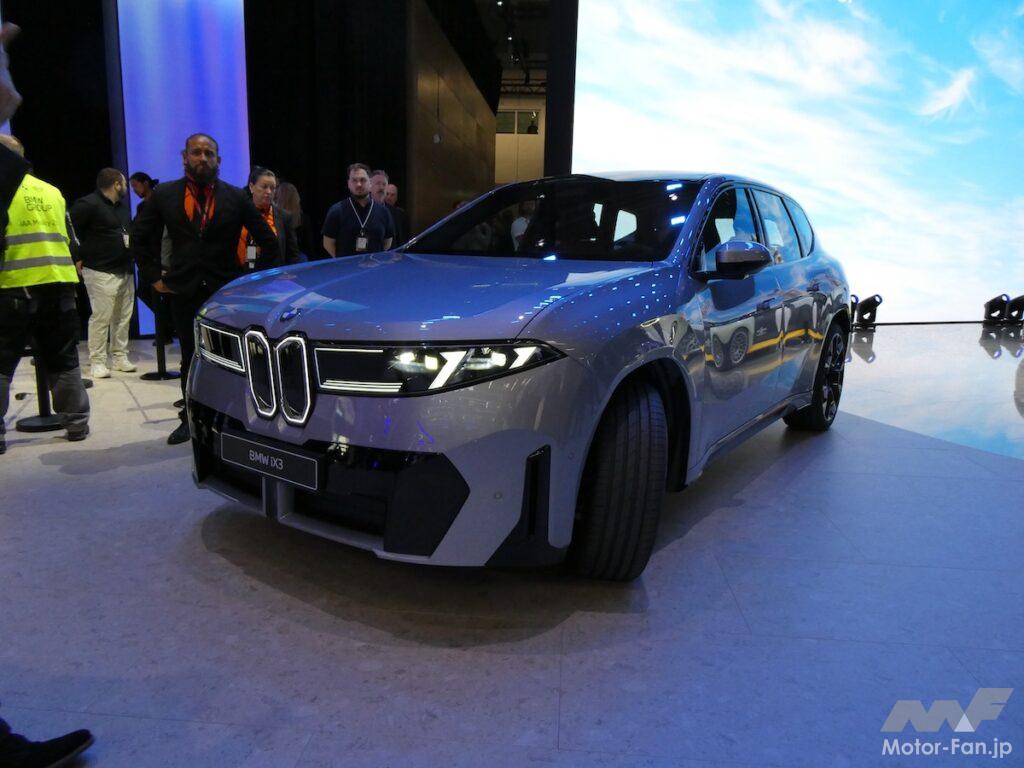
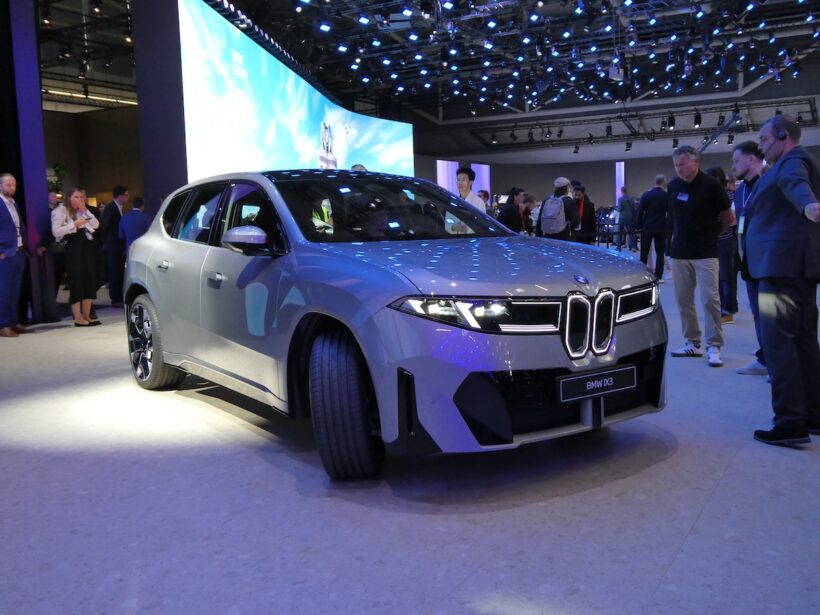
BMW iX3
It seems that European companies initially tried to counter this onslaught by Chinese companies with the same values as them: promoting the shift to electric vehicles (a policy that coincided with the European Parliament’s) and promoting digitalization by installing large displays in infotainment systems.
However, it is becoming increasingly clear that European companies have no chance of winning. When it comes to electrification and digitalization, unfortunately, it seems unlikely that European companies will be able to catch up with Chinese companies, which have been preparing for years and are developing technology at a rapid pace. What’s more, their prices are overwhelmingly lower. And when it comes to driving performance, which has previously been the exclusive domain of European companies, they are now rapidly catching up. If things continue like this, it even seems that European companies’ defeat is certain.
So they came up with the idea of ”returning to the basics.” Where did their brand start and what were its strengths? They realized that going back to those roots and making cars like that was the best way to beat Chinese competitors, who didn’t have a history or a brand.
A privilege only granted to manufacturers with a long history
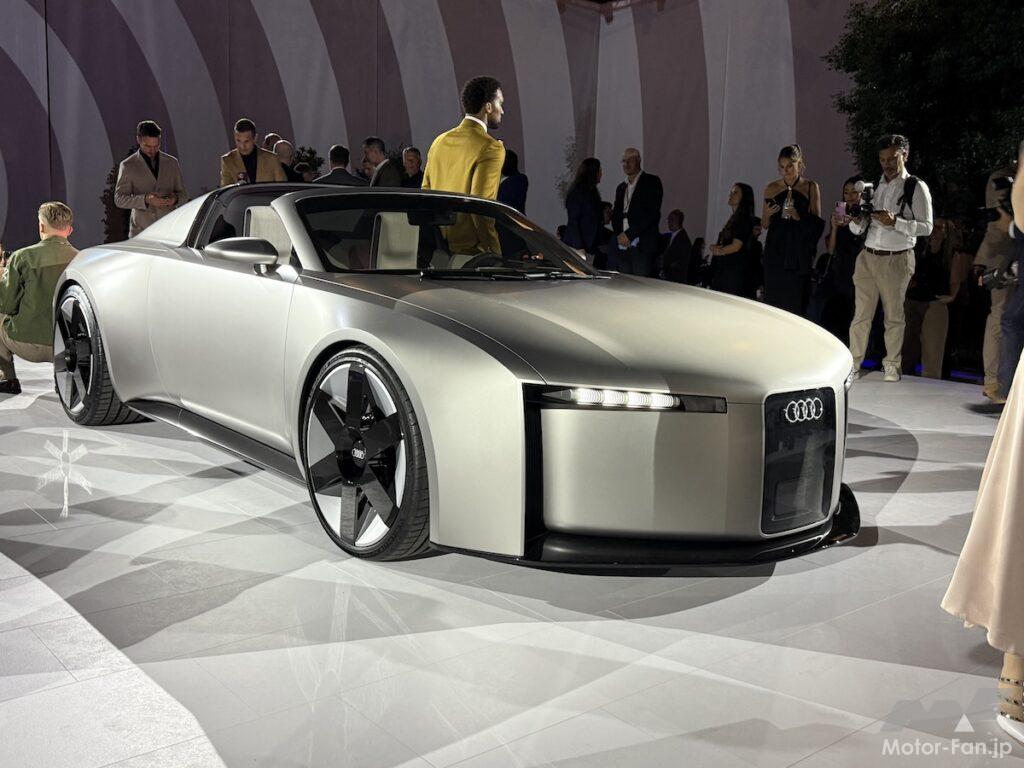
Audi Concept C
The Volkswagen Group has already clearly laid out this strategy, and the ID.Polo is at the forefront of it. Their slogan, “True Volkswagen,” is the best symbol of this.
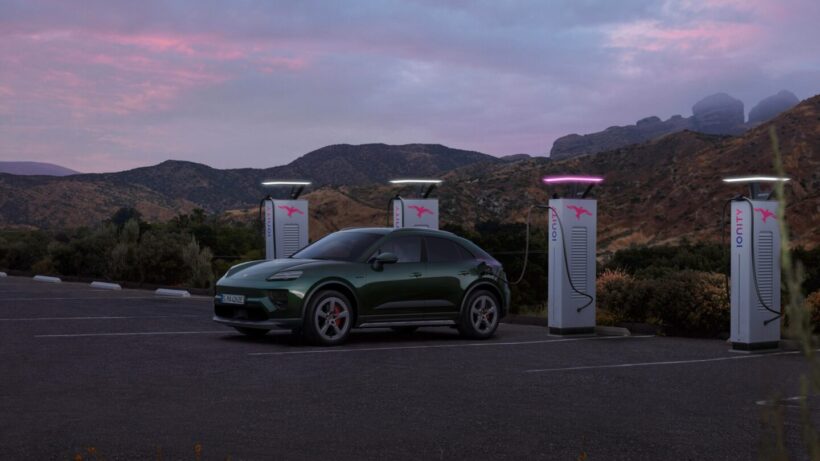
In fact, the “Concept C” that Audi announced in September 2025 is also completely along this line. It can be said that Porsche’s development of the engine version of the “Macan” is due to roughly the same circumstances.
BMW’s decision to bring back the Neue Klasse name for the first time in about 60 years, and Mercedes-AMG’s decision to embark on the development of a new V8 engine, which is the origin of their brand, seem to demonstrate a strong determination to “beat out emerging forces by making their own brand stand out.”
Building cars based on tradition is a privilege reserved for automakers with a long history. For those who have loved cars for many years, their return to their roots should be welcomed. It will be interesting to keep an eye on the trends of European automakers, who have rediscovered their strengths.