

Looking back on 2025
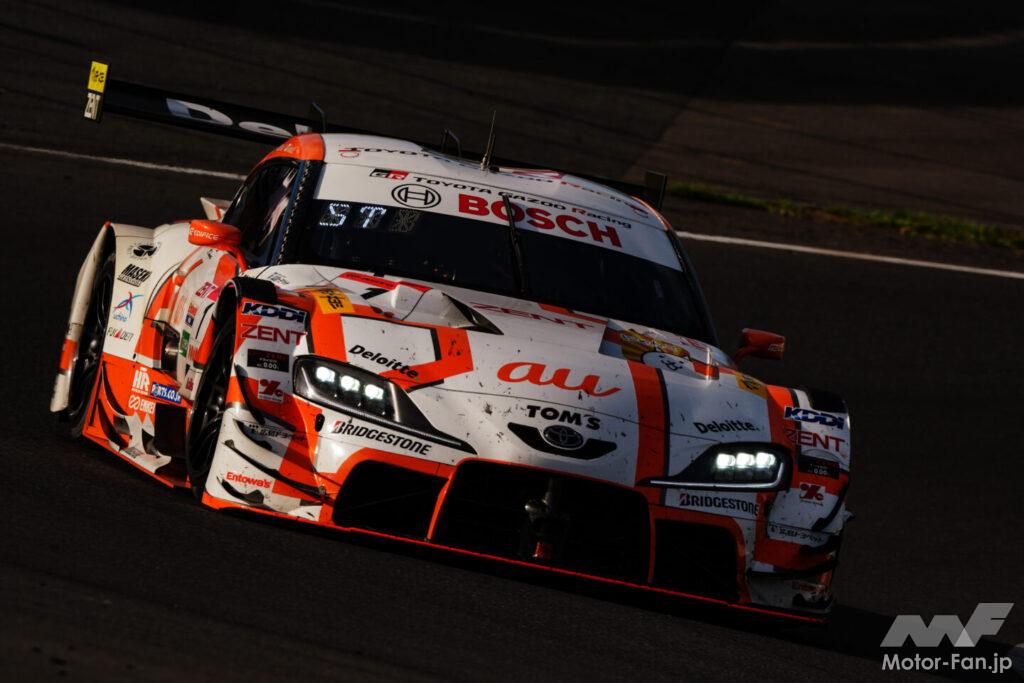
TOYOTA GR Supra GT500
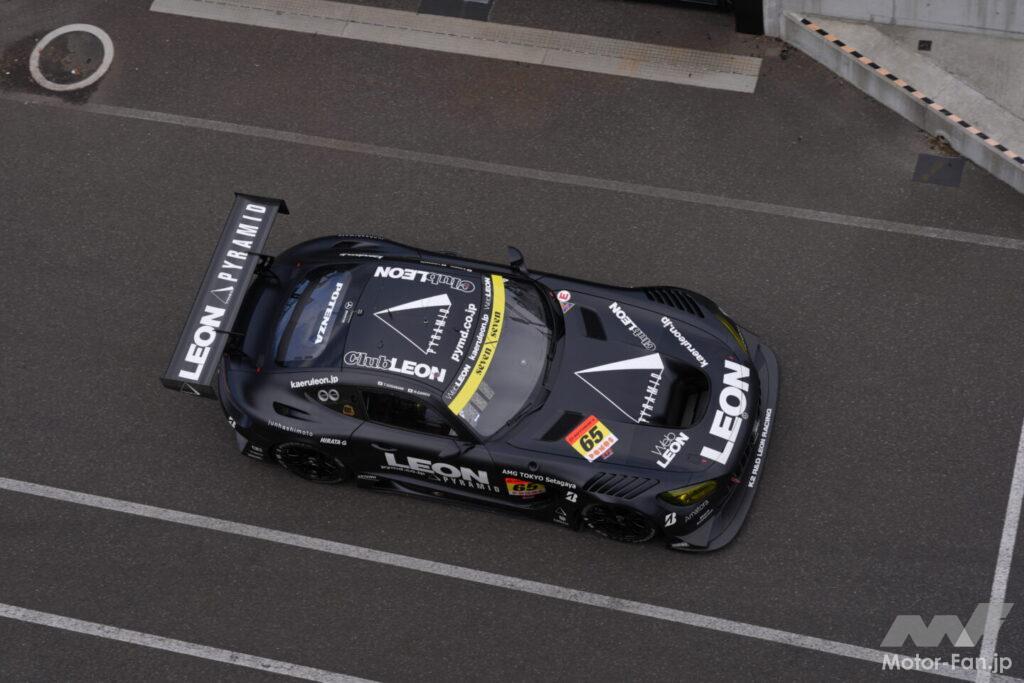
Mercedes-AMG GT3
The 2025 champion cars are the TOYOTA GR Supra GT500 and Mercedes-AMG GT3.
With the 2025 season now over, Sho Tsuboi and Kenta Yamashita of GR Team au TOM’S were crowned the Driver’s and Constructors’ Champions in the GT500 class. In the GT300 class, Hisashi Gamou and Fuyuto Suganami of K2 R&D LEON RACING regained both the Constructors’ and Driver’s Championships.
The battle for the Super GT championship often goes all the way to the final race, making the series exciting until the very end. Did you know that the carefully calculated regulations have a major influence behind this? We recommend that you learn more about the regulations to better understand the rules and make watching Super GT even more enjoyable.
GT500 and GT300 regulations
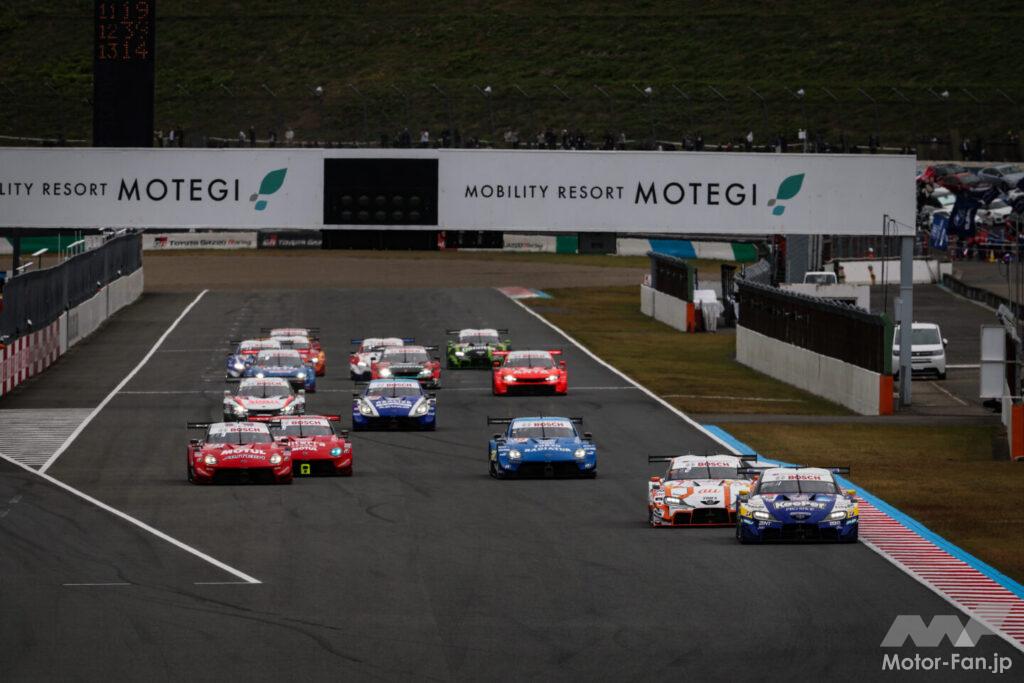
The start of GT500
First, let’s talk about the regulations for the vehicles. GT500 and GT300 have fundamentally different regulatory concepts. It’s no exaggeration to say that GT500 is essentially a machine that only competes in Super GT. Therefore, the regulations clearly state that “vehicles must comply with the SUPER GT GT500 Technical Regulations (GT500 Vehicle Regulations) or be approved by the GTA.” The regulations require the use of a common monocoque and ECU (electronic control unit). Performance adjustments between vehicle types are also made by controlling minimum weight and fuel flow restrictors. The engines are 2000cc single turbos, so manufacturers are primarily focused on developing the suspension and aerodynamics.
On the other hand, the GT300 category states that “vehicles that comply with the GT300 vehicle regulations set forth by the GTA, as well as the GT300 mother chassis (GT300MC) vehicle regulations, FIA GT3 vehicles (vehicles officially approved by the FIA, the International Automobile Federation, etc.), or vehicles approved by the GTA” are eligible. Since the global standard GT3 is the race, it seems that vehicles that conform to it are approved. Since there are no restrictions on engine displacement, superchargers, or even engine layout for GT3 vehicles, the BOP (Balance of Performance) is used to standardize machine performance. Handicaps are determined for each machine category, taking into account the previous year’s results (results in GT3 races around the world), including races other than Super GT.
The GT500 engines are all inline 4-cylinder 2000cc single turbo. In contrast, the GT300 is equipped with a variety of power units, from 5000cc naturally aspirated to 2000cc turbo. Therefore, strict regulations are in place to standardize performance without destroying the individuality of the cars themselves. I hope you have a rough understanding of the regulations regarding the vehicles used.
Confusion caused by new handicaps
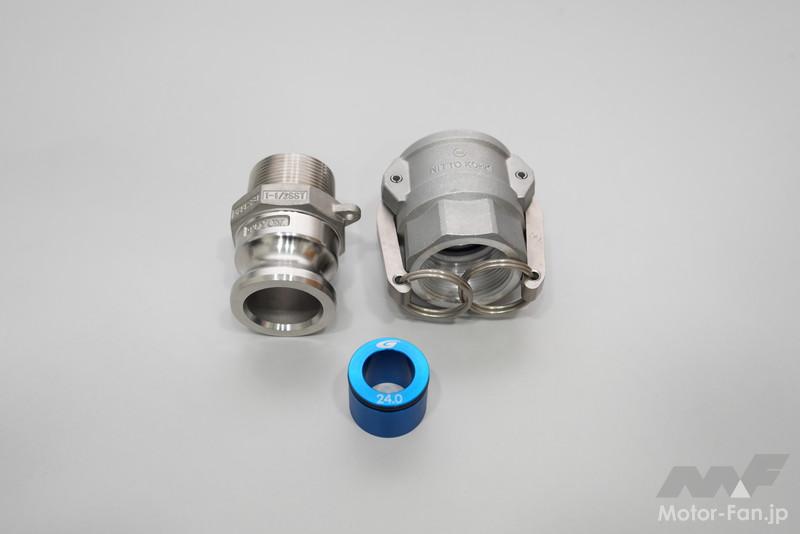
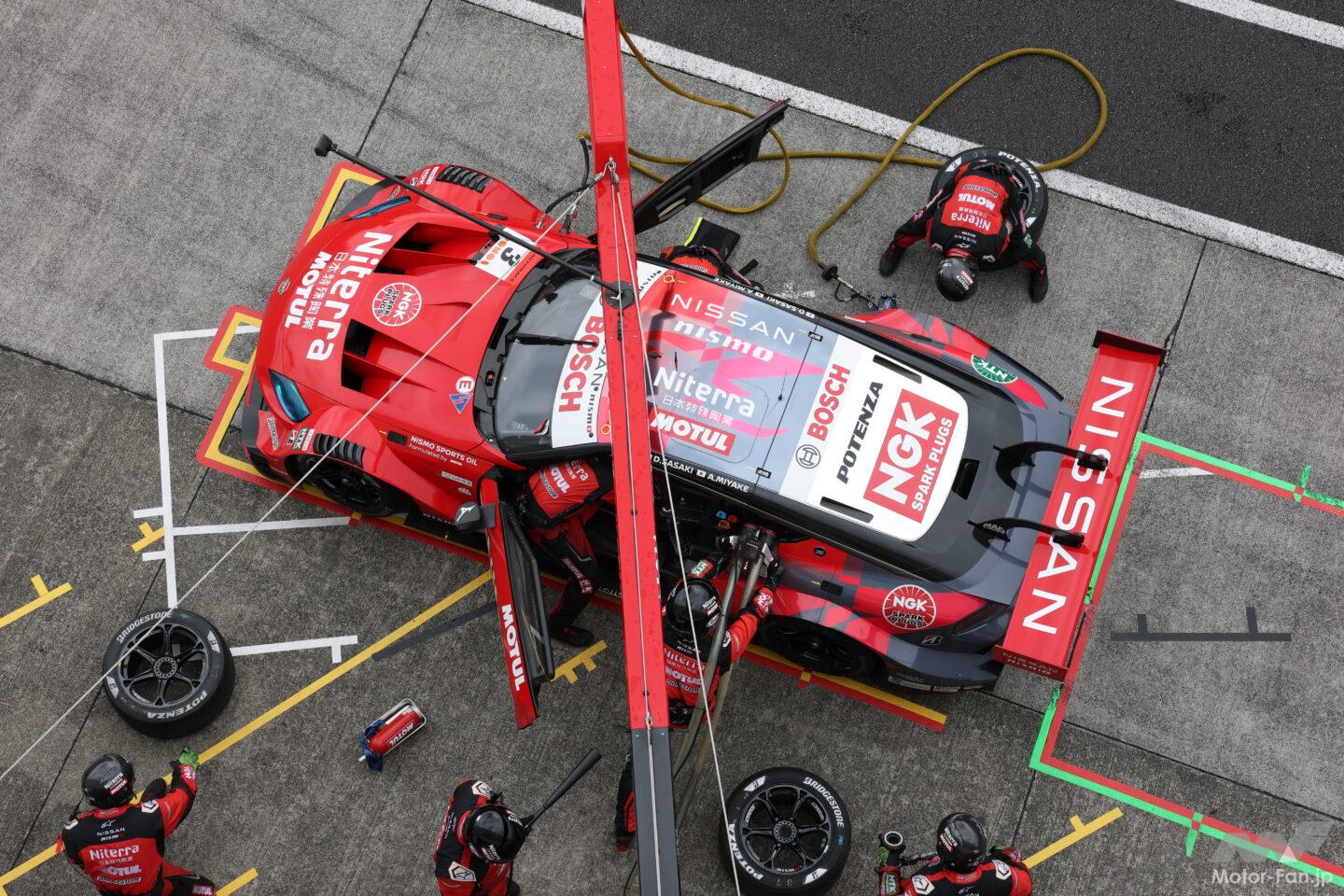
The fuel restrictor was introduced in 2025. By installing a blue orifice, the inner diameter of the fuel hose is narrowed to control the fuel filling speed.
The regulations for the basic vehicle are as above. In addition, handicaps are also imposed based on the results during the season. The first is weight. A handicap system called success weight is used, and from the second to sixth races, drivers are required to carry 2kg of weight for every 1 driver’s point.
Until 2024, cars were allowed to carry up to 100 kg of handicap weight, but carrying that much weight would significantly reduce machine performance. Therefore, from 2025, the actual weight limit was set at 50 kg, and cars that earned more points than that would be placed in a different band. From 2025, a fuel filler restrictor was installed to reduce the fuel flow rate during refueling.
This has allowed cars in both classes to minimize performance declines and prioritize on-course battles. On the other hand, refueling times have been extended, meaning longer pit stays during the race. At short circuits like Okayama and Sugo, there is also the risk of losing a lap while refueling. Depending on the timing of yellow flags, pace cars, and full course cautions, there is also the risk that the leading team could fall to the back of the pack.
It’s also true that the timing of a pit stop alone can increase the chances of losing the race. In fact, quite a few teams are questioning the refueling restrictor and calling for a change to the regulations. However, the organizers must choose between sacrificing something or taking the risk and continuing the race. I think this is also a headache for the organizers, GTA.
What will happen after 2026?
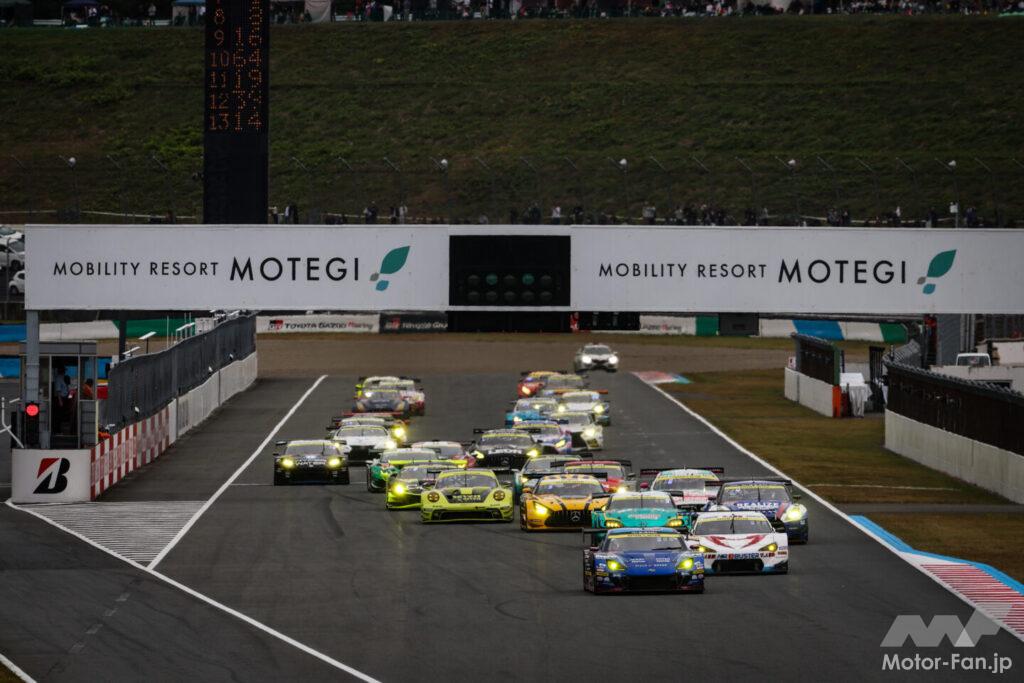
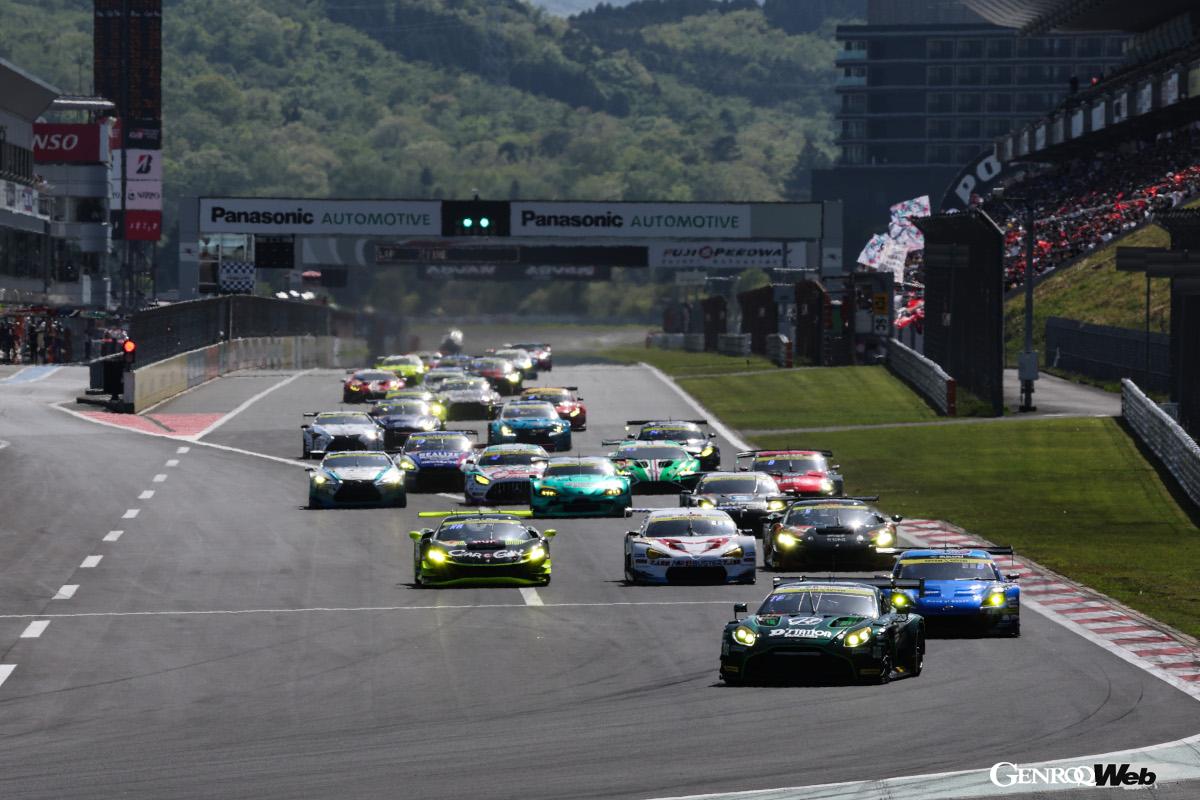
The start of GT300
The 2026 season will essentially follow the 2025 rules. However, the 2026 season will see the lifting of the ban on aerodynamic development for the first time in two years. The development period will end in March 2026, after which it was announced that aerodynamic development will again be frozen until 2029. At this time, Honda has changed its vehicle model from the Civic, which it used until 2025, to the Prelude. Nissan will continue with the Z, and Toyota will continue with the Supra, but they are expected to make significant advances in aerodynamics. Strategies may also change in line with changes to the machines and race format.
In any case, racing always involves a battle between technology and regulations. Not only Super GT, but many other races also use race formats and regulations to create more exciting races. It is also true that the rules, or regulations, add to the appeal of racing. There are some parts that are a little complicated, but if you understand the rules before watching, you will be able to enjoy the races even more.
PHOTO/Hiroyuki ORIHARA










![Toyota Racing to compete in the 2026 WEC, unveiling improved TR010 Hybrid [Video]](https://wheelfeed.com/wp-content/uploads/2026/01/4737-1768026226045.jpg)