
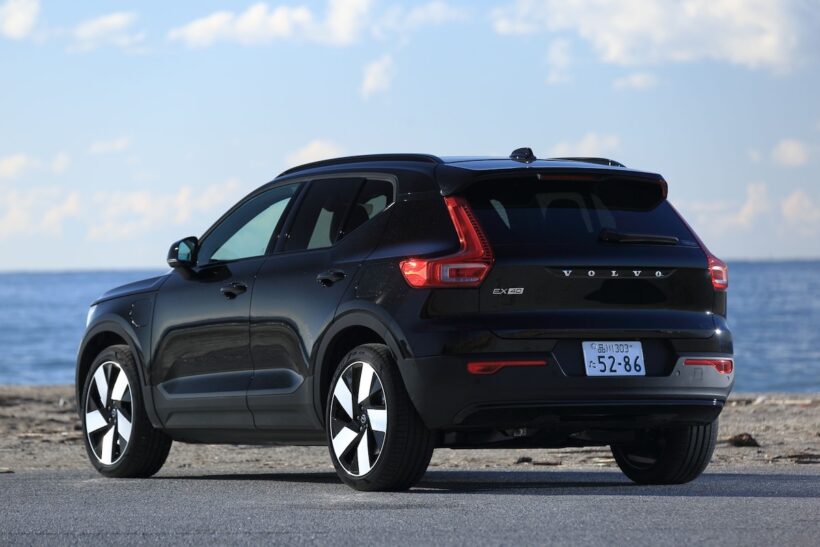

The ride is reminiscent of the old GS
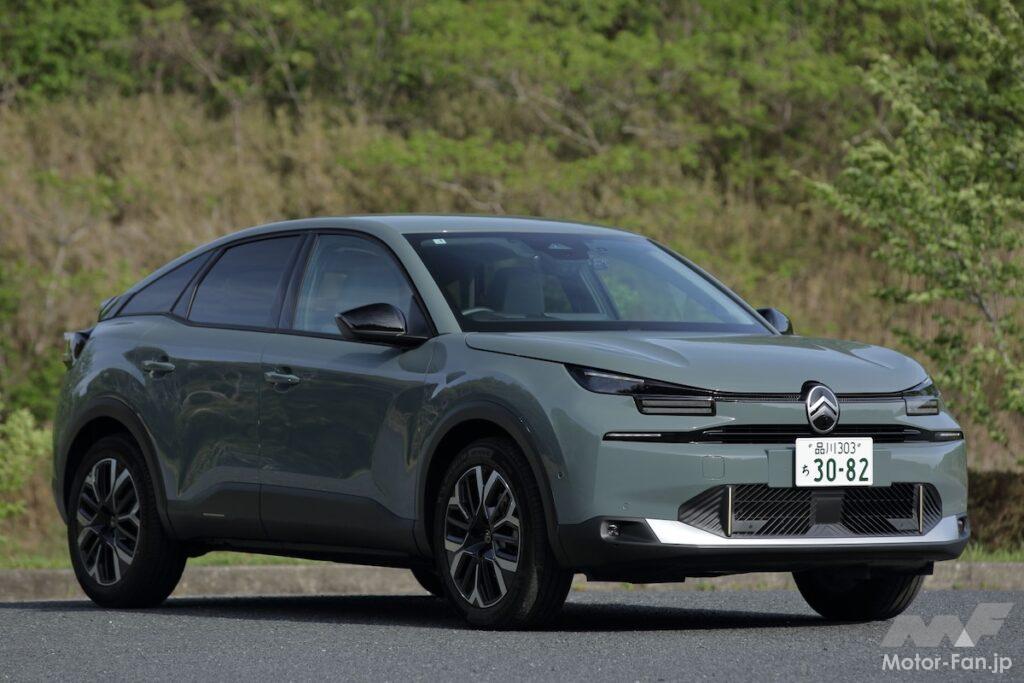
Citroën C4
“Citroen C4.” Light and well-built, this is it. It’s a type that is hard to understand in Japan, where only solid and sturdy cars are preferred, or light cars.
Before the minor change, the 1.5-liter diesel engine with an 8-speed automatic transmission was an extremely well-rounded diesel-engine C-segment hatchback, so I was honestly worried about how it would turn out with a Miller-cycle 1.2-liter gasoline turbo engine, a 48V MHEV system, and a newly developed 6-speed DCT.
However, if you gently press the accelerator pedal, the MHEV can be pulled up to nearly 50km/h on electricity alone, and even when it switches to the engine, the drive feels direct and comfortable, and above all, it has a lighter nose than a diesel, so it moves smoothly. And yet, when driving on the highway, the engine quickly and aggressively slacks off (in a good way) when the load is low.
The smooth coasting feels like a glider gliding through the air. When you add in the soft ride feel of the Advanced Comfort suspension and seat and the traditional sticky road holding, it somehow reminds me of the old GS, and I’m amazed at how Citroën has taken on a new era.
The instantaneous force that only electric vehicles can offer, not found in conventional gasoline vehicles, is a source of lightness and directness, and in addition, it offers a lightness and low vibration that cannot be expected from diesel. With a fuel economy of 23km/L (WLTC value), it is a strong antithesis that makes you wonder, “Is a strong hybrid really necessary?” It is one of the best-selling cars in the European C-segment, but it’s a shame that it doesn’t get much attention in Japan simply because it’s not a strong HV.
A ride so soft it almost makes you faint
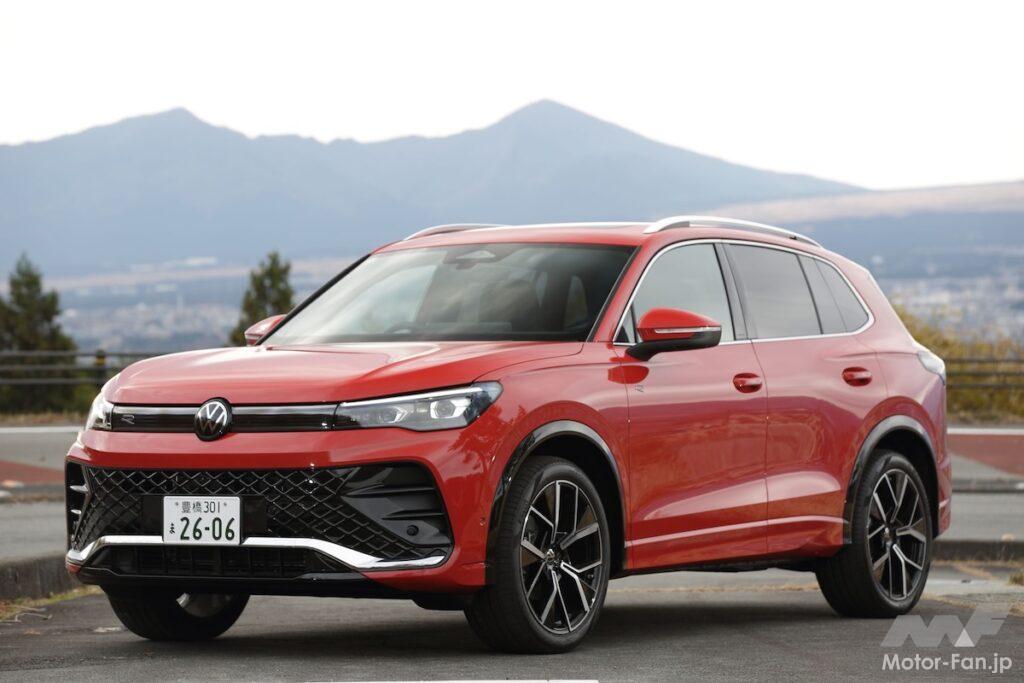
Volkswagen Tiguan
Personally, when I think of the kings of ride comfort among C-segment SUVs, I think of the DS 7 or the Citroën C5 Aircross, both of which are up to your preference, but the completely redesigned Volkswagen Tiguan has really taken me by surprise. It may be rude to call it a “hidden” thing, but the variable dampers have been upgraded to a Kayaba two-solenoid type, which allows for a ride that’s so soft it’s practically fainting. The contrast with the sport mode is excellent, and the feeling of being able to go either hard or soft is fantastic.
It’s a shame that the soft ride quality is not what makes it “flavorful,” as the French cars still have a unique feel to them. However, this is a matter of personal preference, such as the way the car settles down and the sense of tranquility, so it’s no big deal for those who don’t mind (or don’t care).
A clever and cunning car
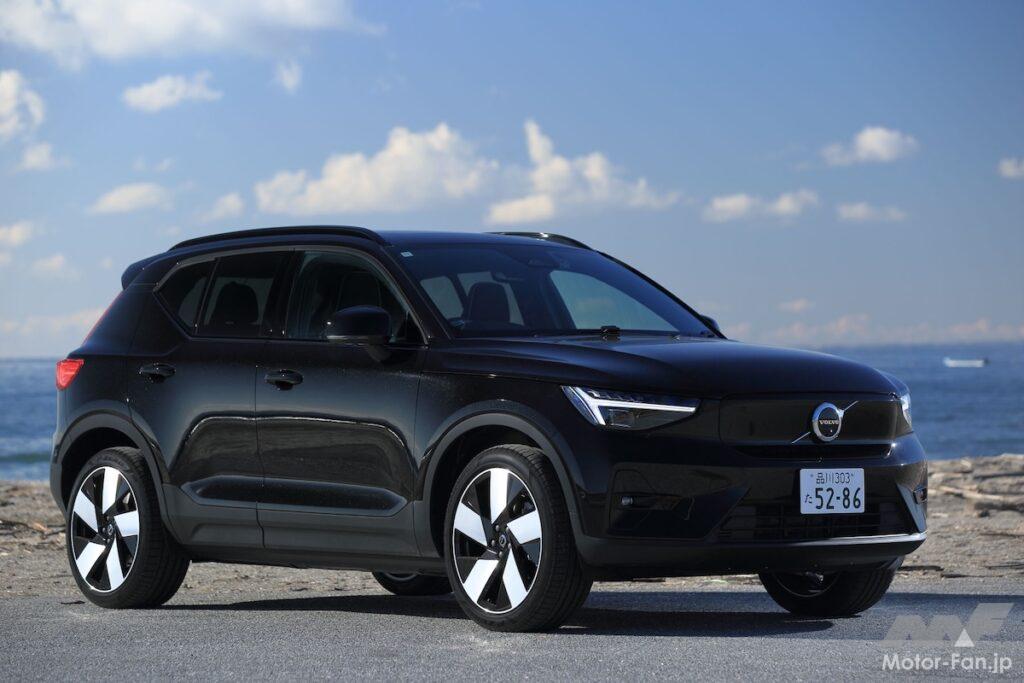
EX40 Ultra Twin Motor
These days, it’s tempting to say that Japan is experiencing stagflation rather than inflation, but in the automotive world, the shift to electrification has actually led to a deflation in the price per PS. A few years ago, a pure ICE 12-cylinder engine was around 65,000 yen per PS, but with the advent of hybrids, it temporarily fell below 50,000 yen.
But if you consider that a Tesla Plaid costs around 17 million yen for 1100 PS, that’s just over 15,000 yen per PS. So while the phenomenon of over 1000 PS may seem like an inflation of specs, it’s actually a price collapse of power, or a qualitative deflation. Spec-obsessed people and those who value performance are likely to get caught up in this.
But if you look around, you’ll find not only supercars but also C-segment SUVs that cost less than 20,000 yen per PS, yet still look clever and clever. That’s Volvo’s 2025 model, the EX40 Ultra Twin Motor. The car I test drove was the Black Edition, an all-black version.
All-black, cool-looking cars often end up looking childish, but this EX40 doesn’t have an aero package or any other unnecessarily sharp exterior, and the urethane fenders and underguard proudly show off, giving it the air of an architect who always wears a relaxed, casual black outfit. The interior isn’t glaringly black either, but rather an incredibly rich charcoal brushed material, with exceptionally elegant white piping, making it a truly Scandinavian interior.
However, once you start driving, it’s not the stiff, nervous ride you’d expect from a BEV, but a smooth, effortless ride. Step on the accelerator a little and the car is not only brisk but incredibly fast, with the stability you’d expect from an AWD. It’s a gentle chassis that handles 408 PS well, and it’s priced at 7.89 million yen. The EX40 will be available as a “Classic Edition” in 2026, the final model, with only a single motor, so I think this twin-motor version will become a cult BEV that people will be happy to see coming.











![The appeal of British cars stands out in these chaotic times [My personal favorite cars of 2025]](https://wheelfeed.com/wp-content/uploads/2026/01/4758-1768026507061.jpg)