
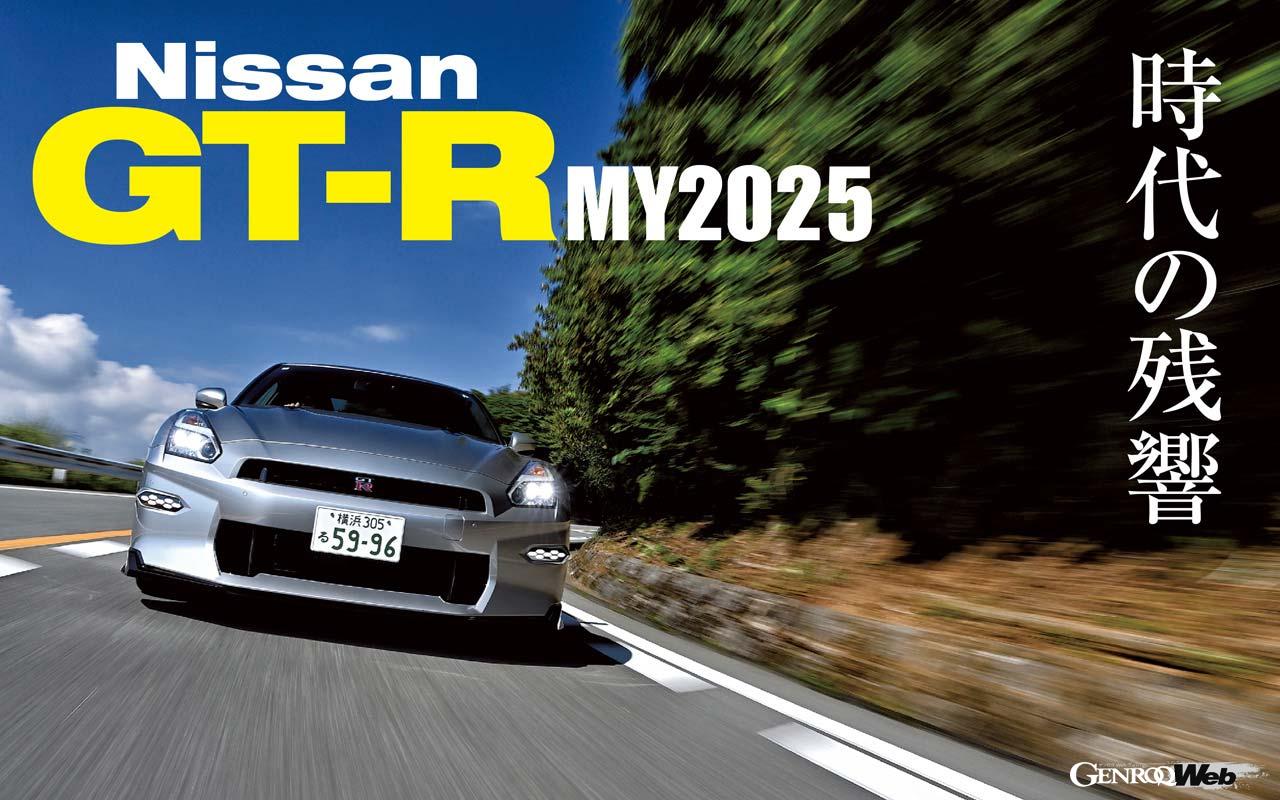
Nissan GT-R MY2025
Speed Icon
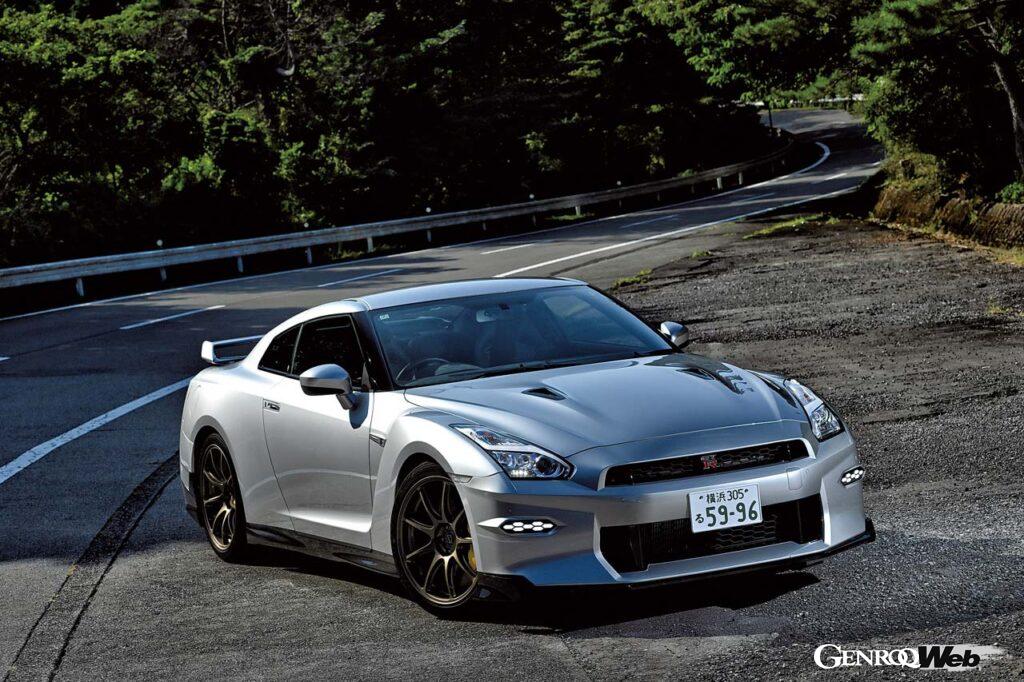
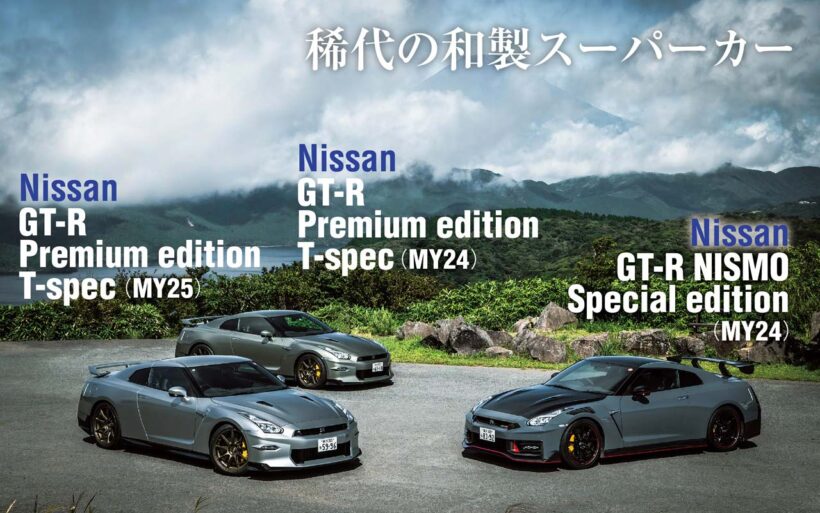
The exterior underwent various updates for MY11, MY14, MY17 and MY24, including changes to the shape of the front and rear bumpers, with the biggest change coming in MY17.
This will truly be the last R35. I felt a surge of emotion when I heard this during the delivery.
To be honest, I was quite an “anti” when it came to the Nissan GT-R. This has deep roots, going back to the Skyline era of the GT-R.
This is probably because the GT-R has always been an absolute “icon of speed.” In particular, the R32, the ancestor of the second generation, was the undisputed champion in the 1990s. In other words, it was jealousy of something that was too fast.
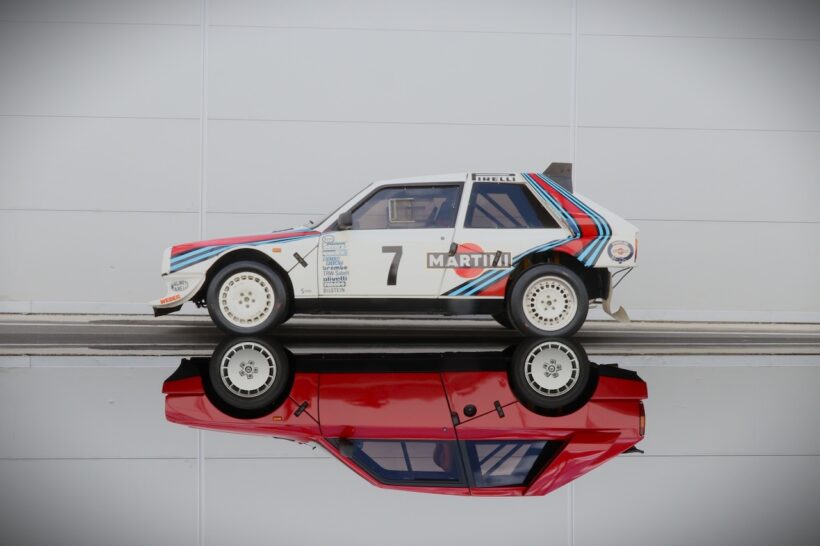
On the other hand, there was a mixed feeling of opposition to the third-generation R35 model. The GT-R, which had been reborn after being freed from the shackles of the Skyline, was a boxy two-door coupe from any angle. It is said that this was because until just before the launch, there was a possibility that the R35 model would be released as a Skyline, but in any case, I felt that if Nissan was going to create a new, powerful flagship model, it should be a car like the MID4.
Indeed, the VR38DETT, with its displacement increased to 3.8 liters, was developed in collaboration with Cosworth, and its high performance was enough to blow away the negative image that had been caused by the V6 engine. The closed-deck block was sturdy, and the NISMO version eventually reached 600 PS.
However, its maneuverability remained front-heavy, and the slow yaw moment made it difficult to describe it as the handling of a pure sports car. While the effort to optimize the front-to-rear weight distribution by placing the engine in a front-midship position and adopting a transaxle was commendable, the center of gravity was high with the engine mounted at the front with the oil pan underneath, even though it was a semi-dry sump system (the GT3 machine was converted to a dry sump in the 2018 model).
The satisfaction of “driving a GT-R” is still there

[1]

[2]

[3]

[4]
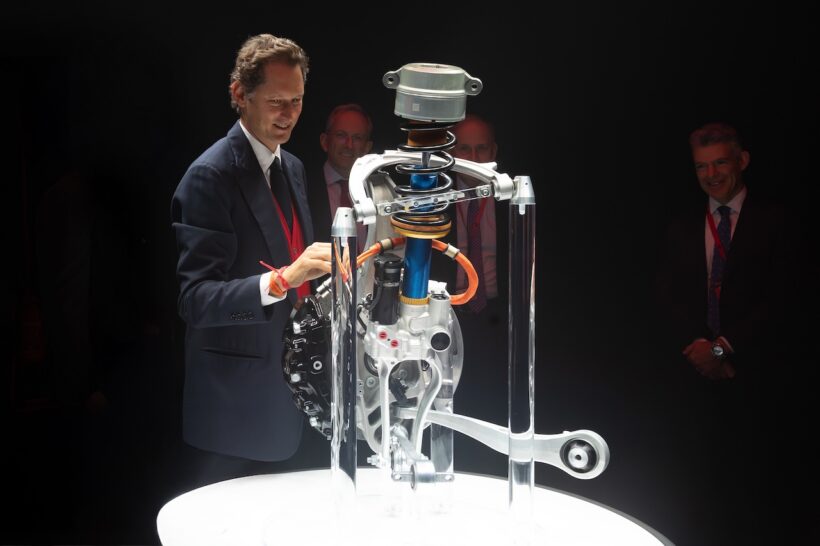
[1] The 3.8-liter V6 twin-turbo engine, which started out with 485 PS, reached 530 PS in MY11, 550 PS in MY12, and the current 570 PS in MY15. The gold engine cover is exclusive to the T-spec. [2] The 2025 T-spec model will feature a nameplate with the name of the “Takumi” (master craftsman) who hand-assembled the engine inscribed in red letters, as well as a gold model number plate affixed to the engine bay. [3] The 2025 T-spec model will feature a nameplate with the name of the “Takumi” (master craftsman) who hand-assembled the engine inscribed in red letters, as well as a gold model number plate affixed to the engine bay. [4] Last year, the GT-R underwent an update that changed the shape of the front and rear bumpers and rear wing, increasing downforce by 13%. As a result, there are no external changes to the 2025 model.
Furthermore, weight reduction, which was a concern in the second generation, was not actively pursued. Even the NISMO, which makes extensive use of carbon fiber, weighs in at 1,720 kg, only 40 kg lighter than the standard model. The frame itself is heavy, like a mass-produced car.
However, this is precisely why the GT-R was so incredibly cheap. Considering that it cost 7.77 million yen in 2007, it’s surprising that this premium edition T-spec costs 20.35 million yen, but as you can see from the fact that a 911 Turbo now costs 28.32 million yen, the world is shifting upward. The reason the GT-R seems so far away is due to the sluggish Japanese economy and the weak yen.
The GT-R underwent a change with the 2014 model. The ride quality was noticeably improved, and the resulting drivability in everyday driving was so comfortable it could be called a return to the R32. This, combined with the debut of NISMO at the time, made the “raw R” the ultimate road-going car. The person who completed this at the time was development chief Tamura Hiroshi, who is also the originator of the name T-spec (?), and in many ways, I felt that he had a deep understanding of public roads.
Now, finally, the 2025 model is here, but the latest noise regulations have already been met with the 2024 model’s exhaust system overhaul. Therefore, the 2025 model will be Nissan’s “final offering.” The reason the 2025 model will be the last GT-R is that parts supplies are no longer readily available, but it’s also likely related to the fact that collision mitigation braking will be mandatory for all domestically produced vehicles from December 2025 onwards.
The GT-R quietly takes off

[1]

[2]

[2]

[3]
[1] The instrument panel has been redesigned for MY17. The center display has been enlarged from 7 to 8 inches and lowered by 31 mm to improve visibility outside the vehicle. The paddle shifters are now fixed to the steering wheel. [2] Dark green leather seats are exclusive to the T-spec. Other grades are basically black, with the Premium Edition being the only model that offers a choice of colors such as red, tan, and Blue Heaven. [3] The T-spec, which is equipped with carbon ceramic brakes and a carbon rear wing, was introduced in MY22. Bronze-colored Rays wheels are only available on the Premium Edition T-spec.
Returning to the topic, the 2025 model “Premium Edition” has been given a new special interior color called “Blue Heaven.” The “Premium Edition T-spec” and “Track Edition Engineered by NISMO T-spec” test drives incorporate parts used in the NISMO Special Edition. Specifically, the flywheel, crank pulley, intake and exhaust valve springs, connecting rods, crankshaft, and even piston rings have been further tightened in tension tolerance and balanced.
It’s fair to say that its driving has reached the pinnacle of maturity. The initial burst is loud when the car is cold, but once you press the start button, the GT-R takes off quietly with the body of a truly well-behaved sedan.
Although there is still a slight bump from the run-flat tires, the ride quality provided by the latest Damptronic control is so high that you forget about the poor fuel economy and can’t help but feel as if you could use it all the time. What’s interesting is that you can still faintly hear the driving noise of the transmission, which can’t be completely silenced, but this actually adds to the satisfaction of “driving a GT-R.”
Dispelling the image of a “non-bending R”
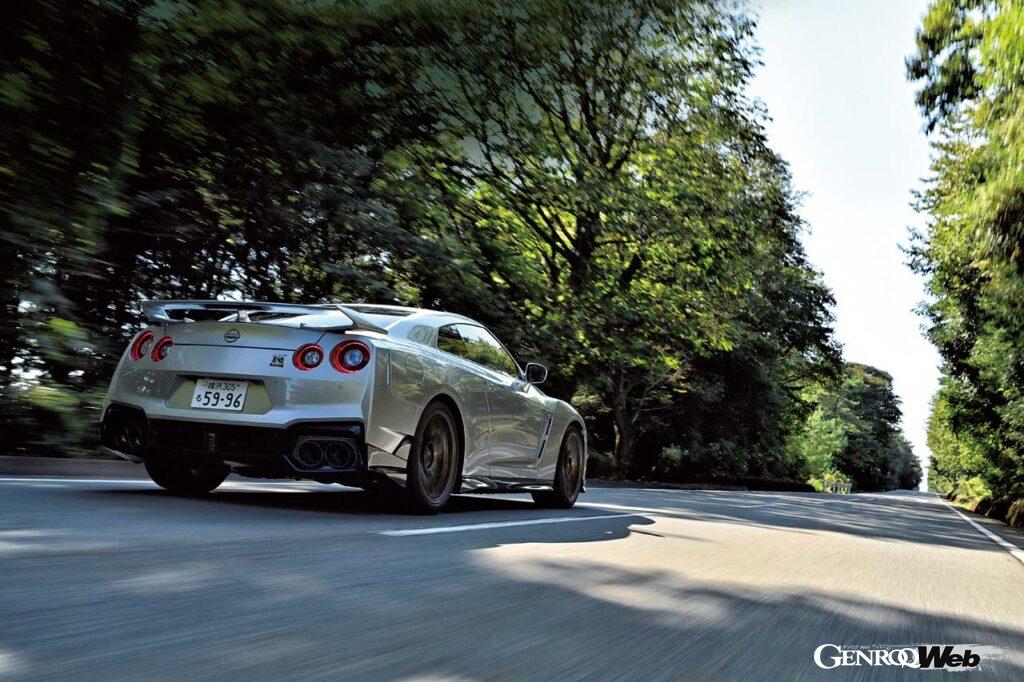
The GT-R has made a huge impact on the world of supercars.
However, the GT-R’s true potential lies in driving it. What’s interesting is that the electric power steering remains light even in R mode, and it uses the characteristics of the supple suspension and solid tires to sharply turn the nose into corners. This is surely a setup that will dispel the image of an “R that doesn’t turn.”
However, mid-turn, the car’s true character emerges. The slight understeer is safe in a sense, but it’s a shame that Nissan has abandoned rear-wheel steering here.
After a razor-sharp turn-in, take a breath and deepen the throttle. The VR38DETT delivers overwhelming torque to the road with a smoothness that doesn’t require a straight-six. The drivetrain distribution and VDC control of the ATTESA E-TS support the driving performance from behind the scenes. The high body rigidity, which is hard to believe has been used for 17 years, is an asset of the GT-R that the Serena lacks. It’s hard to gauge its impression on the circuit, but if you have any complaints, just buy something else. Well, you probably can’t buy a 25-year-old model anymore, but I felt that if you really want it, even a used one would be fine.
Driving the last R35 GT-R, I realized we’ve both gotten older. I once wanted the GT-R to be the fastest bad boy in the world, no matter what, but now I love it so much. I’ll leave the ultimate R to the next generation model. Now it’s time for the owner to enjoy their honeymoon.
REPORT / Kouki YAMADA
PHOTO / Satoshi KAMIMURA
MAGAZINE / GENROQ November 2024 issue
SPECIFICATIONS
Nissan GT-R Premium Edition T-Spec
Body size: Length 4710, width 1895, height 1370mm
Wheelbase: 2780mm
Vehicle weight: 1760kg
Engine: V6 DOHC twin turbo
Total displacement: 3799cc
Maximum output: 419kW (570PS) / 6800rpm
Maximum torque: 637Nm (65.0kgm) / 3300-5800rpm
Transmission: 6-speed DCT
Drive system: AWD
Suspension type: Front double wishbone, rear multi-link
Brakes: Front and rear ventilated disc
Tire size: Front 255/40ZRF20, rear 285/35ZRF20
Vehicle price: 20.35 million yen
[Inquiries]
Nissan Motor Customer Service Center
TEL 0120-315-232
https://www.nissan.co.jp