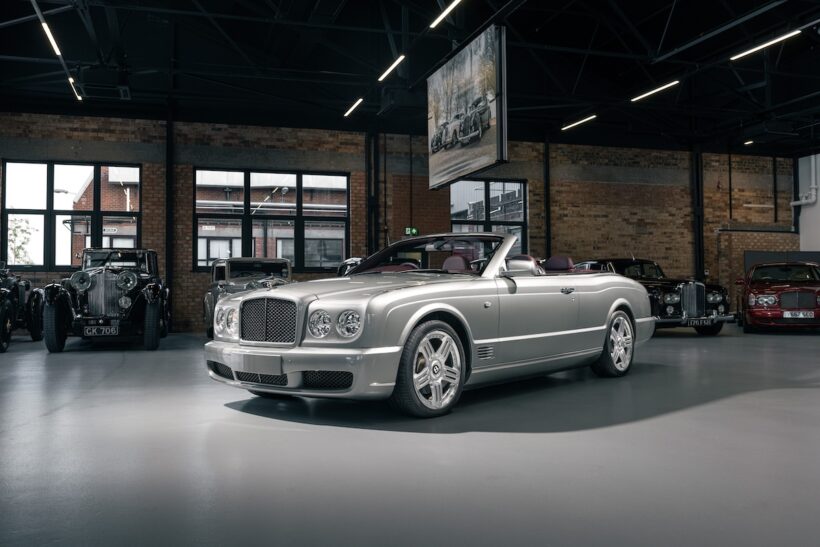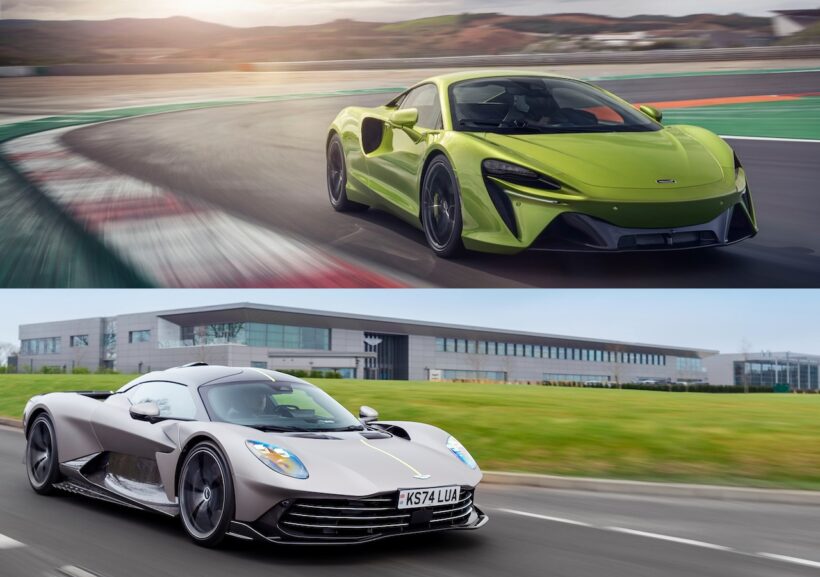

![The legend of WO Bentley, which began with trains, motorcycles and aircraft engines [Bentley 100 Years of Car History]](https://wheelfeed.com/wp-content/uploads/2025/08/1264-1761529429999.jpg)

EXP1
From one man’s passion
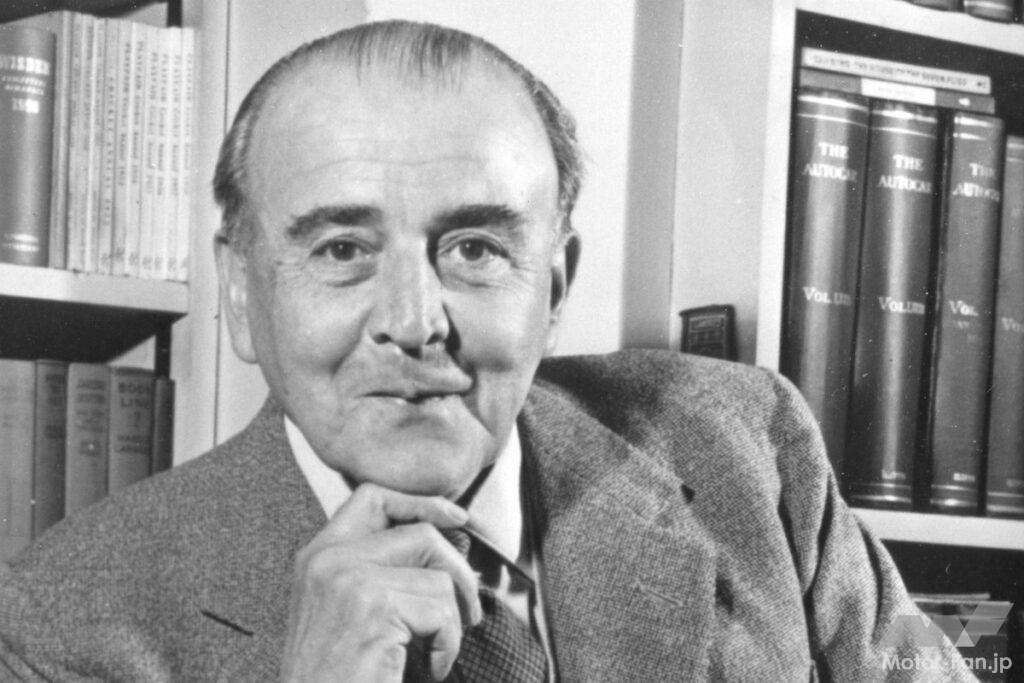
WO Bentley
Bentley is known as one of the world’s leading manufacturers of luxury and sports cars, but its history began with the passion of one man: Walter Owen Bentley, also known as WO Bentley.
Bentley was born on September 16, 1888, as the youngest of nine children to a wealthy family living in Hampstead, London. He had an interest in machines from an early age, and at the age of 16 he joined the Great Northern Railway as an apprentice engineer, with the aim of becoming an engineer of steam locomotives, the most cutting-edge form of transportation at the time.
During his five-year apprenticeship, Bentley gained skills and knowledge in railway assembly, design, casting, and operation, but he quit his job after realizing there were no opportunities for the kind of work he wanted and discovering the joys of motorcycles that a colleague had introduced him to.While studying theoretical engineering at King’s College London, he began actively racing motorcycles that he had tuned himself, and in 1909 and 1910 he competed in the Isle of Man TT Races, the highest level of motorcycle racing, (in 1910 as a works rider for the Indian team).
Inspired by paperweights
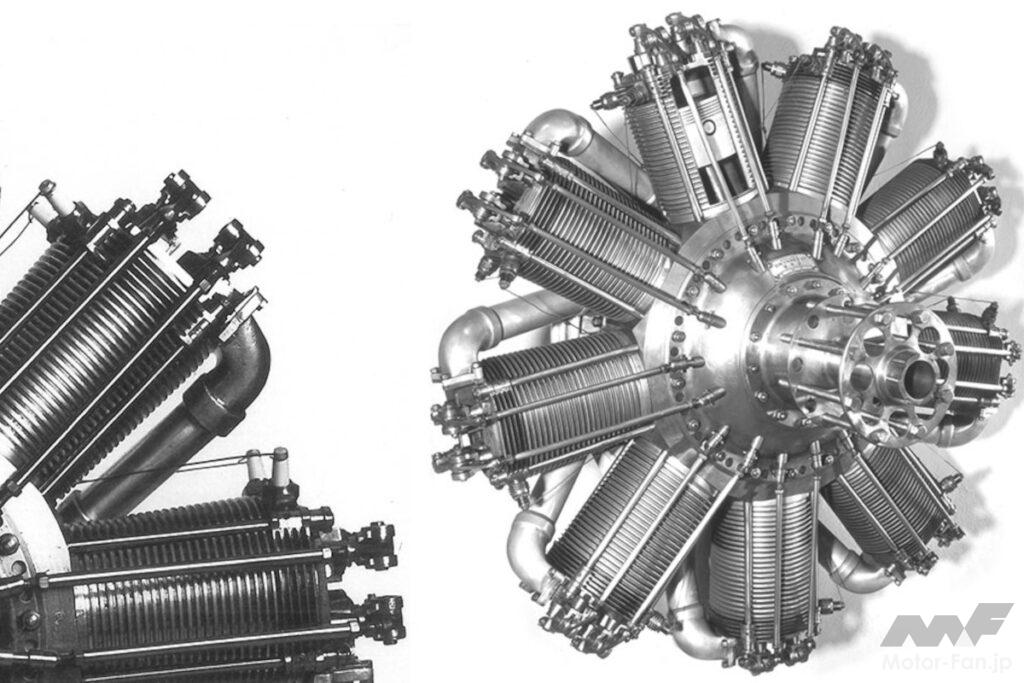
Bentley BR1
After graduating, Bentley joined the National Motor Cab Company and opened a French dealership for DPE cars with his brother. He realized that success there depended on winning races, so while tuning the engine, he was inspired by aluminum paperweights and created pistons from an alloy of 88% aluminum and 12% copper to increase their strength and prevent them from melting at high temperatures. The DPE cars he worked on won the Brooklands race and set speed records, achieving many successes.
When World War I broke out in 1914, Bentley proposed to Commander Wilfred Briggs, who acted as a liaison between the Royal Navy and manufacturers, that aluminum alloy pistons, which had excellent cooling efficiency and enabled high revolutions and high power output, be used. As a result, Bentley became a Royal Navy Air Corps Technical Captain and his first project was, coincidentally, Rolls-Royce’s first water-cooled V12 aircraft engine, the Eagle.
Bentley then worked on improving the French-made Clerget engine that powered the Sopwith Camel fighter plane. The air-cooled, nine-cylinder radial rotary Clerge 9Bf was a powerful engine that produced 130 horsepower, but it had many problems, including cooling, and was prone to frequent accidents.
However, Bentley faced resistance from Quinns, the company that produced the engine under license in the UK, and gave up on improving it. Instead, they rented space at Humber and began designing a new engine based on the Clerges, with aluminium cylinders, cast iron liners, aluminium alloy pistons and twin spark plugs.
The resulting Bentley BR1 produced 150 horsepower, exceeding the Clerges. Affordable and reliable, more than 5,000 units were used in cars like the Sopwith Camel and Avro 504, making a significant contribution to Britain’s victory. For his achievements, Bentley was awarded an MBE (Order of the British Empire) after the war, and was also awarded £8,000 by the Royal Commission for Inventions.
Immersed in the development of sports cars
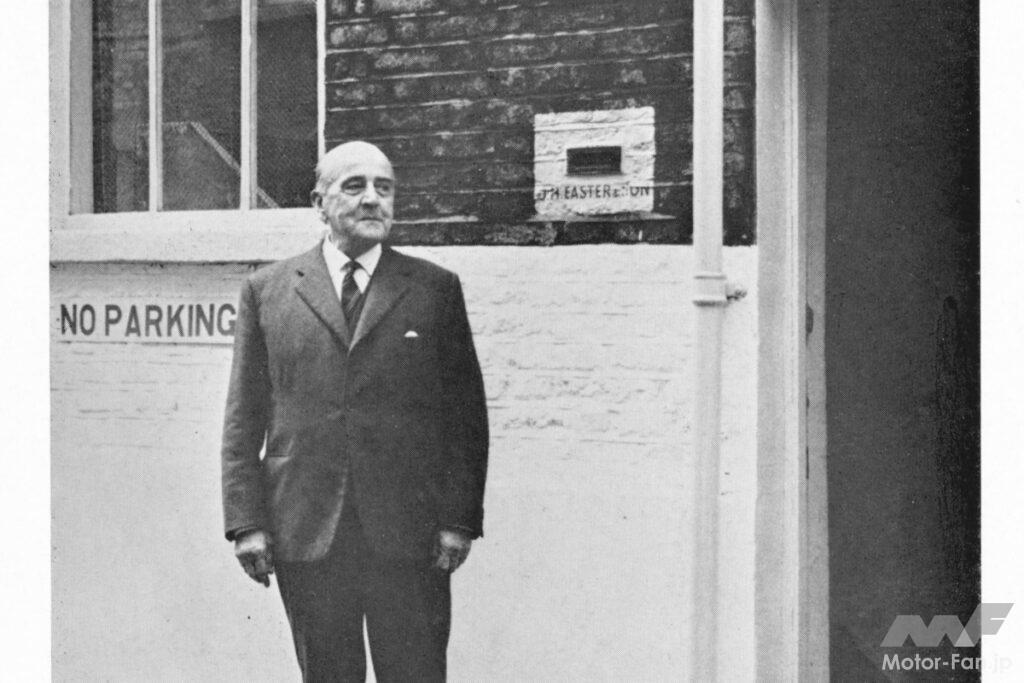
WO Bentley standing at the site of its founding in August 1968
With this capital, Bentley established his own car manufacturer, Bentley Motors, in New Street Mews, London, on January 18, 1919, fulfilling his long-held dream. Together with former Humber employee Frank Burgess, former Vauxhall employee Harry Varley, and engine designer Clive Gallop, he devoted himself to developing sports cars.
They developed an advanced 2996cc inline 4-cylinder SOHC 4-valve engine with a crossflow head here. At the time, a neighbor complained, “There is a sick person in my house, so please don’t make too much noise.” They responded, “No one would be happy to die hearing the sound of a century’s 3-liter engine ignite.”
In October 1919, Bentley’s first car, the EXP1, was completed. The four-seater EXP1 with a touring body was given the register number BM 8287 and road tests immediately began. A test report was published in the British magazine Auto Car, but it is said that the car was dismantled and used for parts after the tests were completed.












![The S-Type, widely regarded as Bentley’s masterpiece post-war saloon [Bentley 100 Years of Car History]](https://wheelfeed.com/wp-content/uploads/2025/11/4703-1762127546348.jpg)