
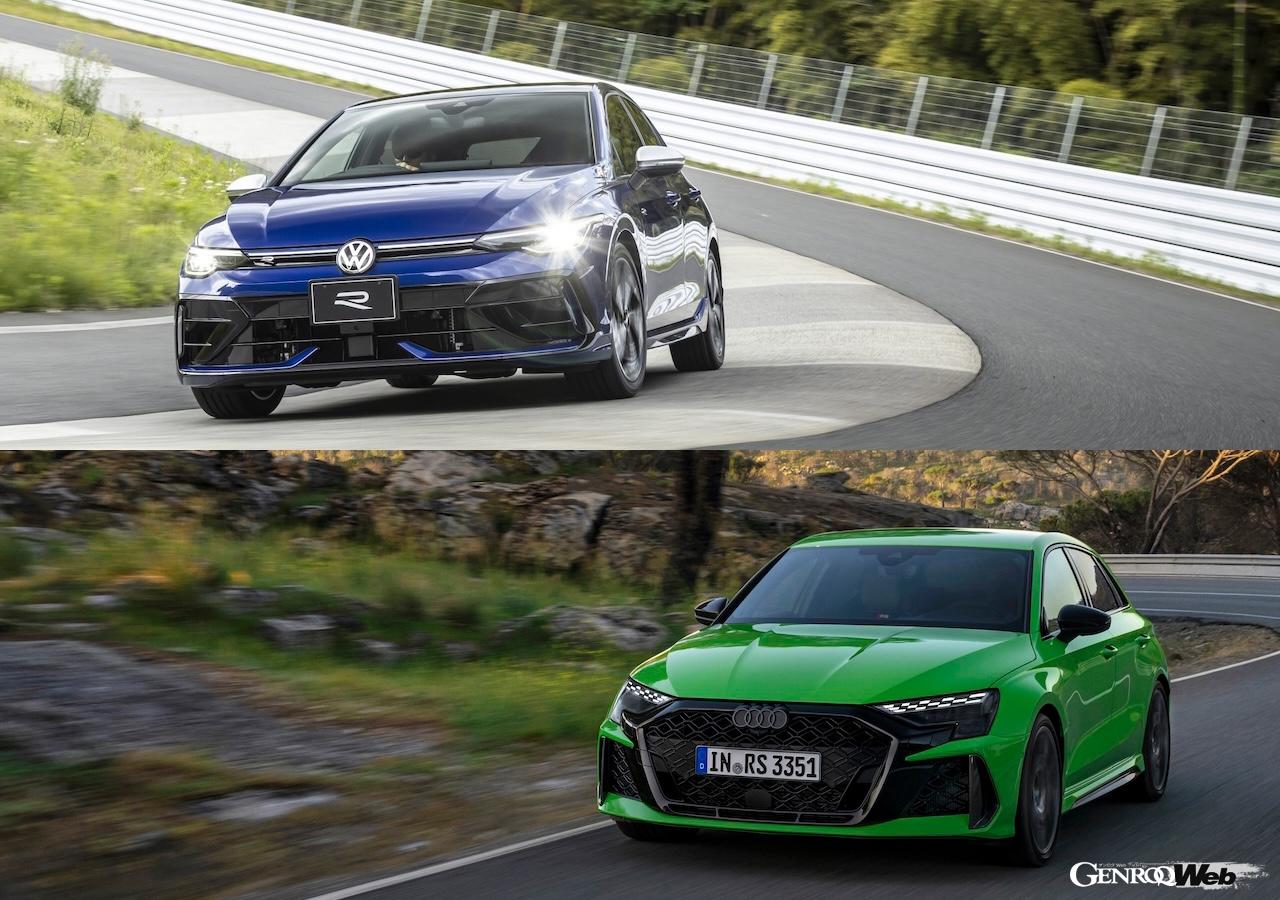
Volkswagen Golf R
×
Audi RS 3 Sportback
Exteriors that emphasize each brand
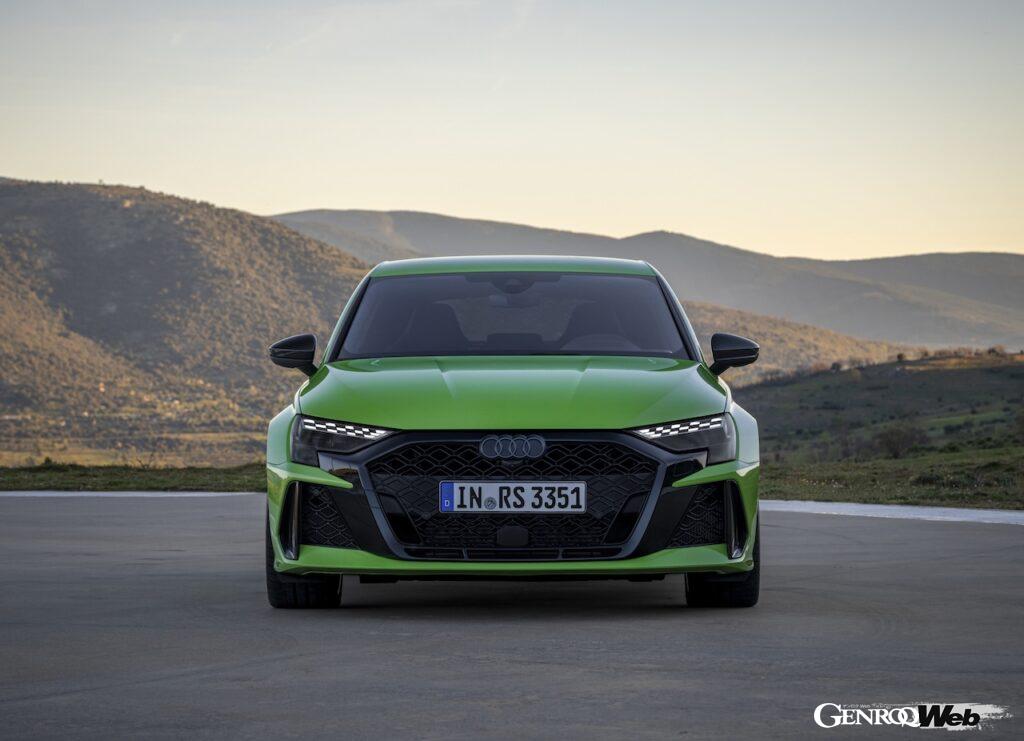
Audi RS 3 Sportback
Audi RS 3 Sportback
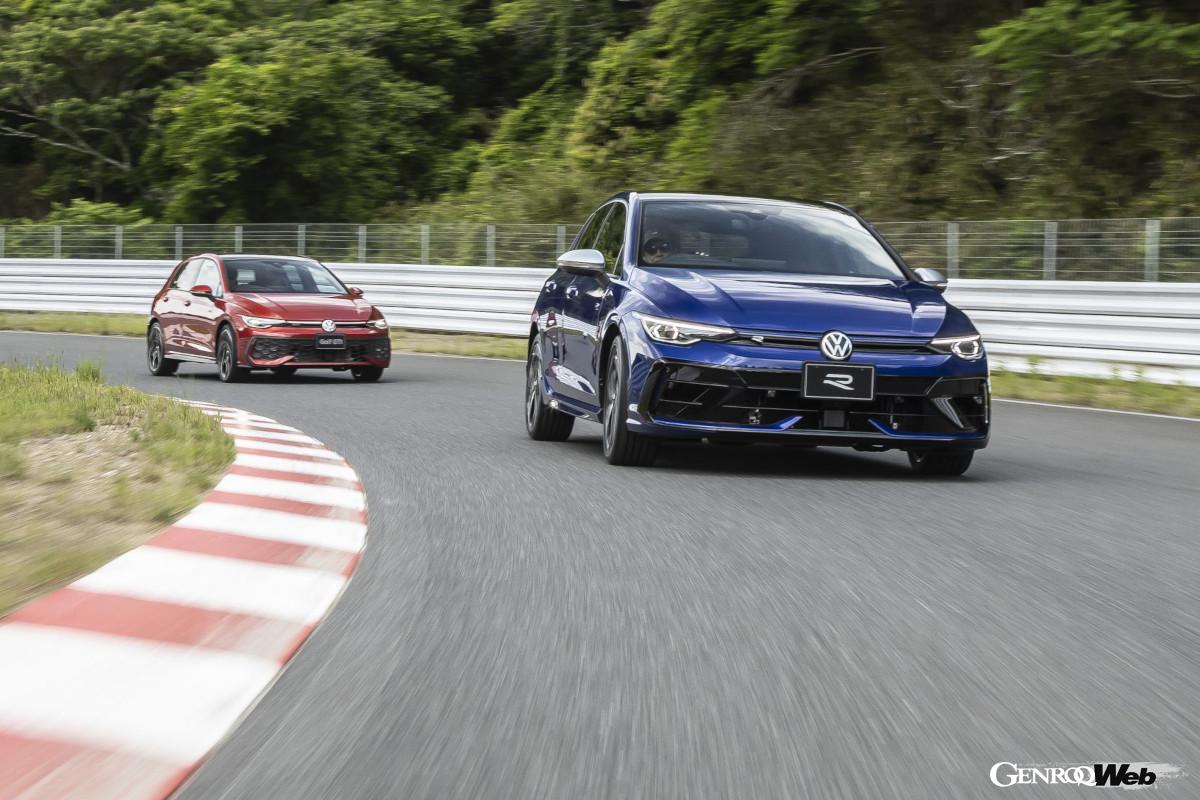
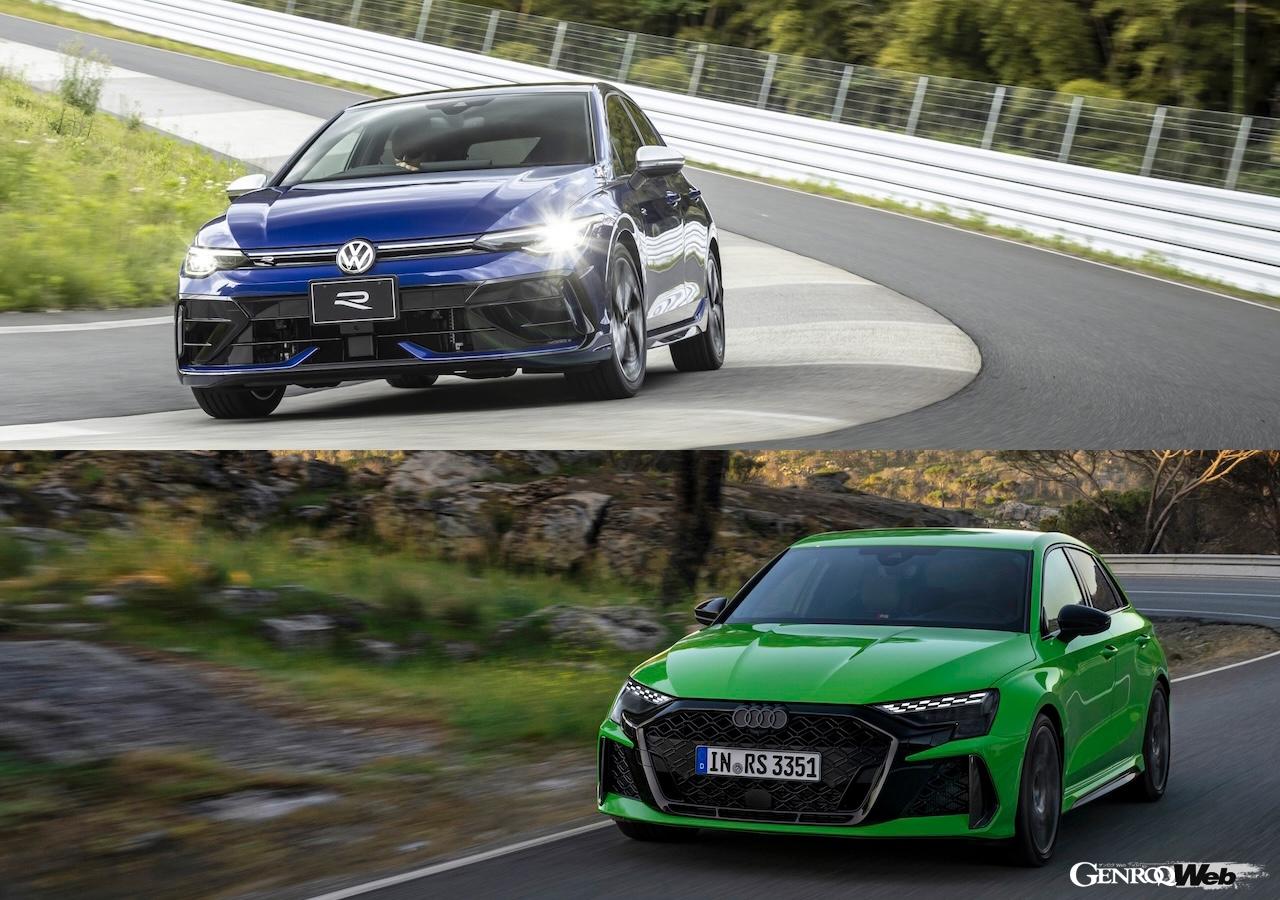
The eighth-generation Volkswagen Golf will undergo a major facelift in 2024 that could be considered a full model change. The high-performance Golf R, the pinnacle of the series, has also seen performance improvements and has been introduced to the Japanese market. Meanwhile, the Audi RS 3, based on the same platform as the Golf, comes in a five-door hatchback Sportback and sedan, but this time we’ll be focusing on the RS 3 Sportback, a five-door hatchback like the Golf.
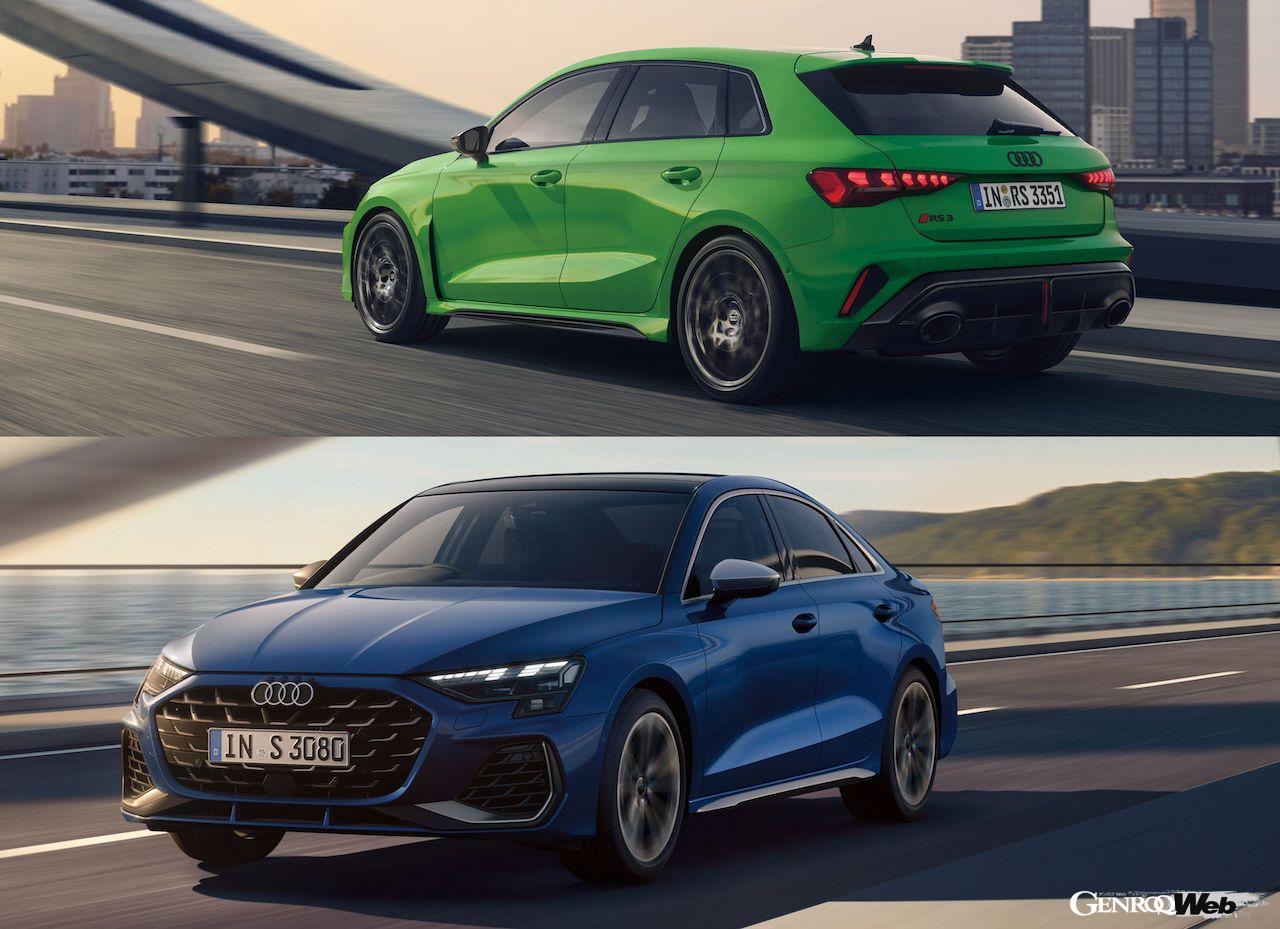
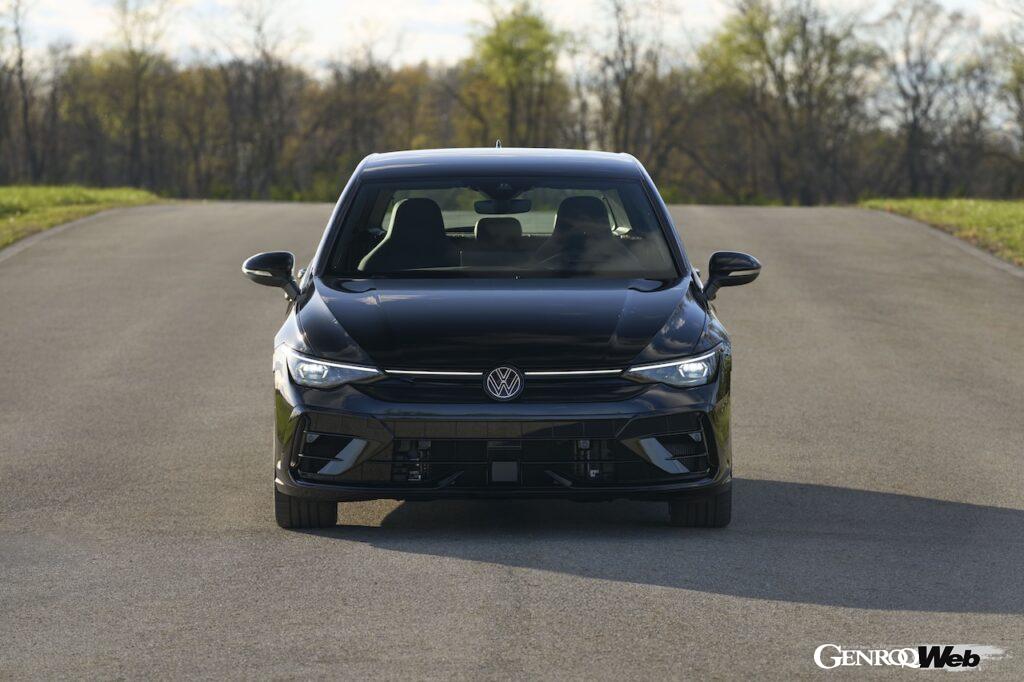
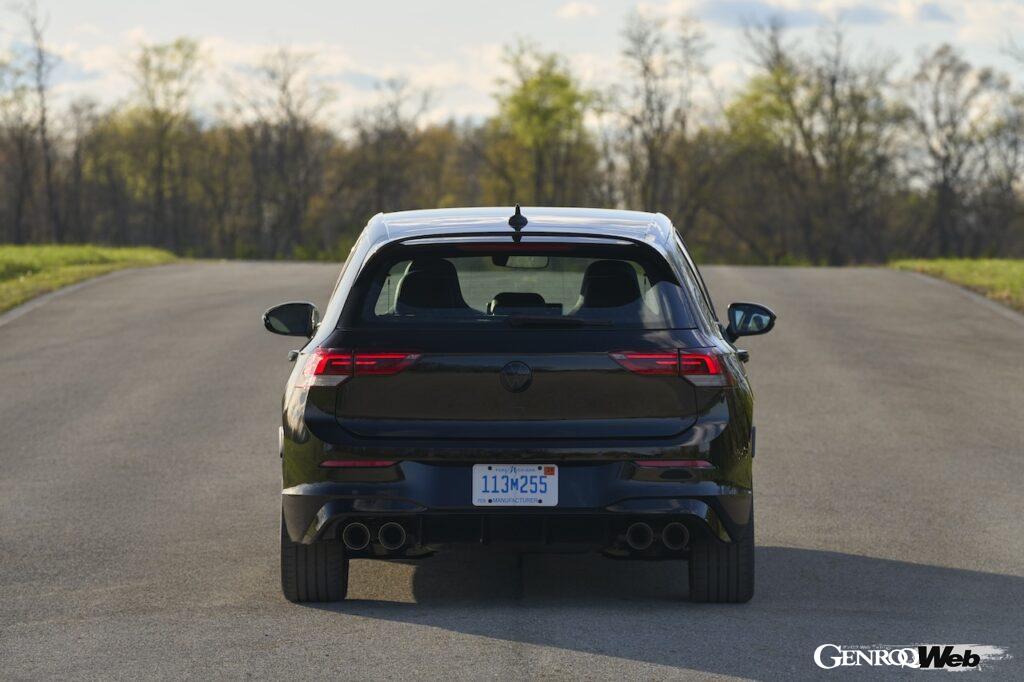
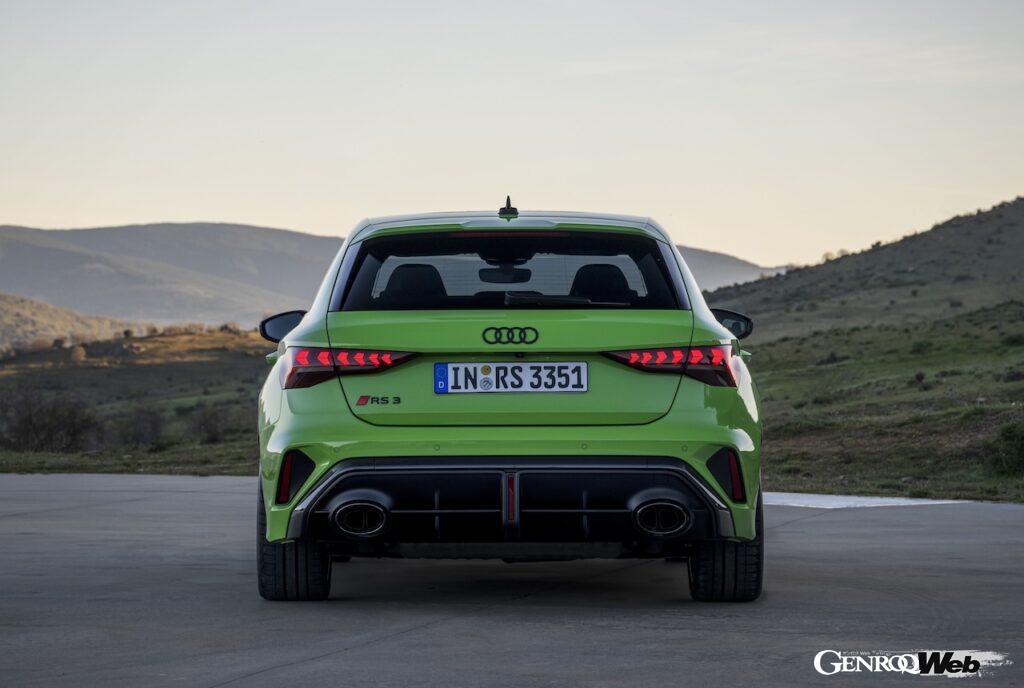
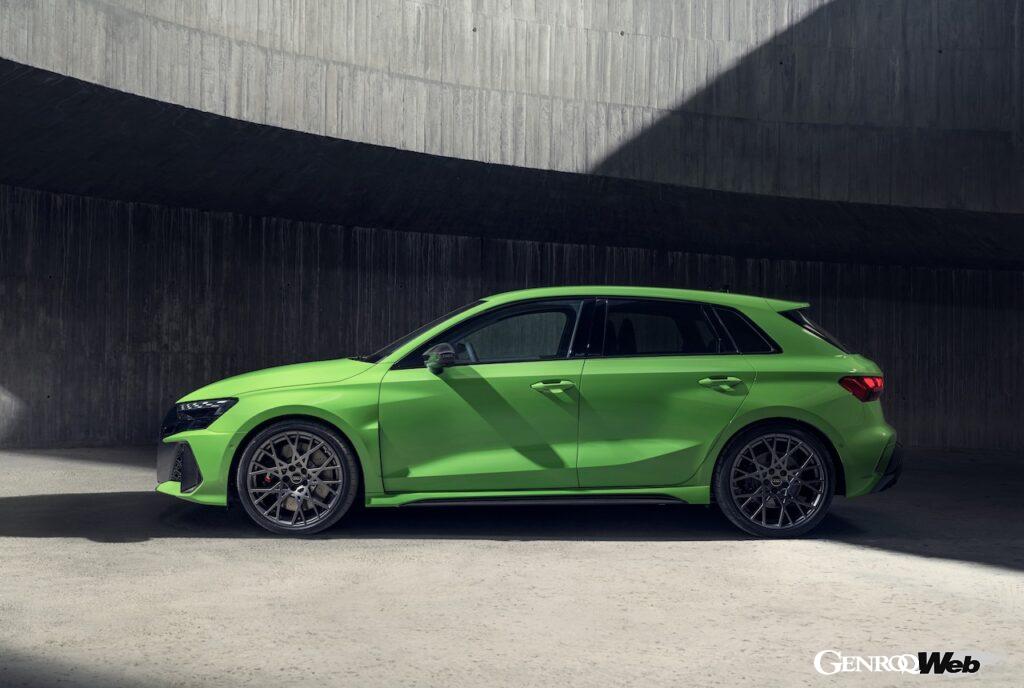
The Volkswagen Group develops a variety of models based on the same platform. Although the Golf and A3 are siblings, they each have exteriors that clearly express their respective brands, giving them a unique character that makes it hard to believe they are siblings at first glance. The RS 3 Sportback is 85mm longer in length and 60mm wider, but 25mm lower in height. Combined with its impressive front mask featuring a special single-frame grille, it also looks like it is in a higher segment.
Volkswagen Golf R
Body size = Length 4295 x Width 1790 x Height 1460 mm
Wheelbase = 2620 mm
Vehicle weight = 1510 kg
Tire size = 225/40R18
Audi RS 3 Sportback
Body size = Length 4380 x Width 1850 x Height 1435 mm
Wheelbase = 2630 mm
Vehicle weight = 1580 kg
Tire size = 265/30R19 (front), 245/35R19 (rear)
Advantages of the 2.5-liter inline-5 turbo

Volkswagen Golf R
Audi RS 3 Sportback

Volkswagen Golf R
Audi RS 3 Sportback
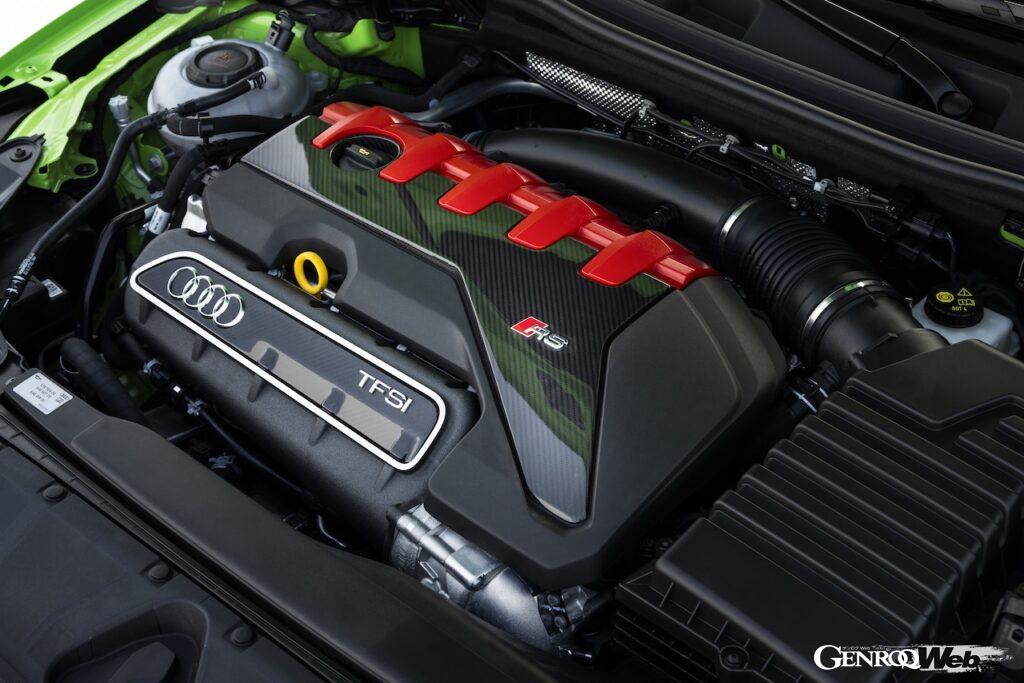
The Golf R is powered by a 2.0-liter inline four-cylinder turbo engine that boasts a maximum output of 333 PS and a maximum torque of 420 Nm, and drives all wheels via a seven-speed DSG (DCT) and the 4MOTION system, while the RS 3 Sportback is powered by a 2.5-liter inline five-cylinder TFSI direct injection turbo engine tuned by Audi Sport, which produces a maximum output of 400 PS and a maximum torque of 500 Nm.
The advantage of having one more cylinder, with a maximum output of 67 PS and a maximum torque of 80 Nm, is significant, allowing the RS 3 Sportback to accelerate from 0 to 100 km/h in 0.8 seconds faster than the Golf R. Both have a top speed electronically limited to 250 km/h.
Volkswagen Golf R
Engine type = Inline 4-cylinder TSI gasoline turbo
Displacement = 1984cc
Maximum output = 333PS / 5600-6500rpm
Maximum torque = 420Nm / 2100-5500rpm
Transmission = 7-speed DSG (DCT)
Drive system = AWD
Top speed = 250km/h (limited)
0-100km/h acceleration = 4.6 seconds
Audi RS 3 Sportback
Engine type = Inline 5-cylinder TSFI gasoline turbo
Displacement = 2480cc
Maximum output = 400PS / 5600-7000rpm
Maximum torque = 500Nm / 2250-5600rpm
Transmission = 7-speed S tronic transmission (DCT)
Drive system = AWD
Top speed = 250km/h (limited)
0-100km/h acceleration = 3.8 seconds
Practical yet unique
Volkswagen Golf R

Audi RS 3 Sportback

Volkswagen Golf R
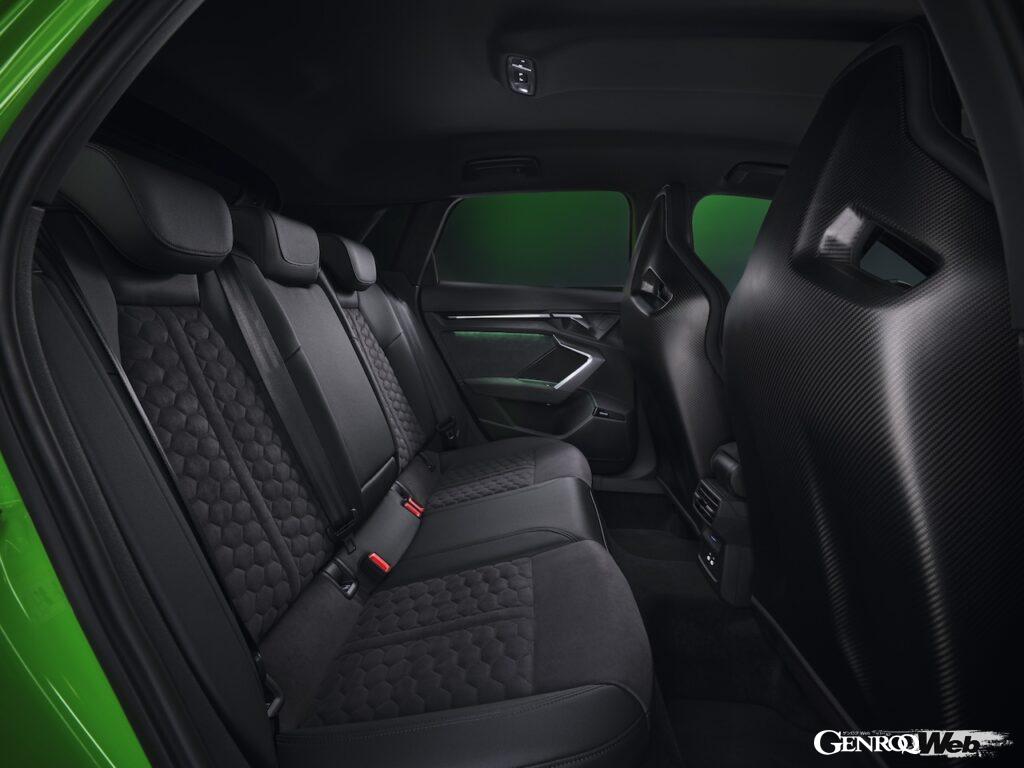
Audi RS 3 Sportback
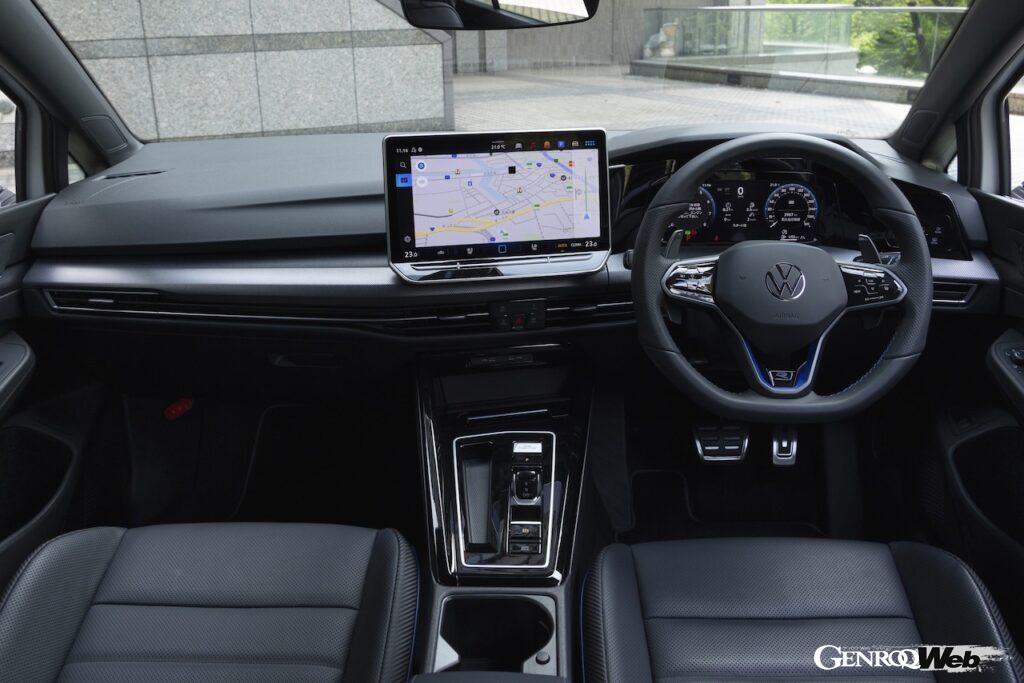
The Golf R’s cockpit combines an improved Digital Cockpit Pro with a 10-inch display and a 12.9-inch standalone touch display. The Digital Cockpit Pro displays the R-model’s exclusive sports skin with a round rev counter in the center and the R-View, which displays engine rpm on a horizontal bar.
The RS 3 Sportback is equipped with a 12.3-inch Audi Virtual Cockpit Plus and a 10.1-inch touch display that is more modest than the Golf. While the Golf R’s interior retains the atmosphere of a simple, practical model, despite its striking blue accent color, the RS 3 Sportback, which is over 2 million yen more expensive, appeals to a sense of luxury with luxurious trim and special embossed sports seats.
Both cars have ample rear seats and luggage room, providing the practicality of the base model, while also offering ample performance as a “hot hatch.” If you want to use it as your everyday vehicle and enjoy a little sporty driving on the weekends, then the Golf R is the choice. If you want a more special feel, including the interior and exterior styling, then the RS 3 Sportback is the one to choose.