
BMW X3
x
MERCEDES-BENZ GLC
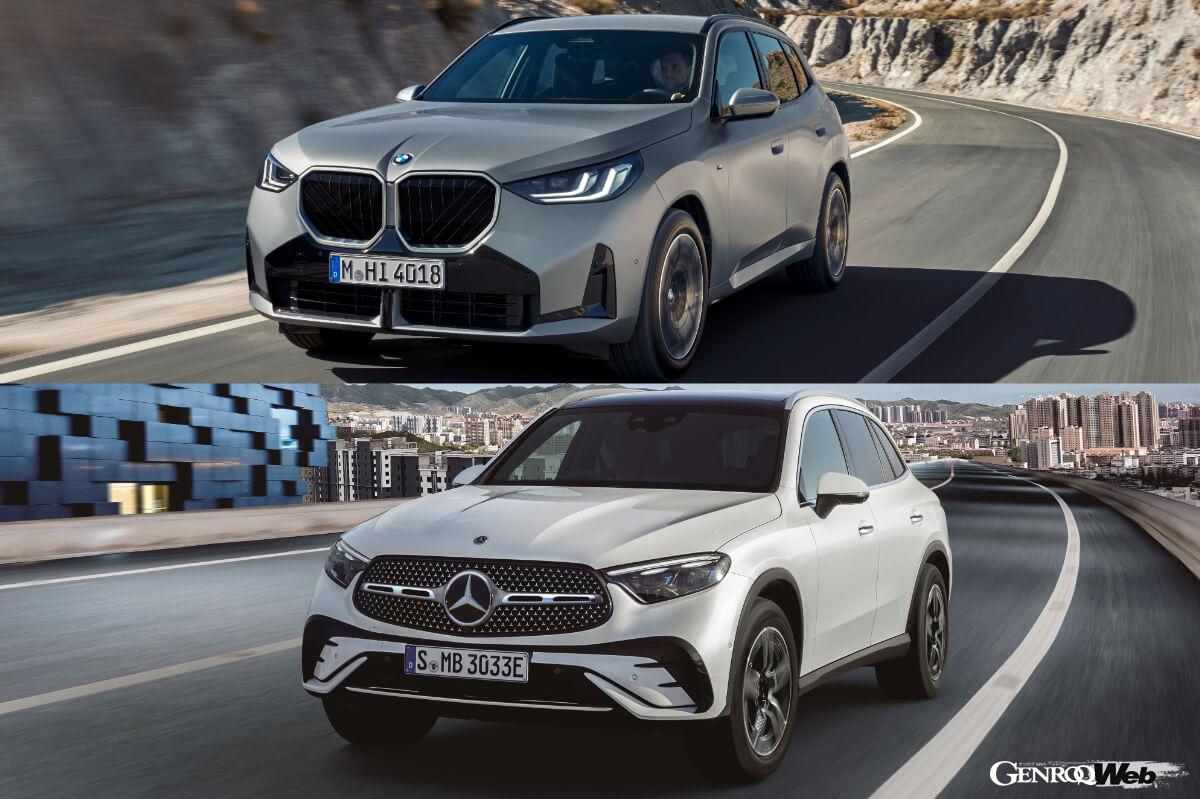
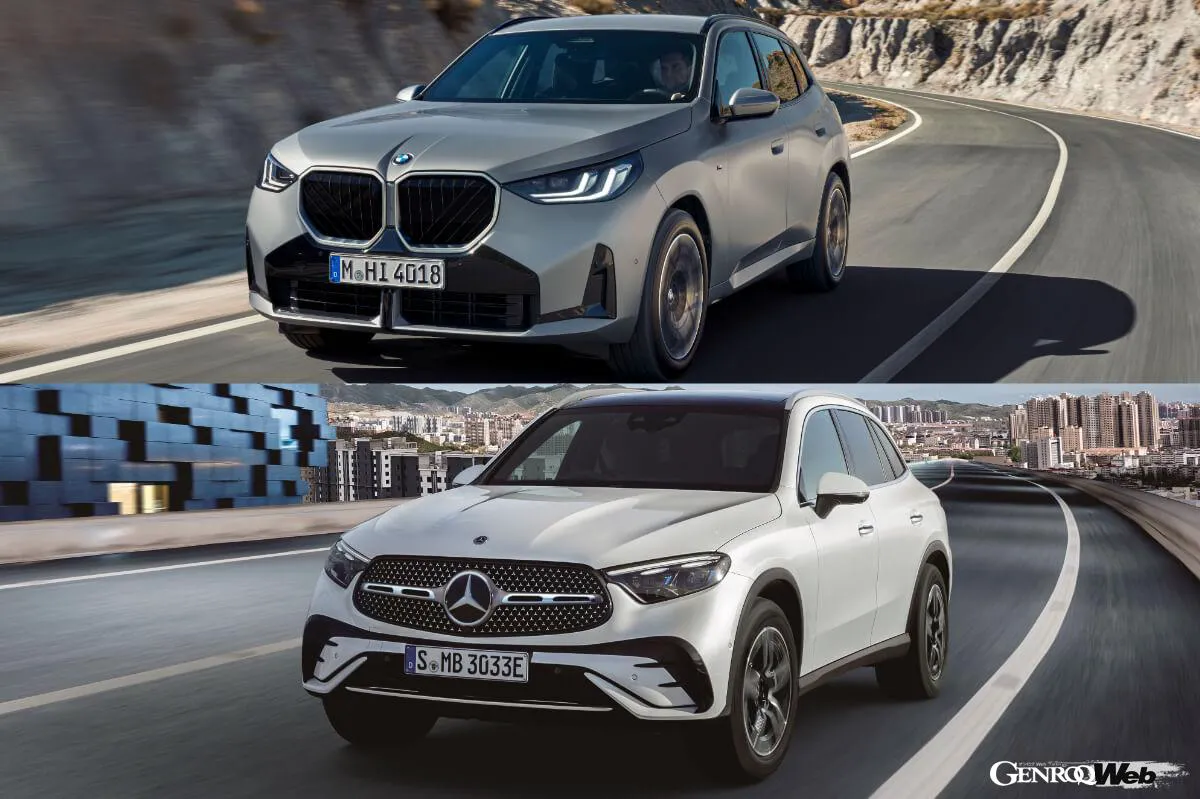
The new X3 is larger, but not much different from the GLC

BMW X3

Mercedes-Benz GLC

BMW X3

Mercedes-Benz GLC
The body sizes of the BMW X3 and Mercedes-Benz GLC are almost the same. If you compare them closely, the X3 is larger, but the difference in length, width, and height is only about 20 to 30 mm. The weight of the diesel model is the same for both cars, at 1,930 kg.
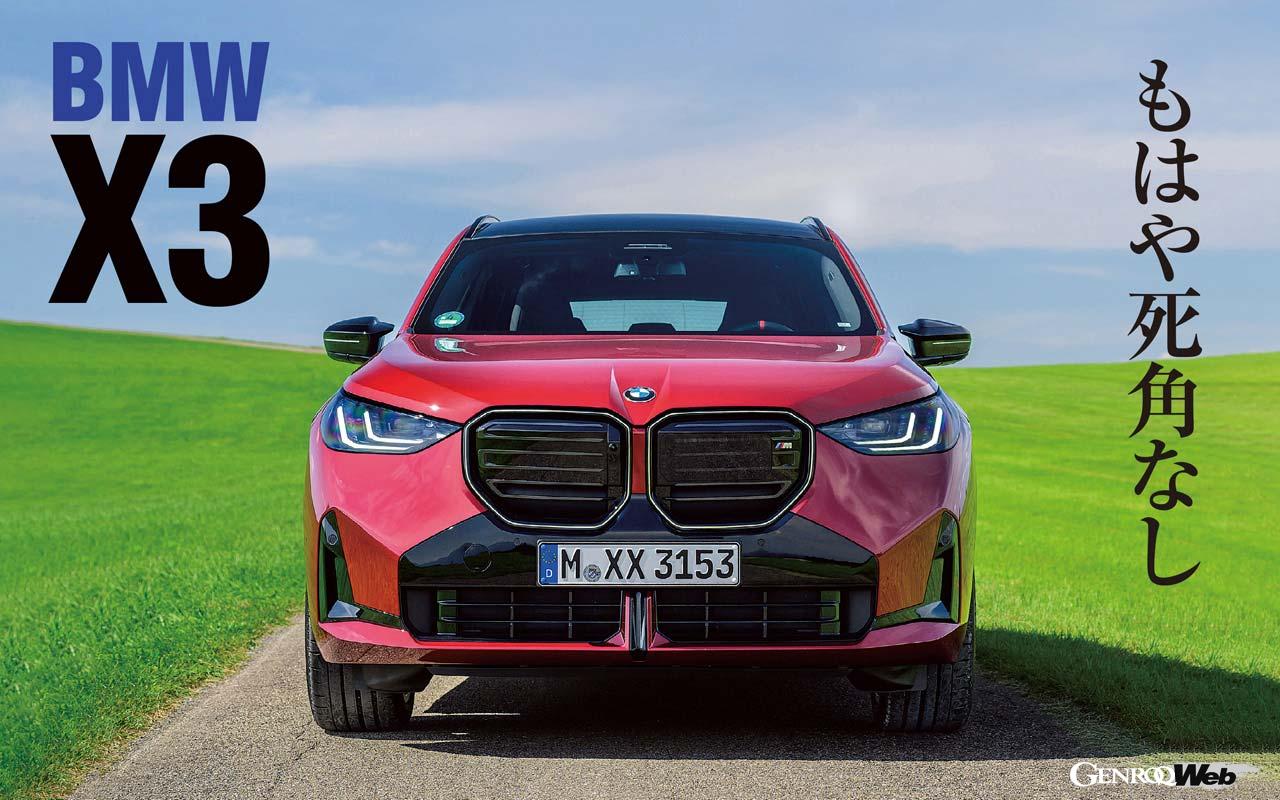
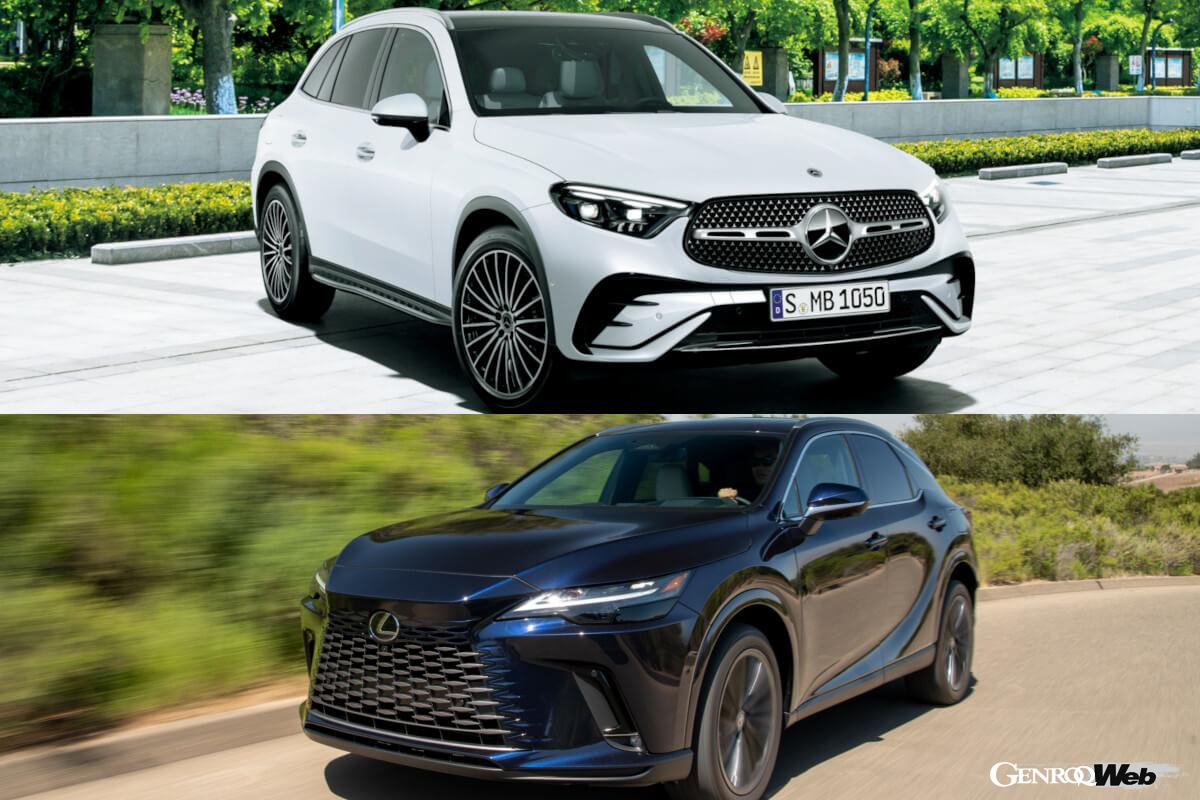
Comparing the designs of the two models, the new X3 features a powerful front face with a larger kidney grille and sharper details, while the GLC has the sleek and elegant styling that is typical of Mercedes-Benz.
The interior of the X3 has a sporty design that focuses on the driver, while the GLC has a design that emphasizes luxury. Since the body sizes are similar, the interior space is almost the same. Furthermore, the luggage capacity when fully loaded is 570L for the X3 and 620L for the GLC, but this difference is unlikely to affect daily use.
BMW X3 20d xDrive M Sport
Body size = Length 4755mm x Width 1920mm x Height 1660mm
Wheelbase = 2865mm
Vehicle weight = 1930kg
Tire size = 245/50R19
Mercedes-Benz GLC 220d 4MATIC
Body size = Total length 4720mm x Total width 1890mm x Total height 1640mm
Wheelbase = 2890mm
Vehicle weight = 1930kg
Tire size = 235/60R18
The performance of the diesel engines is almost the same, but the hybrids are different.

BMW X3

Mercedes-Benz GLC
Both are AWD and are equipped with a 2.0-liter inline 4-cylinder diesel turbo engine. Both engines have an output of 197 PS, but the GLC has 40 Nm more maximum torque, but the X3 generates it at a lower rpm.
An even bigger difference is the motor performance of the 48V mild hybrid systems installed in both vehicles. The maximum torque of the motor installed in the GLC is 205Nm, while the maximum torque of the motor added to the X3 is only 25Nm. While the X3 uses a simple BSG that transmits power via a belt, the GLC uses an ISG that houses a high-torque motor inside the transmission, which also reduces power transmission loss.
Furthermore, the GLC is equipped with a nine-speed automatic transmission, which has one more gear, and these differences are clearly reflected in the difference in fuel economy. There is no doubt that both have sufficient power performance, but it can be said that the GLC has a superior powertrain.
BMW X3 20d xDrive M Sport
Engine type = Inline 4-cylinder DOHC diesel turbo engine
Displacement = 1995cc
Maximum output = 197PS/4000rpm
Maximum torque = 400Nm/1500-2750rpm
Transmission = 8-speed AT
Drive system = AWD
Mercedes-Benz GLC 220d 4MATIC
Engine type = Inline 4-cylinder DOHC diesel turbo engine
Displacement = 1992cc
Maximum output = 197PS/3600rpm
Maximum torque = 440Nm/1800-2800rpm
Transmission = 9-speed AT
Drive system = AWD
The diesel model has comparable specifications and is priced roughly the same.

BMW X3

Mercedes-Benz GLC
The prices of the diesel models are almost the same: 8.58 million yen for the X3 20d xDrive M Sport and 8.67 million yen for the GLC 220d 4MATIC.
However, if you consider the performance of the powertrain, the GLC may be a better value. However, there is not a significant difference in power performance that can be considered decisive, and the body size and interior space are almost the same. As rivals, the specifications of the two cars are roughly equal.
If you’re looking for a deciding factor in your choice, you should look at performance that cannot be measured numerically, such as interior and exterior design, handling, and ride comfort, which reflect each brand’s philosophy.