

Volkswagen ID.Buzz
There are two types: normal and long.

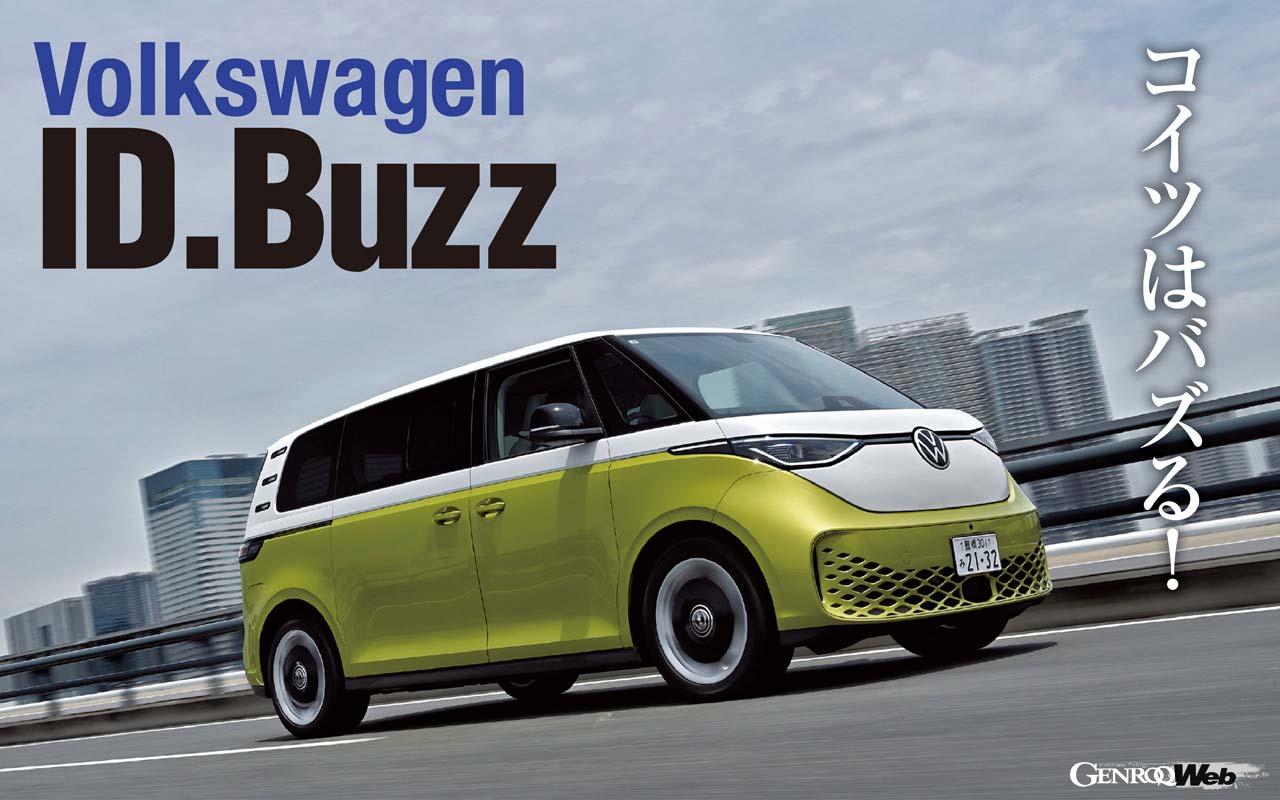
The model we test drove was the long wheelbase version, with body dimensions of 4965mm long, 1985mm wide and 1925mm high.
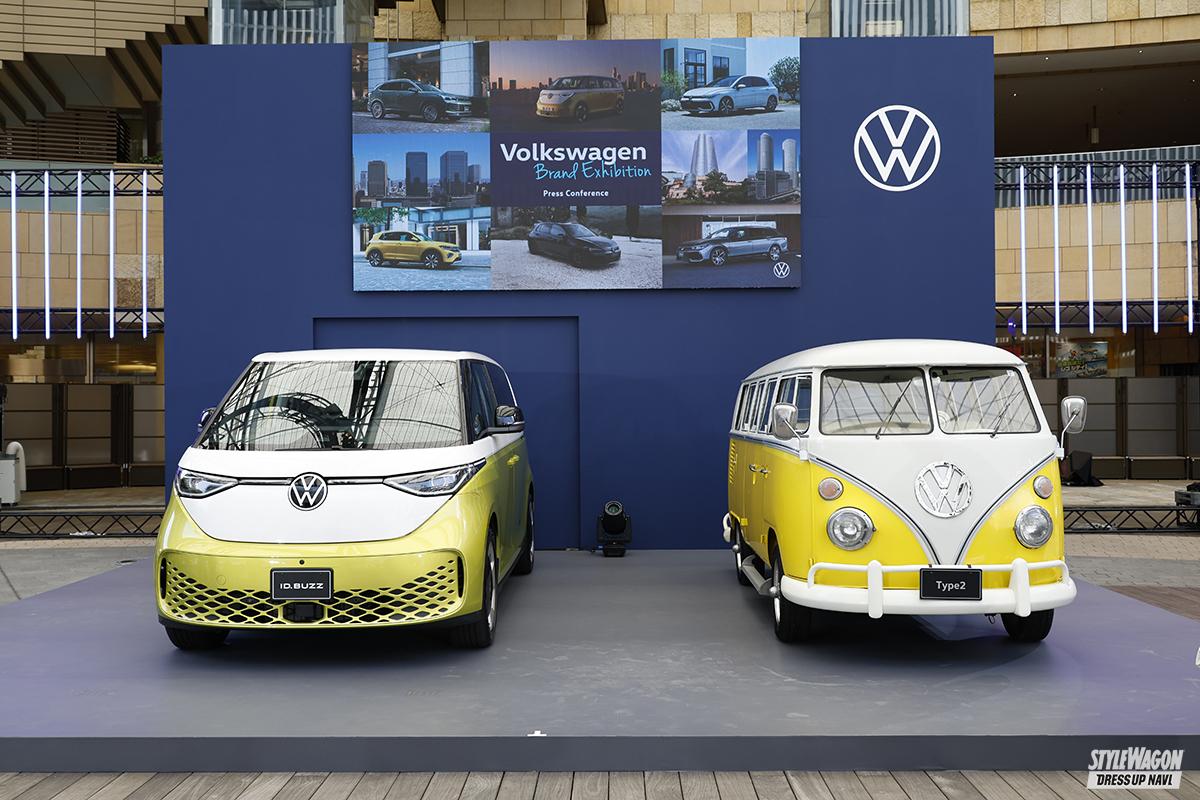
Orders for the ID Buzz are booming. The planned number of units for 2025 sold out quickly. Apparently, several hundred more have been ordered. When asked what kind of car models people are switching from, there doesn’t seem to be any clear trend. While there seems to be a slightly higher proportion of VW minivans like the Touran and Sharan, it seems that people from all walks of life are switching to it, regardless of size or power, from domestic luxury minivans like the Alphard to electric SUVs like the Tesla Model X. It’s truly classless. In that sense, it could be called the return of the Volkswagen Bus, the Type II. Personally, I was surprised by the high price, but it seems my fears were completely unfounded.
Now, we took the ID. Buzz for a test drive on public roads. First, let’s take a look at the Japanese model. The ID.4 SUV has already been released as a VW EV, and the ID. Buzz is the second model to follow. It uses the MEB platform common to the series, and comes in both a standard version with a total length of approximately 4.7m and a long version with a total length of 5m. A wide range of grades are available in Germany, from the commercial vehicle version with a black bumper to the sporty GTX, but the Japanese model is the Pro, the next most premium model after the GTX.
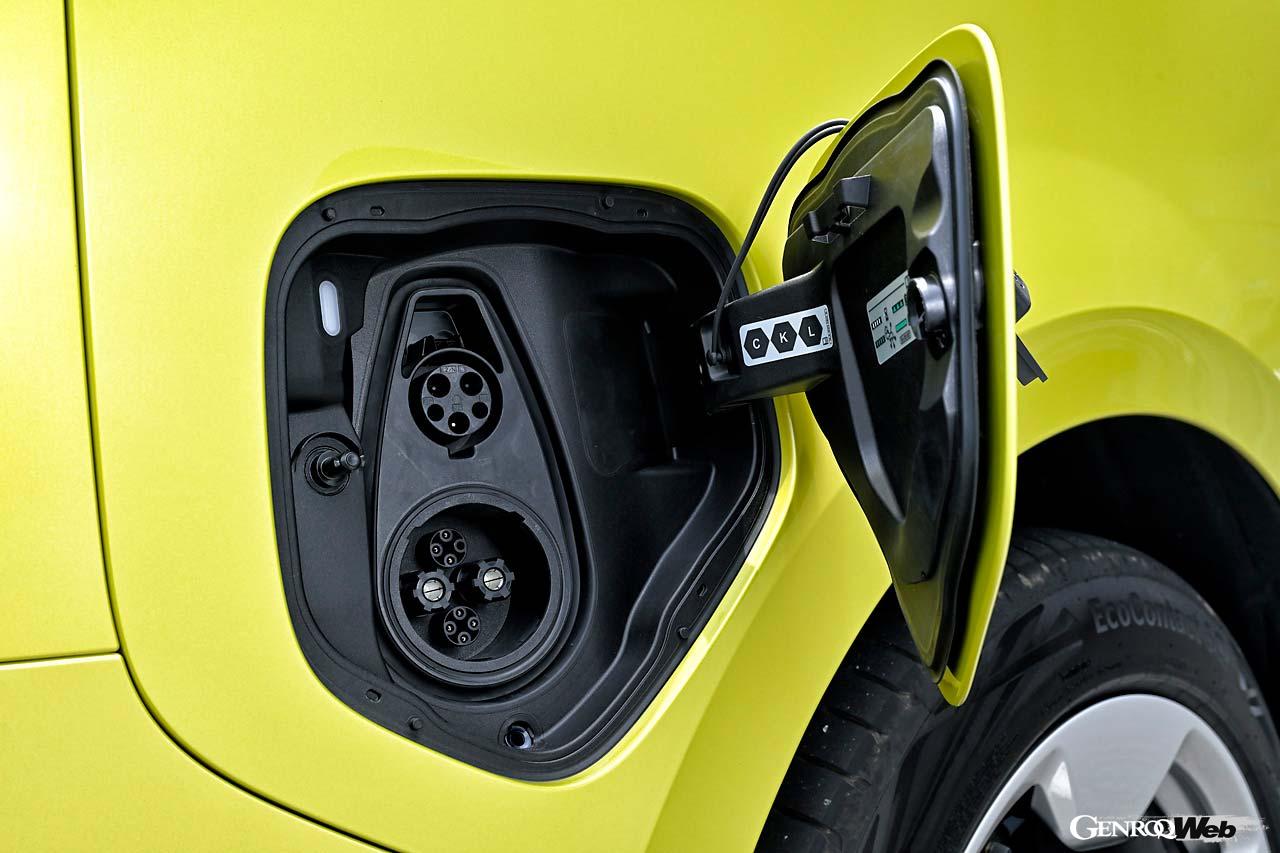
The motor is installed only on the rear axle, driving the rear wheels. In that sense, like the Type II, it is a rear-wheel drive vehicle. The motor is more powerful than the ID.4, with 286 PS/560 Nm, which is likely to be to accommodate the larger and heavier body. As usual, the battery capacity, located under the floor, is 84 kWh for the standard model and 91 kWh for the long model. The “nominal” driving range is 524 km and 554 km, respectively. Charging is compatible with standard 200 V and rapid CHAdeMO.
The model I test drove was the long version, equipped with the optional Luxury Package (panoramic glass roof and Harman Kardon sound system). The white and yellow two-tone color scheme was also an option. The total price was 10,518,000 yen. It’s quite an expensive car.
High-quality ride quality is better than the ID.4
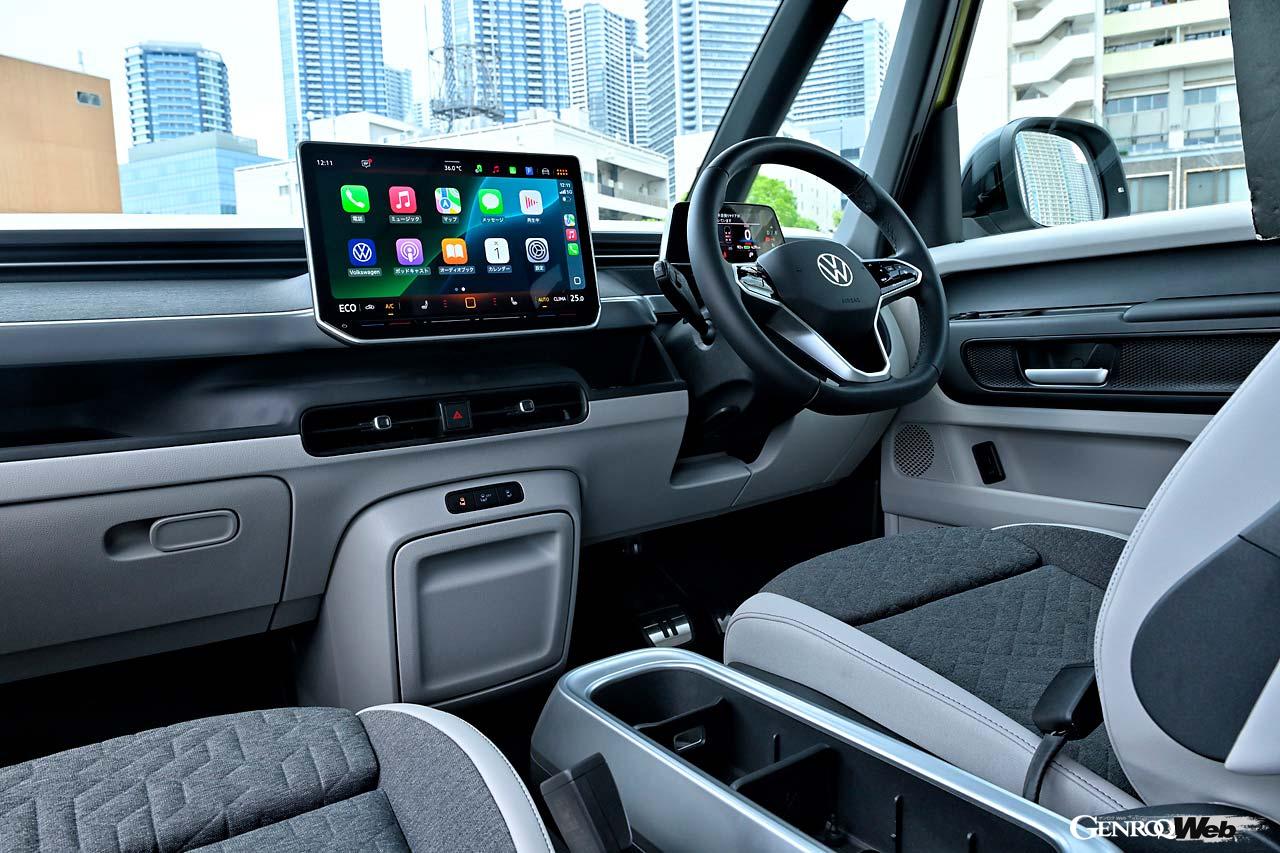
The dashboard is business-like, but the tasteful colors and material arrangements prevent it from feeling cheap. There is no navigation system, but you can use Apple CarPlay or Android Auto.
That said, the interior has a cheap-chic feel, with hard plastics used liberally and regular fabric seats instead of leather. On the other hand, the sturdy construction of the interior parts and the solid thickness of the molded parts are of an over-the-top quality reminiscent of old German cars. This may be due to the fact that VW’s commercial vehicle division was in charge. The so-called “good tool feel” is even better than expected. It’s all about using it as much as you can.
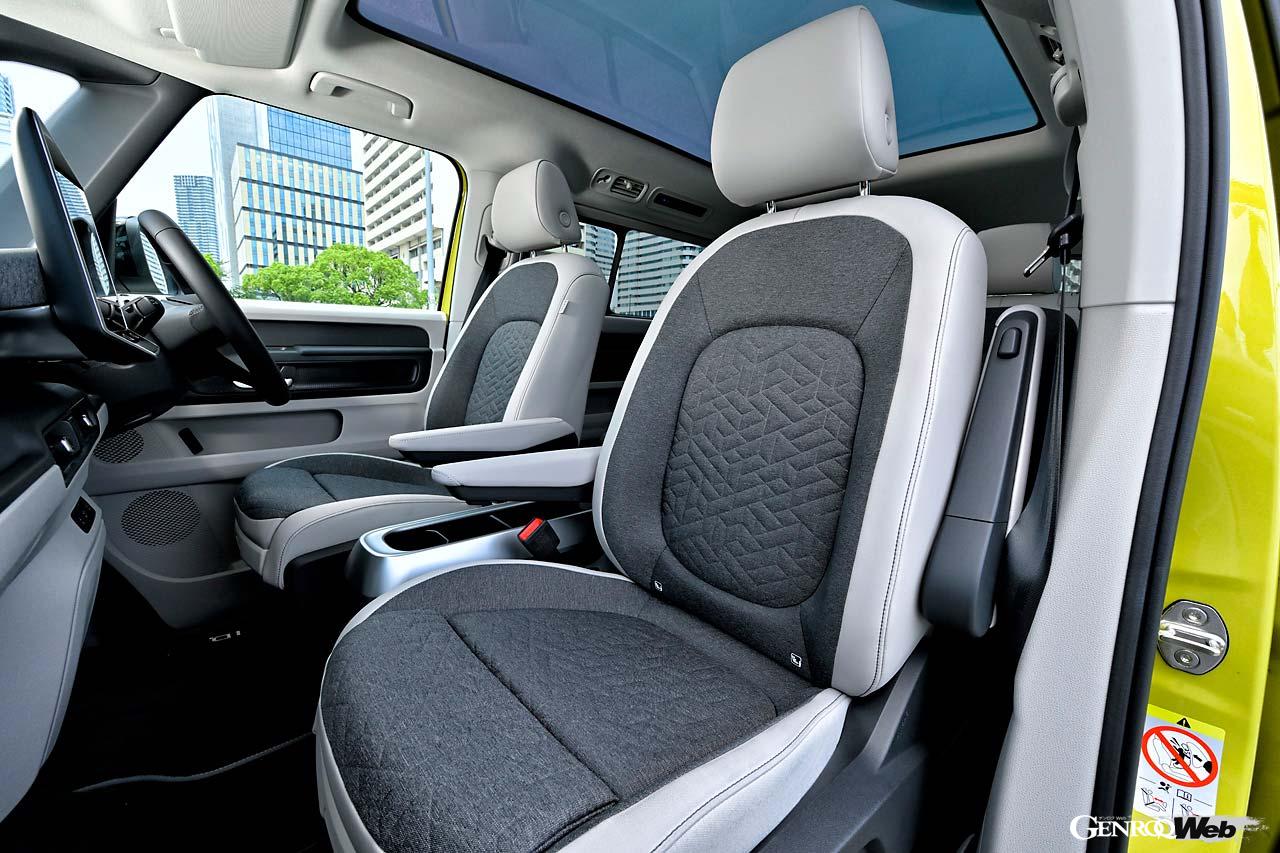
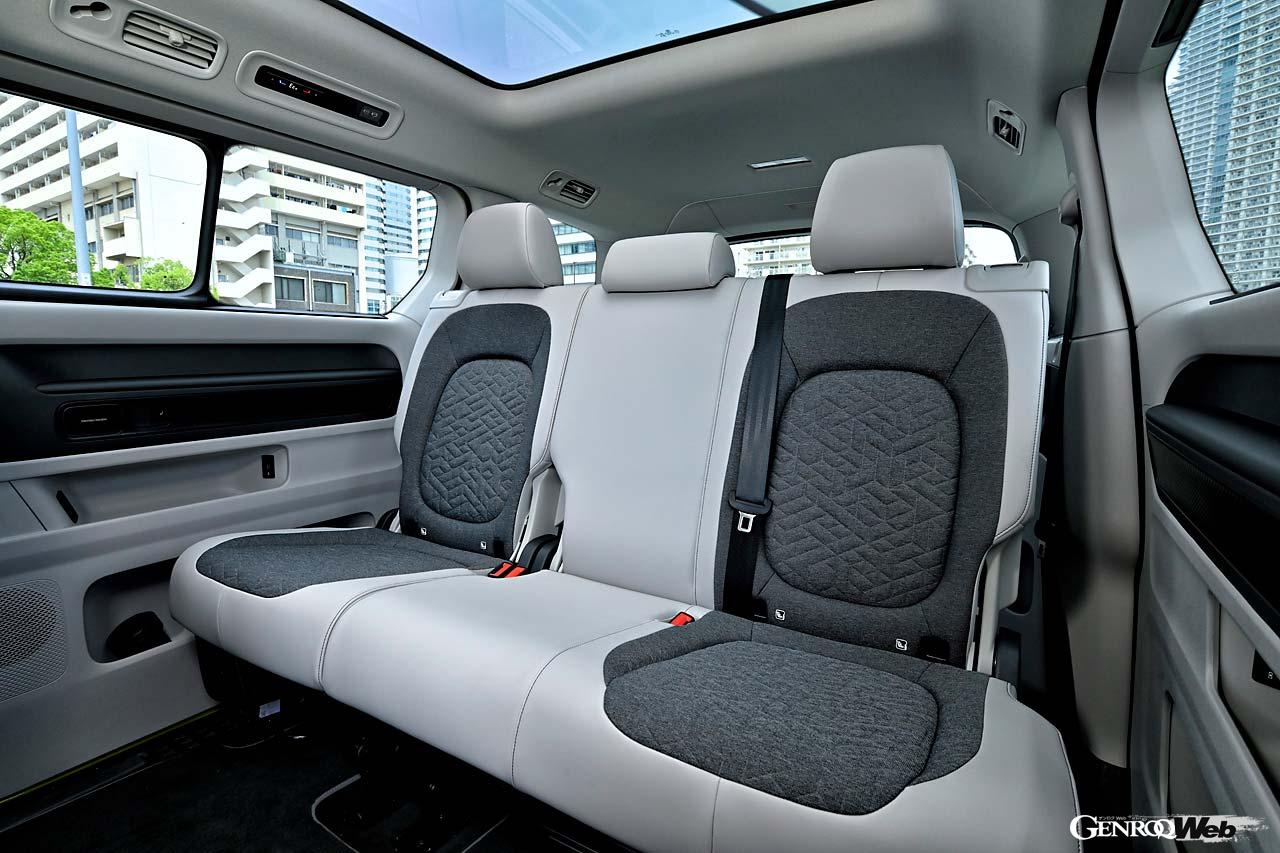
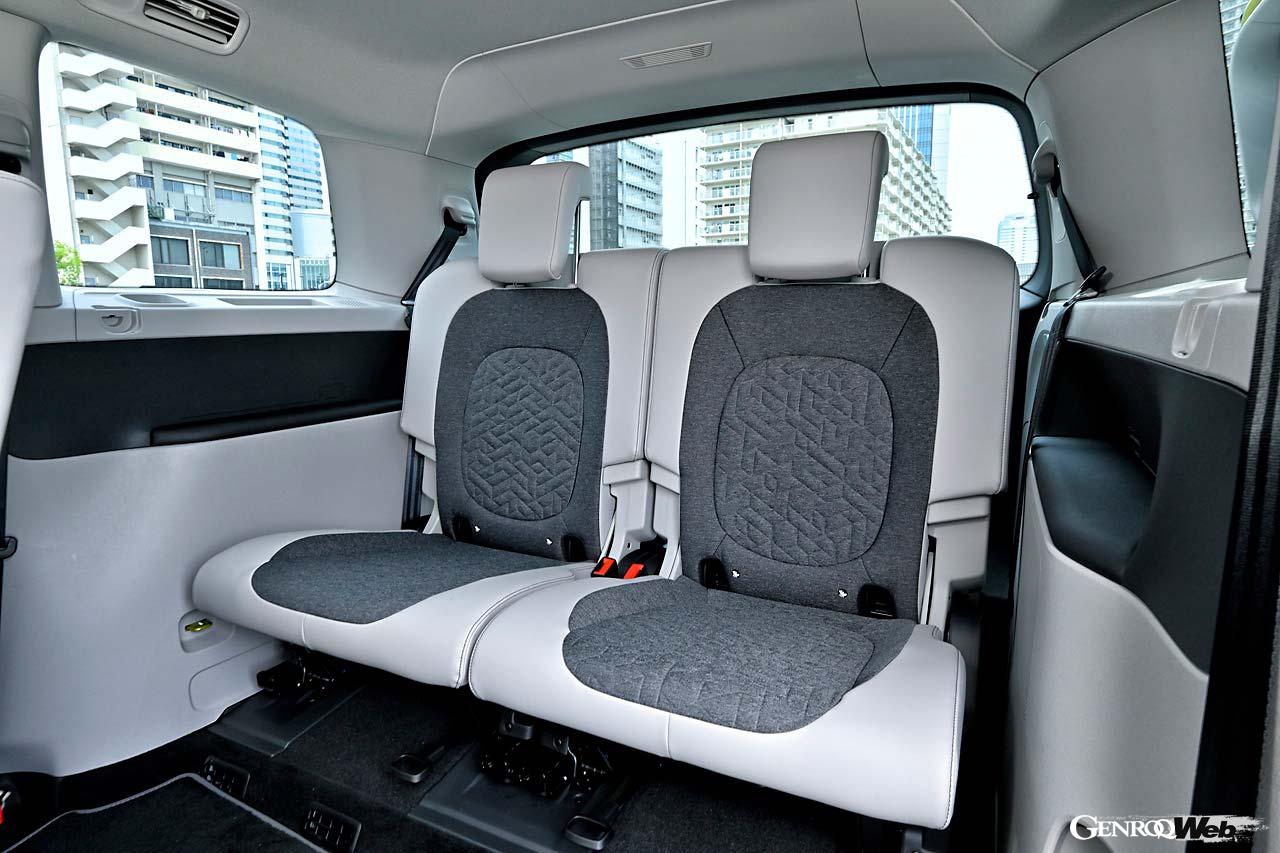
The long-wheelbase model seats seven people in a 2-3-2 layout, with the third row seating spacious enough for adults to sit comfortably. The third row can also be removed. The standard configuration is a 2-2-2 layout with six seats.
What’s impressive about driving around town is the lack of friction in the drivetrain. It’s as if the car is riding on highly precise gears and bearings. Combined with the quietness and the relaxed movement of the body, which weighs over 2.7 tons, the ride feels much more premium than the ID.4.
The power performance has also been tuned faithfully to this ride feel, providing just the right amount of speed that always exceeds expectations just a little when you step on the accelerator. So even if you step on it hard, you won’t experience such intense acceleration that it will send your head spinning. Also, the moment you take your foot off the accelerator, the regeneration doesn’t kick in and cause you to suddenly slow down. Overall, the driving feels similar to that of an internal combustion engine vehicle. However, this is only when “D” is selected on the PRND/B selector. If you want to drive more like an EV, selecting “B” will increase the regeneration, allowing you to drive in a way that is similar to what is known as one-pedal driving.
A car that even embodies the spirit of Type II
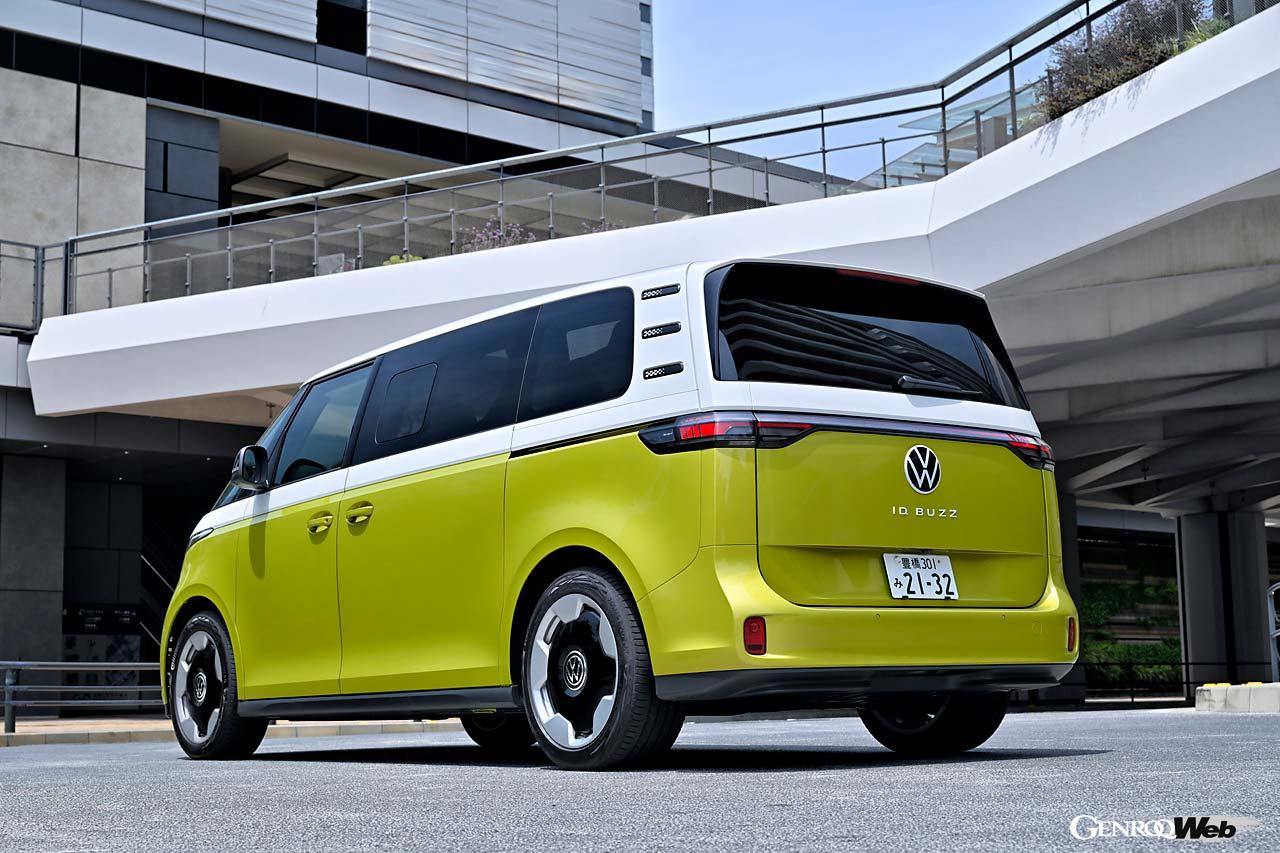
The long model has a wheelbase and overall length that are 250mm longer than the standard model. The front-to-rear weight distribution of the test vehicle is 1,330kg in the front and 1,400kg in the rear, based on the vehicle inspection certificate. It is a little rear-heavy, but the handling makes it easy to ignore.
Handling is natural and free of quirks, thanks to the low center of gravity and good front-to-rear weight distribution (49:51). That said, the car is heavy, so if you get too carried away, there is a lot of understeer, but the suspension isn’t too stiff, so there is little roll. If you drive at a moderate speed, you will be able to enjoy cornering comfortably. I wish the pitching in the front-to-rear direction was a little less, but this is something that you need to observe carefully. As long as you drive normally, you won’t notice it at all.

[1]
[2]

[3]
[1] The glass sunroof is an option included in the Luxury Package (297,000 yen). It can be switched between transparent and translucent with one touch. [2] The charging port is located on the right side of the body and is compatible with standard 200V and rapid CHAdeMO. At the time of rental, the battery was 100% charged and the driving range indicated was 485km. [3] The long model has a spacious luggage compartment with a maximum capacity of 2,469 liters. The luggage board and storage box shown in the photo are standard on the long model and optional on the normal model.
Even so, it’s a very witty product idea to revive a classic car as a modern EV. And it properly inherits the spirit of the Type II. So if you like the shape, you can just buy it. I’m sure you’ll enjoy a car life that exceeds your expectations.
REPORT / Naohide Ichihara
PHOTO / Satoshi Kamimura
MAGAZINE / GENROQ September 2025 issue
SPECIFICATIONS
Volkswagen ID Buzz Pro Long Wheelbase
Body size: Total length 4965mm, total width 1985mm, total height 1925mm
Wheelbase: 3240mm
Vehicle weight: 2720kg
Motor maximum output: 210kW (286PS) / 3581-6500rpm
Motor maximum torque: 560Nm (57.1kgm) / 2100-5500rpm
Drive system: RWD
Suspension type: Front strut, rear 4-link
Brakes: Front ventilated disc, rear drum
Tire size: Front 235/50R20, rear 265/45R20
Maximum speed: 160km/h
0-100km/h acceleration: 7.9 seconds
Vehicle price: 9,979,000 yen
[Inquiries]
Volkswagen Customer Center
TEL 0120-993-199
https://www.volkswagen.co.jp/