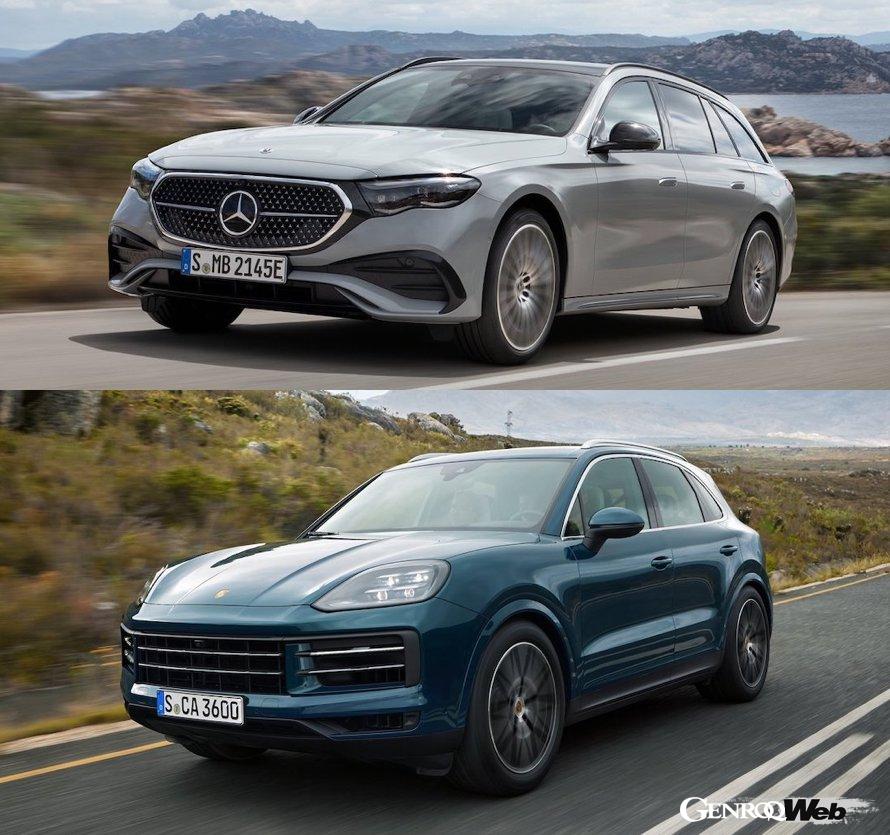

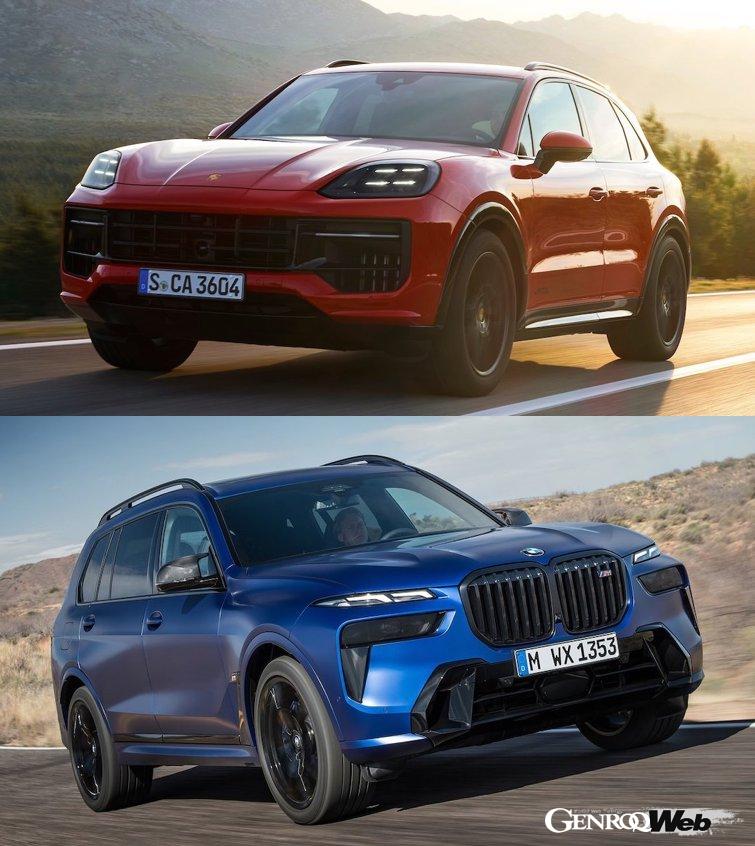

PORSCHE CAYENNE GTS
×
BMW X7 M60i xDrive
Both cars express power, but their personalities are different.
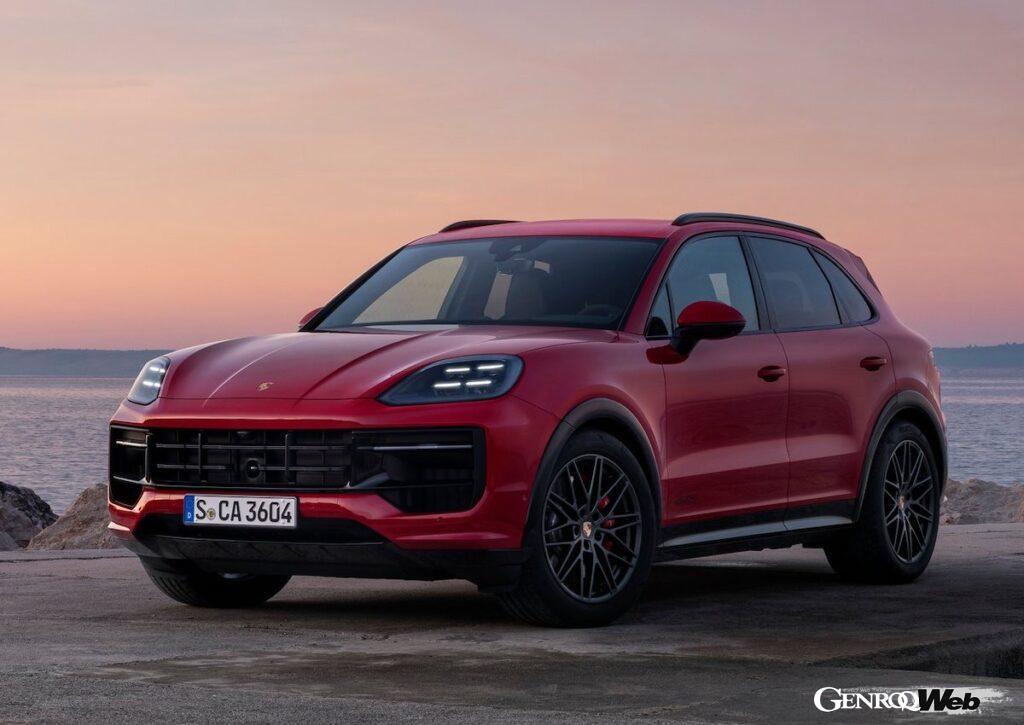
Porsche Cayenne GTS

BMW X7 M60i xDrive
Porsche Cayenne GTS

BMW X7 M60i xDrive
Supercar brands Lamborghini and Ferrari have both added SUVs to their lineups. Of course, their performance is “ultra” high, as their brand image suggests, but it’s said that the Porsche Cayenne was the catalyst that sparked the rise of high-performance SUVs.
The Cayenne has now grown to offer a wide variety of models, just like the 911. Among them, the Cayenne GTS is positioned as a sporty model. This time, we will be comparing the Cayenne with the BMW X7. BMW names its SUV series with the letter “X,” and the following numbers indicate the body and performance. The X7 is the model with the largest body in the X series, and the M60i we will be comparing this time is its high-performance version.
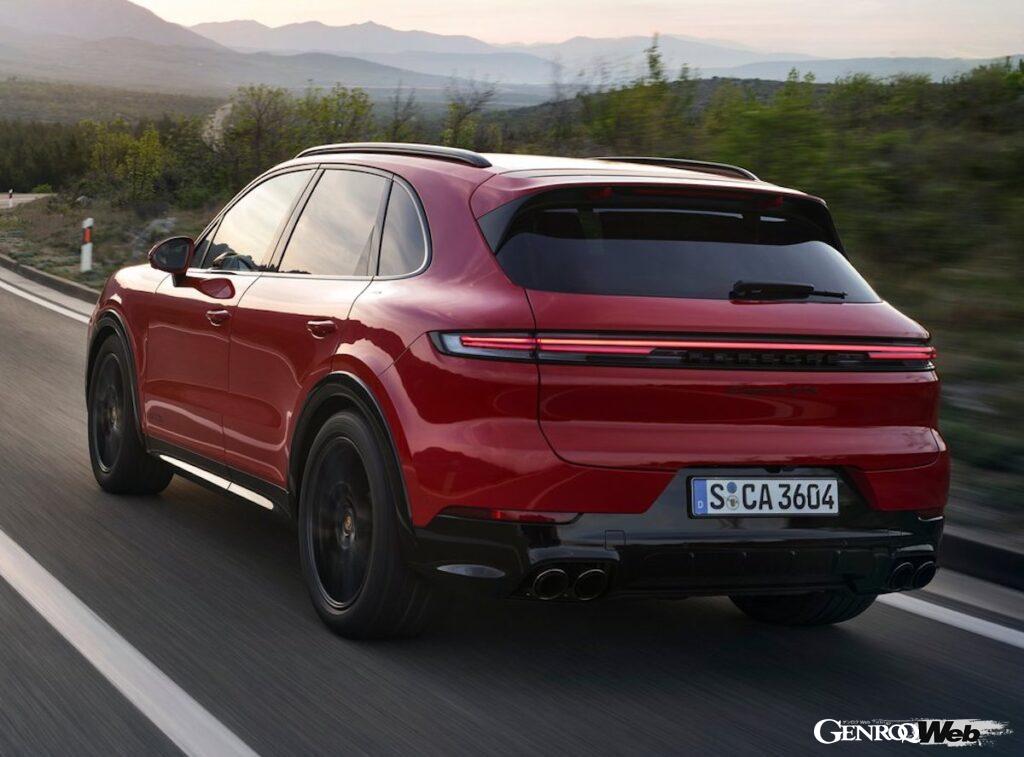
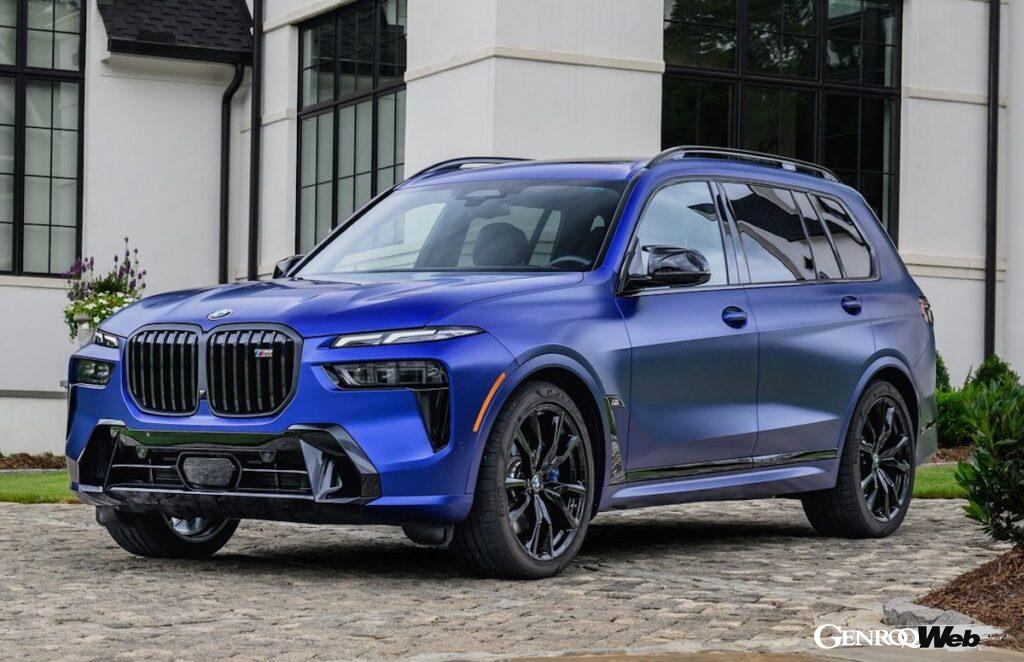
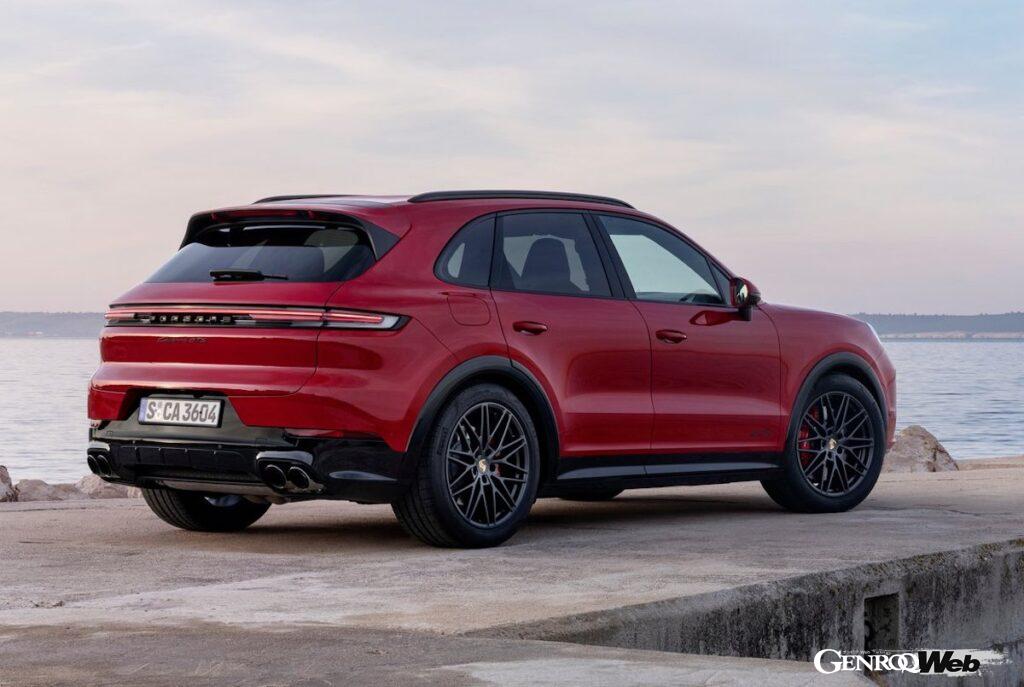
The body designs of the two cars are very different in direction. The Cayenne is a Porsche, after all, and its design prioritizes driving performance and aerodynamics. As long as it’s made by Porsche, it’s inseparable from the sporty image of the 911, for better or worse. On the other hand, the X7 has a square design typical of an SUV, and can be said to prioritize functionality.
The X7’s body size is about twice as large. This is due to the difference in vehicle class between the Cayenne and the X7. If you think of the X7 as an SUV version of the 7 Series, this size makes sense. Furthermore, the X7 has three rows of seats, allowing it to seat six to seven people. The difference in body size is also reflected in the weight of the vehicle. The Cayenne is about 400 kg lighter, which also shows that the Cayenne is more sporty.
Porsche Cayenne GTS
Body size = Length 4930mm x Width 1983mm x Height 1674mm
Wheelbase = 2895mm
Vehicle weight = 2190kg
Tire size = 285/45ZR21 (front) / 315/40ZR21 (rear)
BMW X7 M60i xDrive
Body size = Length 5170mm x Width 2000mm x Height 1835mm
Wheelbase = 3105mm
Vehicle weight = 2610kg
Tire size = 275/40R22 (front) / 315/35R22 (rear)
The X7 is more powerful due to its displacement.

Porsche Cayenne GTS
BMW X7 M60i xDrive
Porsche Cayenne GTS

BMW X7 M60i xDrive
Both cars are equipped with large-displacement twin-turbo V8 engines, but the X7 has a larger displacement and therefore more power than the Cayenne.
The most noticeable difference, even more than power output, is torque. The X7 has 90Nm more torque, and it comes at a lower rpm. This means you don’t have to press the accelerator as hard to get good acceleration. This is likely a result of dealing with the larger, heavier body.
Porsche Cayenne GTS
Engine type = V8 DOHC twin turbo
Displacement = 3996cc
Maximum output = 500PS/6000rpm
Maximum torque = 660Nm/2100-4500rpm
Transmission = 8-speed AT
Drive system = AWD
BMW X7 M60i xDrive
Engine type = V8 DOHC twin turbo
Displacement = 4394cc
Maximum output = 530PS/5500rpm
Maximum torque = 750Nm/1800-4600rpm
Transmission = 8-speed AT
Drive system = AWD
The high value of the X7 shines through

Porsche Cayenne GTS
BMW X7 M60i xDrive
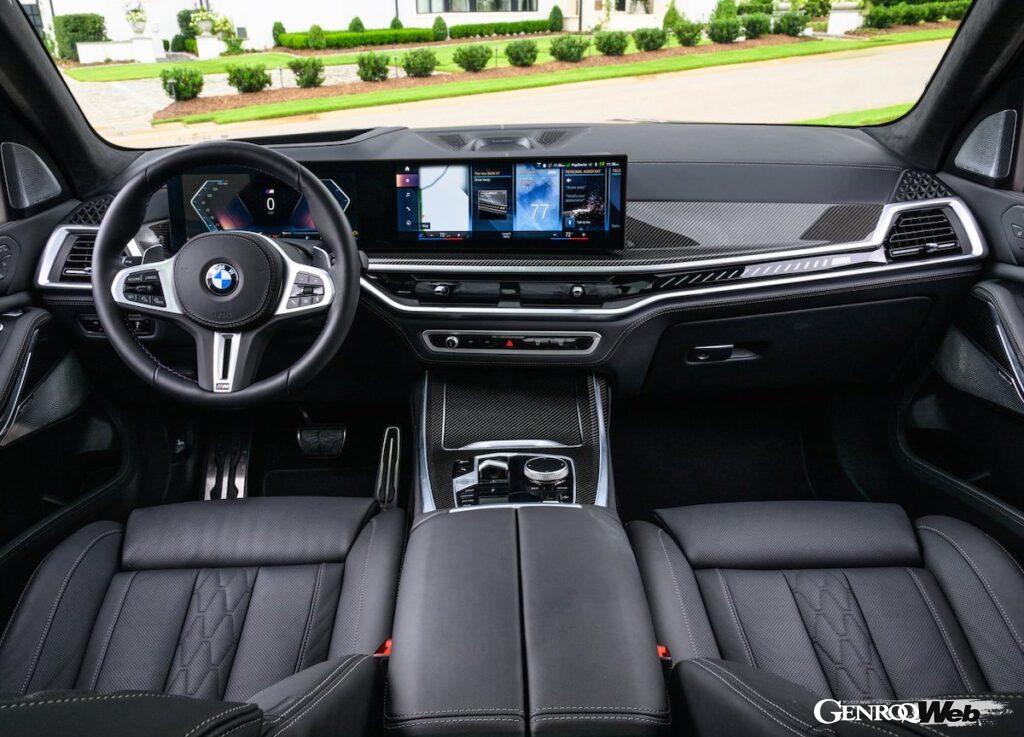
There is a difference of about 1 million yen between the two cars, but considering the price range of 20 million yen, the difference can be said to be small. However, as is typical of Porsche, the Cayenne has a wide range of optional equipment available, and if you build your preferred specifications, the actual purchase price will easily exceed 20 million yen.
On the other hand, the top-grade M60i of the X7 comes standard with a fair amount of luxury equipment. Considering this, the X7, which can also accommodate multiple passengers, may seem more reasonable.