
PORSCHE Cayman EV
A style reminiscent of the “718” but with an EV feel

[1]

[2]
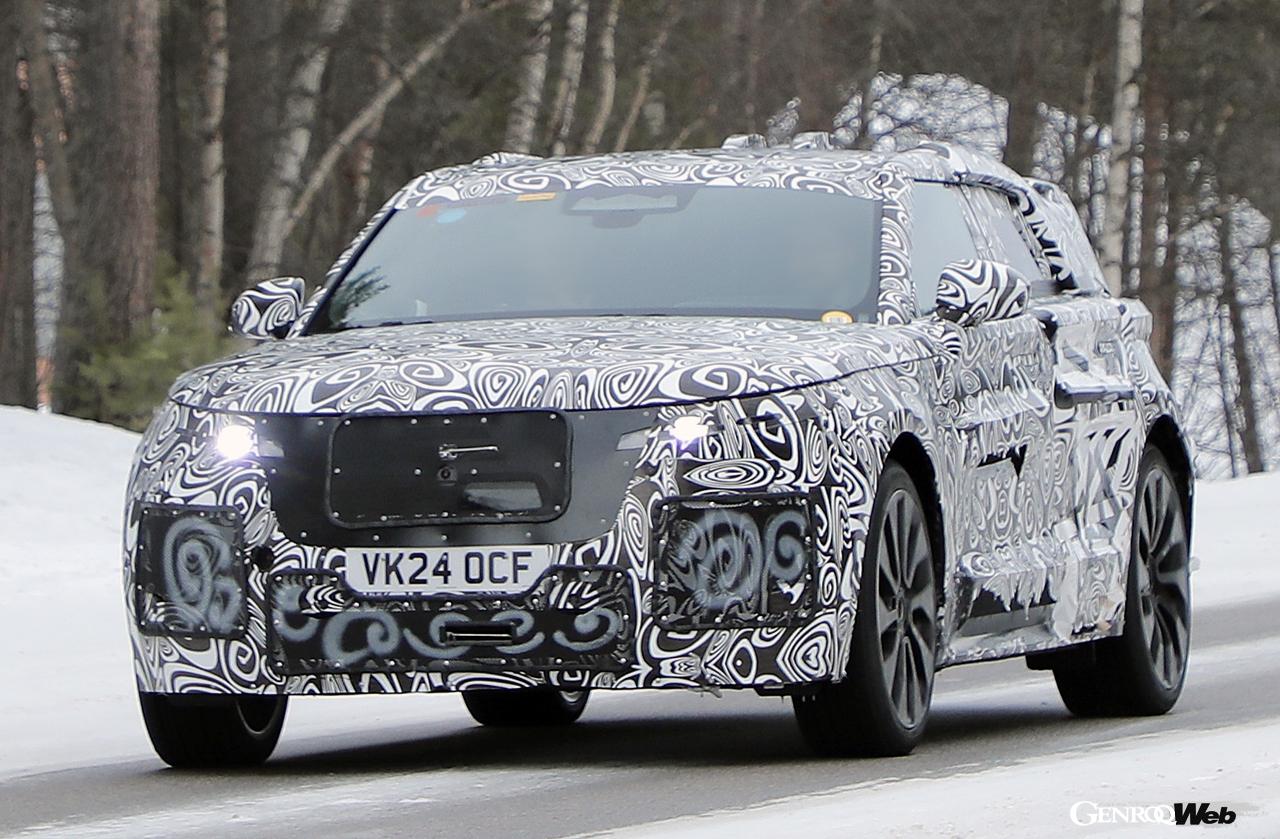
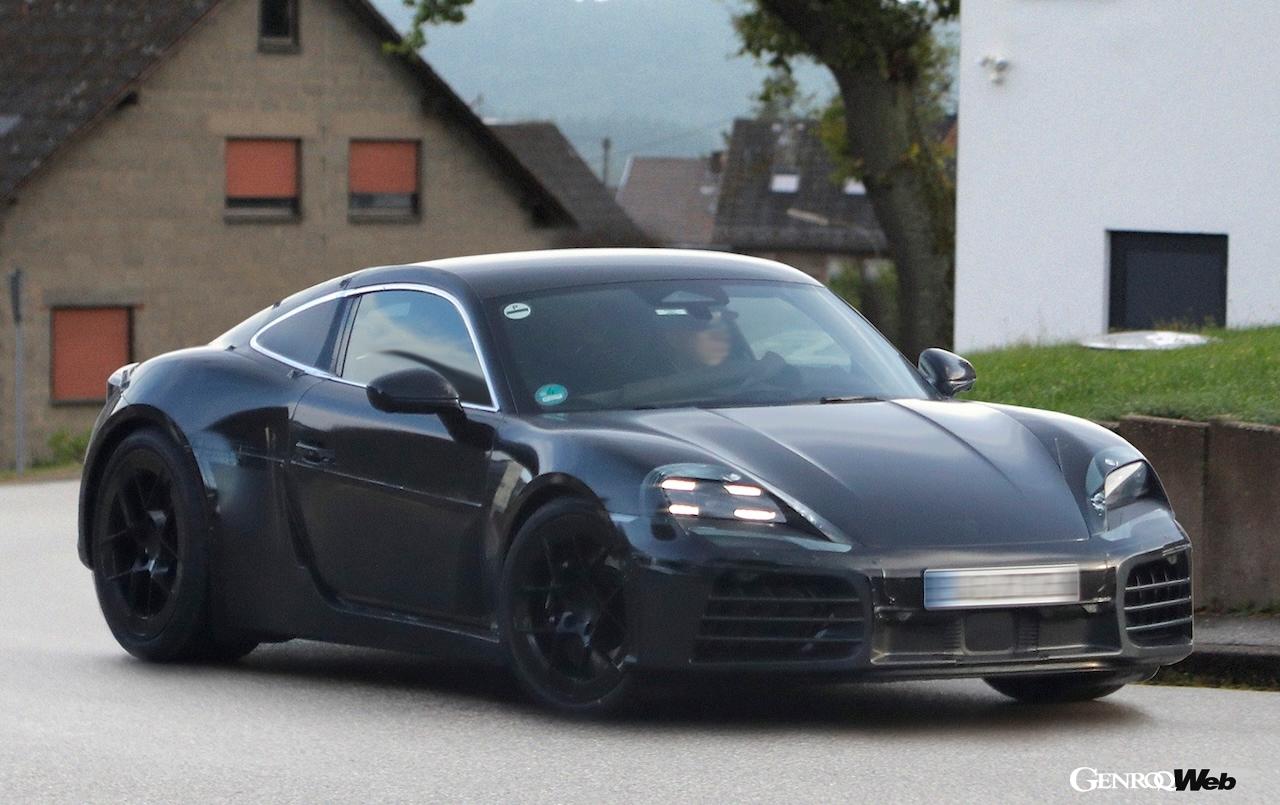
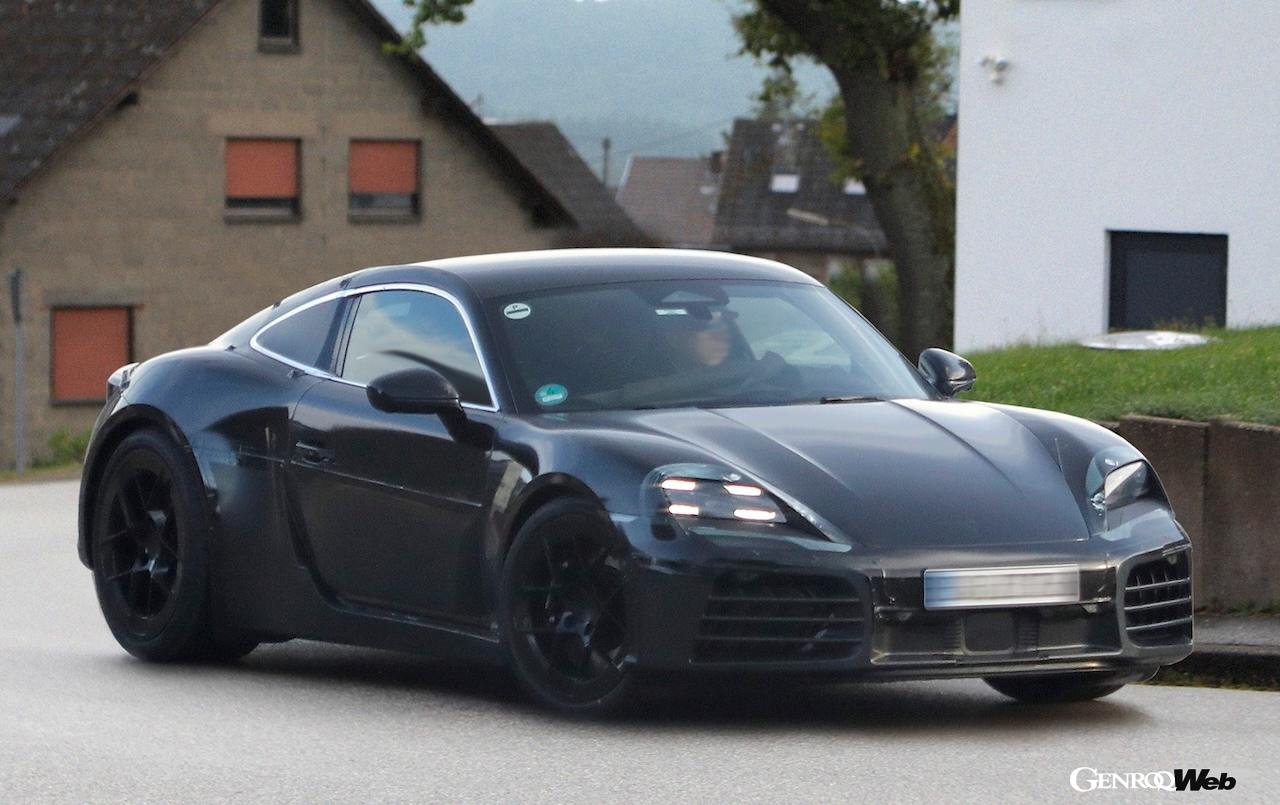
[1] The exterior design is likely to retain the classic impression of the 718, such as the low body line. [2] The front end seems to incorporate Porsche’s latest design language.
The next-generation Porsche Cayman’s exterior design appears to be a modern interpretation of the classic 718 silhouette, featuring sleek lines, a low stance, and aerodynamic treatments designed to improve energy efficiency and performance. While the overall shape will be familiar, the EV is likely to incorporate design elements that differentiate it from its engine-powered predecessor, such as an enclosed front grille and unique light signature.
Looking at the front end, the air intakes on both sides of the bumper are equipped with horizontal bars, which are thought to be dummies, and vertical louvers can be seen behind them, which look very similar to the active flaps on the new 911 GTS Hybrid.
On the side, slim intakes can be seen at the front of the rear fenders. The shape of the rear quarter windows is cleverly hidden, making the production model’s design unknown. The liftback panel is entirely made of glass, and the hatch appears to extend from the roof to the tip of the active spoiler. Vertical brake lights will likely be placed at the top of the hatch, and the “PORSHCE” logo will be located between the LED taillights.
Dual motors enable 0-100 km/h in under 3 seconds

[3]

[4]
[3] A digital cockpit with a large infotainment display will provide access to a wide range of features. [4] The car will be powered by an advanced lightweight battery pack that will maintain the agility and responsiveness that is characteristic of the Cayman.
The Cayman EV will be equipped with a cutting-edge electric powertrain, reportedly aiming to maintain the driving dynamics of the 718 while using a lightweight, energy-dense battery pack. While details have not been released, the dual-motor configuration will enable all-wheel drive, and we expect it to accelerate from 0 to 100 km/h in under three seconds.
The world premiere was originally scheduled for 2025, but the latest information suggests that it may be delayed by nearly a year. Rumors are that some modifications have been made to the powertrain and battery.











![Will the Mercedes-Benz C-Class Station Wagon undergo a minor change next year? [Scoop!]](https://wheelfeed.com/wp-content/uploads/2025/04/2057-1761193250561.jpg)