

Porsche 911 Cup (992.2)
The latest racing car based on the 992.2
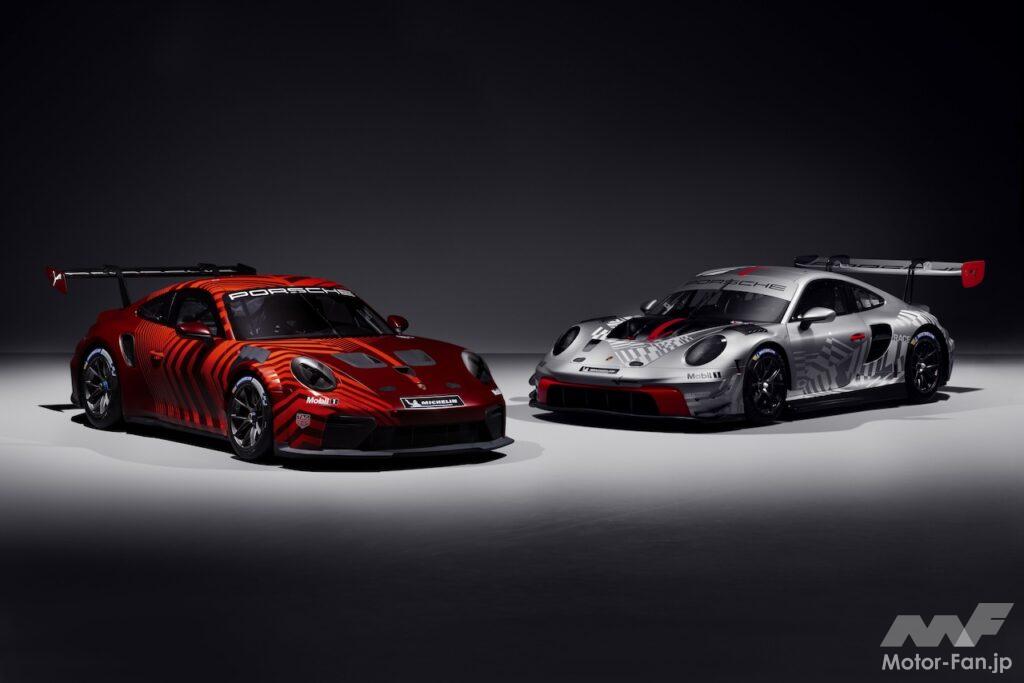
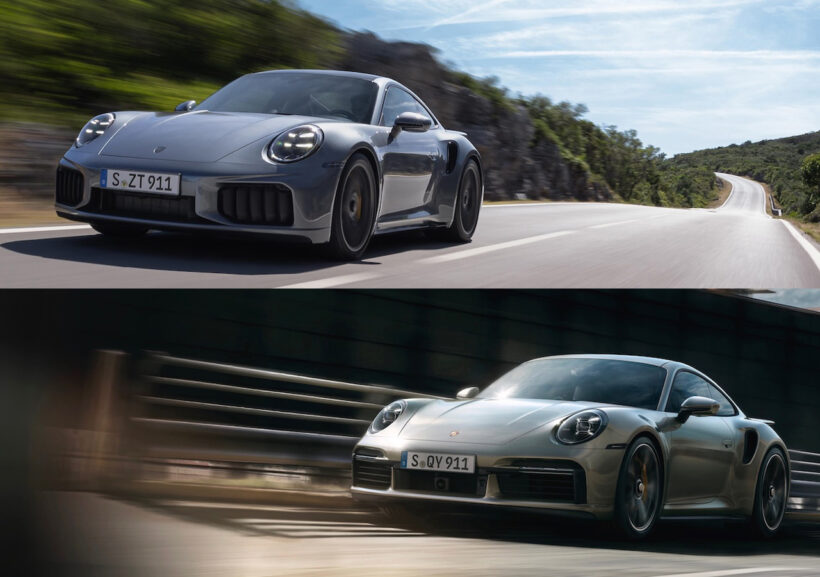
The 911 Cup (left) and 911 GT3 R (right) will be developed by Porsche based on the 992.2 model and introduced in 2026.
Porsche has unveiled the latest specifications of the 911 Cup, a one-make racing car developed for the Porsche Supercup, Carrera Cups around the world, and Porsche-sanctioned racing series. This new racing car is scheduled to take to the grid from the start of the 2026 season. The new 911 GT3 R for the GT3 category was also unveiled.
The highly acclaimed design of the previous model has been further developed, and numerous improvements have been made based on the latest 992.2 model. This development focused on improving circuit performance, optimizing participation costs, and simplifying operation for drivers and teams. The 4.0-liter horizontally opposed 6-cylinder naturally aspirated engine delivers a maximum output of 520 PS, 10 PS more powerful than the previous model. The price has been set at 269,000 euros (excluding tax).
Porsche has also changed the name of its new racing car for one-make series from “911 GT3 Cup” to “911 Cup.” Porsche has decided to simplify and standardize the naming system for its customer racing cars, and only vehicles in multi-manufacturer racing series or for specific segments will use the “GT” plus numbers in their names.
1,130 units of the previous model were delivered worldwide
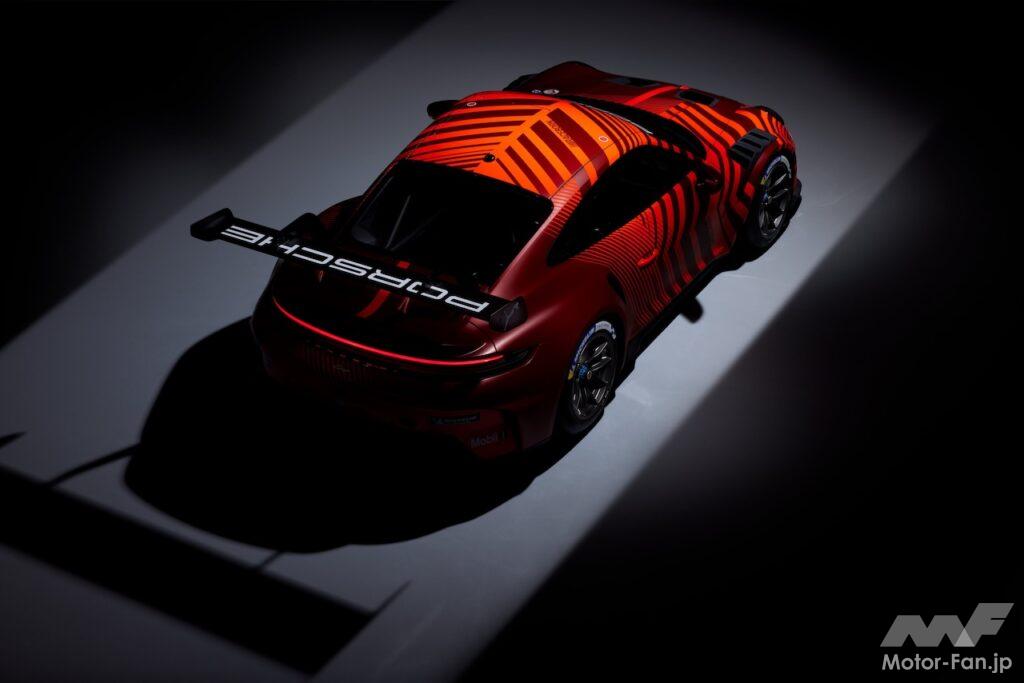
As before, the new 911 Cup will be produced alongside the production car at the company’s headquarters in Zuffenhausen. 1,130 units of the previous 911 GT3 Cup were built.
The 911 Cup was developed based on the road-legal 911 GT model and is produced alongside the production car at Porsche’s Zuffenhausen headquarters. Since production began at the end of 2020, 1,130 of the currently active 911 GT3 Cups have rolled off the production line and been delivered around the world.
Thomas Lautenbach, Vice President of Porsche Motorsport, commented on the new 911 Cup:
“Like its hugely successful predecessor, the new 911 Cup will push the boundaries even further. It combines the production specifications of a GT sports car with racing technology to create a coherent, performance-focused concept.”
“Driving a 911 Cup has always been a big challenge, and we want to maintain that challenge, as the Cup car also serves as a training platform for Porsche Junior. The success of this concept has been great in many races.”
Three-part front spoiler lip
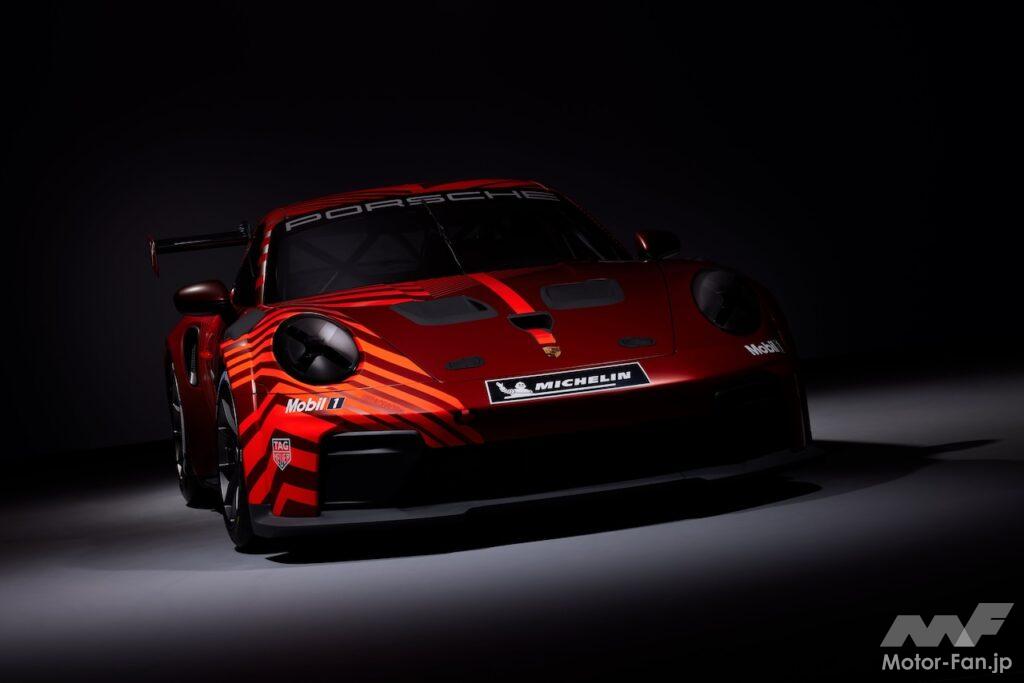
A three-piece front spoiler lip has been introduced, making it possible to replace only the damaged parts.
The new 911 Cup has a completely new exterior compared to the previous model. The front section reflects the design of the 992.2 911 GT3, and the front spoiler lip is made up of three separate parts. This makes it possible to replace only the damaged part even in the event of contact during a race. Daytime running lights have also been abolished.
The fenders feature integrated louver vents, optimizing airflow in the wheel arches and increasing downforce levels around the front axle. Like the base model, the underbody shape has also been updated, with turning vanes positioned behind the front wheel arches improving the aerodynamics of the front section. These aerodynamic advancements significantly improve front-end responsiveness, especially at high speeds.
The rear section has been completely redesigned, with the swan-neck rear wing now featuring improved wing supports and connections for easier positioning. The engine compartment cover has also been redesigned and, like almost all body components, including the doors, is now made from a combination of recycled carbon fiber felt and bio-based epoxy resin.
4.0-liter boxer 6 engine with a maximum output of 520 PS

The car is fitted with a 4.0-liter horizontally opposed 6-cylinder naturally aspirated engine that produces a maximum output of 520 PS, 10 PS more than the previous model.
The 4.0-liter horizontally opposed 6-cylinder naturally aspirated engine was developed based on the power unit used in the 911 GT3. To achieve a maximum output of 520 PS, a new throttle valve and a camshaft with extended valve opening were introduced. This update eliminates the need for a throttle valve, making it possible to install an air restrictor, which is required for participation in other motorsport championships.
Despite the 10PS increase in power, the engine lifespan remains the same, with a recommended overhaul after 100 hours of track use. Three exhaust systems are available to meet different noise regulations depending on the race series, circuit and local regulations.
Previously, engine speed was limited to 6,500 rpm during a standing start, but now it is increased, and an automatic engine restart mechanism has been newly adopted. This means that even if the driver accidentally stops the engine, the engine will restart the moment the clutch pedal is pressed. In addition, a stroboscope function has been added to the brake lights instead of the previous hazard lights. This provides a clear warning to following vehicles, especially during the start process.
Cockpit with greatly improved operability
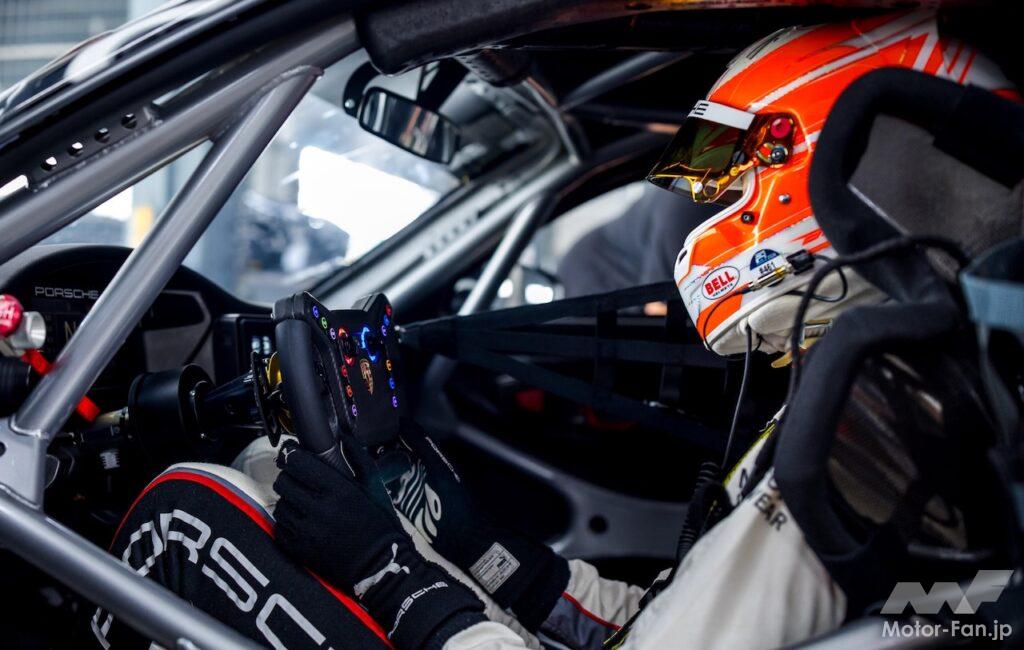
The cockpit features a new steering wheel and central control panel, significantly improving maintainability for both the driver and the team.
The cockpit has been simplified for operation during races and in the pits. The redesigned multi-function steering wheel not only has an attractive design, but also significantly improves operability. ABS and traction control can be adjusted via a centrally located rotary control. Newly introduced color-illuminated control buttons have been improved for improved visibility.
The central control panel, located next to the seat, can be easily operated by the driver even during a race. The number of physical switches has been reduced from 10 to 8, and by pressing the button on the bottom right, an additional menu page appears on the display. Various settings can now be adjusted from inside the car, such as pit lane speed, exhaust mapping, and steering angle reset. This eliminates the need for a laptop connection, simplifying the work of race engineers.
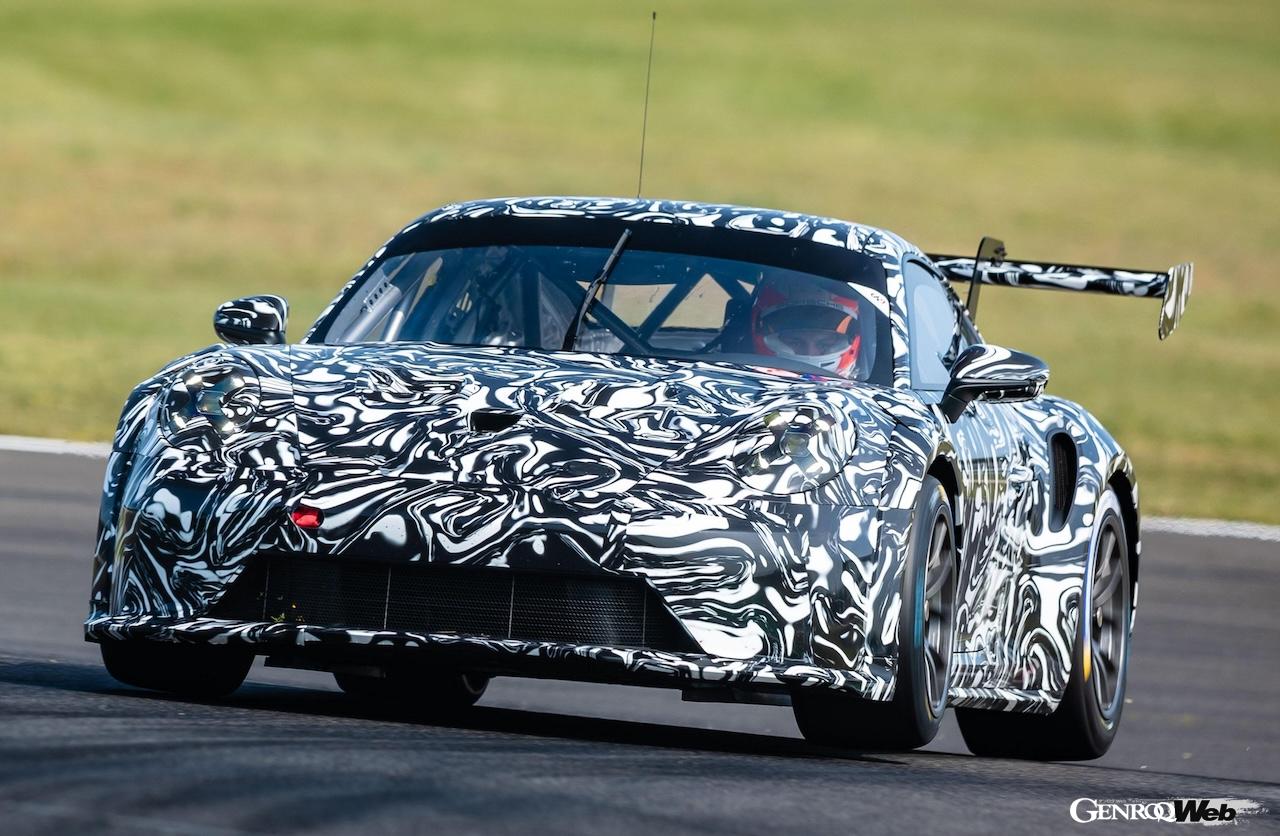
In developing the new 911 Cup, Porsche Motorsport once again partnered with Michelin to develop a new generation of tires for the one-make series. Field tests were carried out at Monza in Italy, the Lausitzring in Germany, and at Porsche’s Weissach Development Center. Matthias Scholz, Director of GT Racing Cars, had this to say about the new 911 Cup:
“The new 911 Cup stands out even more thanks to meticulous attention to detail. It is stronger, faster and incredibly practical. Despite the increased performance, component lifespans have remained the same and in some cases have even been extended. Another highlight is the high proportion of recycled materials used. Cockpit operation has also been optimised, and various levels of electronic functionality have been added to expand the car’s compatibility with different racing formats.”










![Toyota Racing to compete in the 2026 WEC, unveiling improved TR010 Hybrid [Video]](https://wheelfeed.com/wp-content/uploads/2026/01/4737-1768026226045.jpg)