

The negative cycle swirling in the German auto industry
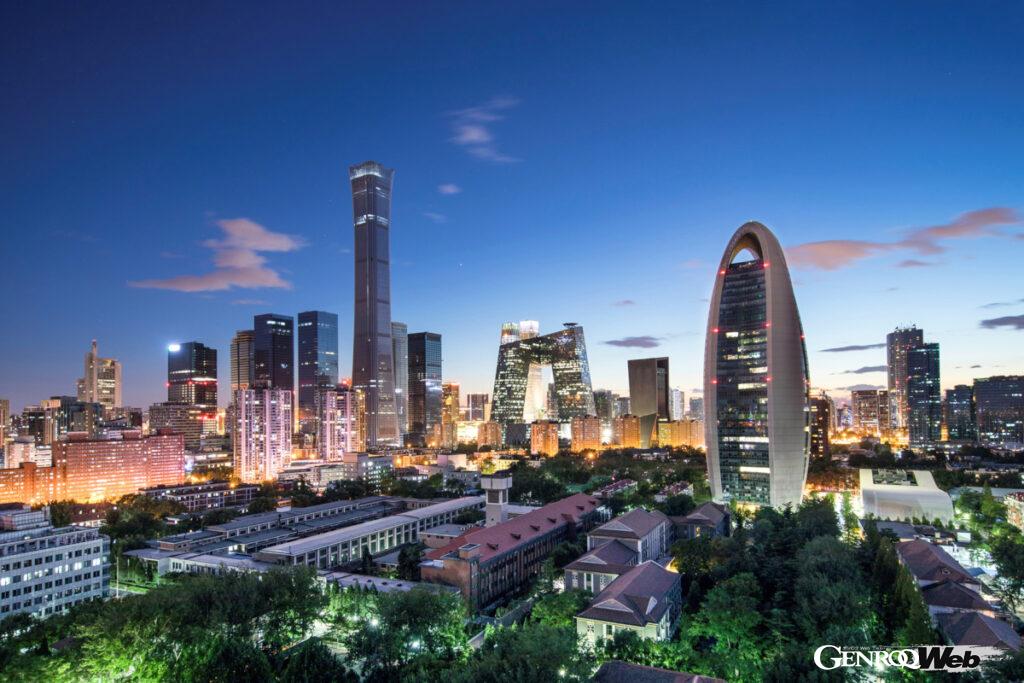
2024 Auto China Show. (Photo / Mercedes-Benz AG)
Although there were gradual signs of a recession up until around 2023, German automakers were still booming, and I remember that full-time employees, especially those at the Big Three and Porsche, were feeling particularly pleased with the big year-end bonuses they received. However, from around the middle of 2024, the economic boom of the previous year began to show signs of uncertainty, and reports of various companies struggling began to surface.
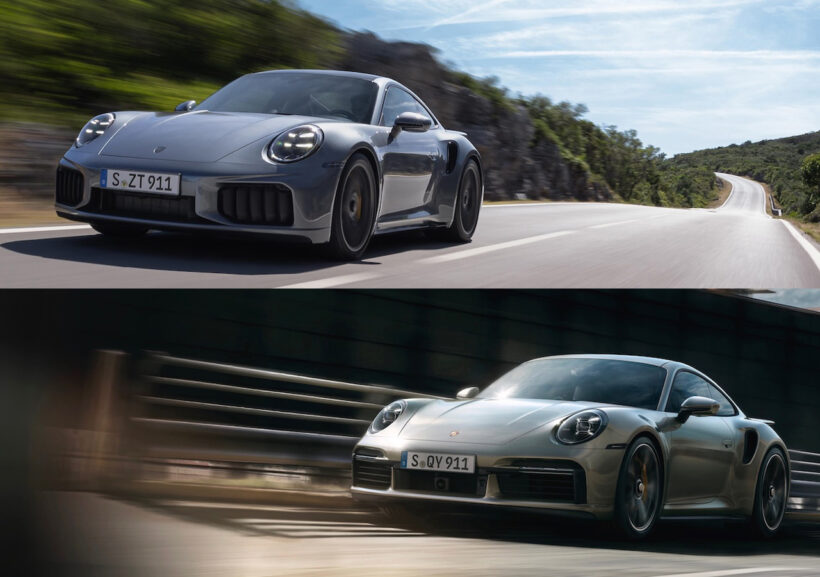
In Japan, the dissolution of merger talks between Nissan and Honda has been widely reported, but it is no exaggeration to say that this issue is not limited to Japanese manufacturers; it also applies to all German manufacturers, including Audi and Porsche of the Volkswagen Group, BMW, the Daimler Group of Mercedes-Benz, Opel, and Ford of Germany. Companies that support automakers, such as ZF, Continental, Bosch, and Schaeffler, and ThyssenKrupp, the major steel manufacturer and parent company of Bilstein, have announced large-scale restructuring, and last August even world-famous manufacturers such as BBS and Recaro went bankrupt or declared bankruptcy, which is heartbreaking.
The slump in sales of automakers has also had an impact on their suppliers and subcontractors, casting a large shadow over the auto industry, which is a major supporter of the country’s economy, and this negative cycle is expected to worsen further this year.
China was a “money tree”…
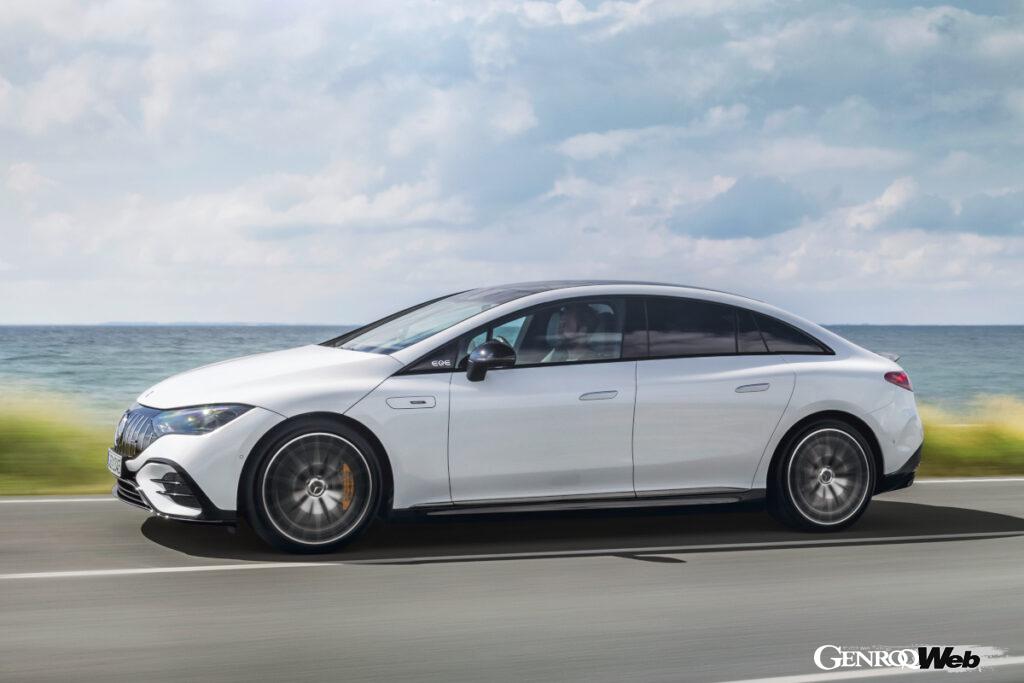
Mercedes-AMG EQE 53. (Photo / Mercedes-Benz AG)
This is just one example, but it’s the story of German-made EVs in the Chinese market, where sales across the board slumped in 2024. The drop in sales of Mercedes-Benz’s EQE Sedan in China from mid-2024 was particularly severe. Sales of the EQE Sedan in China totaled 921 units in January 2023, but in July 2024, sales fell to just nine, in August to two, and in September, a slight recovery to seven, before the problematic October figure of zero… The drop is astonishing. Furthermore, sales of German manufacturers in the Chinese market, not just EVs, have plummeted. When I spoke to someone working at Mercedes-Benz headquarters in Stuttgart, I was told that “officially, sales have been intentionally suspended,” but what exactly is happening in a business that targets China’s wealthy, who place a high value on brand power?
Under the policies of former German Chancellor Angela Merkel, Germany greatly praised China, and all manner of German companies flocked to Germany. German automakers also built factories to develop and manufacture models targeting the wealthy Chinese, a “cash cow” that had experienced rapid economic growth, and invited many Chinese people to Germany. As a result, Chinese manufacturers headhunted, or poached, the best engineers and executives from German automakers.
However, things did not go as smoothly as expected. We have seen and heard that German automakers’ engineers who were poached or lured by big money have started returning to their old jobs since last year, suggesting that the signs of China’s economic downturn may already be on the horizon. Japanese automakers closed or withdrew from Chinese factories earlier than German manufacturers. To protect its own factories and employees, it may also be important for Germany to give up on the Chinese market to some extent.
The impact goes beyond automakers
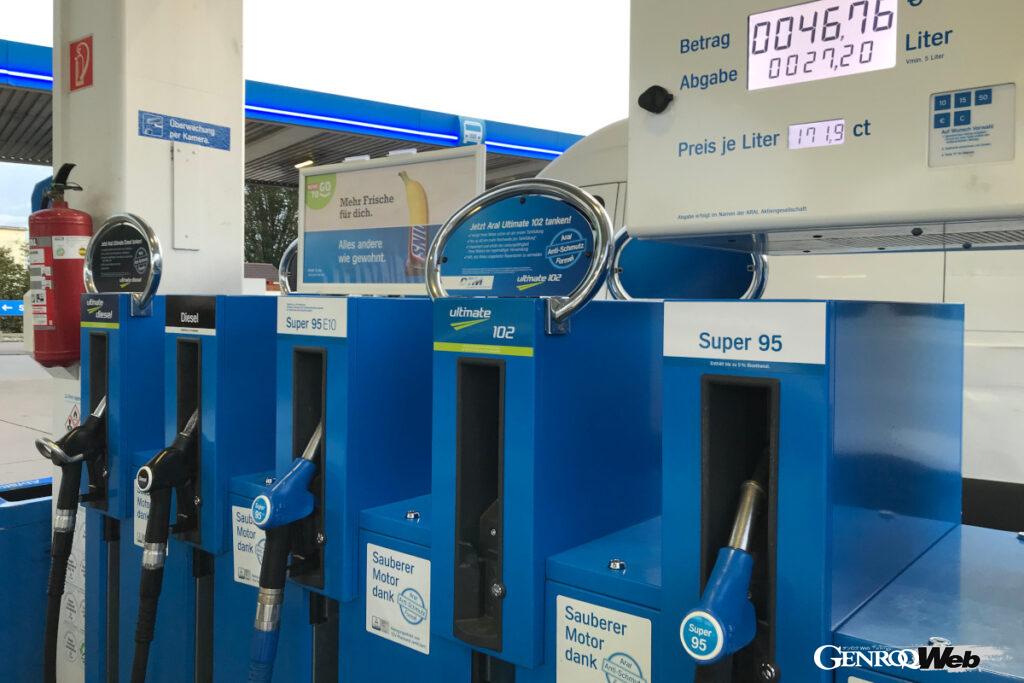
Gasoline prices in Germany are also steadily rising. (photo / GENROQ)
Germany, which relies heavily on the Chinese market, is facing a tough situation for its automobile and automobile-related companies due to the impact of the Chinese economic downturn. Given Germany’s current situation, it is unlikely that the country will see a V-shaped recovery by 2025, and the future is uncertain. Furthermore, gasoline prices, which had fallen slightly since mid-2024, have been announced to rise again in 2025, and further increases in various energy prices have also been announced, so it is easy to imagine that this will deal an even greater blow to the German economy.
The severe recession that is hitting Germany is not limited to automobile manufacturers, but is also affecting a wide range of industries, including the apparel and food service industries. Severe inflation and rising energy prices are putting pressure on businesses, and even major chain stores are being forced to close. It is not pleasant to see the increasing number of vacant stores in large shopping centers in the city and suburbs, a scene that is so symbolic of the recession.