
Rolls-Royce Phantom Goldfinger
1937 Phantom III Sedanca de Ville
An homage to the villain Goldfinger’s car
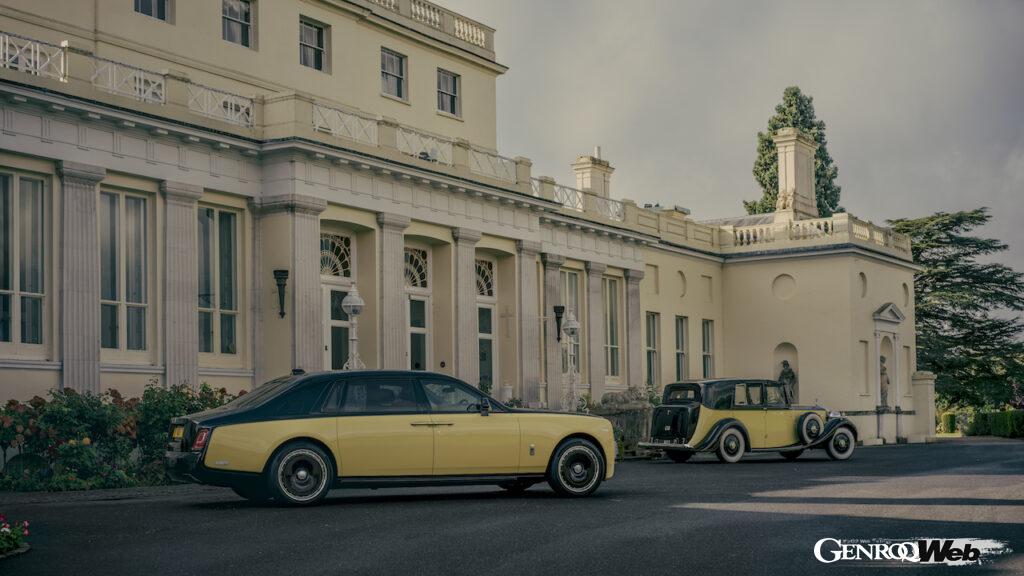
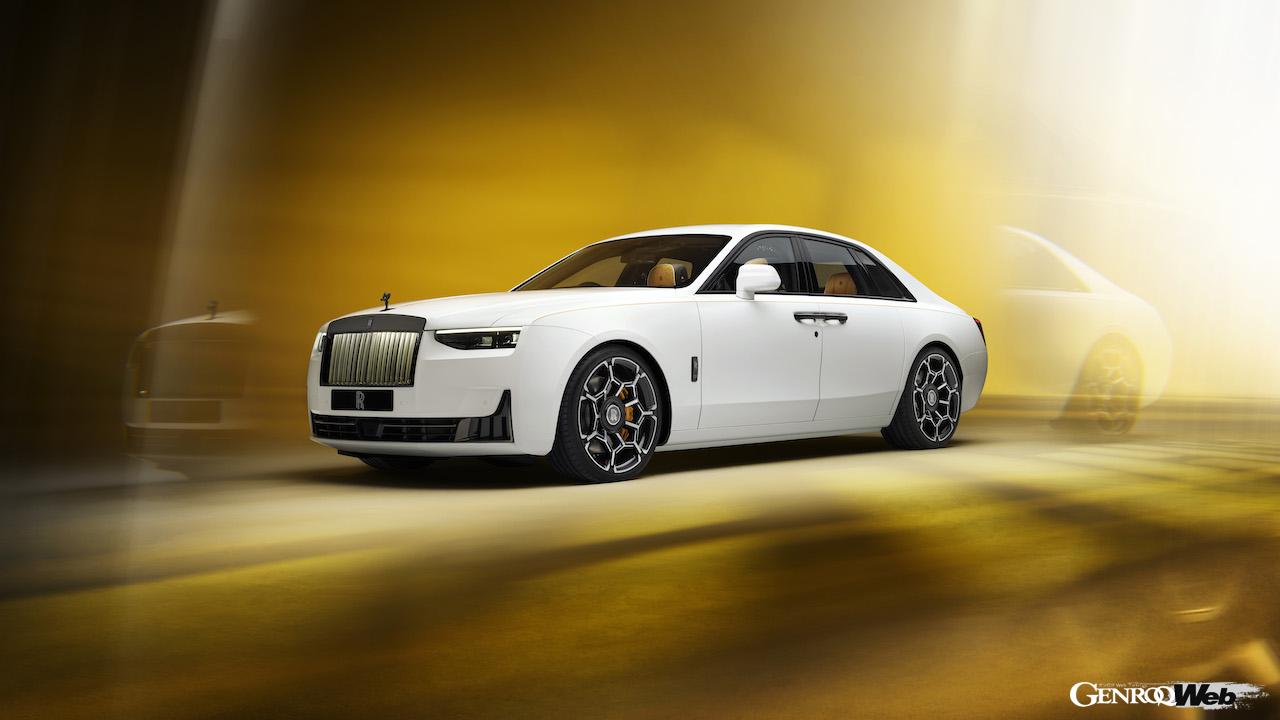
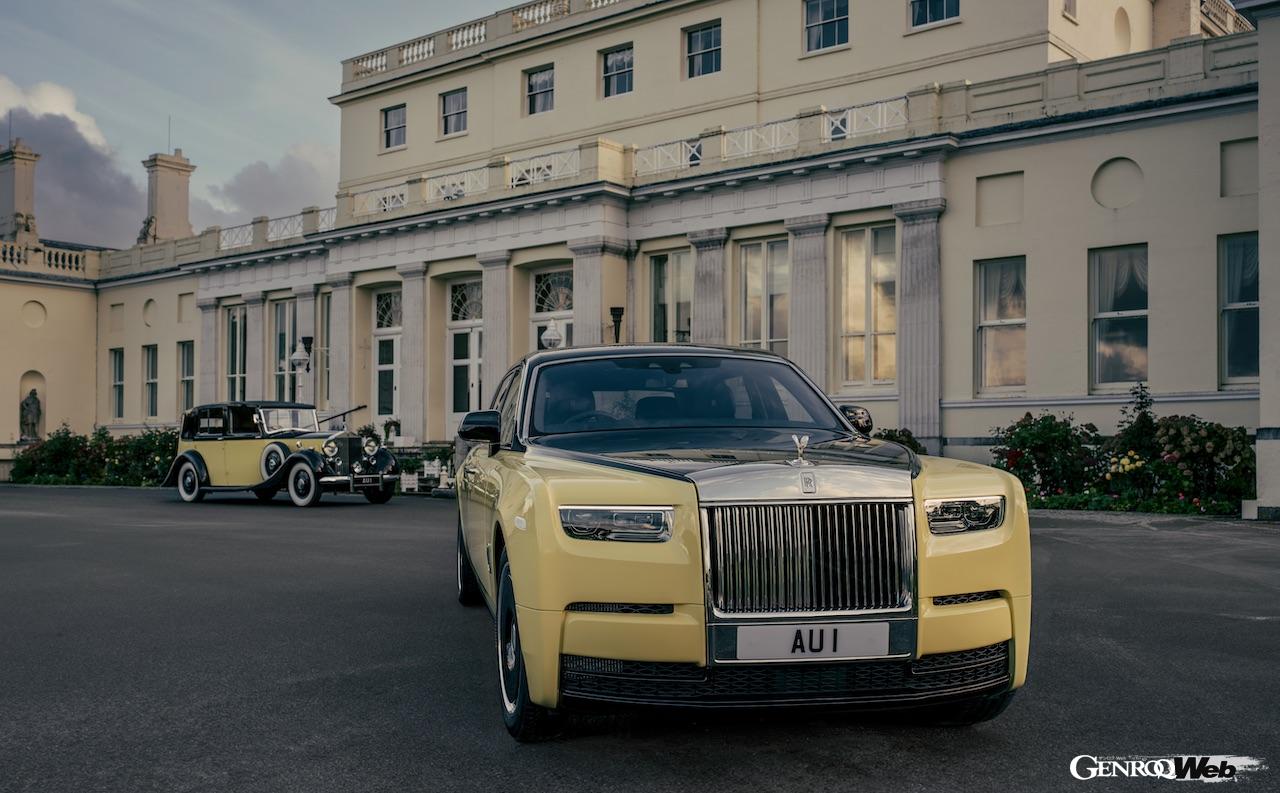
The Rolls-Royce Phantom Goldfinger pays homage to the 1937 Rolls-Royce Phantom III Sedanca de Ville owned by the antagonist Auric Goldfinger in the film Goldfinger.
Rolls-Royce Motor Cars has unveiled the one-off Phantom Goldfinger, a homage to the third film in the James Bond series, Goldfinger, which was released in 1964. A total of 12 Rolls-Royce models have appeared in the 007 series.
The one-off model, unveiled in 2024 to mark the 60th anniversary of the film’s release, was inspired by the 1937 Rolls-Royce Phantom III Sedanca de Ville owned by Auric Goldfinger, the villain in the film. The interior and exterior feature a number of elaborate and original bespoke pieces that link to the story of the classic spy movie.
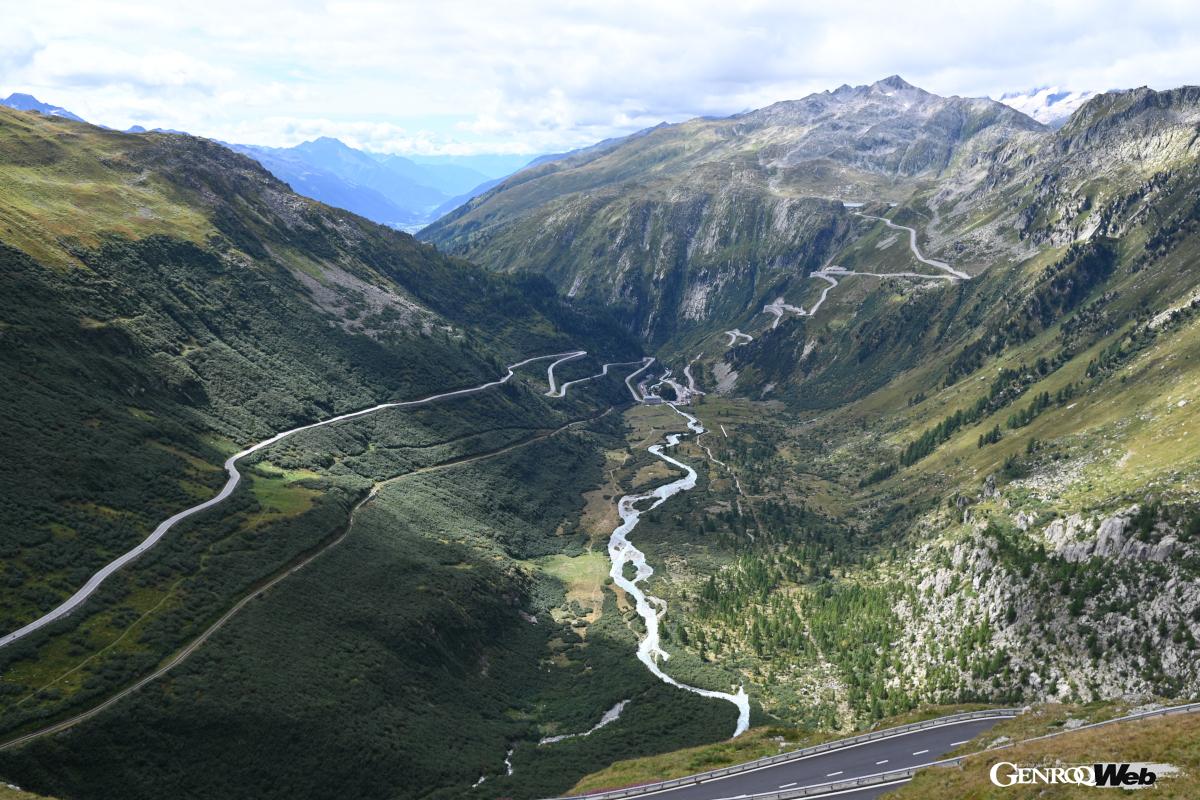
The Phantom Goldfinger took three years to develop. In the film, Auric Goldfinger drives a two-ton 18-karat gold Phantom III Sedanca de Ville from Britain across continental Europe and over the treacherous Furka Pass to smuggle gold to Switzerland. A special instrument panel was even created for the vehicle, inspired by the famous scene filmed on the Furka Pass.
The trunk is fitted with a golden putter, inspired by the golf club Goldfinger used when he first met James Bond. Each piece of special equipment is crafted in Goodwood, England, as an elegant and playful bespoke item. Chris Brownridge, CEO of Rolls-Royce Motor Cars, expressed confidence in the perfection of the Phantom Goldfinger.
“At Rolls-Royce, we have a history of creating deeply personal masterpieces that push the boundaries of what is possible and define the essence of true luxury. Each one represents our unwavering commitment to delighting and exceeding our customers’ expectations.”
“The extraordinary project that was Phantom Goldfinger energized our creative team and gave them the freedom to explore the limits of their imagination. The final product is a testament to the power of collaboration and the exceptional abilities of our designers, craftsmen and engineers.”
Spirit of Ecstasy with gold peeking out from some parts
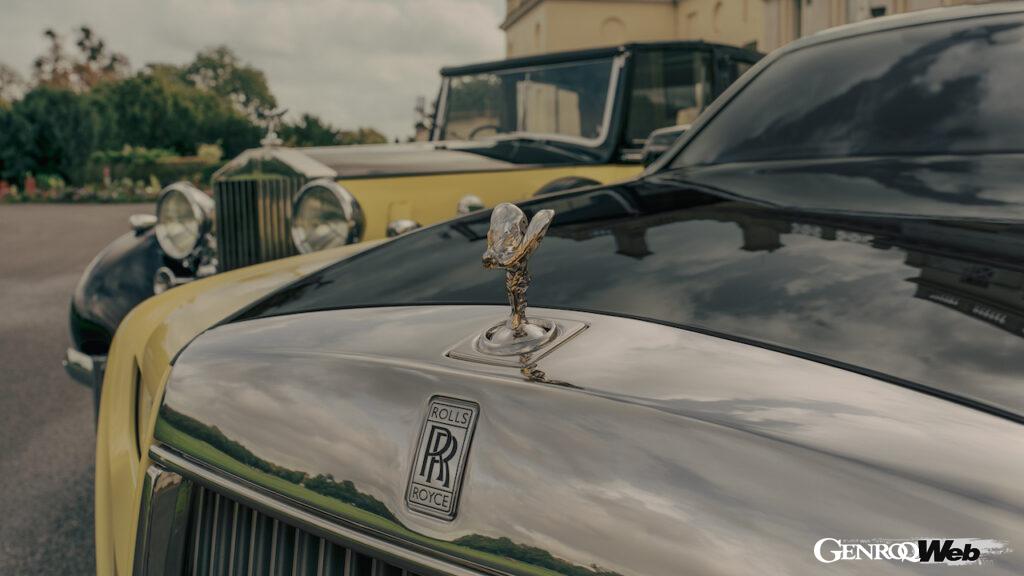
In the film, Goldfinger smuggles gold by hiding it in a vehicle, so the iconic Rolls-Royce “Spirit of Ecstasy” is made of pure silver with some parts plated with 18-karat gold.
For the exterior, Rolls-Royce paint specialists created a special yellow hue that accurately replicates the body color of the 1937 Phantom III used in the film, and a bespoke two-tone longside design was developed, with the black finish wrapping seamlessly around the body for a majestic look.
The 21-inch disc wheels are finished in black with silver floating hubcaps at the centre, again inspired by the wheel design of the 1937 Phantom.
The iconic Rolls-Royce “Spirit of Ecstasy” emblem, mounted on the tip of the Phantom’s bonnet, has a unique finish that subtly references the storyline of the film, in which Auric Goldfinger smuggles gold by hiding it in the Phantom’s body panels.
Following this idea, the Spirit of Ecstasy was created so that gold could be seen through parts of it. Because gold cannot be plated with silver, Rolls-Royce specialists took the pure silver Spirit of Ecstasy as a base and plated it with 18k gold to create the effect of exposed gold.
Pure gold speed foam installed in the center console
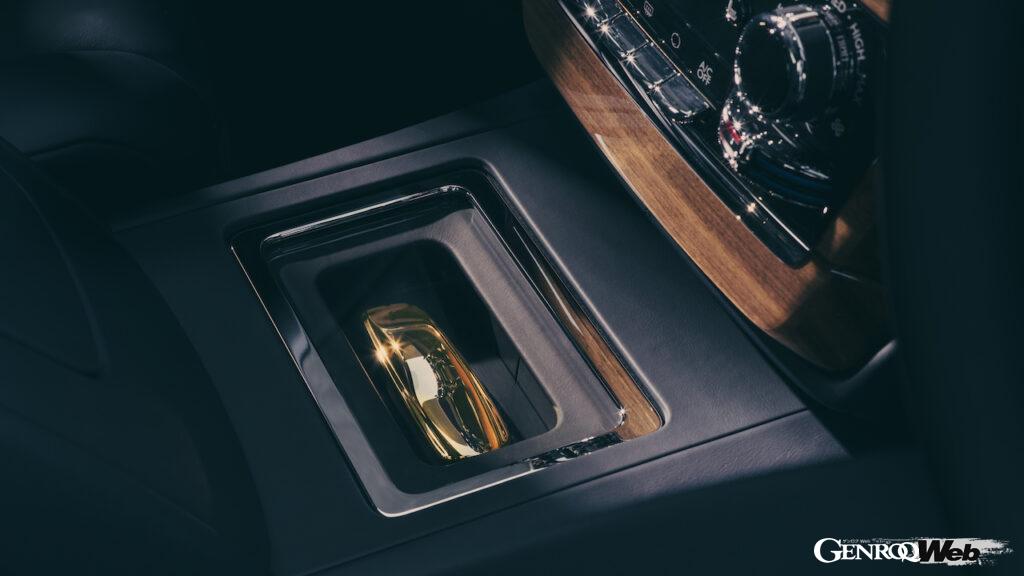
The center console houses a pure gold Speedform, symbolizing Goldfinger’s love of gold.
Inside, Rolls-Royce’s Bespoke Collective of designers, engineers and craftsmen developed intricate details and features, including a hidden safe in the centre console between the front seats, made from 18k and 24k gold.
This small safe was designed to house a gleaming work of art crafted from pure gold, and houses a miniature version of the Phantom’s design, the “Speedform,” crafted from pure gold. The base of the center console and the inside of the glove compartment are also finished in beautiful gold. The inner lid of the glove compartment features an embossed Goldfinger quote.
“This is Gold, Mr. Bond. All my life, I have been in love with its colour, its brilliance, its divine heaviness.”
The air ventilation and organ stops are also finished in a lustrous gold finish. The speaker frets are also gold and engraved with the film’s title design. The pedal plate, which resembles Goldfinger’s gold ingot, is gold-plated and embossed using a font developed for the film.
Instrument panel featuring the contour lines of the Furka Pass
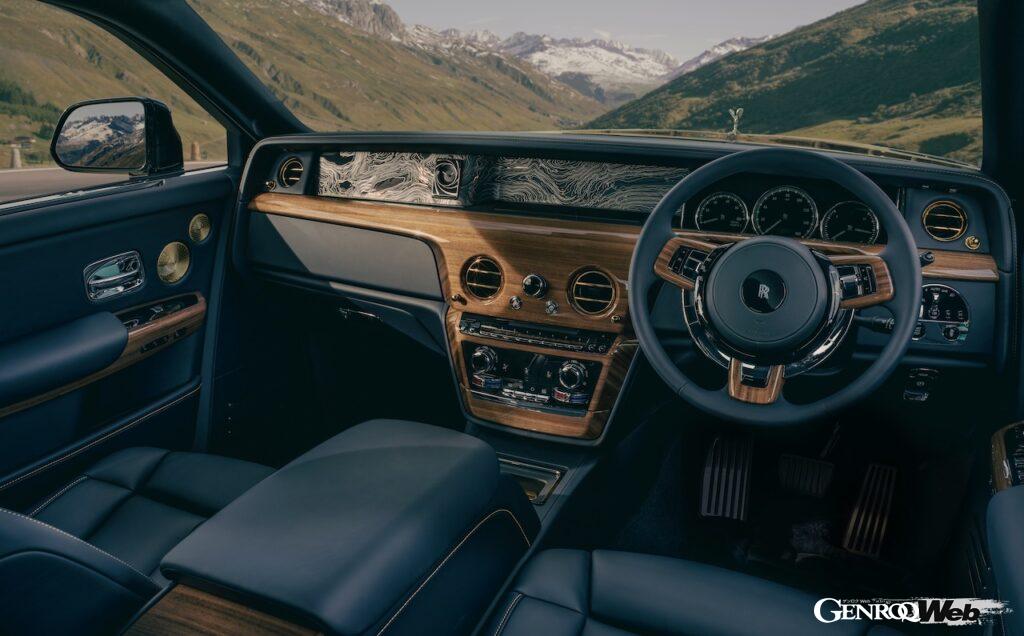
The instrument panel features artwork inspired by the contour lines of the Furka Pass, the setting for the film.
The instrument panel gallery features custom artwork: a hand-drawn, three-dimensional design featuring a precise and artistic contour map of the Furka Pass, representing James Bond’s pursuit of Goldfinger as he heads to a smelter in the Swiss Alps.
The stainless steel used in the artwork is painted black using a process called physical vapor deposition. Contour lines and elevation values are engraved into the dark matrix, revealing the bright metal underneath. This highly intricate artwork required a full year of meticulous development work to complete. Bespoke Collective created 10 prototypes to perfect the design.
The Bosspoke Clock in the centre of the artwork is inspired by the image of a gun barrel, which has appeared in every James Bond film since 1962’s Dr No.
The Starlight Headliner perfectly recreates the constellation that appeared over the Furka Pass on the final day of filming in Switzerland on July 11, 1964. 719 stars shine with a soft golden glow, and eight “shooting stars” surround the Starlight Headliner. All of the stars were hand-placed within the headliner.