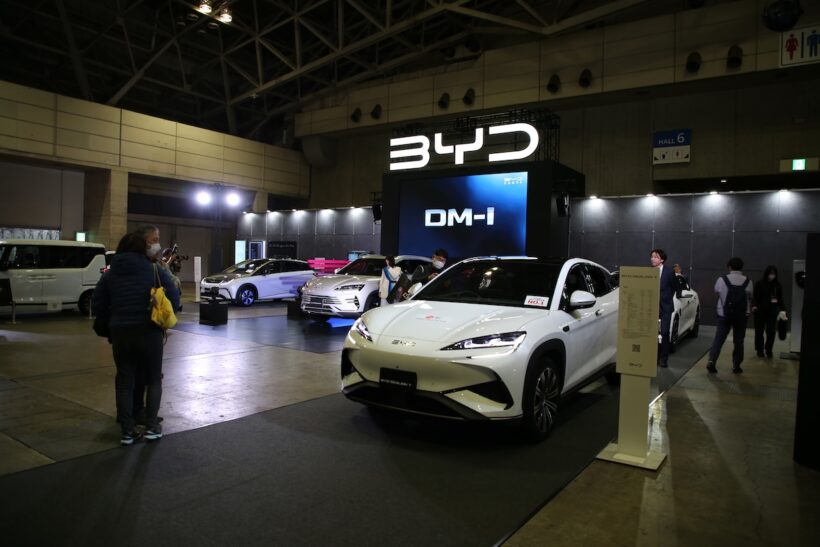

BYD SEAL
×
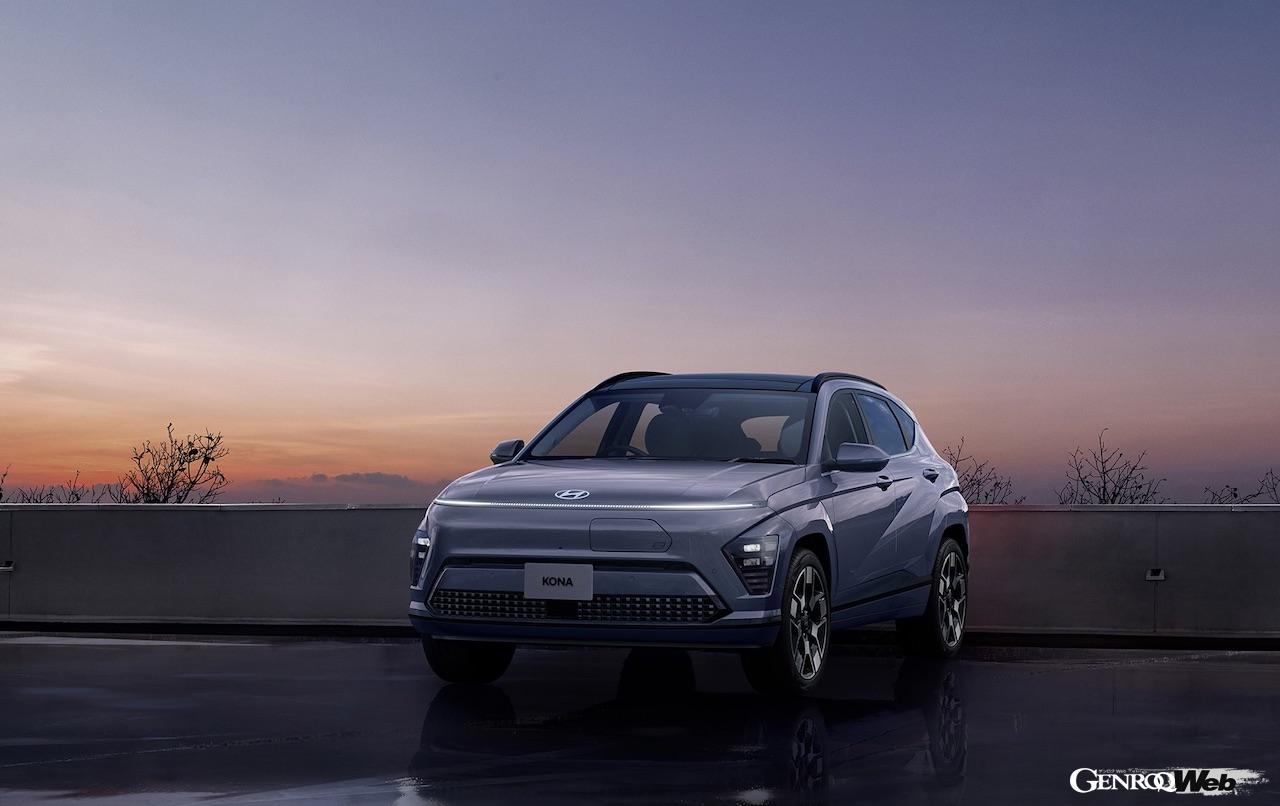
HYUNDAI KONA
The shape and size are different, but the weight difference is even greater.

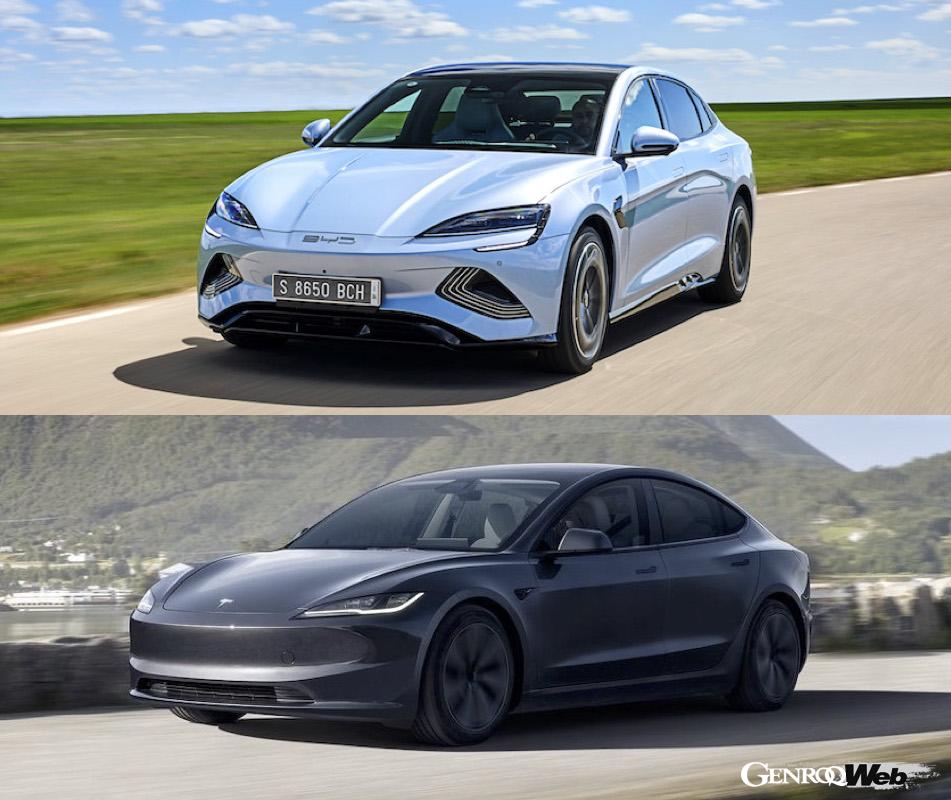
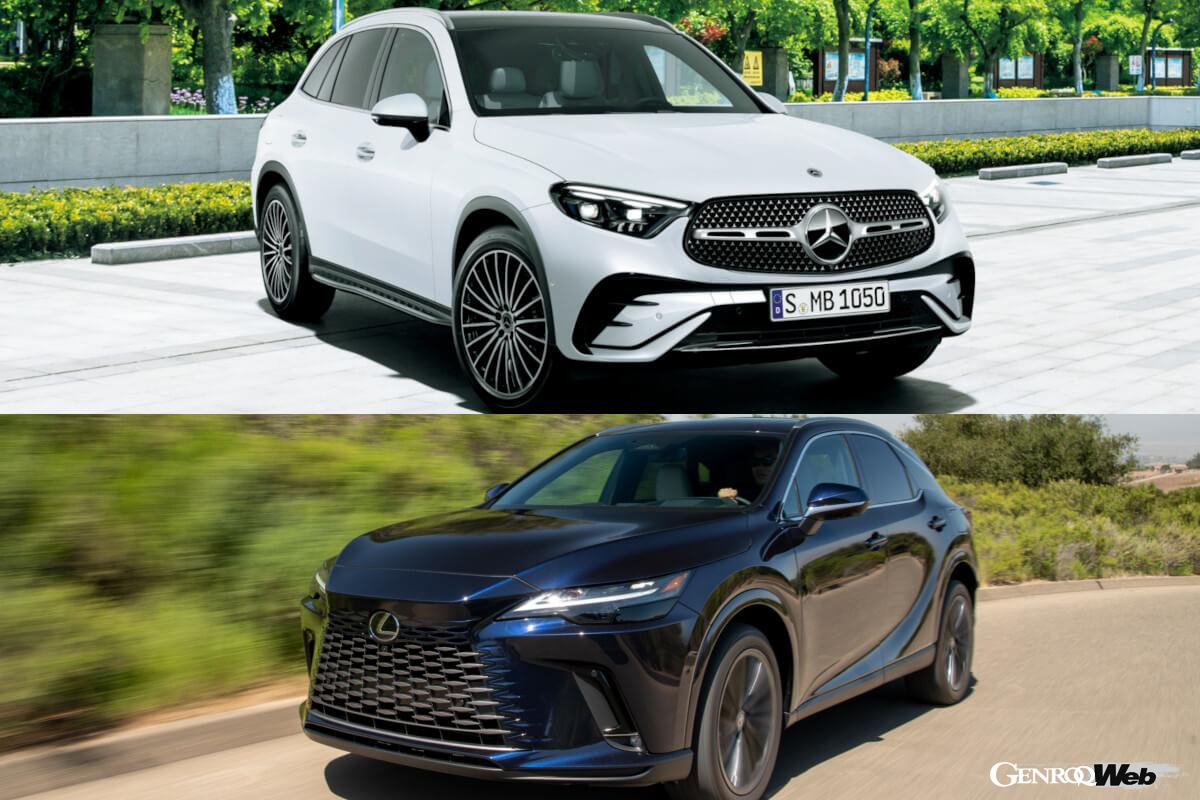
BYD seal

Hyundai Kona

BYD seal

Hyundai Kona
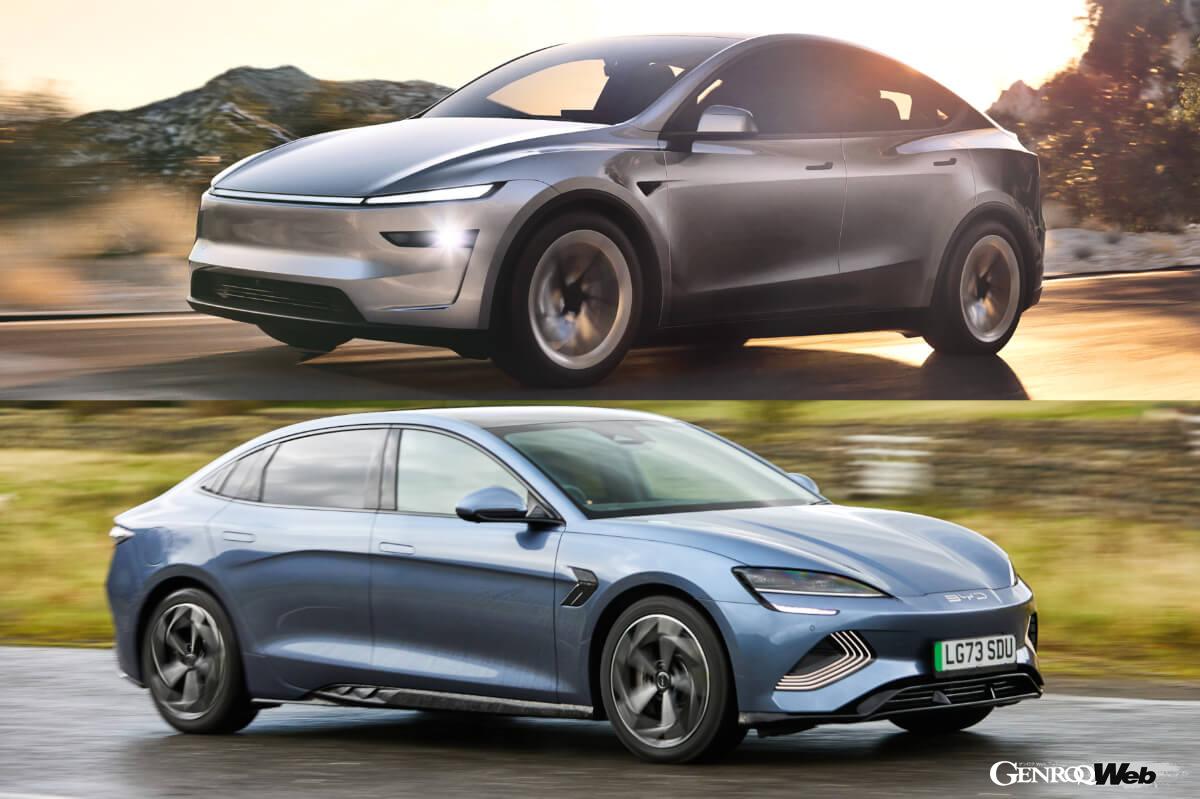
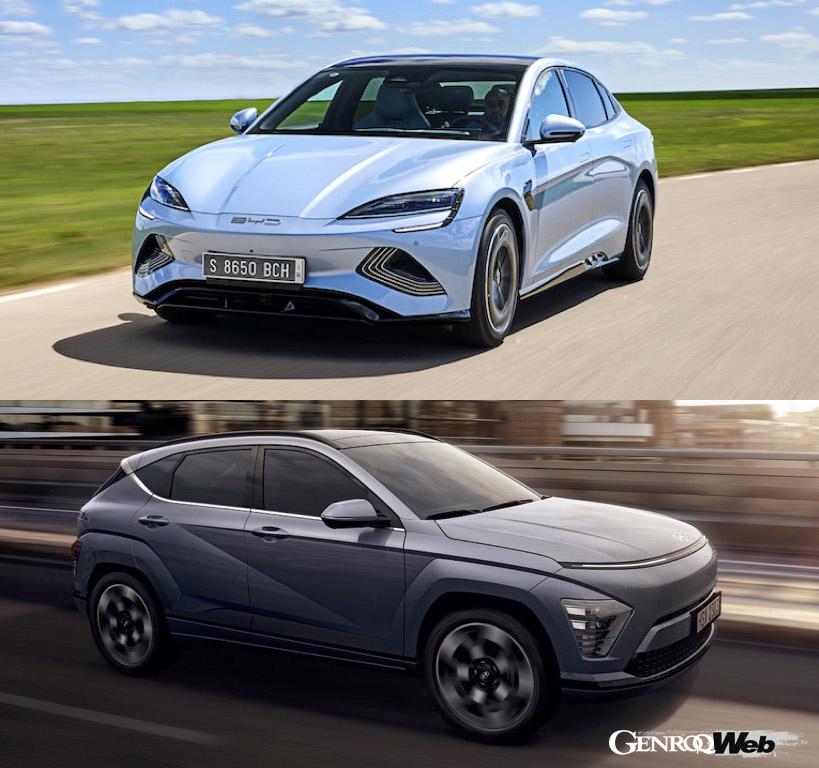
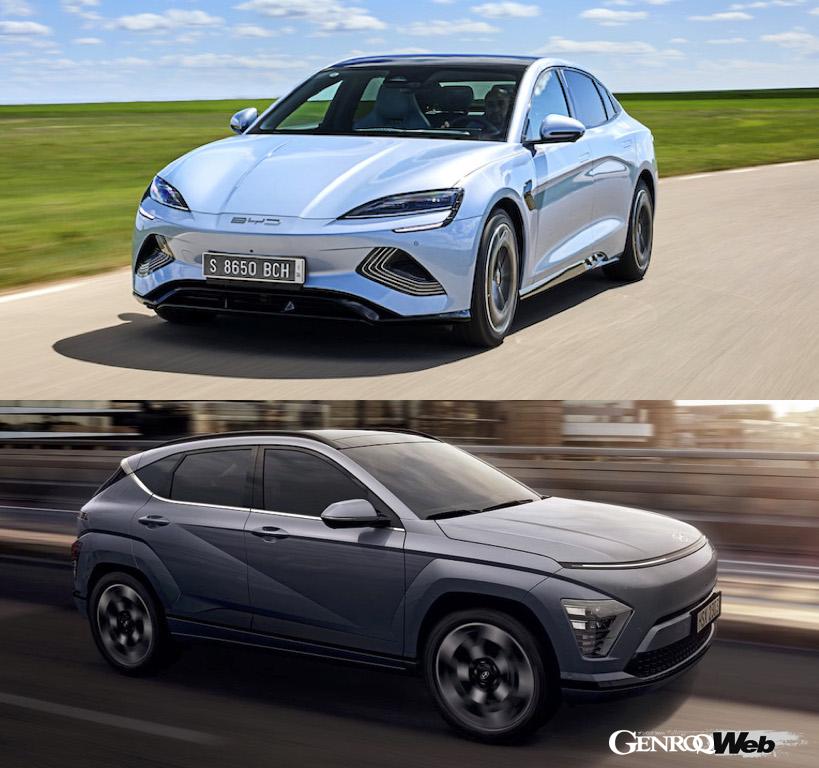
Both the BYD Seal and the Hyundai Kona are relatively new models that have just been introduced in Japan. Although they are both EVs, Hyundai is moving into the highly competitive compact SUV category, while BYD also has compact SUVs and is also expanding into the luxury sedan category, resulting in the two companies’ differing strategies.
Since they are in different genres, the body shapes and sizes are completely different. However, the overall width differs by only 50mm. Looking at it from the other side, it could be said that the Kona has a spacious interior despite being a compact SUV.
An even bigger difference is the weight of the car. The Seal is 370kg heavier than the Kona, which is likely to make a big difference in the rate of tire wear.
BYD seal
Body size = Length 4800mm x Width 1875mm x Height 1460mm
Wheelbase = 2920mm
Vehicle weight = 2100kg
Tire size = 235/45R19
Hyundai Kona Voyage
Body size = Length 4355mm x Width 1825mm x Height 1590mm
Wheelbase = 2660mm
Vehicle weight = 1730kg
Tire size = 215/60R17
A drivetrain like that of a mass-produced car or a drivetrain like that of a luxury car?

BYD seal

Hyundai Kona

BYD seal

Hyundai Kona
Both the Seal and the Kona are equipped with lithium-ion batteries, which is the current theory for EVs. However, the motor specifications and drive system are significantly different. The Kona has 204 PS and front-wheel drive (FWD), while the Seal has 312 PS and rear-wheel drive (RWD). Even though they are both EVs, it seems that the concepts differ depending on whether they are basic or luxury cars. However, a maximum output of 204 PS is powerful for a compact SUV. The Kona will likely drive even sportier than it looks.
By the way, the range of the Kona is 625km and the range of the Seal is 640km. Both vehicles have practical range, but considering the difference in battery capacity due to the vehicle size, the Kona is doing better.
BYD seal
Drive battery type = Lithium-ion battery
Rated output = 70.0 kW
Maximum output = 230 PS
Maximum torque = 360 Nm
Transmission = 1-speed fixed
Drive system = RWD
Hyundai Kona Voyage
Drive battery type = Lithium-ion battery
Rated output = 50.0 kW
Maximum output = 204 PS / 5800-9000 rpm
Maximum torque = 255 Nm / 0-5600 rpm
Transmission = 1-speed fixed
Drive system = FWD
Are the two cars on an equal footing in terms of cost performance?

BYD seal

Hyundai Kona
The price difference between the Seal and Kona is 759,000 yen. Leaving aside the Kona’s high cost performance, the luxury-oriented Seal is also priced at a competitive price in the low 5 million yen range. Incidentally, the government subsidy for both cars is 450,000 yen. The Seal is effectively priced in the 4 million yen range, so it may seem like a better deal.