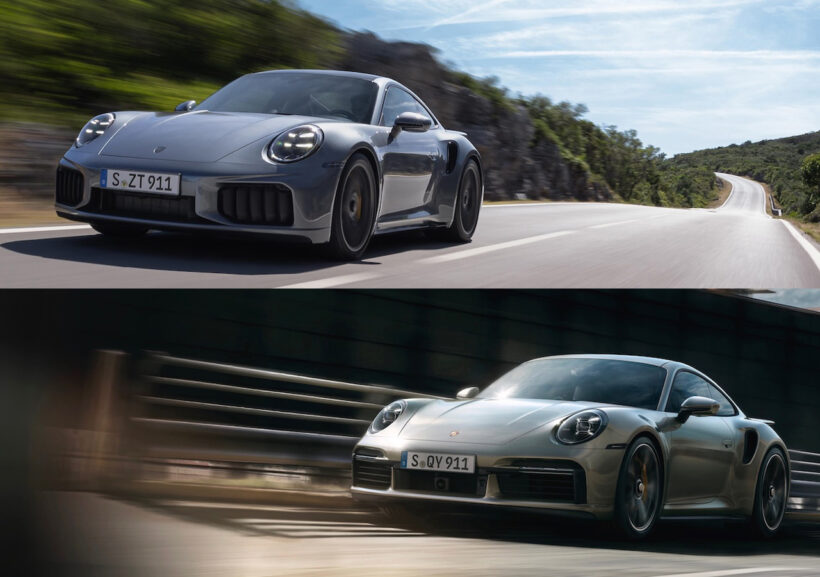

![How did the modern-day “Turbo” begin? The early days of the “911 Turbo” [Porsche Chronicles]](https://wheelfeed.com/wp-content/uploads/2024/11/2984-1761206318916.jpg)
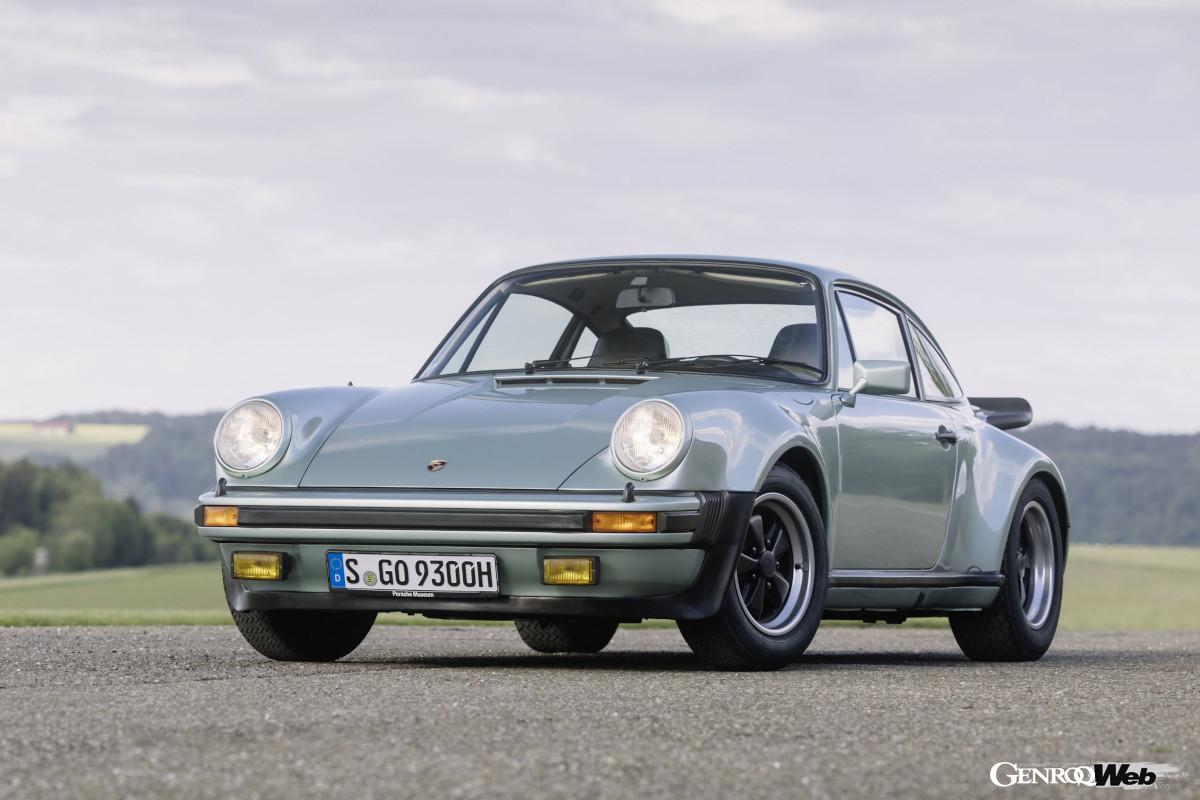
911 TURBO (1974-1989)
A prototype of a 2.0-liter flat-six turbo was also produced.
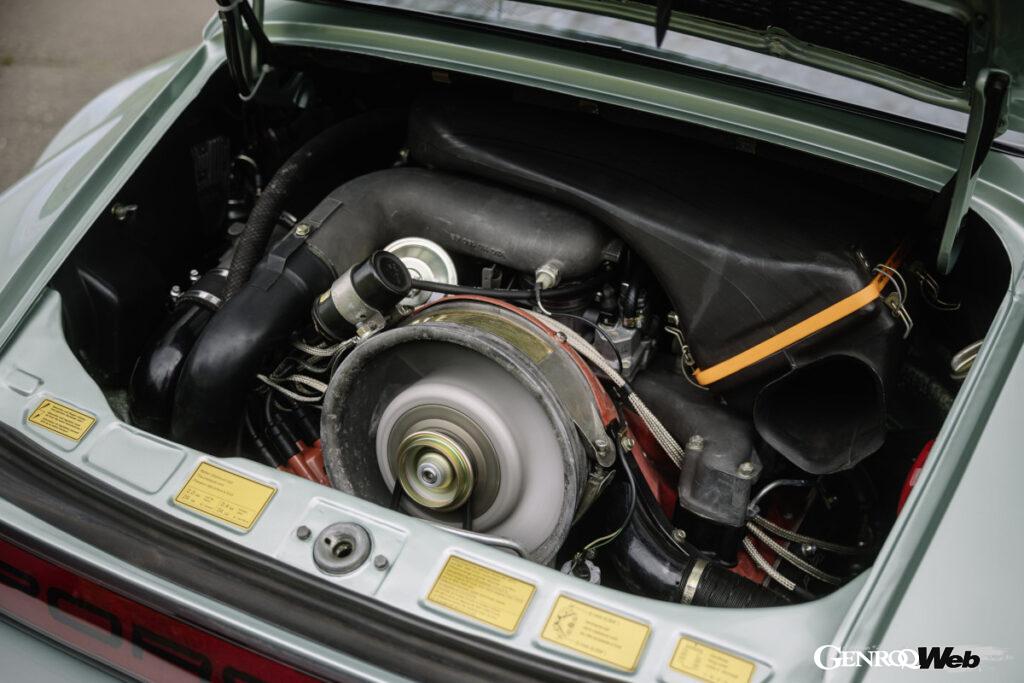
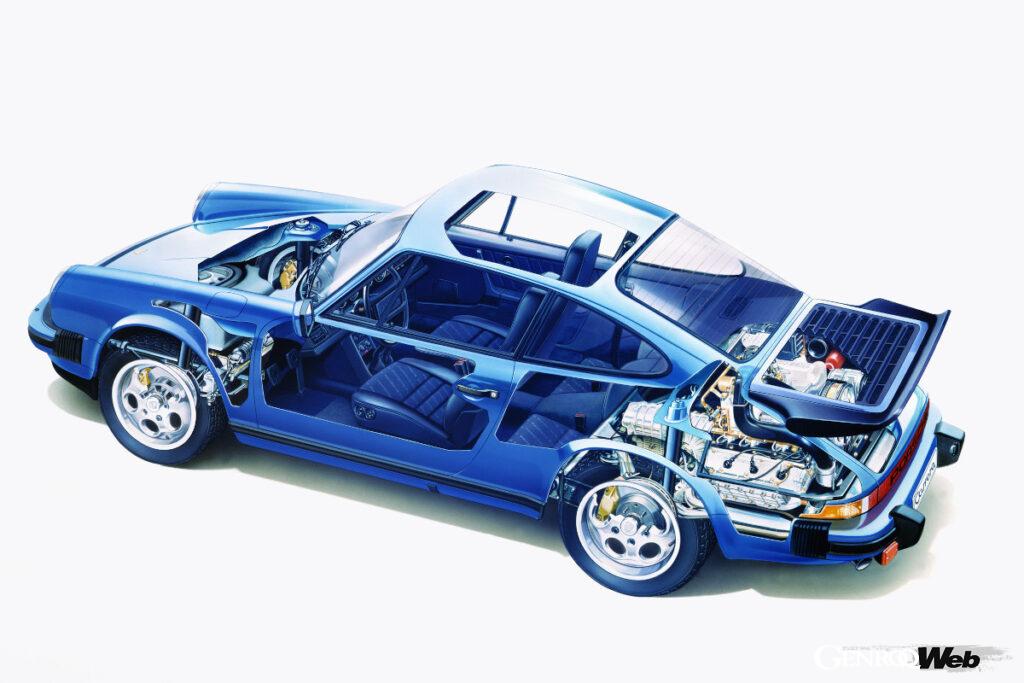
When development of the 911 began in 1957, Porsche designed the new 2.0-liter, air-cooled, six-cylinder, SOHC engine with ample room to expand its displacement to 2.7 liters, with an eye toward motorsport use and future development. However, within 10 years of its debut, the engine’s displacement reached its limit. It was eventually expanded to 3.8 liters, but by the 1960s, Porsche was beginning to realize its limitations. So Hans Metzger’s engine development team turned to turbocharging.
Supercharging technology, which uses exhaust gas to drive a compressor, increasing the density of the air drawn into the engine and sending more oxygen to the combustion chamber to gain more power, was put to practical use in aircraft and tank engines during World War II, and Porsche had been researching it since the 1960s with the cooperation of the KKK and Bosch. As a result, a prototype 2.0-liter flat-six turbo was completed, and there were plans to install it in the 911 and 914 and sell it commercially in 1969.
However, Porsche decided it was too early and continued research and development. To compete in the North American CAN-AM series, an unlimited displacement sports car race, Metzger and his team prototyped a 6.6-liter naturally aspirated 16-cylinder unit based on the 917’s air-cooled 180-degree V12 unit, and a 5.0-liter 12-cylinder turbo unit to compete against the large-displacement American V8 engines. Test results showed that, although there was not much difference in power, the 12-cylinder turbo unit showed more potential than the larger and heavier 16-cylinder.
Strength provided by wastegate valves
The resulting 917/10 was entrusted to Penske Racing, which still partners with them in WEC and IMSA, and won the series title in 1972. The improved 917/30 won six of the eight races to clinch the championship for the second consecutive year, and its overwhelming strength led to a change in regulations that saw it being banned from the series.
One of the factors behind this strength was the presence of a wastegate valve that controls boost pressure on the exhaust side to reduce “turbo lag” when the throttle is turned on and off. It was developed by Valentin Schäfer, who was responsible for the development of the 917/10 and 917/30. Schäfer continued to work on turbo development throughout his career as an engineer, contributing to the development of the Porsche Turbo. In recognition of his achievements, he earned the nickname “Turbo Valentin.”
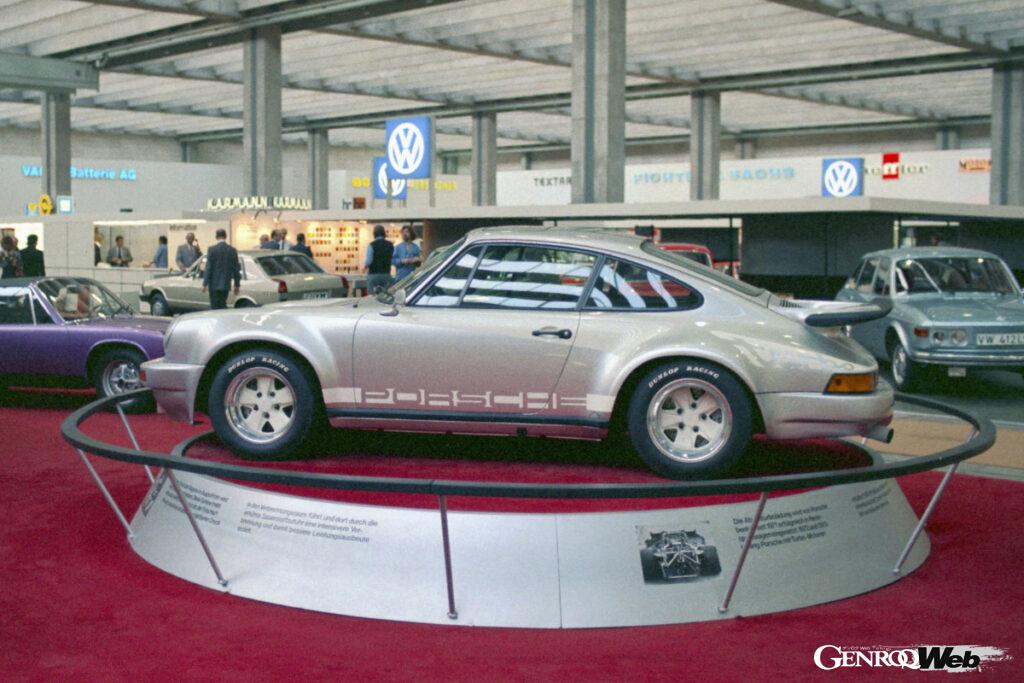
Porsche, seeing the success of CAN-AM, was also considering applying it to the 911. While turbocharging the 911 Carrera RSR and competing in the World Manufacturers’ Championship, they also began development of a production 911 Turbo. As early as 1973, they unveiled the 911 Turbo Prototype, a 911S equipped with a 2.7-liter flat-six turbo.
The 911 flagship model
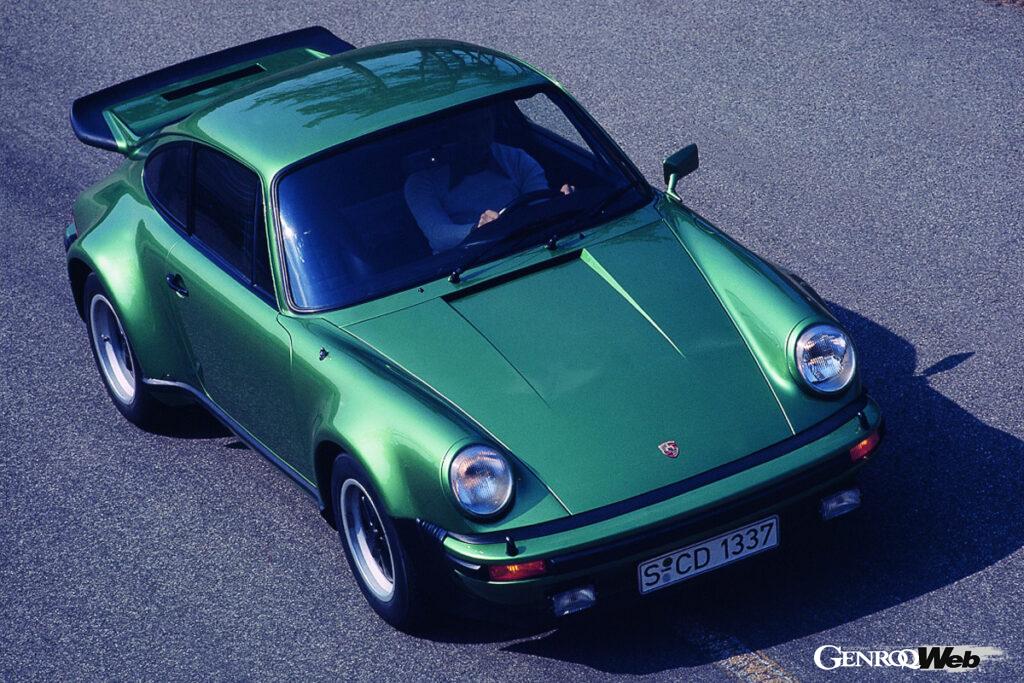
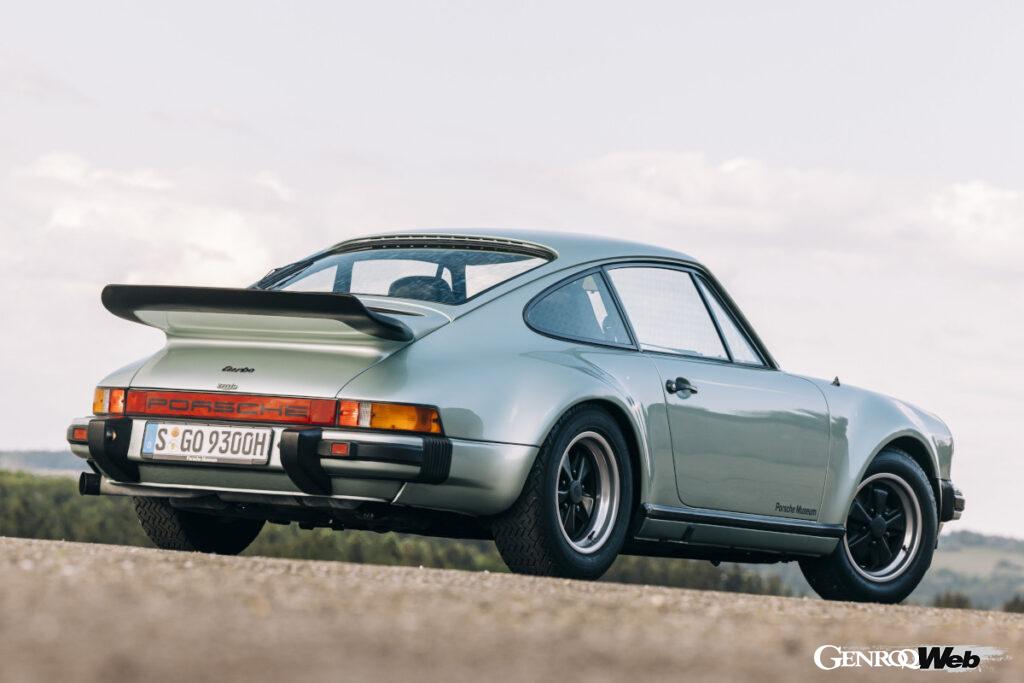
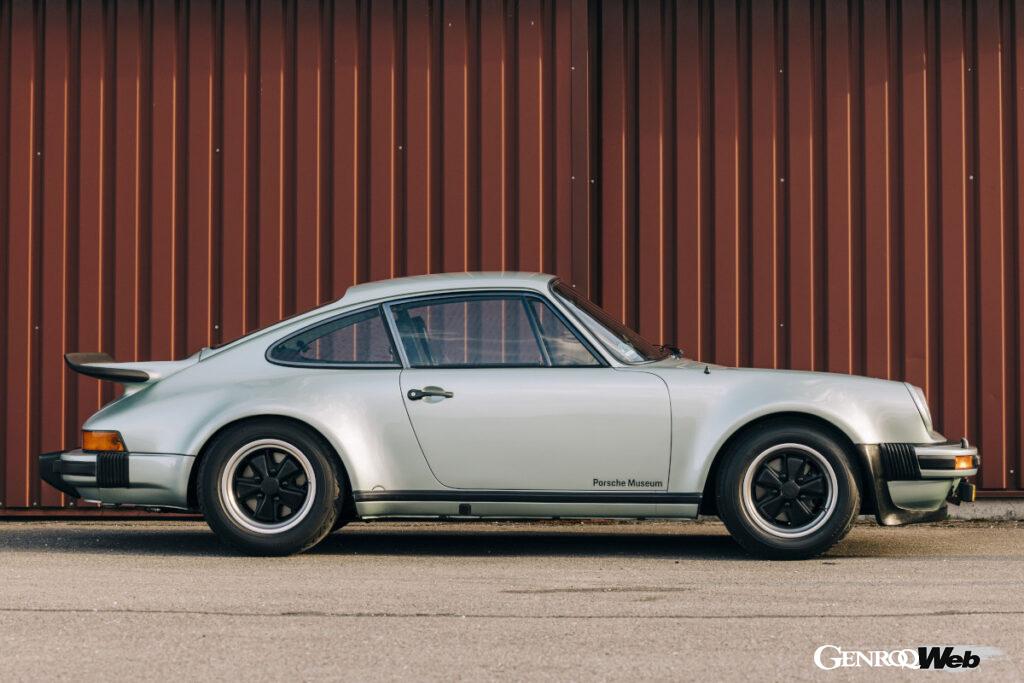
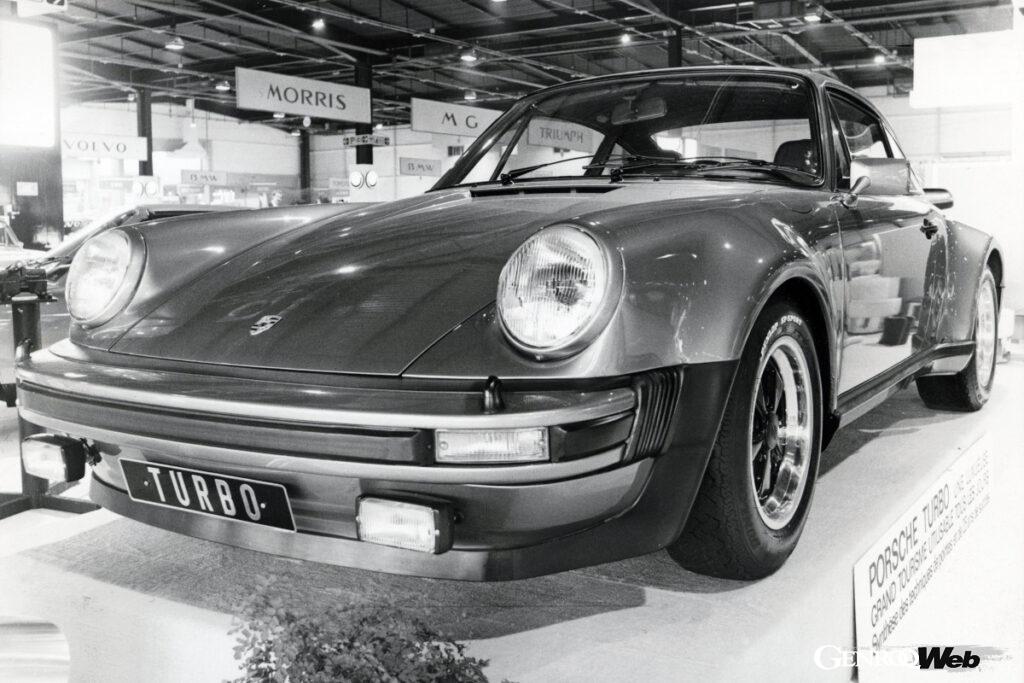
After more than a year of testing, the team developed the new 930/50 engine, combining a 2994cc air-cooled flat-six engine based on the one used in the Carrera RS 3.0 with a KKK 3LDZ single turbocharger with a maximum boost pressure of 0.8 bar. To accommodate the car’s 260 PS, the car featured a larger clutch disc and a newly designed, larger-capacity 4-speed manual 930/30 gearbox. The body also featured enlarged front and rear fenders to accommodate the 185/70VR15 front and 215/60VR15 rear tires, as well as a distinctive Hermann Bost-designed whale tail rear wing and front spoiler.
The 911 Turbo, which boasted overwhelming performance for its time with a top speed of 250 km/h and a 0-100 km/h acceleration of 5.5 seconds, went on sale in 1975. Initially, production of 500 units was planned over two years to obtain Group 4 GT homologation, but orders doubled immediately upon its announcement. It was added to the catalog lineup as the 911’s flagship model.
Maximum output reaches 300PS
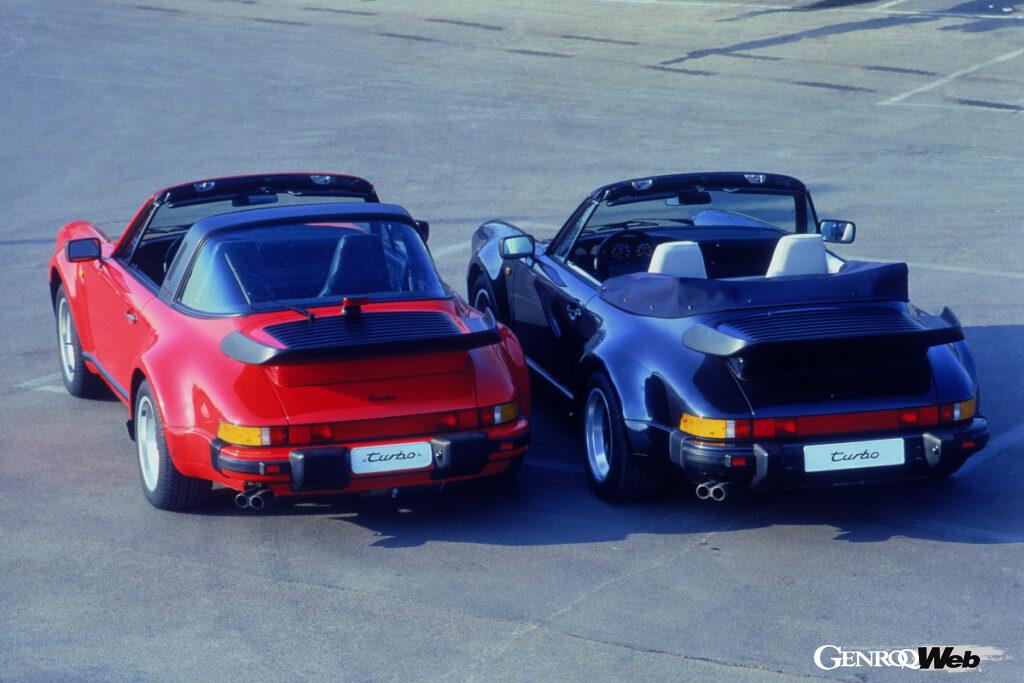
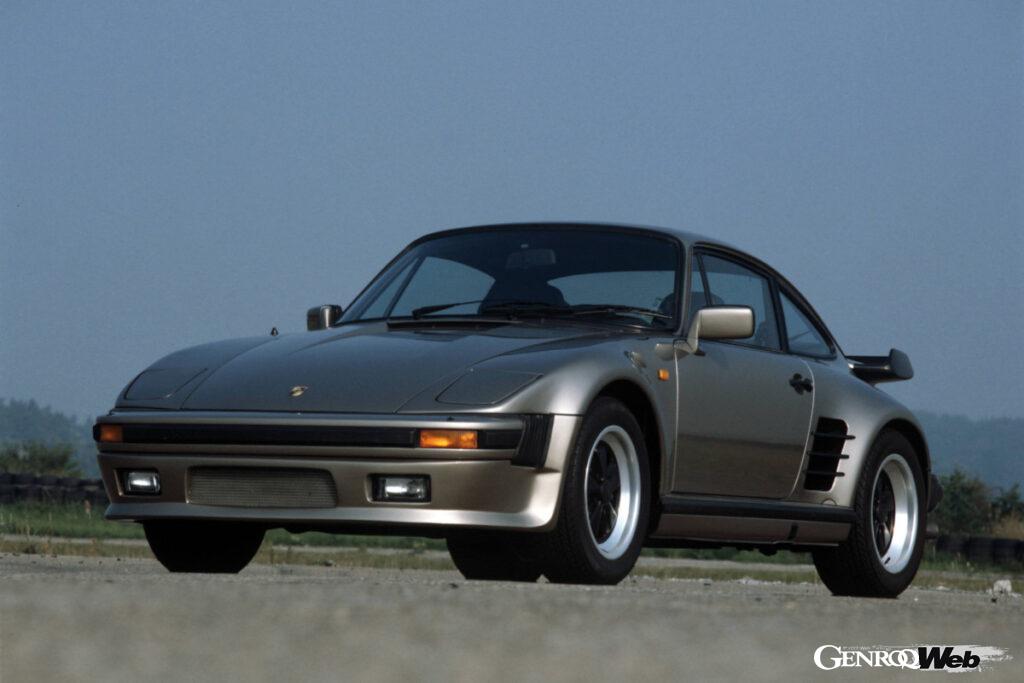
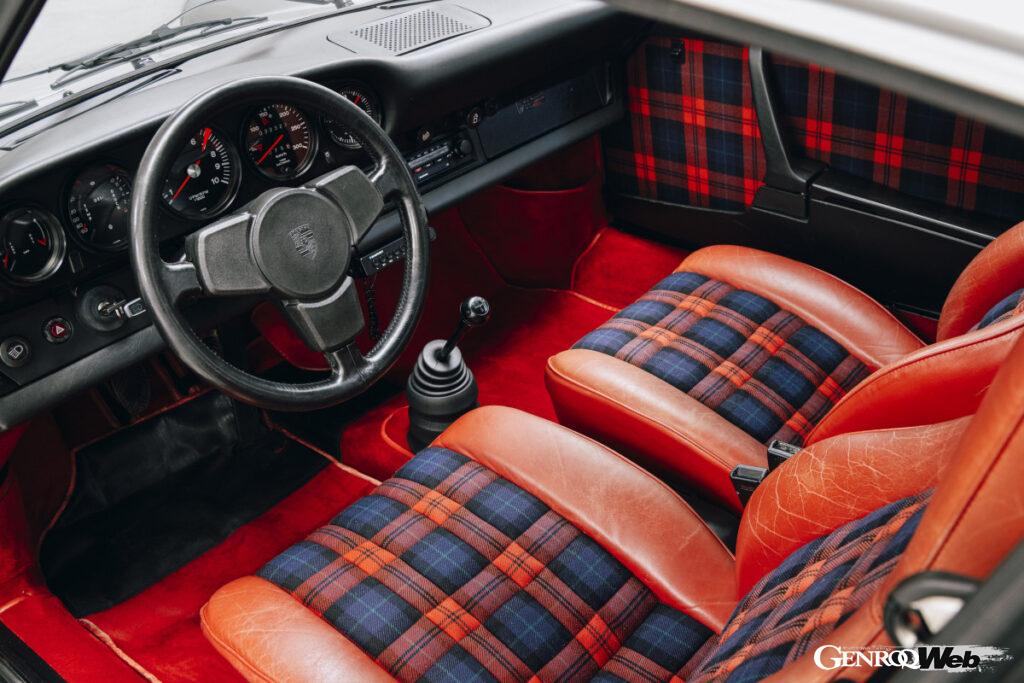
The 1978 model saw its displacement increased to 3.3 liters and an intercooler fitted to reduce intake temperatures. Other improvements included an increased compression ratio and larger main bearings, resulting in a maximum output of 300 PS. The rear wing was also changed to a flat, tea-tray shape.
Since then, no major changes have been made, with the Targa being added in 1986, the Cabriolet in 1987, and slant nose versions of each model being added as model variations. Production then ceased with the 1989 model, which came standard with the G50 5-speed manual transmission.













![The S-Type, widely regarded as Bentley’s masterpiece post-war saloon [Bentley 100 Years of Car History]](https://wheelfeed.com/wp-content/uploads/2025/11/4703-1762127546348.jpg)