
![How did BMW M’s motorsport activities begin? [The history of BMW M]](https://wheelfeed.com/wp-content/uploads/2025/02/2347-1761197373540.jpg)

BMW M Motorsport GmbH
Expanding activities from touring cars to formula

[1]

[2]
[3]
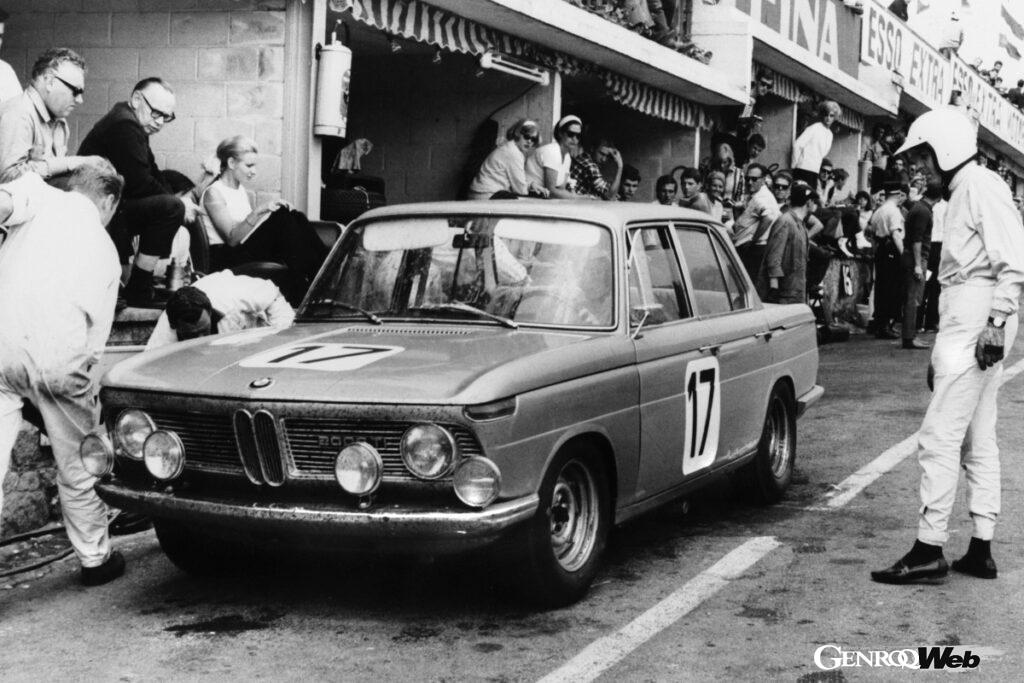
[1] The 328 that competed in the 24 Hours of Le Mans in 1939. [2] The 700 that showed off its fierce performance in mountain races. [3] The 2000TI that made a pit stop at the 24 Hours of Spa.
BMW’s motorsport history is long, stretching back to the prewar era. However, it started with two-wheeled vehicles, not four-wheeled ones, and the R37, a racing model of the first single-cylinder model, the R32, debuted in 1925. From that year onwards, BMW went on to win consecutive national 250cc class championships.
In 1926, the company’s first four-wheeled vehicle, the 3/15HP, was introduced, and the company expanded into four-wheeled racing, achieving steady results, including a team victory in the 1929 ADAC Alpine Rally and a class victory in the Monte Carlo Rally the following year.
In 1936, BMW introduced the 328, a two-seater sports car that was cutting-edge for its time. It achieved great success, winning its class on its debut in the 1938 Mille Miglia, placing fifth overall and winning its class at the 1939 24 Hours of Le Mans, and winning overall at the 1940 Mille Miglia.
After World War II, BMW withdrew from motorsports activities for a while, but resumed works activities with the introduction of the 700 in 1959. In its debut race, the car won its class in the 6-hour race at the Nürburgring.
BMW’s competition division, led by Alexander von Falkenhausen and led by Paul Rosche, won the European Touring Car Championship (ETC) title with the 2000TI in 1966, and in 1969 introduced the 2002TiK, the company’s first turbocharged car. BMW also expanded its activities to include sports cars and Formula 2.
Along with Alpina and Schnitzer
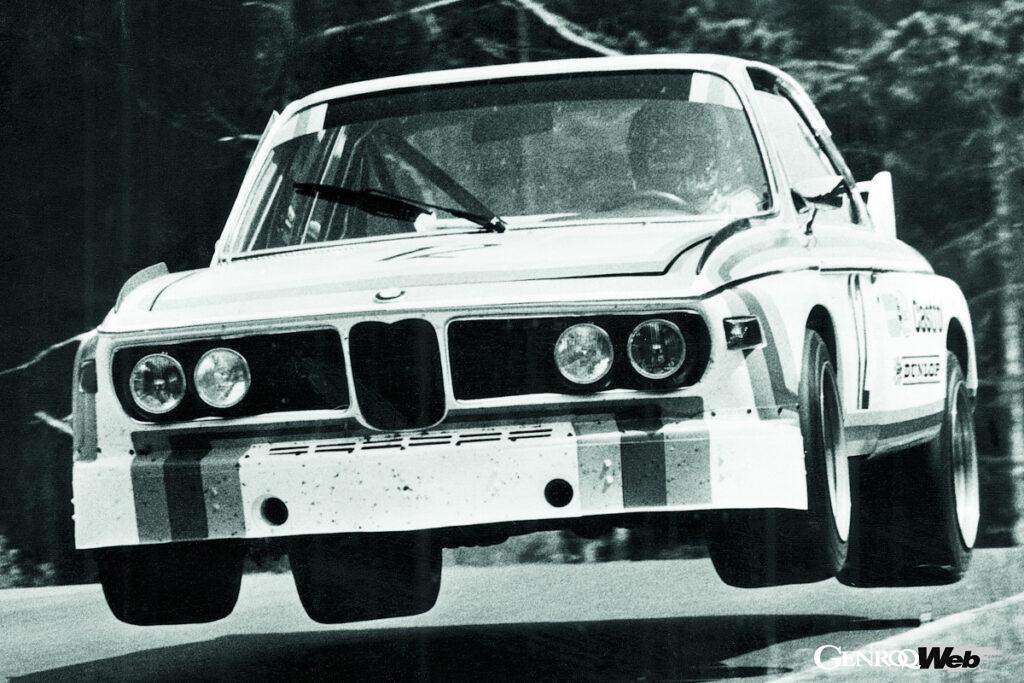
A look at the 1973 3.0 CSL.
On May 1, 1972, BMW established BMW Motorsport GmbH, a subsidiary that integrated its works activities and the supply of engines and parts to privateer teams. The initial representative was Robert Anthony Lutz, better known as Bob Lutz, who had come from the sales department and later served as vice chairman at Ford and Chrysler, while the director of the field team was the legendary Jochen Neerpasch, who moved from rival German team Ford. Neerpasch soon took on the role of motorsport director at BMW headquarters, and took over as head of BMW Motorsport GmbH.
In fact, when BMW began full-scale F2 activities in 1970, the touring car works activities were outsourced to Alpina, and even after the establishment of BMW Motorsport GmbH, the team began racing in cooperation with Alpina and Schnitzer, which was active as a privateer. In 1973, Alpina’s 2800CS won the ETC title, while the works team debuted the 3.0CSL, painted in the tricolor BMW livery, and won the title in 1974.
Later, due to the oil crisis, the works team withdrew from ETC. Instead, they competed in the North American IMSA series with the 3.0CSL. Furthermore, in the Silhouette Formula World Sports Car Championship that began in 1976, they competed with the 3.5CSL and 3.2CSL modified to Gr.5 specifications, engaging in a fierce battle with the Porsche works team.
Full-scale F1 participation

320i

BT52
Meanwhile, BMW Motorsport announced the M12/6 engine in 1973, a gear-driven, 16-valve, in-line four-cylinder engine with a DOHC head, designed to fit the new 2.0-liter F2 specifications. It dominated F2 racing in the 1970s, and the 320i, fitted to the E21 3 Series chassis and in Gr. 5 format, was a huge success in the under-2.0-liter classes of IMSA and the German National Championship.
BMW Motorsport then developed the 1.5-liter M12/13 engine, based on the M12 unit and fitted a Garrett turbocharger. Partnering with the Brabham team, BMW began full-scale F1 participation in 1982. Nelson Piquet took his first victory at the Canadian Grand Prix that same year, and in 1983, Piquet and the BT52 team won the Drivers’ Championship.
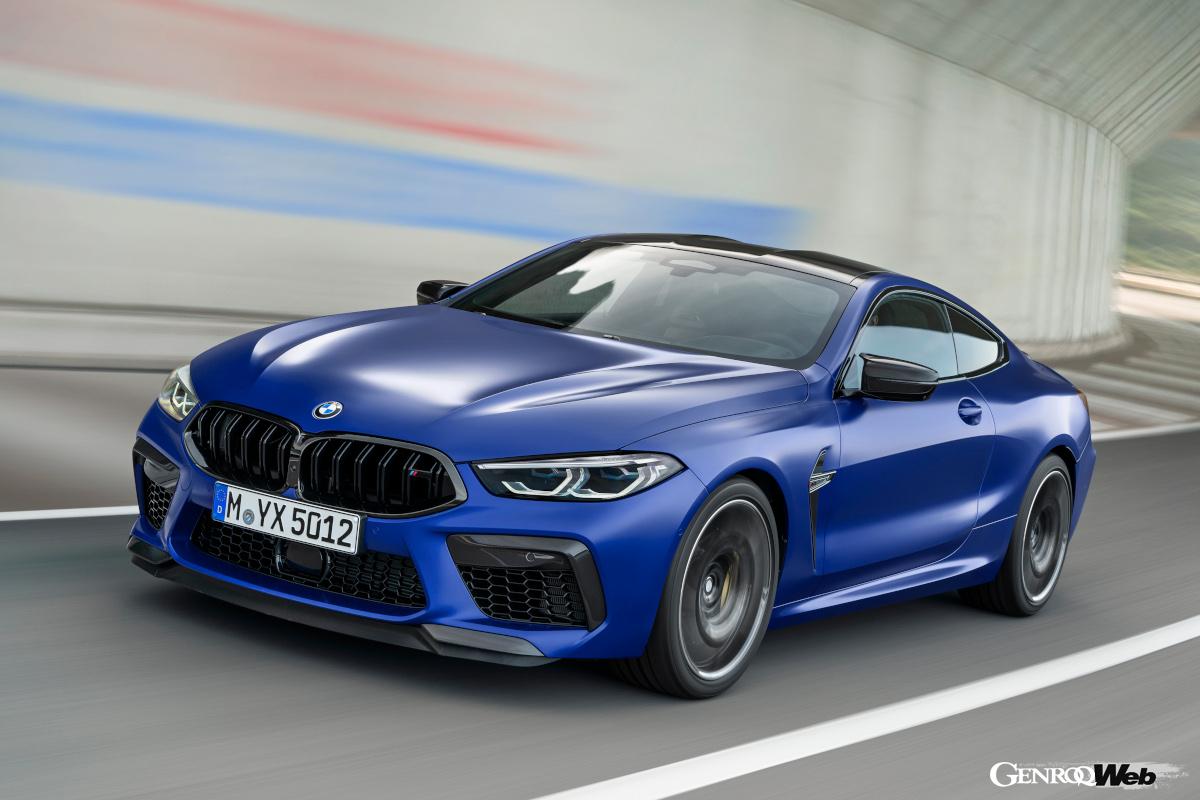
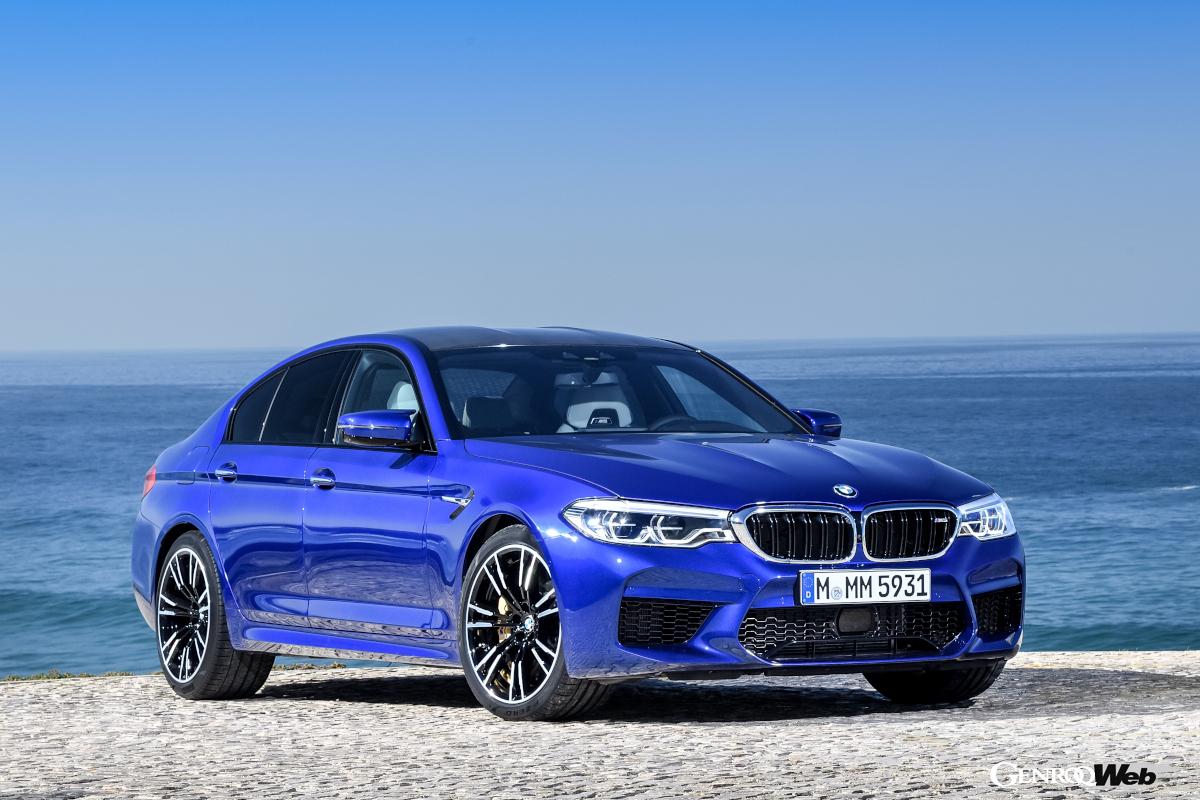
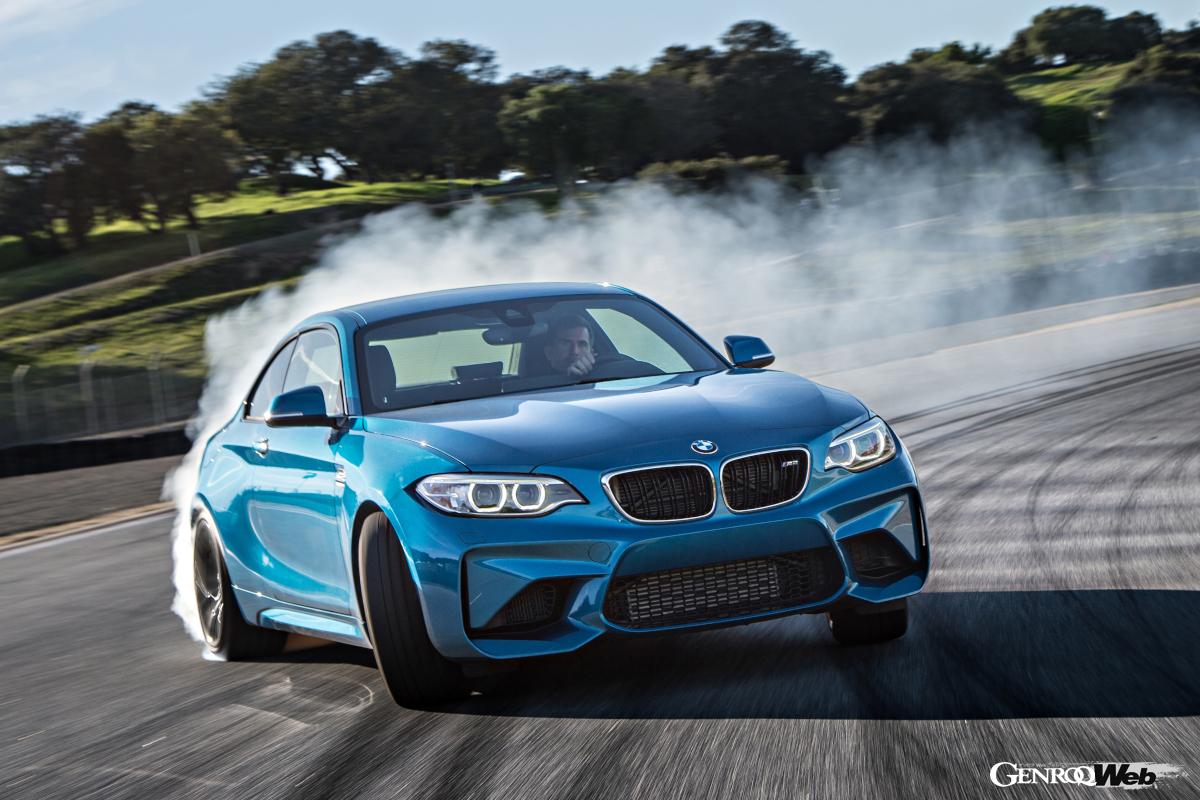
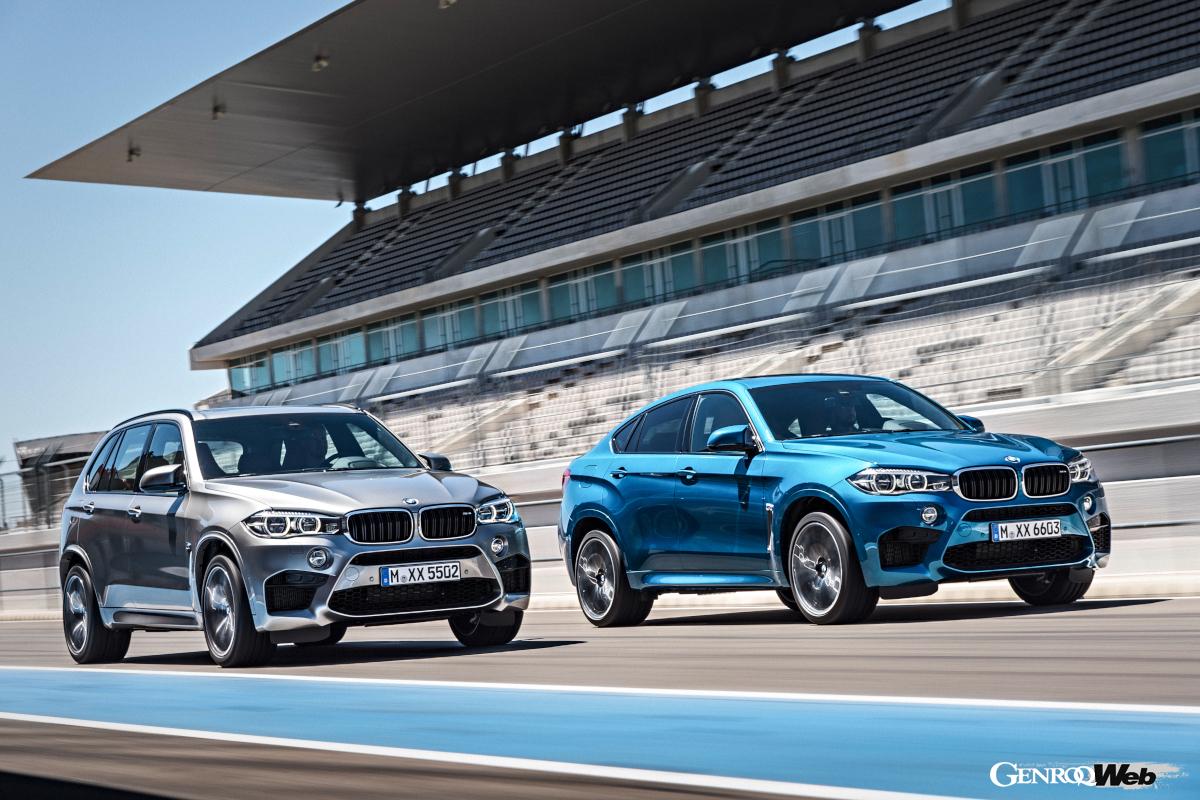
In addition to these racing activities, the development of the mid-engine sports car “M1” led to the development and production of high-performance models based on production cars. In 1993, the racing division became independent as BMW Motorsport GmbH, and the section dealing with production cars was renamed BMW M GmbH.











![The S-Type, widely regarded as Bentley’s masterpiece post-war saloon [Bentley 100 Years of Car History]](https://wheelfeed.com/wp-content/uploads/2025/11/4703-1762127546348.jpg)