
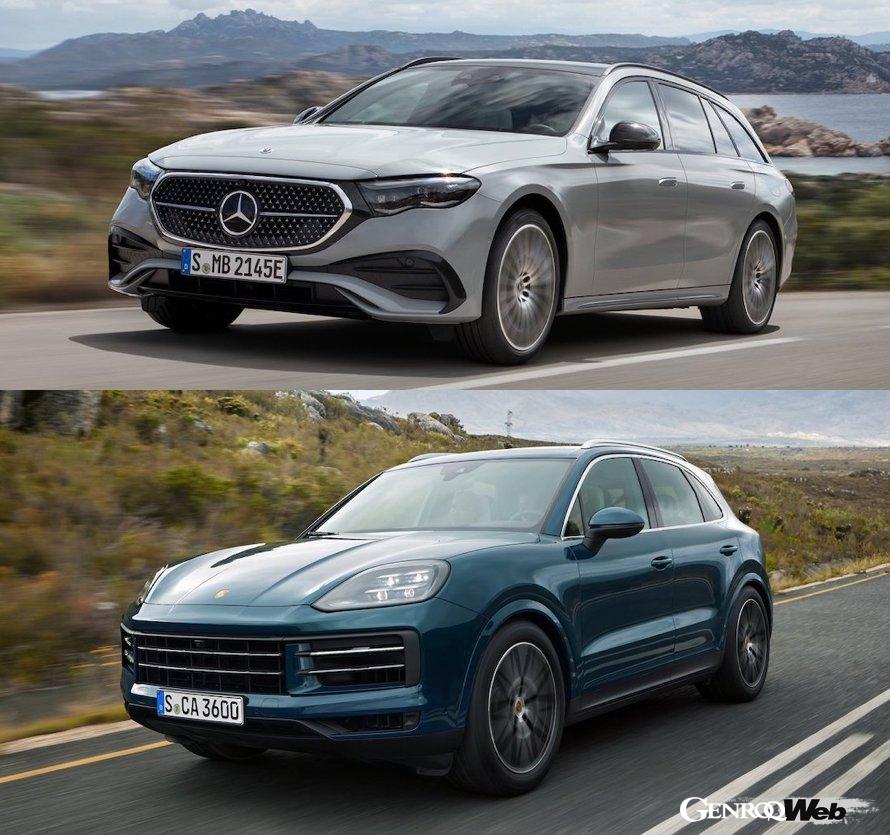
MERCEDES-BENZ E-CLASS STATIONWAGON
×
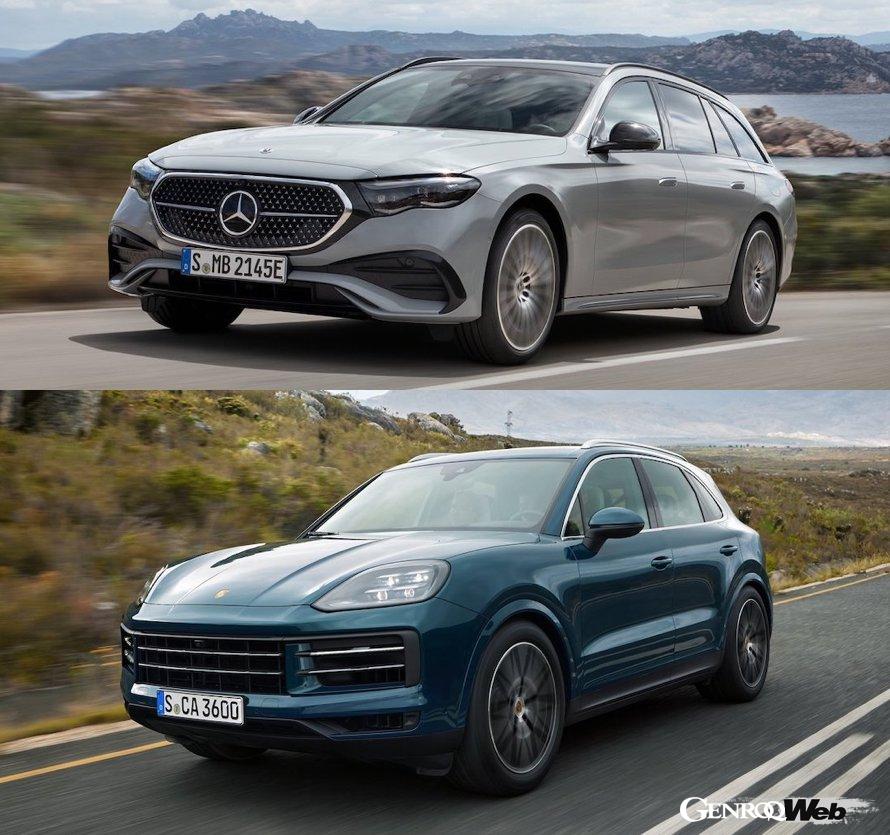
PORSCHE CAYENNE
The E-Class is physically more stable at high speeds.

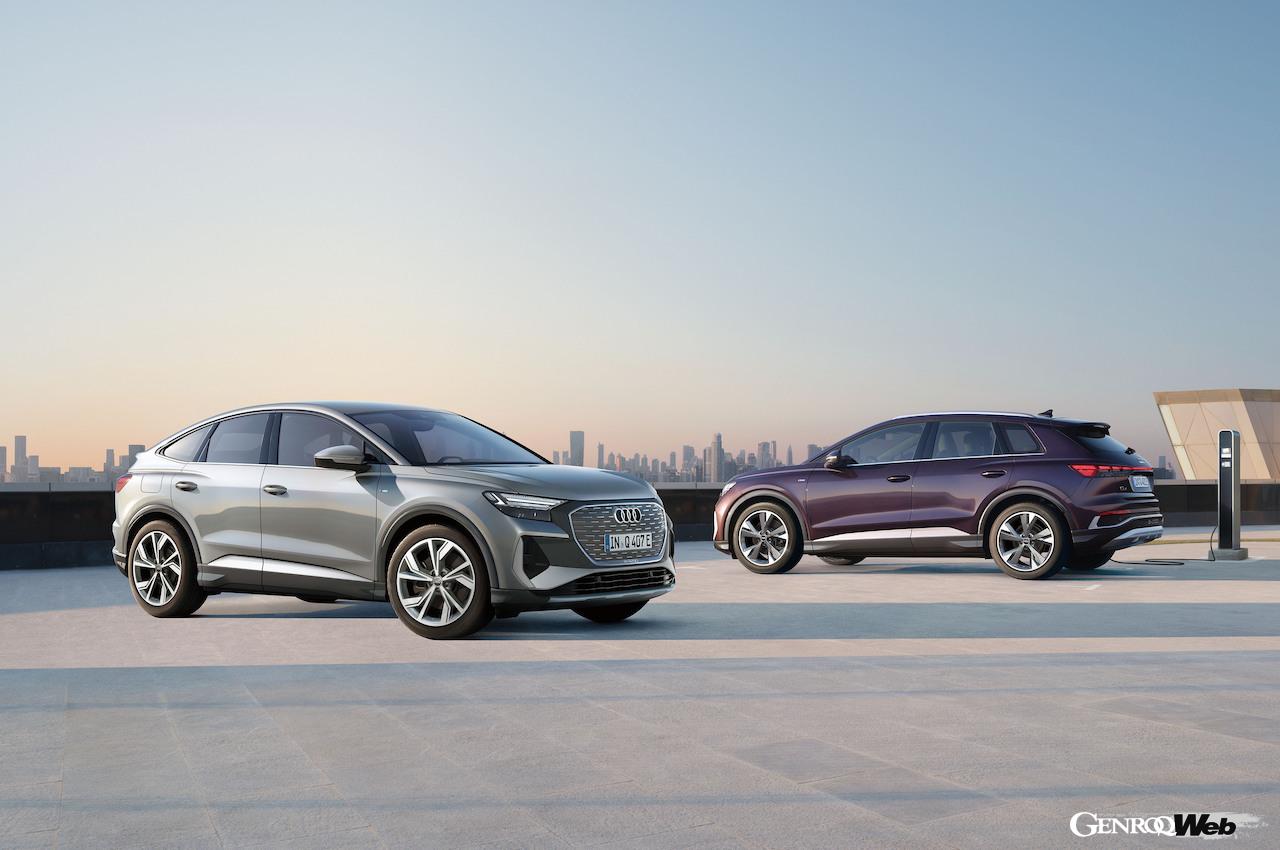
Mercedes-Benz E-Class Station Wagon

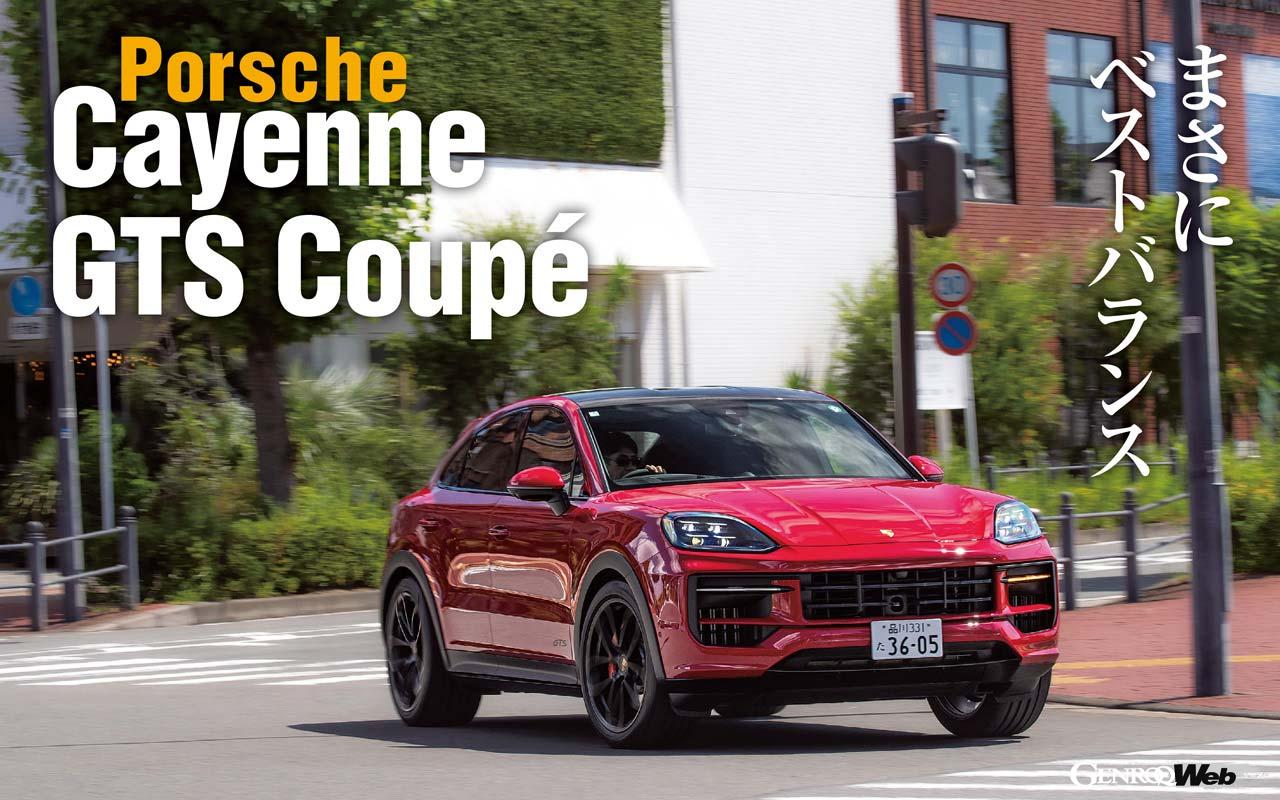
Porsche Cayenne

Mercedes-Benz E-Class Station Wagon

Porsche Cayenne
If you simply think about the body of a sedan-based station wagon and an SUV, which is derived from a cross-country 4WD, you will get the impression that the station wagon is longer and the SUV is taller. That impression is not wrong, but when you actually compare the two, you will find some interesting results.
When comparing the Mercedes-Benz E-Class and the Porsche Cayenne, their overall length is actually not that different. The E-Class feels longer and the Cayenne feels shorter, which is likely due to the difference in vehicle height and wheelbase. An even bigger difference is the overall width. This difference likely also affects the impression of body size.
However, what concerns me is the impact on fuel economy due to the difference in frontal projection area. Both cars have surely been given careful consideration in terms of aerodynamics, but it is not possible to make up for the physical differences. For example, when driving on a highway like the Autobahn, the E-Class, with its smaller frontal projection area and lower center of gravity, would probably feel more stable.
Mercedes-Benz E-Class Station Wagon E 300 Exclusive
Body size = Length 4960mm x Width 1880mm x Height 1480mm
Wheelbase = 2960mm
Vehicle weight = 1950kg
Tire size = 225/55R18
Porsche Cayenne
Body size = Length 4930mm x Width 1983mm x Height 1698mm
Wheelbase = 2895mm
Vehicle weight = 2130kg
Tire size = 225/55ZR20 (front) 295/45ZR20 (rear)
An engine with a different character and target

Mercedes-Benz E-Class Station Wagon

Porsche Cayenne

Mercedes-Benz E-Class Station Wagon

Porsche Cayenne
It’s safe to say that the engines of the E-Class and Cayenne are different in both format and purpose. The E-Class’s engine is thought to have settled on an inline 4-cylinder engine as a result of Mercedes-Benz’s pursuit of high stability and environmental performance. This is the result of striking a balance between sportiness and environmental performance while pursuing functionality as a station wagon.
On the other hand, the Cayenne is a model that pioneered high-performance SUVs. Therefore, even though it is an SUV, it pursues sporty performance. After all, the Cayenne is a Porsche. Porsche has an established image as a high-performance sports car, so any model that deviates from that direction would betray the expectations of users and fans.
At first glance, it may seem contradictory for an SUV to pursue sporty performance, but it makes sense when you consider the Cayenne’s creators. Incidentally, the Cayenne offers a “Turbo E-Hybrid” equipped with a V8 engine and an electric motor as its top-of-the-line model.
Mercedes-Benz E-Class Station Wagon E 300 Exclusive
Engine type = Inline 4-cylinder DOHC Turbo
Displacement = 1997cc
Maximum output = 258PS/5800rpm
Maximum torque = 400Nm/2000-3200rpm
Transmission = 9-speed AT
Drive system = RWD
Porsche Cayenne
Engine type = V6 DOHC turbo
Displacement = 2995cc
Maximum output = 353PS / 5400-6400rpm
Maximum torque = 500Nm / 1450-4500rpm
Transmission = 8-speed AT
Drive system = AWD
Does the E-Class seem expensive and the Cayenne seem cheap?

Mercedes-Benz E-Class Station Wagon

Porsche Cayenne
In fact, the price difference between the two cars is only about 800,000 yen. The Cayenne is more expensive, but since both cars are over 10 million yen, the difference feels insignificant.
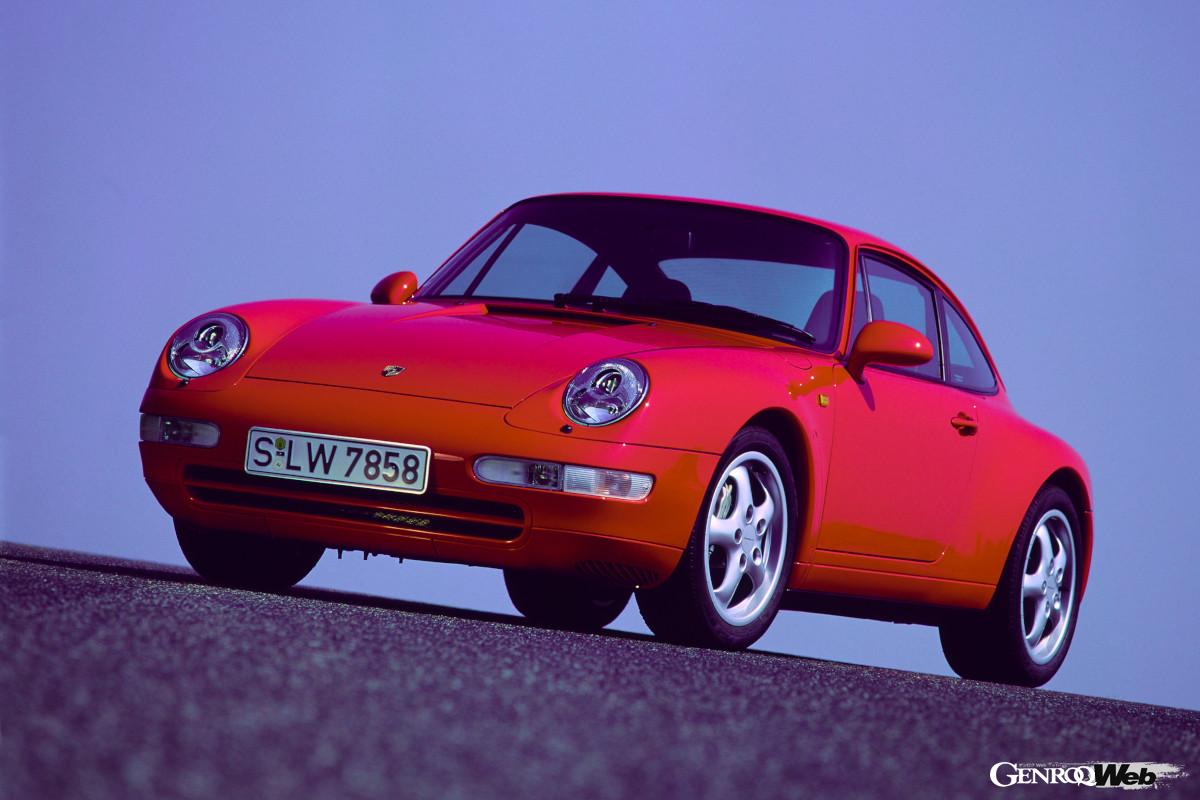
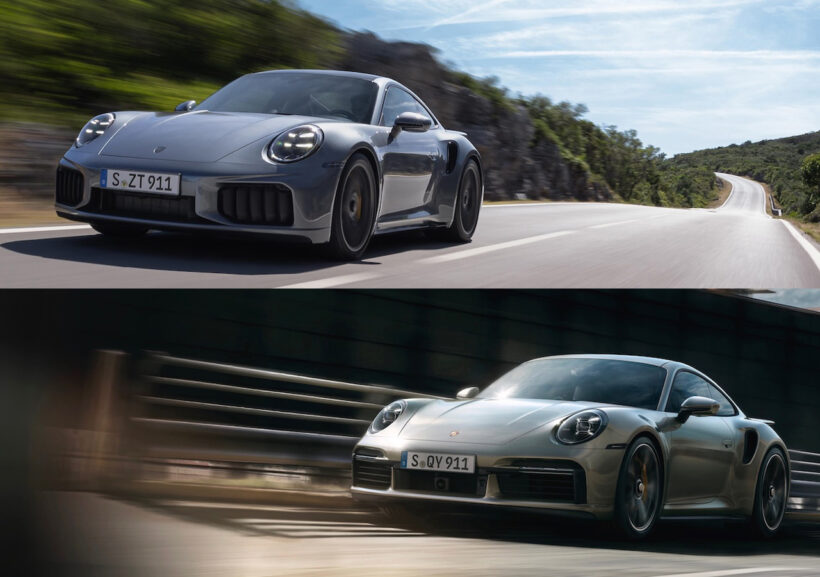
However, when you consider the engine specs, the 2.0-liter 4-cylinder E-Class seems expensive. And when you consider the 911, which requires a budget of nearly 20 million yen including all fees, the Cayenne seems cheap. Whether it feels expensive or cheap based on the brand image will vary from person to person.