
MERCEDES-BENZ EQS
×
BMW i7
Elegant EQS or dynamic i7?
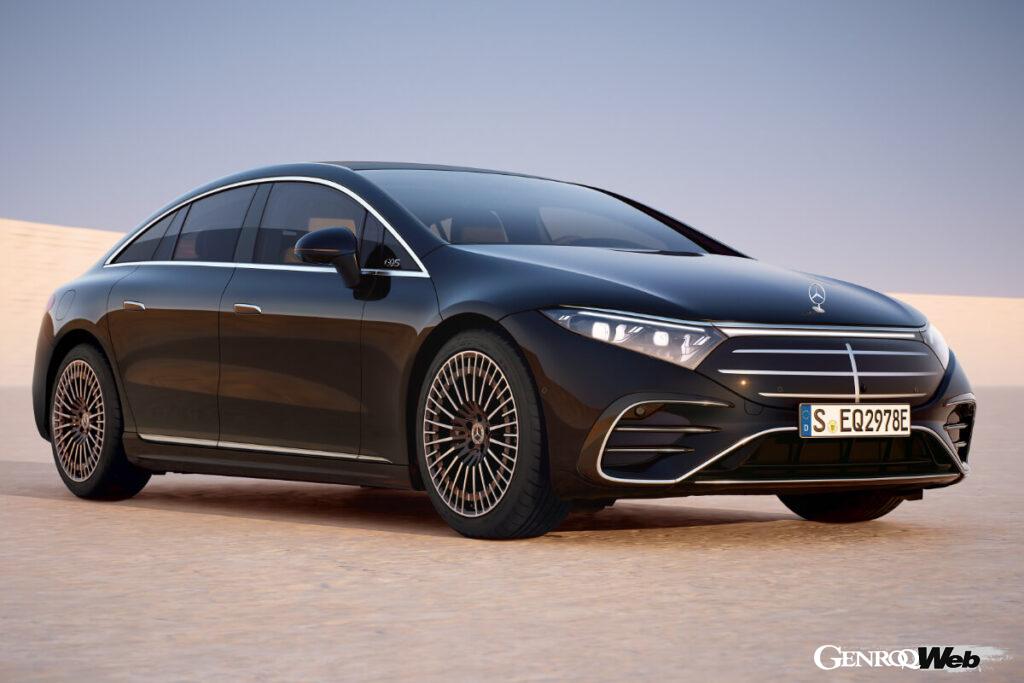
Mercedes-Benz EQS
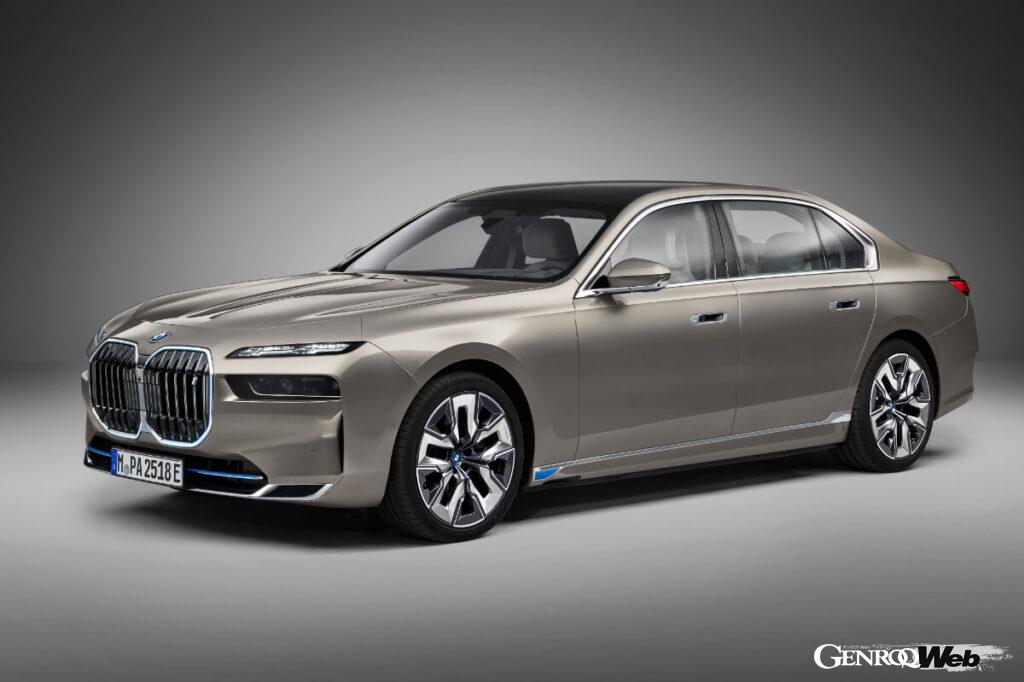
BMW i7
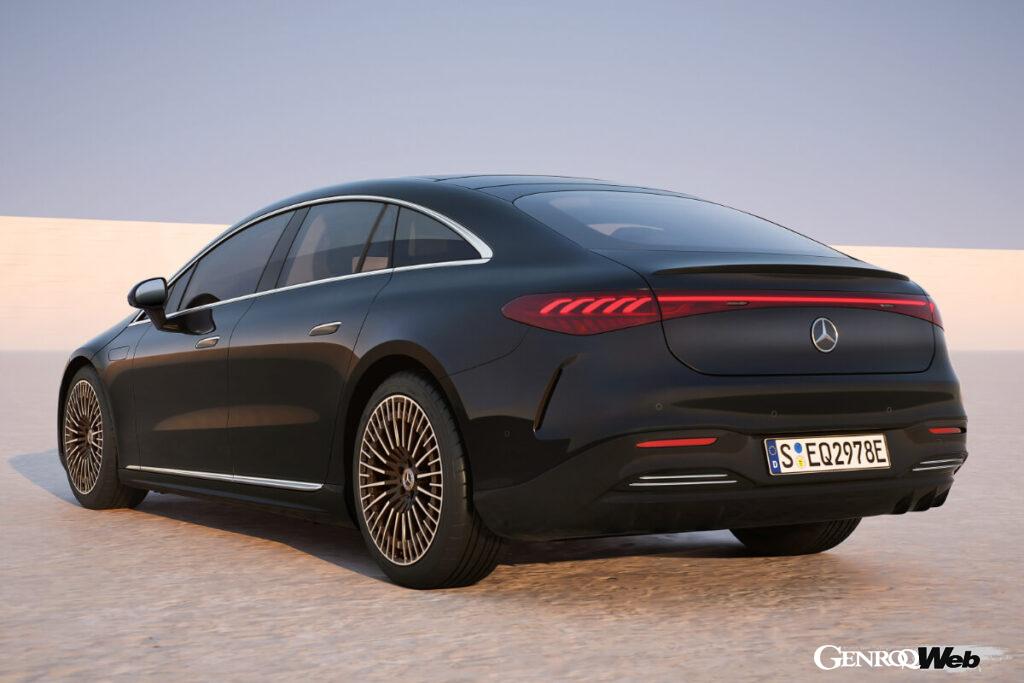
Mercedes-Benz EQS
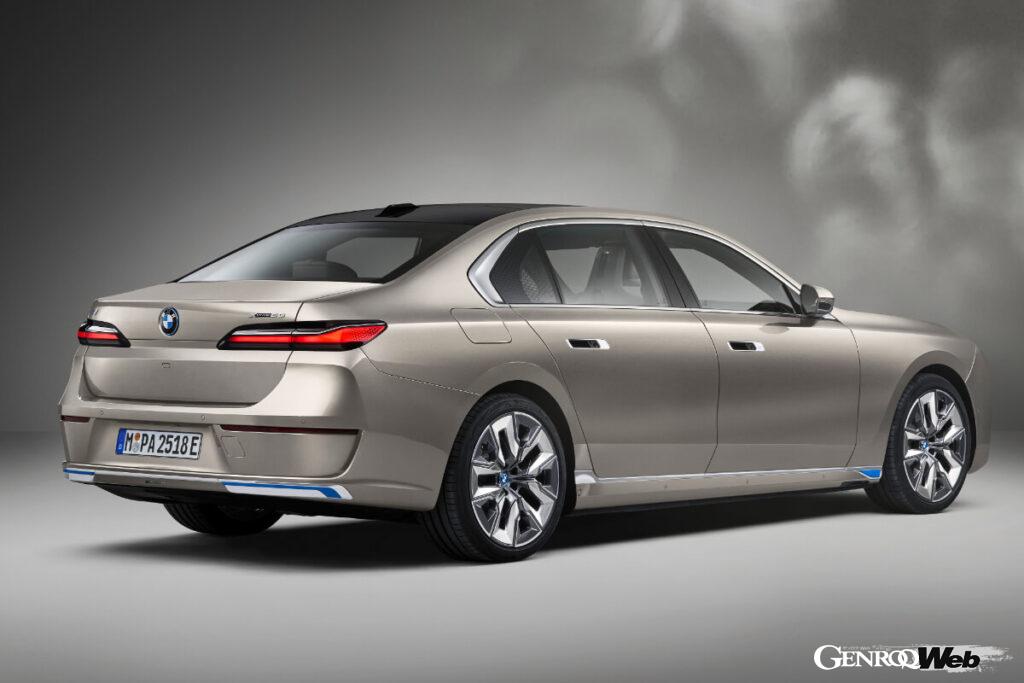
BMW i7
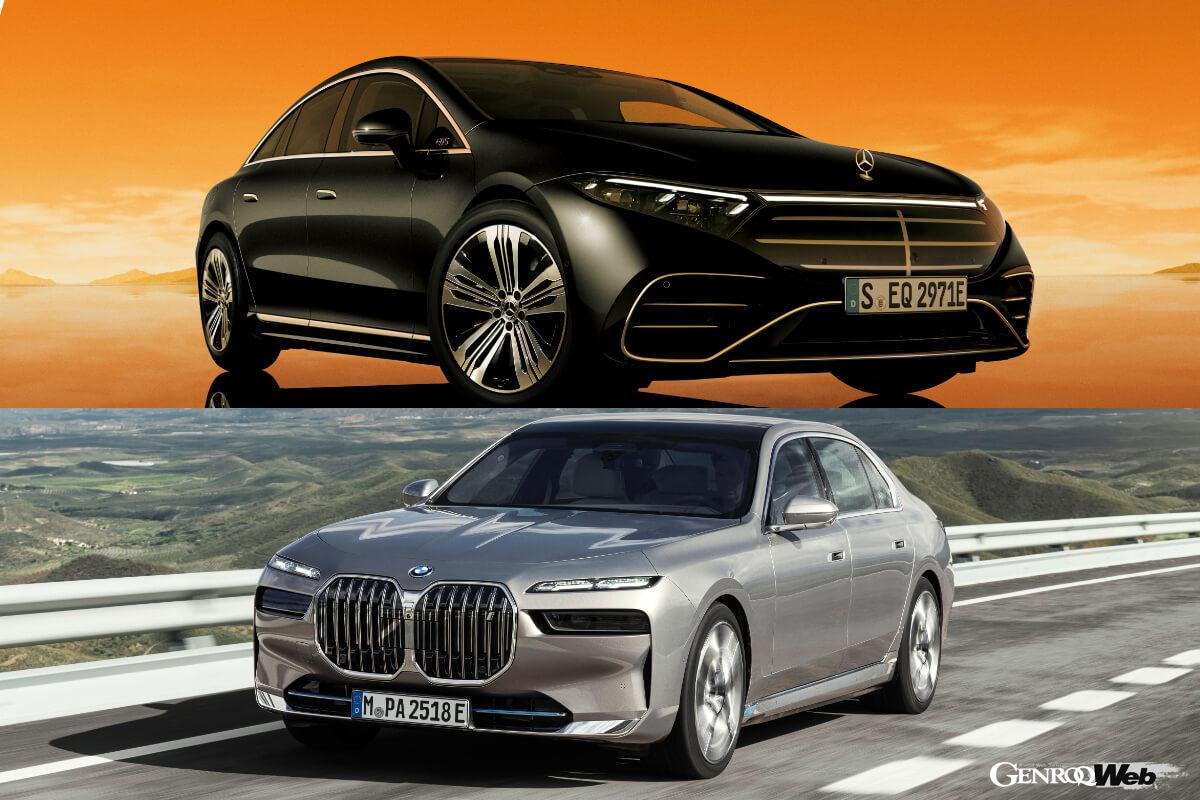
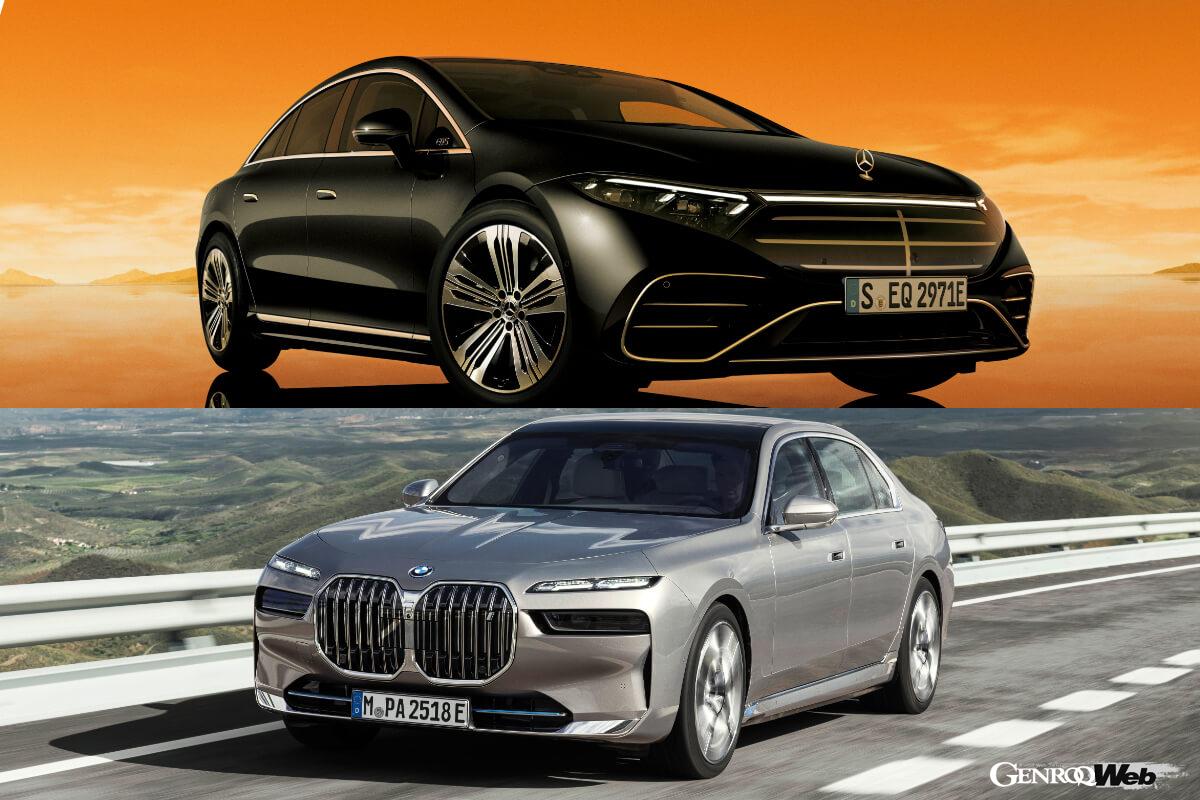
Let’s start by comparing the designs of the Mercedes-Benz EQS 450+ and the BMW i7 eDrive50 M Sport. The EQS is characterized by its elegant silhouette. Its smooth body shape is not only stylish, but also functional, achieving a world-leading aerodynamic drag coefficient of 0.20. The front grille features a black panel with chrome lines, and combined with the high-performance adaptive headlights, “Digital Light,” it looks particularly advanced. The rear combination lamps, with LED lights arranged in a horizontal line, also emphasize the width of the rear view and give the viewer a sophisticated impression.
On the other hand, the i7, an electric model based on BMW’s luxury sedan “7 Series,” inherits the dynamic design of the base model. The slim headlights unique to the 7 Series create a modern atmosphere, and the large kidney grille features an illuminating “Iconic Glow” design, giving it a strong presence. In contrast, the rear view is characterized by its simplicity.
Next, let’s look at the interior. The EQS uses the MBUX Hyperscreen, a futuristic design in which the entire dashboard is covered with displays. With the addition of ambient lighting, it has an advanced feel like the cockpit of a spaceship.
In comparison, the i7 feels like a more tranquil interior space, but BMW’s latest generation interior, featuring a curved display and luminous crystal decorations, is just as impressive as the EQS. The interior also uses high-quality materials, and the i7’s interior combines classic luxury with the latest technology to create a modern look.
Mercedes-Benz EQS 450+
Body size = Length 5225mm x Width 1925mm x Height 1520mm
Wheelbase = 3210mm
Vehicle weight = 2500kg
Tire size = 255/45R20
BMW i7 eDrive50 M Sport
Body size = Length 5390mm x Width 1950mm x Height 1545mm
Wheelbase = 3215mm
Vehicle weight = 2560kg
Tire size = 255/45R20 (front) 285/40R20 (rear)
The EQS has a long driving range, while the i7 excels in power performance
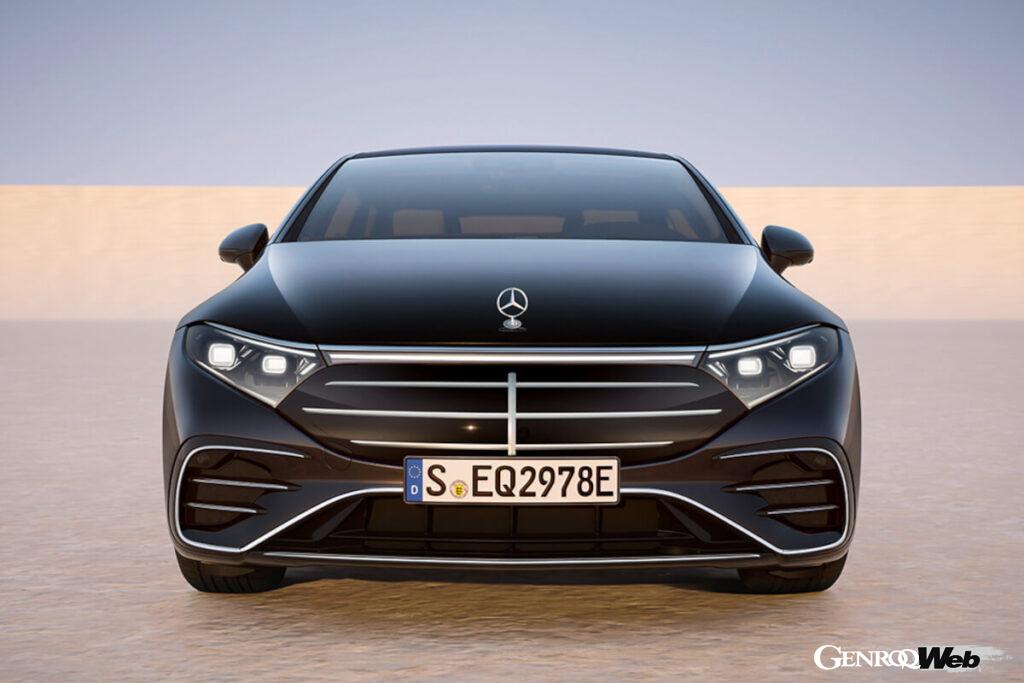
Mercedes-Benz EQS
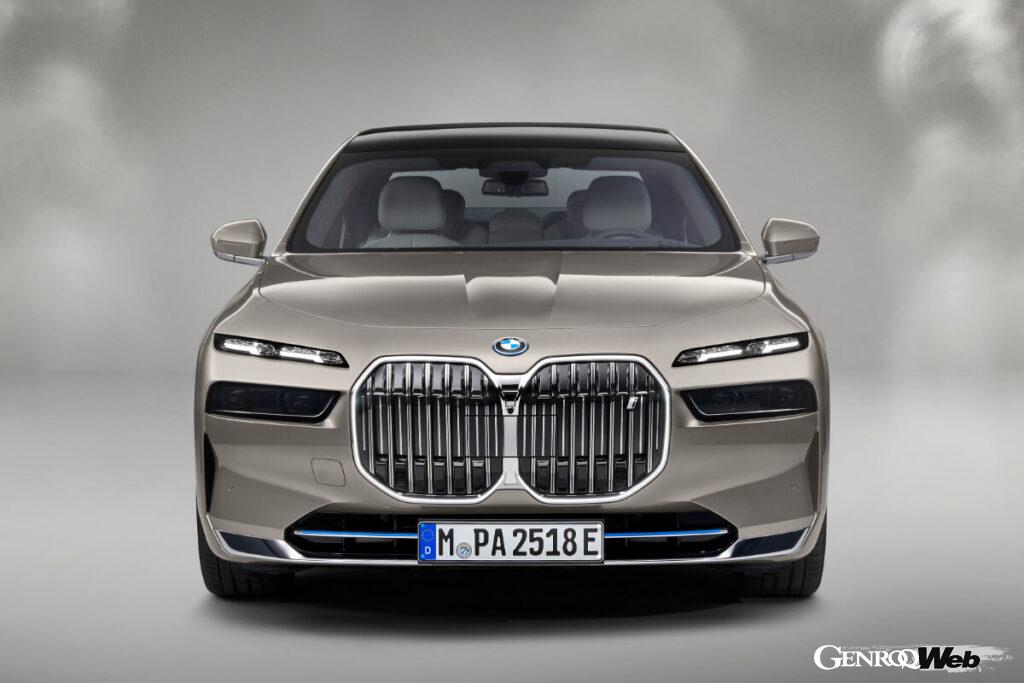
BMW i7
Both electric powertrains offer high performance. The rear motor of the EQS 450+ rear-wheel drive model produces a maximum output of 360 PS and a maximum torque of 568 Nm, giving it a maximum range of 759 km in WLTC mode, making it one of the best electric sedans.
The i7 eDrive50 is also a rear-wheel drive model powered solely by the rear motor, but the motor has a maximum output of 455 PS and a maximum torque of 650 Nm, making it more powerful than the EQS 450+. The i7 eDrive50’s maximum range is 562 km, which is shorter than the EQS 450+, but it offers higher power performance. The EQS’s long range is likely due in no small part to the excellent aerodynamic performance of its body.
In terms of ride quality, the EQS emphasizes smooth and quiet driving, while the i7 has a strong driver’s car character. The EQS, which comes standard with air suspension, is also characterized by its comfortable ride. On the other hand, the i7 also comes standard with air suspension on all vehicles, but you can also expect high driving performance that is typical of BMW.
Mercedes-Benz EQS 450+
Drive battery type = Lithium-ion battery
Rated output = –
Maximum output = 360ps / 4513~8786rpm
Maximum torque = 568Nm / 0~4427rpm
Transmission = 1-speed fixed
Drive system = RWD
BMW i7 eDrive50 M Sport
Battery type = Lithium-ion battery
Rated output = 125 kW
Maximum output = 455 PS / 13000 rpm
Maximum torque = 650 Nm / 0 ~ 5000 rpm
Transmission = 1-speed fixed
Drive system = RWD
Two contrasting luxury EVs
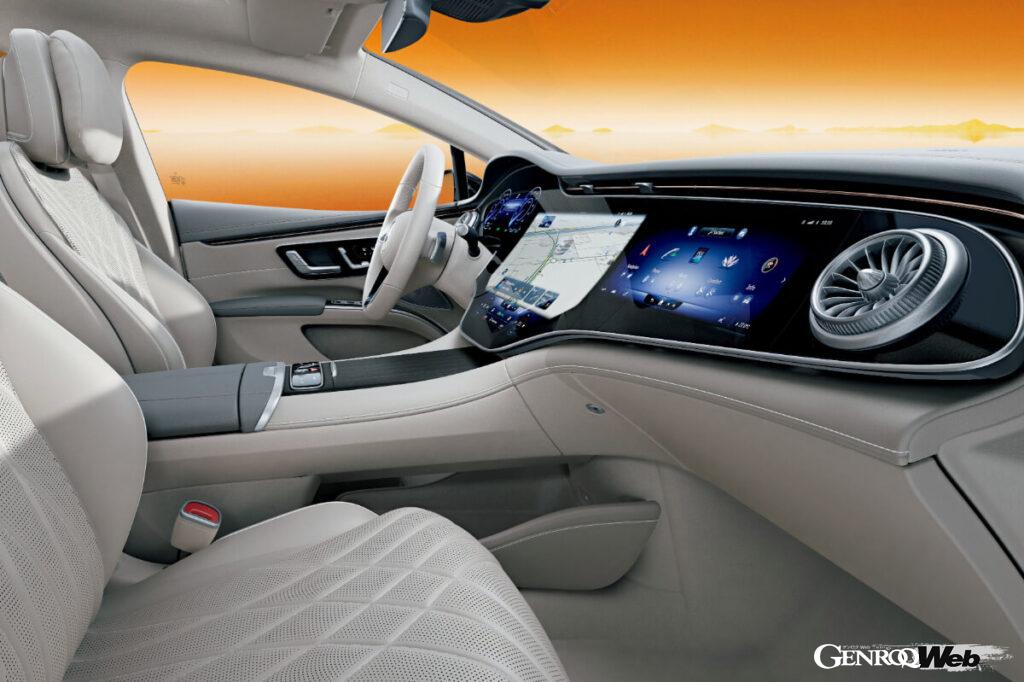
Mercedes-Benz EQS
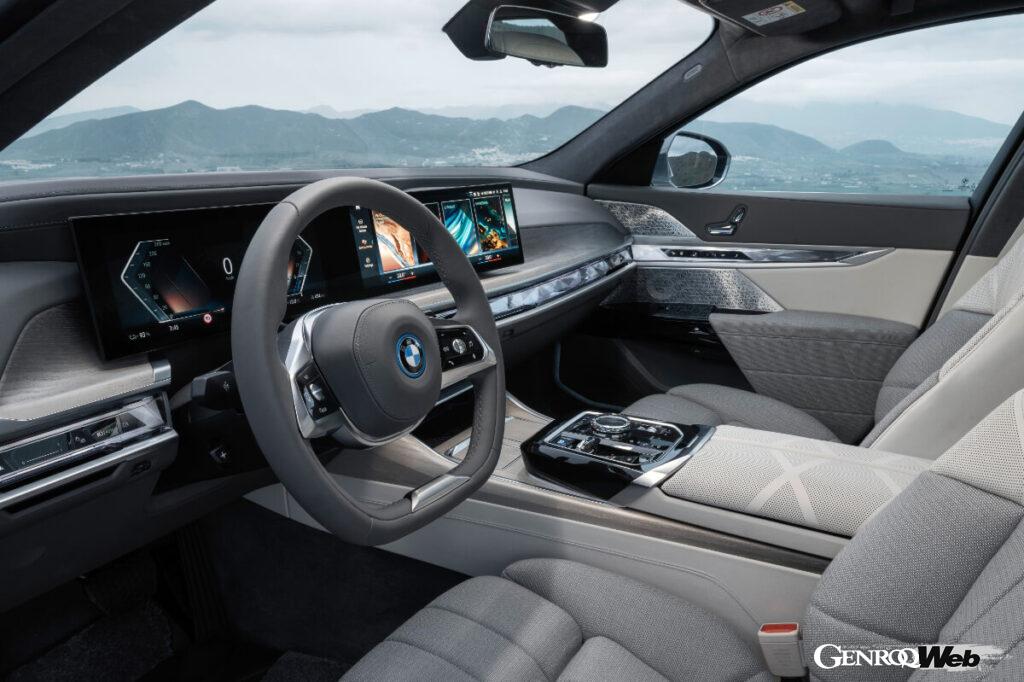
BMW i7
Both are rear-wheel drive luxury EVs in the shape of large sedans, with similar body sizes. Furthermore, their vehicle prices are also comparable. The EQS’s distinctive features include its advanced interior and exterior design, the comfortable ride of its air suspension, and its long driving range. If you select the optional “Exclusive Package,” the rear seats can be changed to “Executive Seats” that prioritize comfort, making it suitable for chauffeur use.
The i7, on the other hand, is an EV that maintains BMW’s signature sporty driving performance while also combining the luxury of the 7 Series. The i7 also offers optional equipment such as massage seats and a large 31.3-inch screen, providing a chauffeur-driven rear seat environment.
The two cars have very similar specifications, but even though they are EVs, the fundamental differences between Mercedes-Benz and BMW are clearly reflected.