
![British journalist predicts the future of electrified hypercars [2025 predictions]](https://wheelfeed.com/wp-content/uploads/2025/01/3953-1761202297451.jpg)
Electrification of hypercars has not taken off
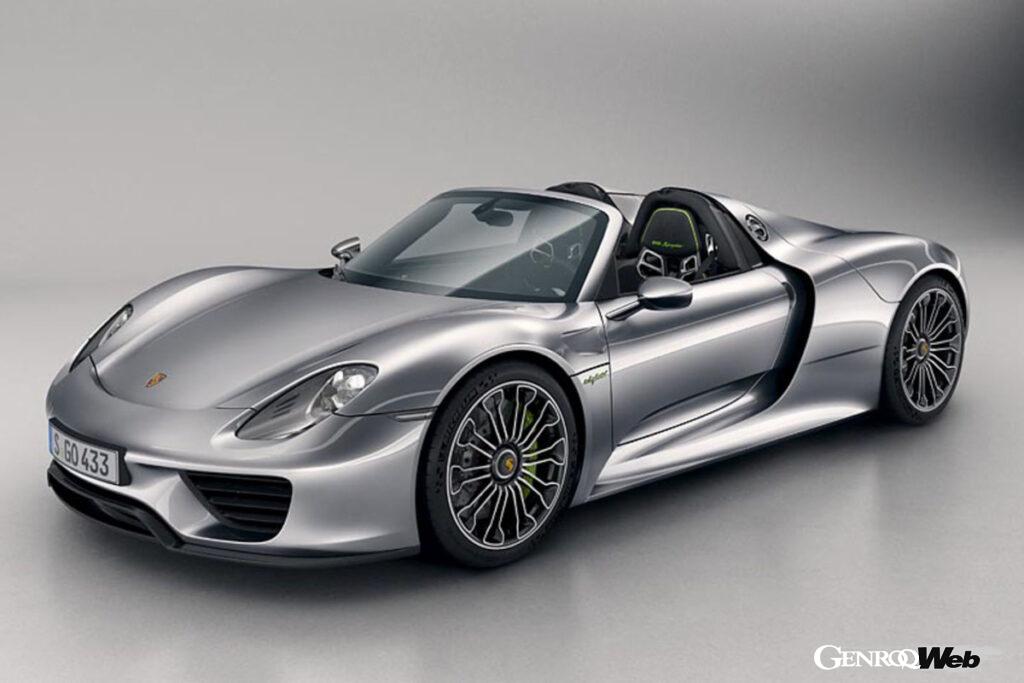
Porsche 918

Aston Martin Valkyrie
Around 2013, it seemed as though hypercars would rapidly move down the path of electrification. The LaFerrari, McLaren P1, and Porsche 918 were released in rapid succession. All three were hybrids (HEVs), the latter two were also plug-in hybrids (PHEVs) with practical EV ranges for city driving, and the 918 even had a front-wheel motor. These were the pinnacle of supercars at the time, and it was thought that the entire class would follow suit.
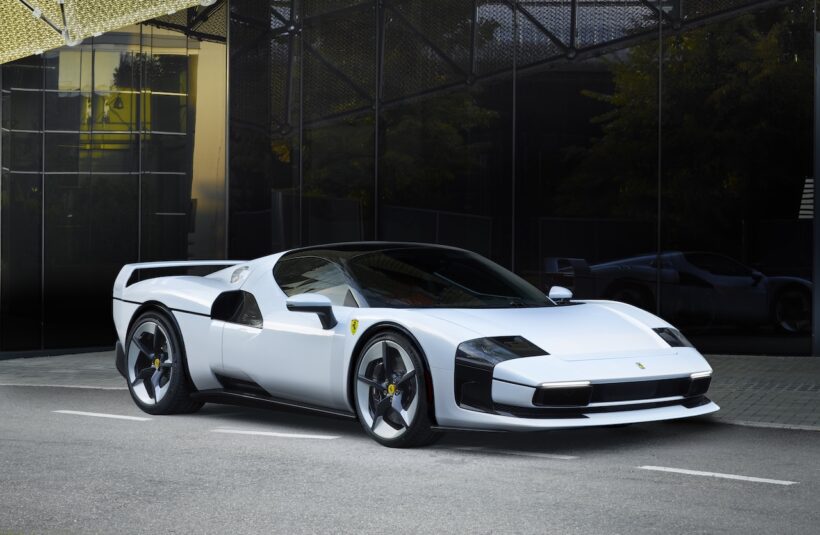
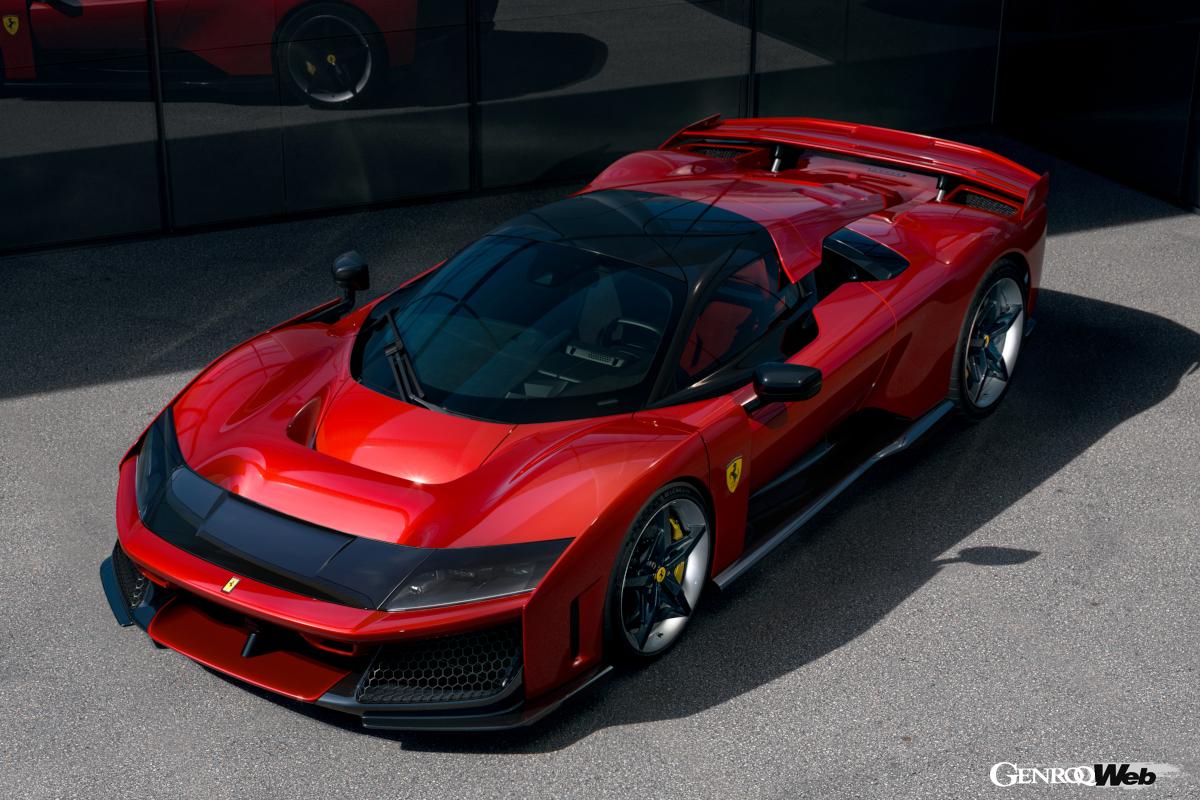
That didn’t happen. While the recent McLaren W1 and Ferrari F80 are hybrids, their batteries are small and offer very little electric range. The McLaren is a PHEV. The Aston Martin Valkyrie doesn’t have plug-in capabilities, nor do the Red Bull RB17 and Bugatti Tourbillon. The Mercedes-AMG ONE, on the other hand, does.
On the other hand, the Gordon Murray Automotive (GMA) T.50, Pagani Utopia, and Koenigsegg Jesko do not feature any high-voltage electric assist. Gordon Murray wanted lighter weight and an exotic engine sound, and Horacio Pagani said that AMG had prepared a V8 engine with plug-in hybrid and AWD for the Utopia, but “it would have been 1000 PS and would have been easy to certify for global markets, but it would have added 350 to 400 kg to the weight. Our customers want a V12, non-hybrid.”
Why the AMG ONE has a plug-in system
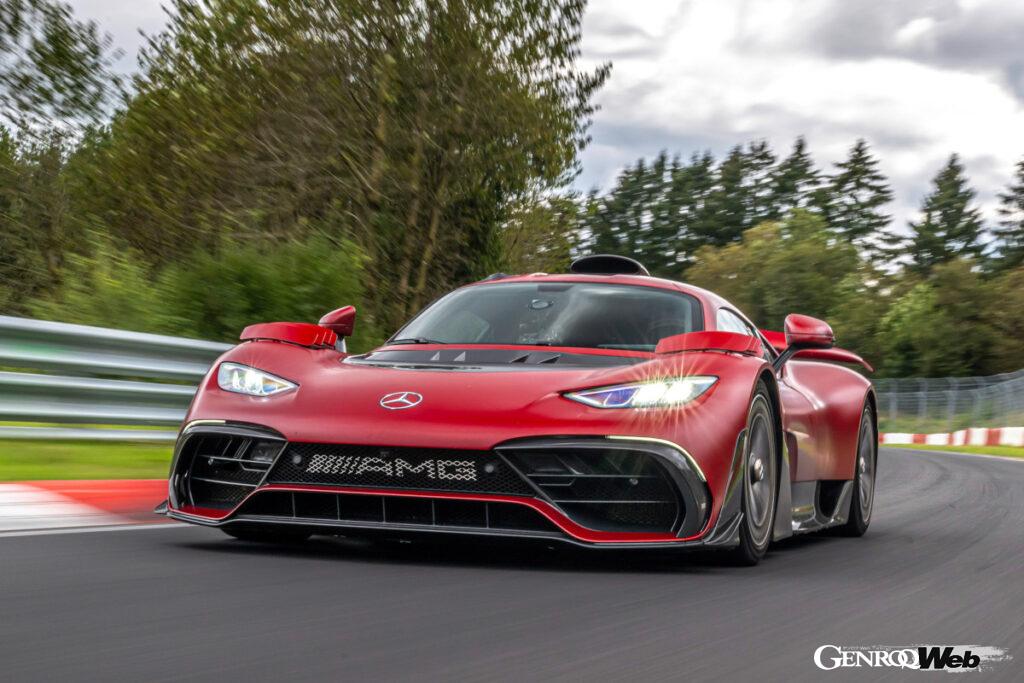
Mercedes-AMG ONE
In the early 2010s, hypercar manufacturers didn’t know what global emissions and CO2 regulations would be. They protected their new cars’ futures by incorporating plug-in systems to ensure they performed well in test cycles like the WLTC. However, these hypercars were technological leaders and needed to lead the way. For some manufacturers, hypercars were a small part of their overall vehicle lineup and didn’t have a significant impact on CAFE (Corporate Average Fuel Economy) standards. Marketers also assumed owners would want to quietly drive their cars from home and drive them around town, but that wasn’t the case.
Another reason for the AMG ONE’s plug-in battery is its unique requirements: the car needs electrical energy to warm up its catalytic converters and F1-derived engine to operating temperature before starting – similar to what a race-spec engine does in the pits, but which no other production car has such a requirement.
What does electrifying hypercars mean?

Bugatti Tourbillon

Bugatti Tourbillon
Hybrid systems don’t just reduce emissions; they also contribute to performance. Hybrids recover energy when braking and provide power when accelerating. Or, in cars with front-mounted electric motors—such as the 918, Tourbillon, F80, and AMG ONE—they improve traction and torque vectoring, improving cornering and acceleration out of corners.
The direction of modern hypercars is evident in the very small batteries of the W1 and F80. Their power output is based on the energy they can recuperate when slowing down at the end of a long straightaway. Anything beyond that is just excess mass. Ferrari’s battery is larger than McLaren’s (2.3kWh vs. 1.4kWh) because the front motor regenerates more. Its cells are very power-oriented and require gentle balancing charging to keep them in ideal condition over several years.
So the reason for the plug-in socket isn’t environmental regulations – manufacturers believe exemptions will be given for small production cars for the next few years, and we won’t see many PHEV supercars in the future.