

Le Mans
The opening where the 911 raced through
[1]
[2]

[3]
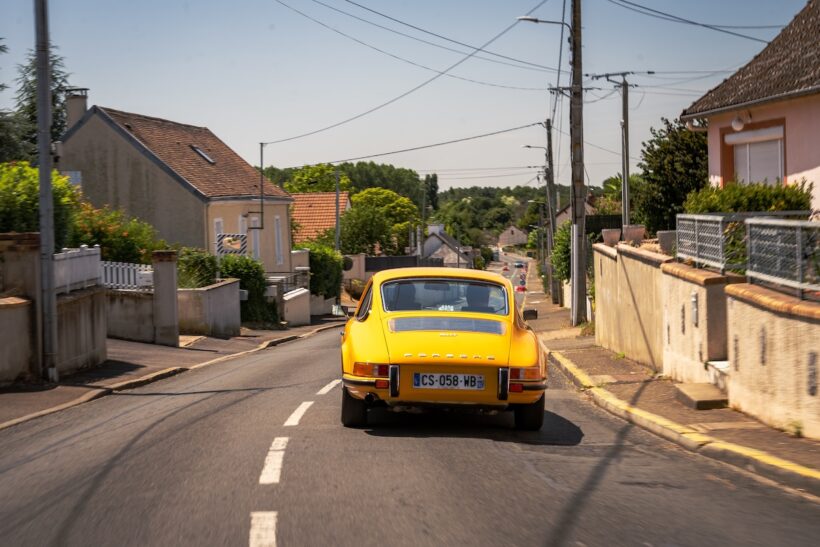
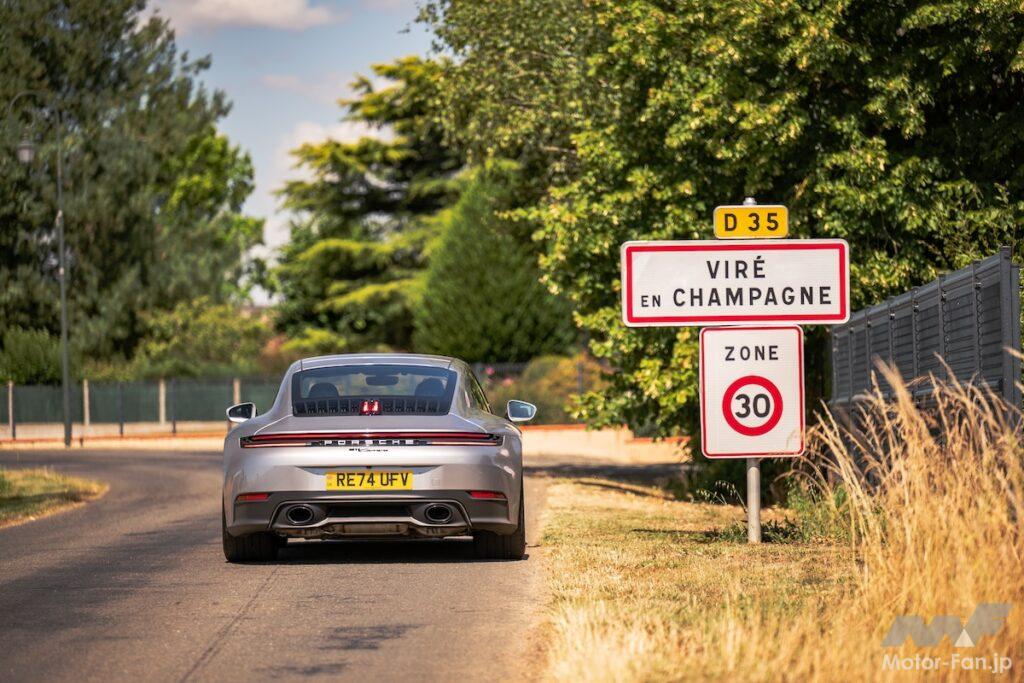
[1] This is in front of the chateau that McQueen rented for the first three months of filming. His daily commute began here. [2] This is the beginning of McQueen’s daily commute. We have no intention of challenging his “average speed goal of 200 km/h.” [3] In the opening scene of the film, Delaney drives a 911 across the Brulon Bridge. 55 years later, it has remained largely unchanged.
In the late 1960s, McQueen was known as the “King of Cool.” He was at the height of his acting career with the huge success of “Bullitt,” and was running his own production company, Solar Productions. His next goal was to inject his passion for racing into filmmaking. He moved to France and began work on “Le Mans.”
However, the film, released in June 1971, was panned by audiences for having “no dialogue or plot” and was a box office flop, costing McQueen his wife, his home, his company, and even his fortune, marking the biggest setback of his career.
Meanwhile, the film’s opening scene remains legendary: protagonist Michael Delaney driving a 1970 Porsche 911 2.2 S through the French countryside. McQueen actually owned the same slate gray 911 in California, but purchased a new one locally for filming. Porsche also provided multiple 911s, and drivers Derek Bell, Jonathan Williams, and even director John Sturges regularly drove them.
McQueen reportedly drove the 911 at full throttle every day from the chateau where the filming took place to the circuit, aiming for his personal best of “under 15 minutes, averaging 200km/h.”
The path to follow half a century later

[4]
[5]

[6]
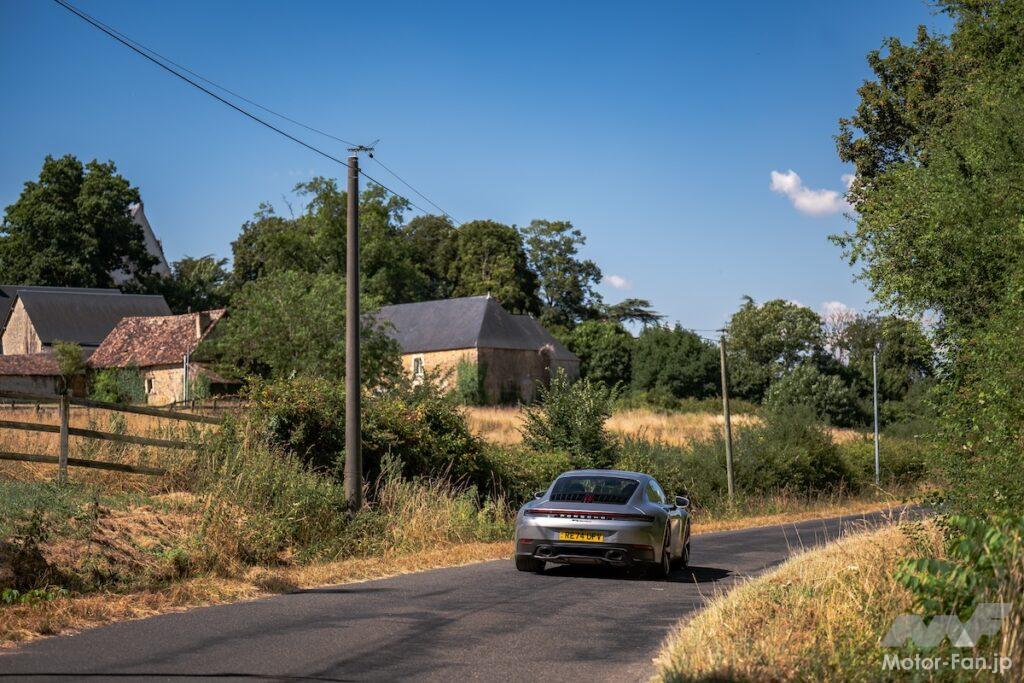
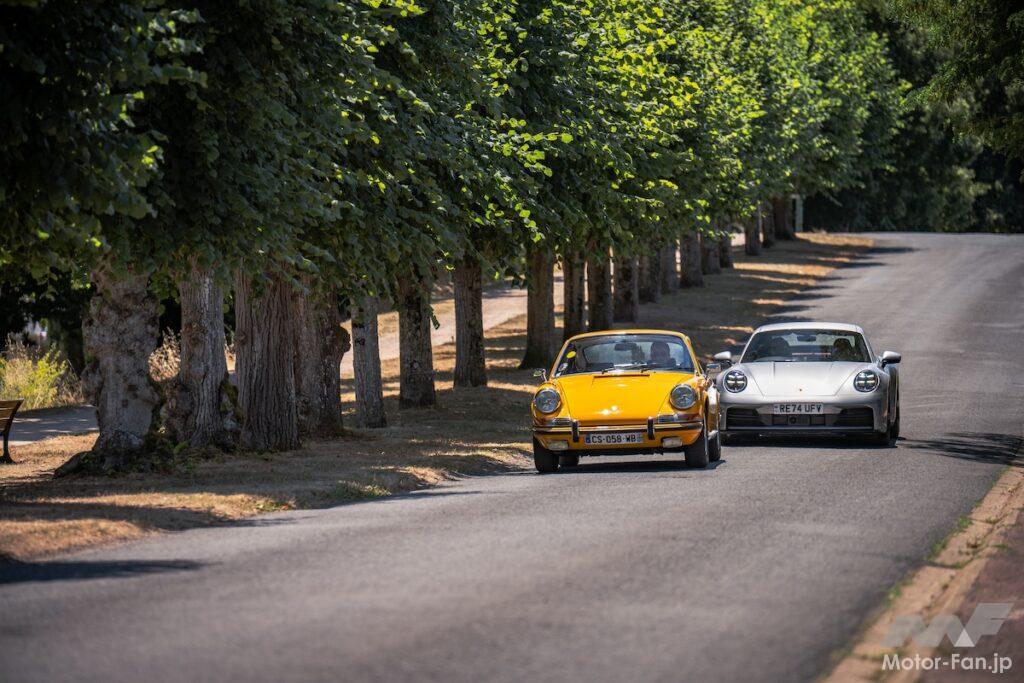
[4] Even the French countryside is beautifully maintained, making it a joy to ride. [5] Not far from the village of Arnage, Filet is located on the Sarthe River downstream from Le Mans. [6] It’s an artistic twist, but we’re still in Filet. Here we cross the Sarthe River and head back towards Villers-en-Champagne.

[7]

[8]
[9]
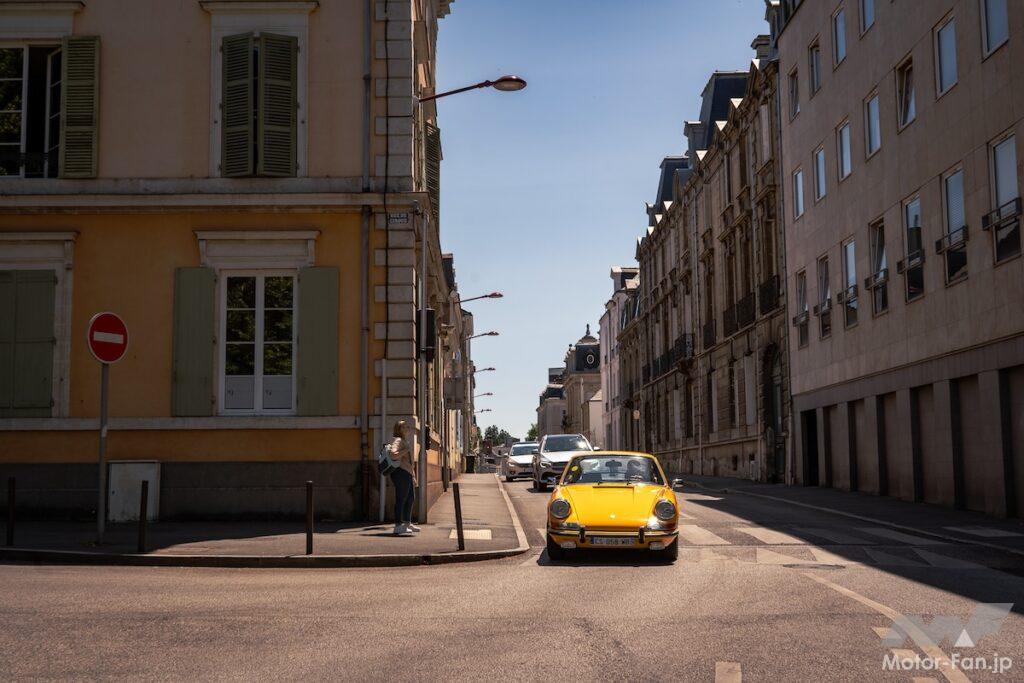
[7] The restaurant is almost unchanged. Under the midday sun, a local man told me, “I’ve never heard of the movie ‘Le Mans.'” [8] Apart from the parked cars, the scene is almost identical to the one in the film. [9] The scene shifts to the old town of Le Mans, on the road leading from the circuit to the city center.
Fifty-five years later, we retraced that route in the latest 992.2 Carrera, which boasts comfortable 18-way seats, effortlessly handles highways and country roads, and delivers impressive acceleration in Sport Plus mode.
Even more exciting was the fact that the 2.2-liter 911 of that time was also brought along. It was a T model, not the 2.2 S seen in the film, but it gave off a sense of power close to that of the S, and although it had a finicky gearbox and vague controls, it was full of provocative character. The impact it had on those who drove it here in 1970 is immeasurable. Even from a modern perspective, the vitality and presence of this small sports car remain undiminished.
The whole village on my commute route was excited
[10]
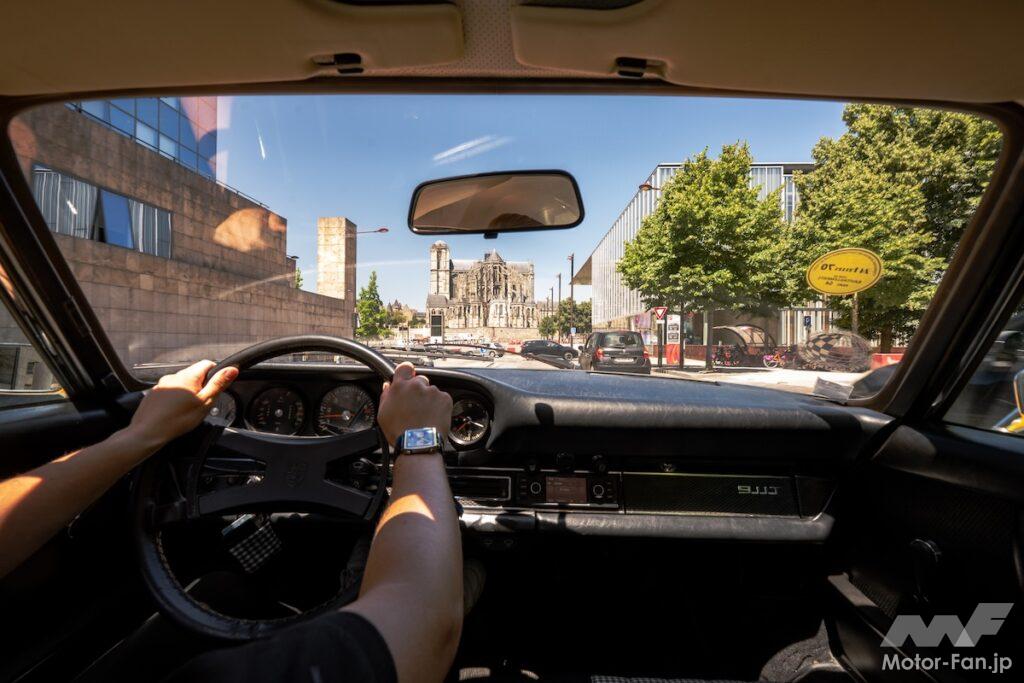
[11]
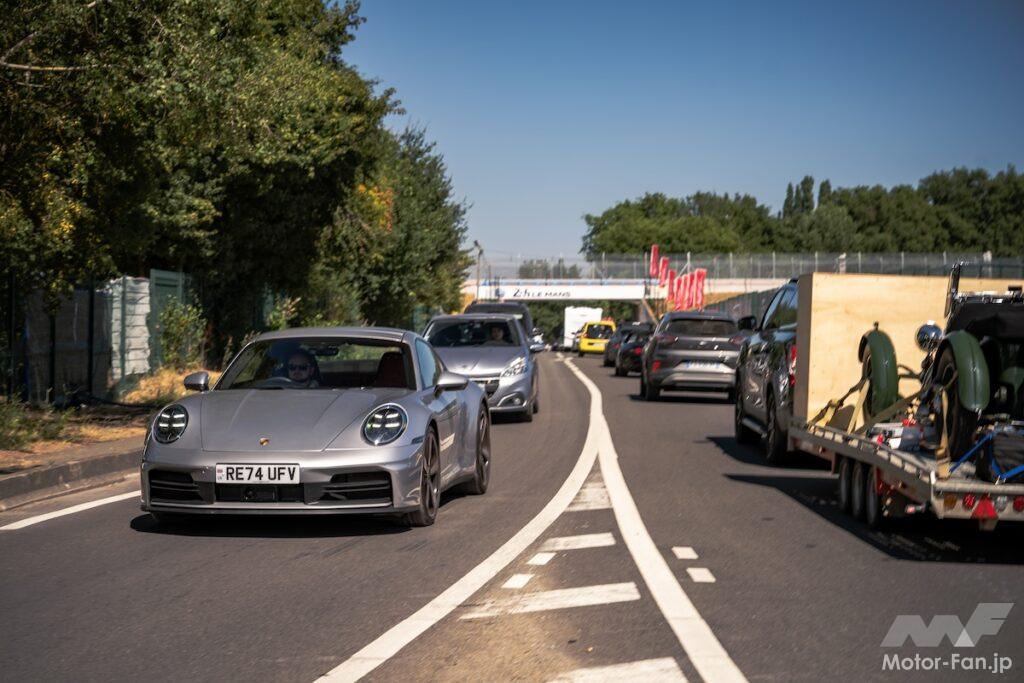
[12]
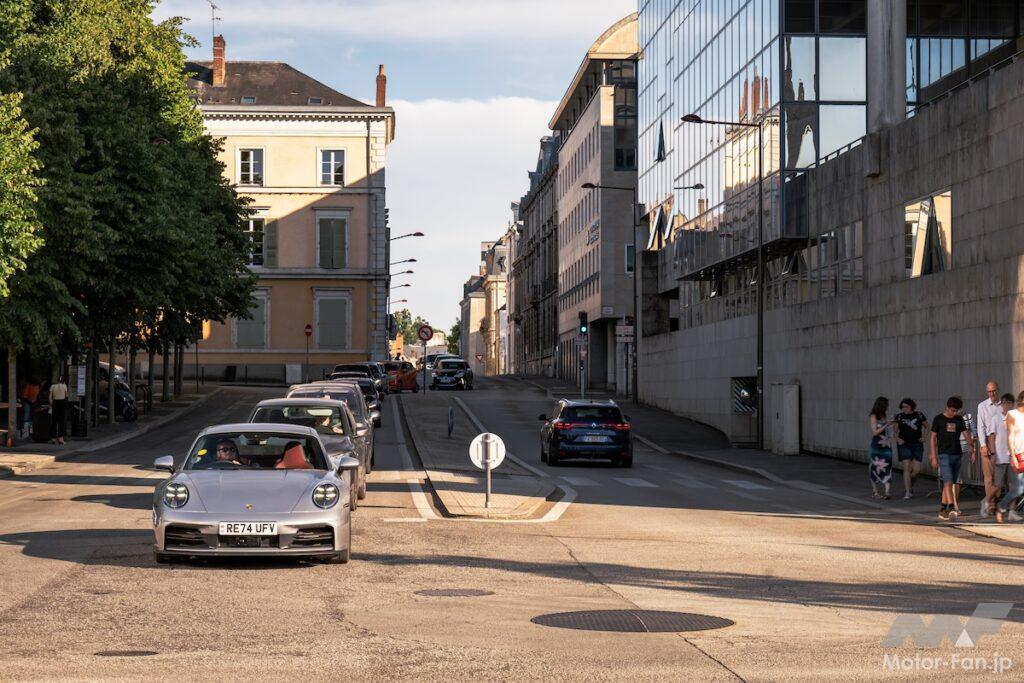
[10] In 2014, trams were reintroduced to Le Mans, and the road was closed, so it’s impossible to recreate the scene from back then. [11] Place des Jacobins is now pedestrianized. In 1970, Delaney could have gone straight ahead, but we had to take a detour. Incidentally, the driver’s original “1133B Monaco” is still shining on his wrist. [12] In 1970, Delaney turned right here and entered the public road section. However, in 1972, the Porsche Curve, which crosses the bridge visible in the background, was built, and this dangerous section was abolished.
The bridge and tree-lined roads seen in the opening credits still retain a strong resemblance to the village. However, the village has expanded two to three times its original size, with strict speed limits and speed bumps. It is no longer possible to drive through at 200 km/h. One resident recalled, “Every day McQueen would pass by, the whole village would go wild.”
Subsequent scenes show the streets of Le Mans where Elga Andersen, playing his lover, buys flowers, and the old course, Maison Blanche, where John Wolff lost his life in the 917 the previous year, cleverly interweaving fact and fiction in the film.
McQueen had no intention of giving the main character, Delaney, a victory, because he believed that the film should not be about the winners, but about the racers themselves, risking their lives. However, in reality, he himself suffered defeat. The insurance company ruled out allowing him to compete in the 917, the director stepped down, and the production company forced the plot. In the end, he even had to forgo his salary and prioritize completing the film.
The only thing left is
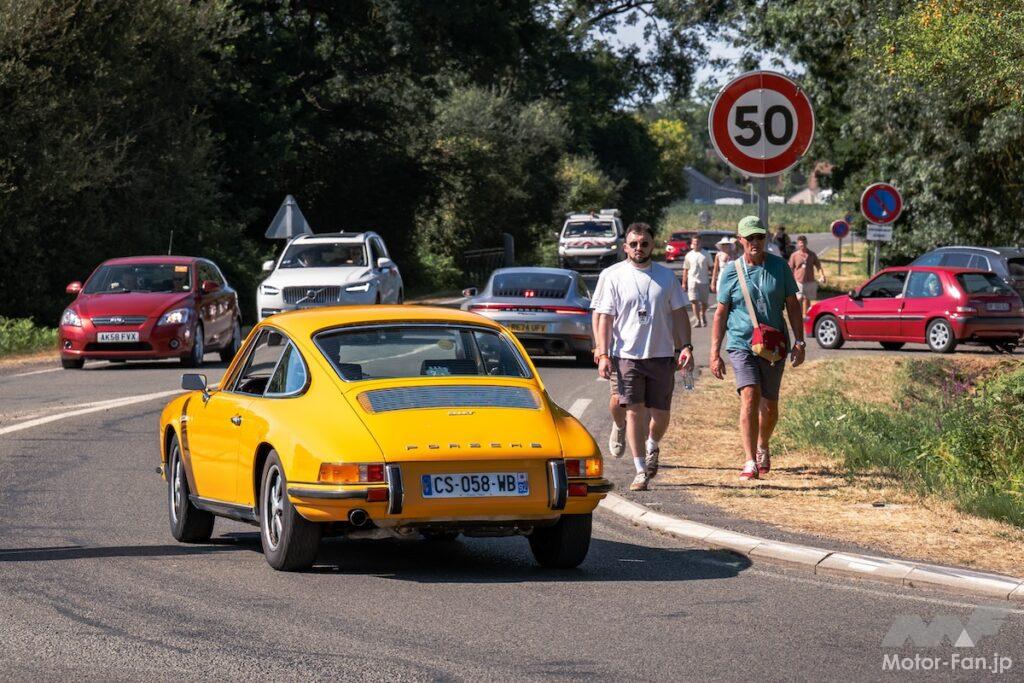
[13]
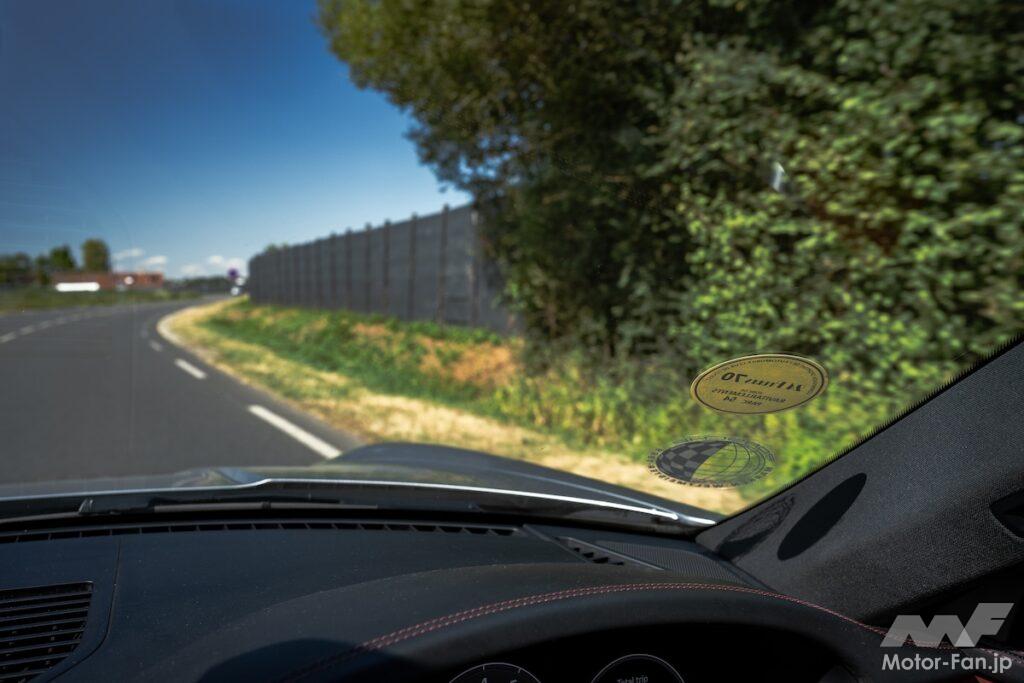
[14]
[15]
[16]

[17]
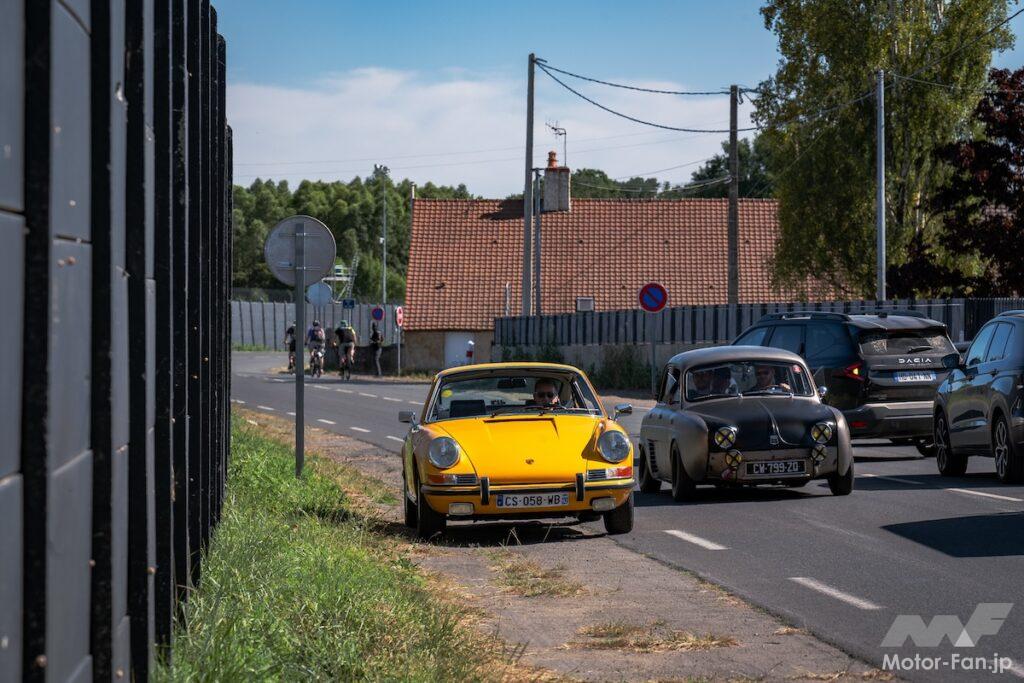
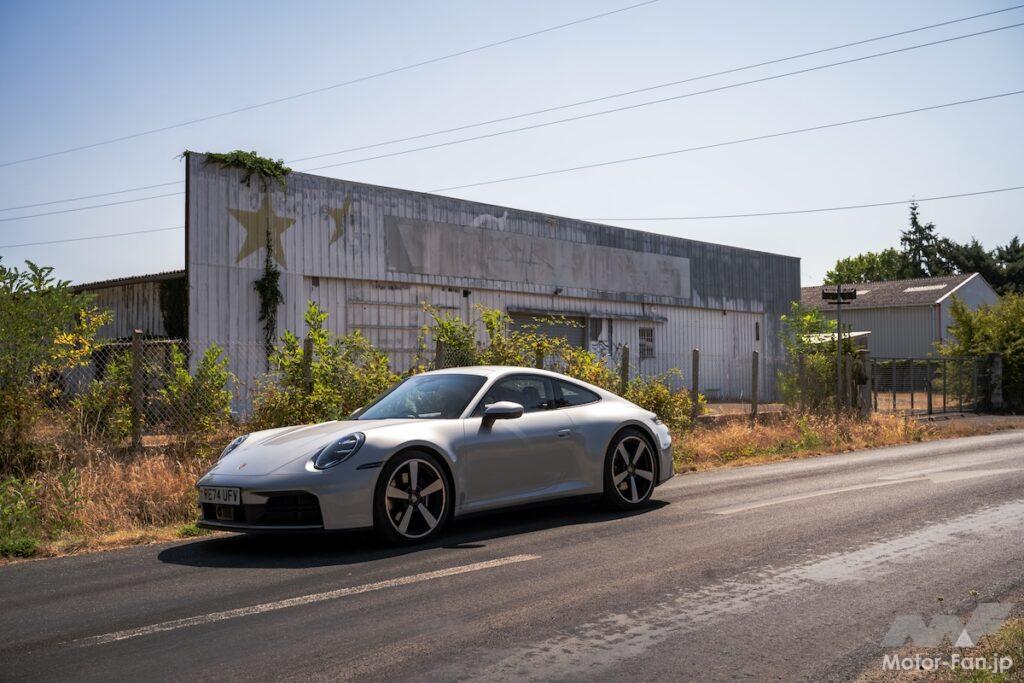
[13] The intersection is now a roundabout and is extremely congested during the Le Mans Classic in July. [14] The direction of Maison Blanche on the old course. It took a long time to accurately recreate the windshield sticker on Delaney’s car in the film. [15] “Maison Blanche” literally translates to “white house.” It’s named after the house in the background, which was once white. After John Wolff crashed and died here during a 1969 race, this corner was deemed too dangerous. Inside the fence on the left was a campground, but now the Porsche Center is located there. [16] It took a long time to locate the garage rented by Solar Productions to store, maintain, and modify the racing cars used in the film. Every day, the cars were transported to the circuit via public roads, accompanied by a police escort. [17] The end of McQueen’s commute. This is the entrance to Solar Village, the administrative building that served as the base for film production.
However, one Porsche remained with him: the slate gray 911 S featured in the opening scene. After filming, McQueen shipped it back to the United States and kept it as his “partner” throughout the tumultuous production process.
“Le Mans” has overcome its initial failure and has now become legendary. The 911 that McQueen protected despite losing everything is a living testament to that story.
PHOTO/Fox Syndication