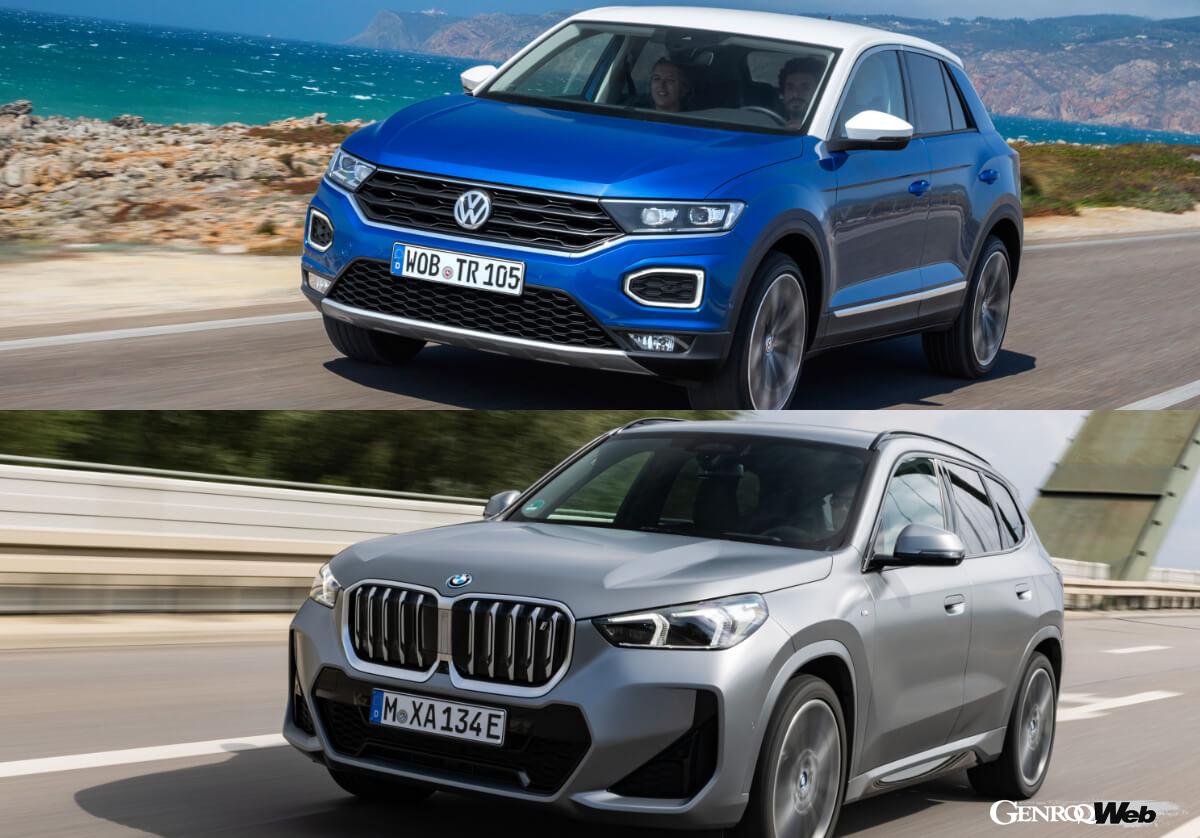

BMW X1
×
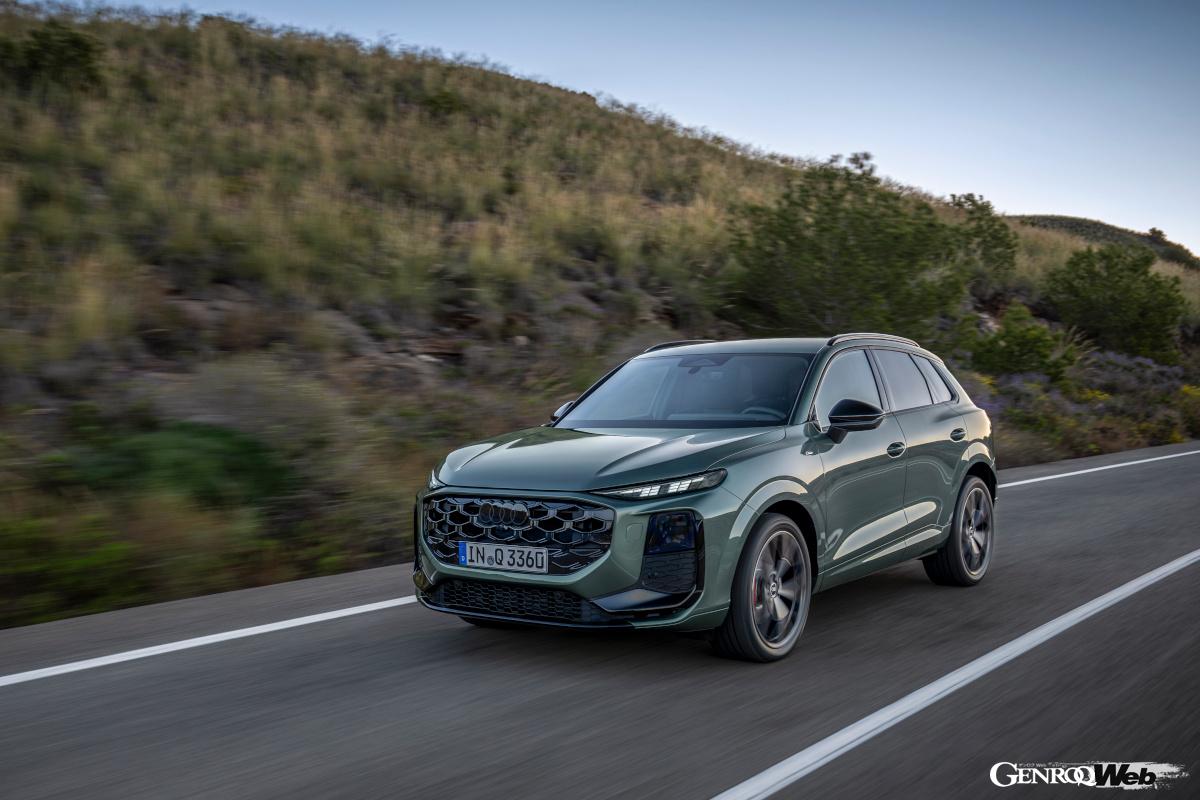
AUDI Q3
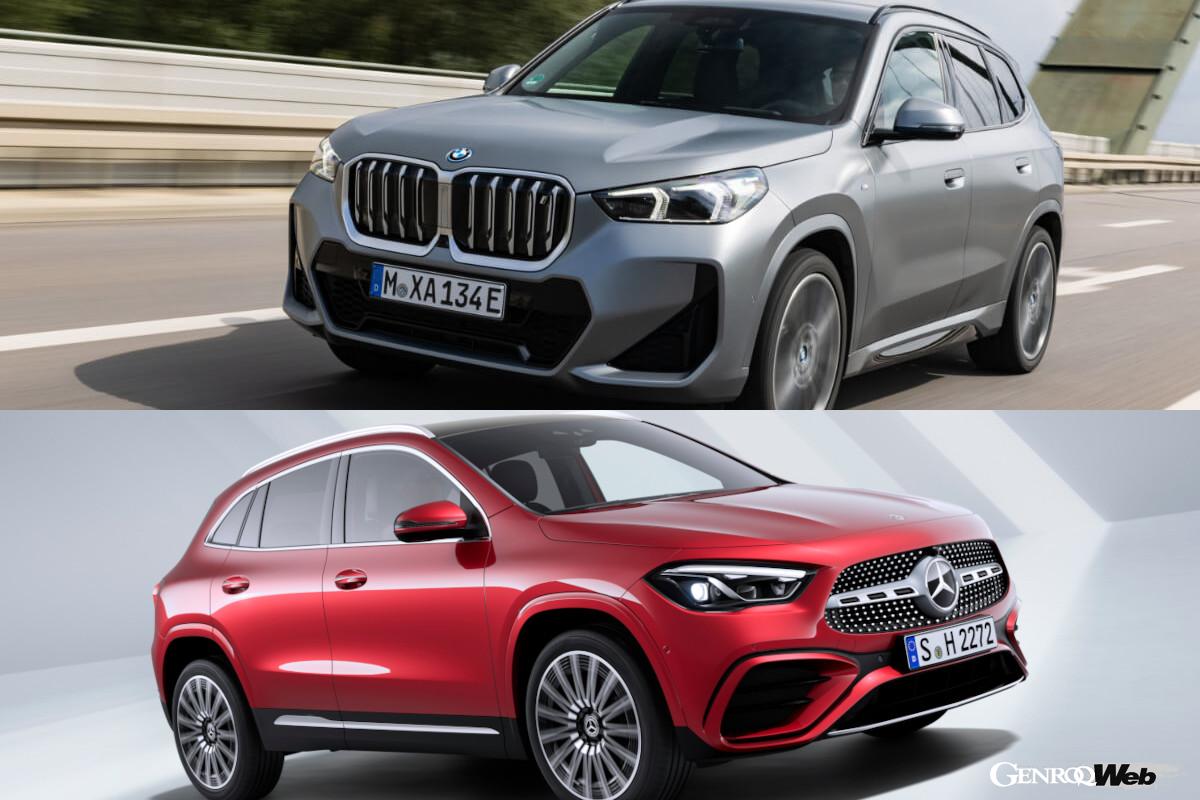
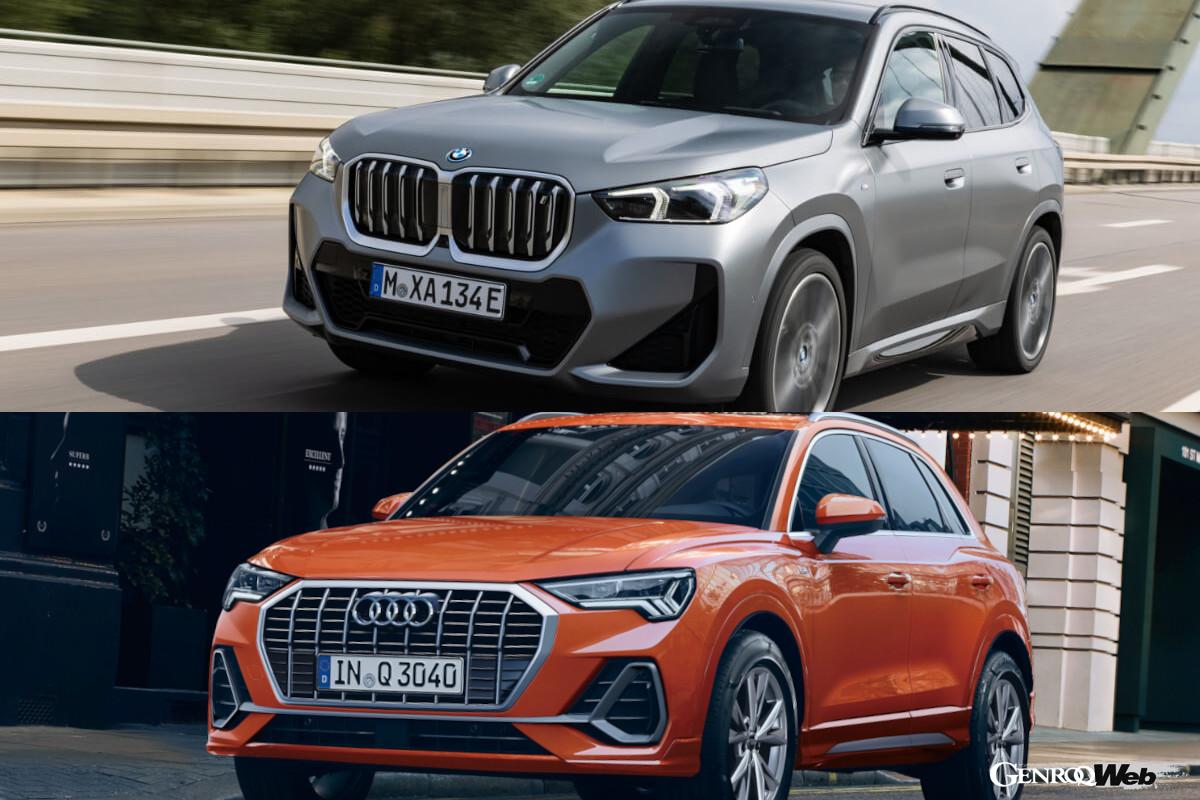
BMW prioritizes practicality, while Audi is balanced, exuding individuality through spaciousness and lightness.

BMW X1
Audi Q3
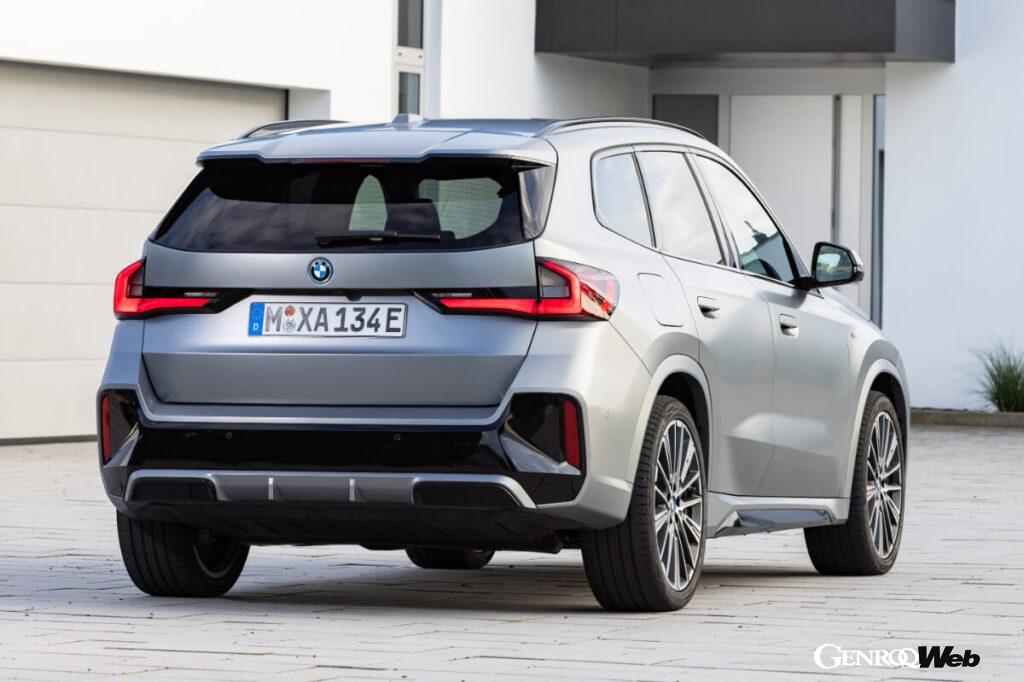
BMW X1

Audi Q3
This time we will compare the cheapest grades, the BMW X1 sDrive18i M Sport and the Audi Q3 35 TFSI Advanced.
The X1’s body dimensions are 4500mm long, 1835mm wide, and 1625mm high, giving it a striking proportion among compact SUVs in BMW’s lineup. Despite its compact size, there is ample legroom and headroom in the rear seats, and the rear seats in particular are highly praised for their livability. Furthermore, the luggage capacity is a maximum of 1600L (with the rear seats folded), providing practical space for everyday use as well as travel and outdoor activities. The vehicle weight of 1470kg is relatively light for a C-segment SUV, which likely contributes to its agility and fuel efficiency.
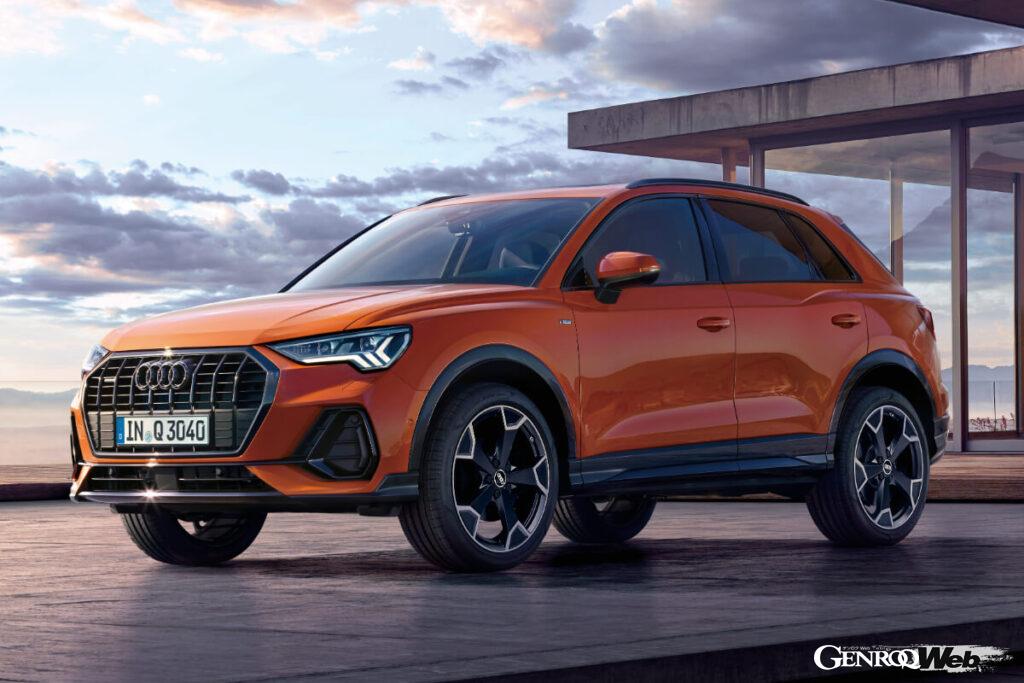
The Q3’s body size is 4490mm long, 1840mm wide, and 1610mm high, almost the same dimensions as the X1. The maximum luggage capacity is 1525L (with rear seats folded), which is slightly lower than the X1, but the large luggage compartment opening and low floor make it very easy to use when loading. Both cars combine spacious rear seats with ample luggage capacity, making them a package that is fully suitable for family use.
BMW X1 sDrive18i M Sport
Body size = Length 4500mm x Width 1835mm x Height 1625mm
Wheelbase = 2690mm
Vehicle weight = 1540kg
Tire size = 225/55R18 (front and rear)
Audi Q3 35 TFSI Advanced
Body size = Length 4490mm x Width 1840mm x Height 1610mm
Wheelbase = 2680mm
Vehicle weight = 1530kg
Tire size = 235/55R18 (front and rear)
The common FF layout and 7-speed DCT, along with different engine types, give the car a unique driving experience.
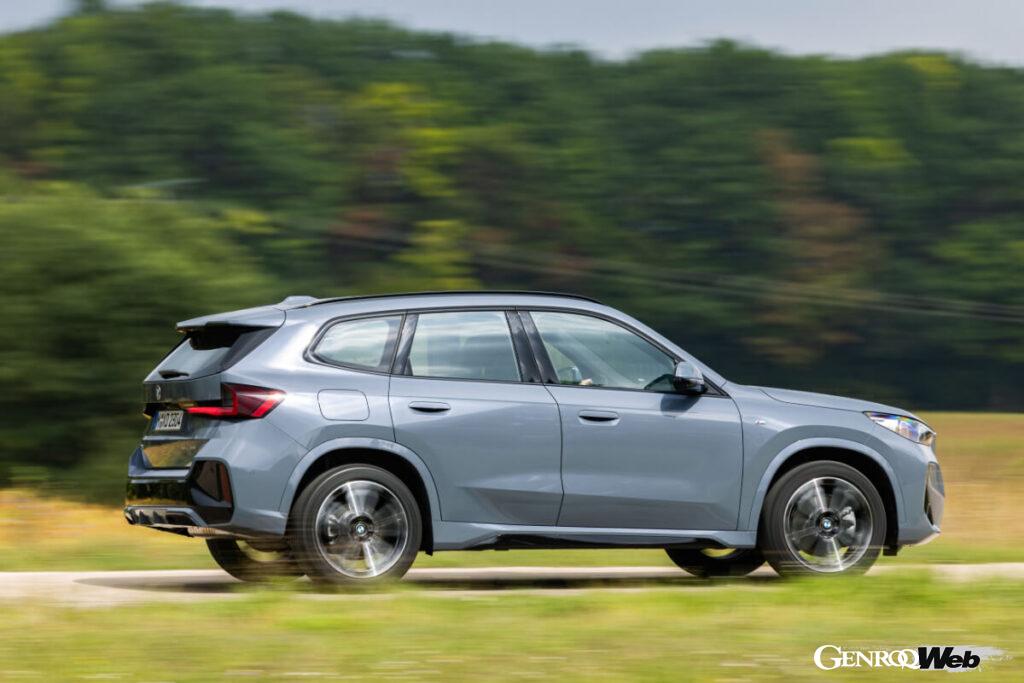
BMW X1

Audi Q3
The X1 is equipped with a 1.5-liter inline 3-cylinder turbo engine that produces a maximum output of 156 PS and a maximum torque of 230 Nm. The drive system is front-wheel drive (FF) and the transmission is a 7-speed dual-clutch transmission (DCT) that allows for smooth and quick gear changes. The engine feels light and torquey, and at low to mid-speeds it shows tenacious acceleration that you wouldn’t expect from a small-displacement engine.
The Q3 also features a 1.5-liter turbocharged inline-four engine with a maximum output of 150 PS and a maximum torque of 250 Nm. Like the X1, it has a front-wheel drive layout and a 7-speed dual-cylinder transmission, but the Q3’s four-cylinder engine is characterized by its low vibration, smooth rotation, and quietness. It also incorporates a mild hybrid system that recovers energy during deceleration and provides power assistance, contributing to improved fuel economy and accelerator response during acceleration.
In terms of acceleration, the Q3 has more torque to spare, so you can expect plenty of power for overtaking on the highway or long-distance cruising. The X1, with its characteristically light handling, will likely demonstrate superior maneuverability in urban areas and on winding roads. While both are entry-level models, there’s no doubt that they offer a driving feel that clearly reflects the unique characteristics of their respective brands.
BMW X1 sDrive18i M Sport
Engine type = Inline 3-cylinder gasoline turbo engine
Displacement = 1498cc
Maximum output = 156PS/5000rpm
Maximum torque = 230Nm/1500-4600rpm
Transmission = 7-speed DCT
Drive system = FWD (FF)
Audi Q3 35 TFSI Advanced
Engine type = Inline 4-cylinder gasoline turbo engine
Displacement = 1497cc
Maximum output = 150PS / 5000-6000rpm
Maximum torque = 250Nm / 1500-3500rpm
Transmission = 7-speed DCT
Drive system = FWD (FF)
The price range is the same, but the key to choosing is the texture and character
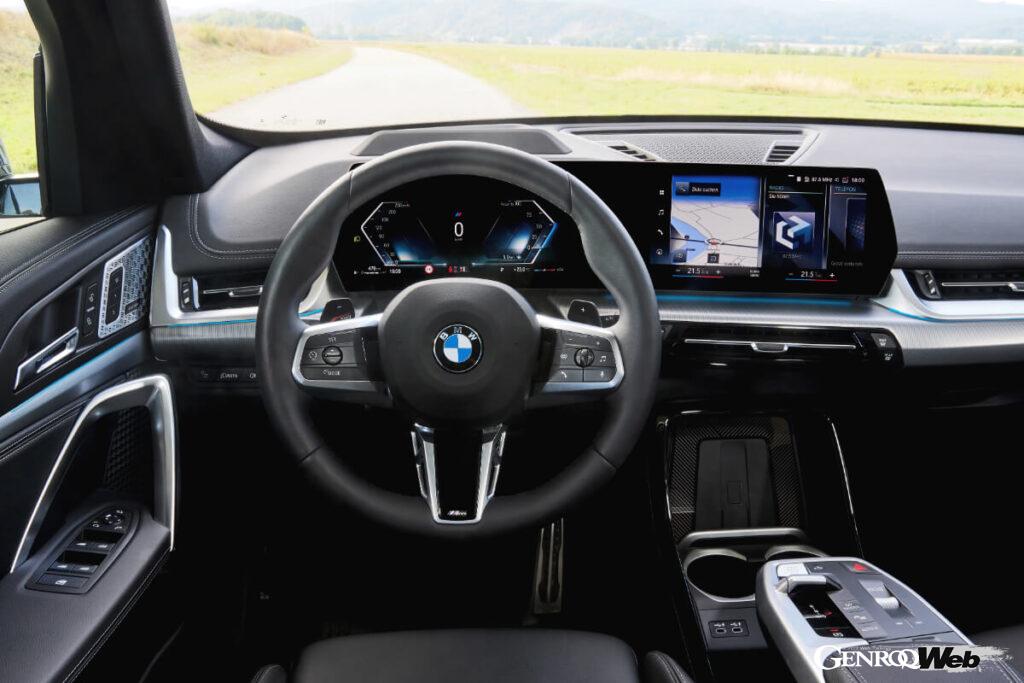
BMW X1

Audi Q3
The price of the X1 is set at 5.5 million yen, which seems relatively reasonable considering the price including the M Sport exclusive equipment. On the other hand, the price of the Q3 is kept to 5.03 million yen despite being equipped with the same level of equipment. This is also a reasonable price level considering the equipment content and class of the car.
While both models have similar price ranges and specifications, they also have clear differences in design philosophy and character, so when choosing, it’s important to consider your lifestyle and the values you hold dear.