
Can’t charge at Audi dealer
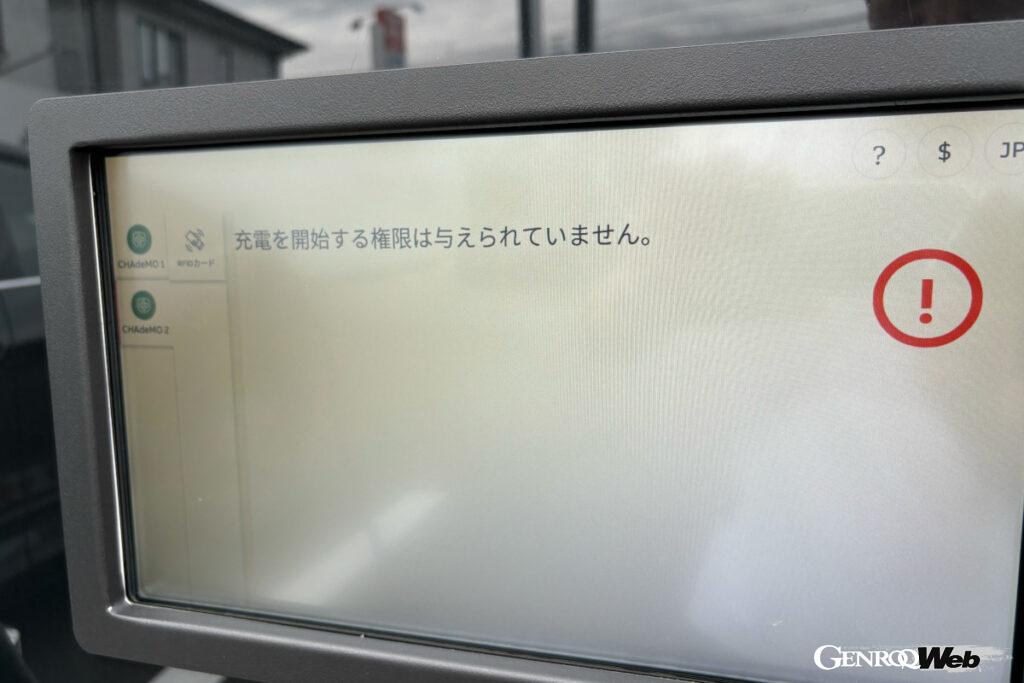
When I tried to use the 150kW fast charger at an Audi dealership, I got the message “You are not authorized to start charging.”
After driving overnight and charging three times, I’m finally starting to understand the tricks to long-distance driving in a BEV. When the battery capacity drops to about 50%, charge it for 30 minutes on a 90kW (or higher) charger to restore it to about 80%, then drive about 200km until the capacity drops to about 50%, at which point you have to charge it again (and repeat). It’s psychologically reassuring to have the battery capacity always above 50%, but if you use up more than that, you won’t be able to restore it to 80% with a 30-minute charge. Plus, taking a break after driving about 200km helps keep you from getting tired.
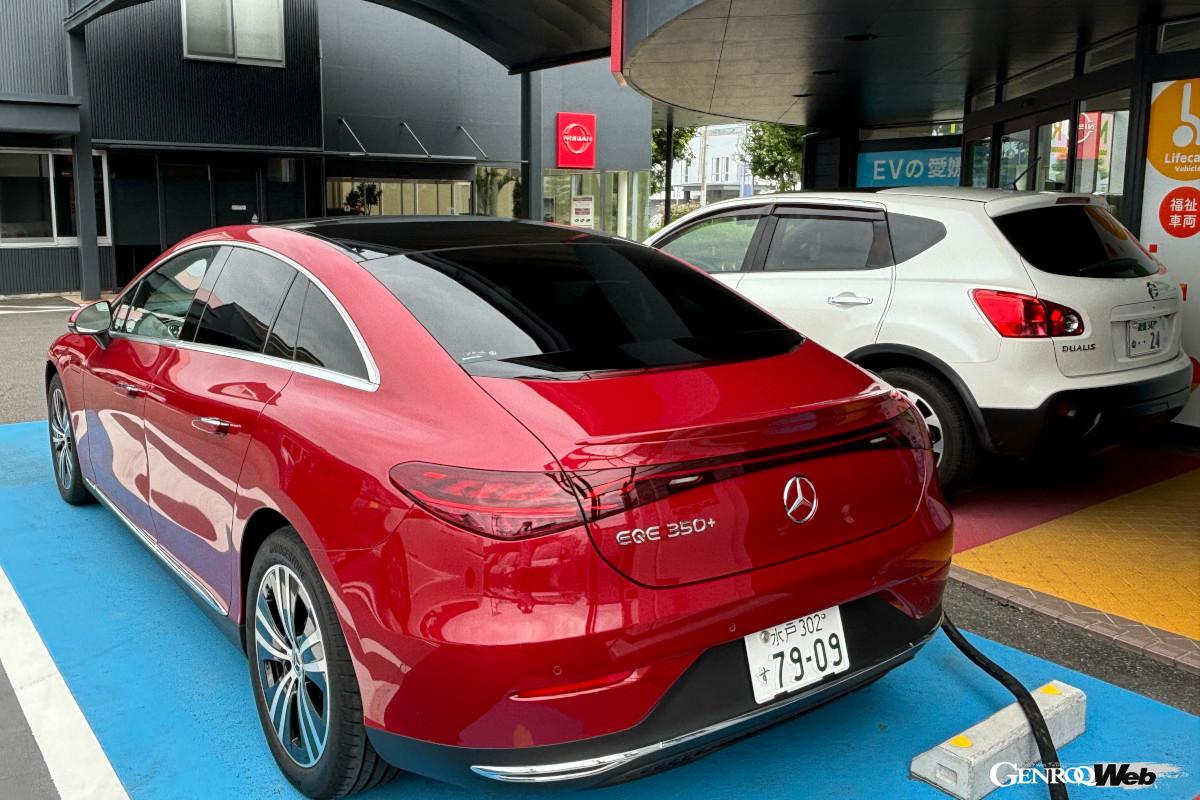
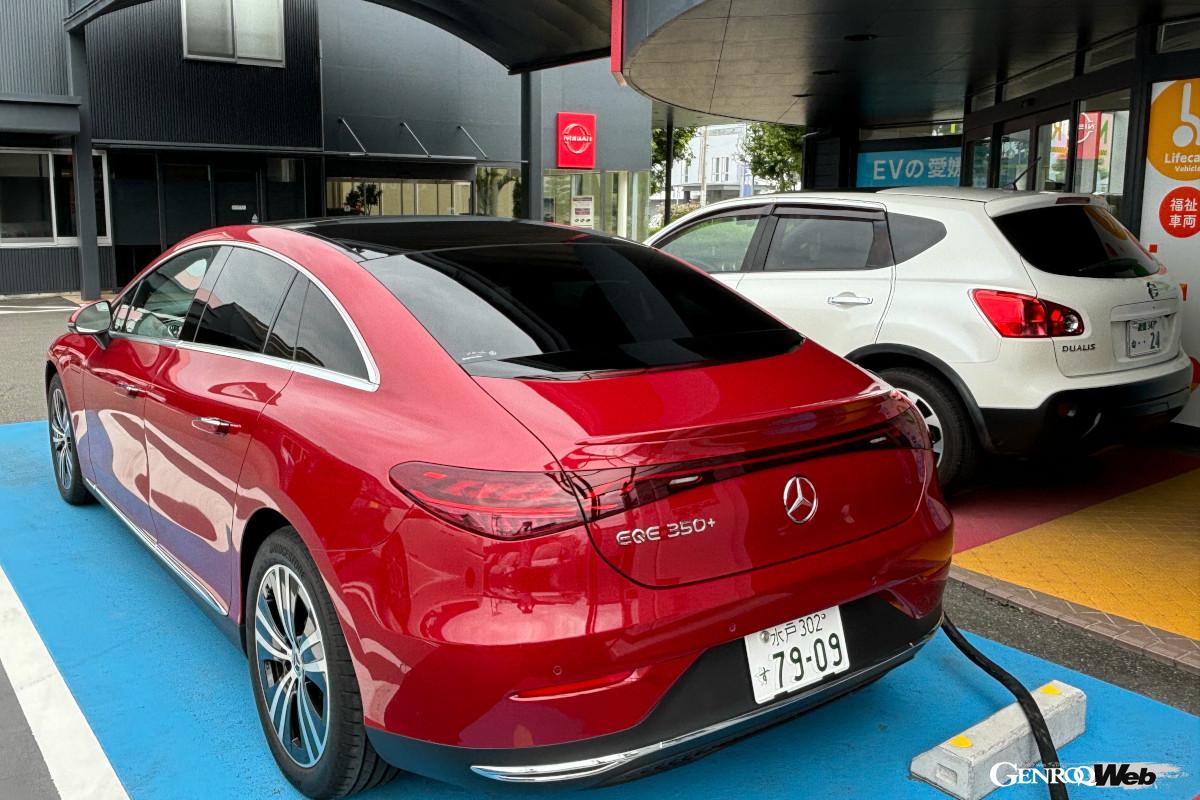
After charging, I set off from Kibi SA. I’d been driving all night, but strangely, I wasn’t sleepy. I entered Shikoku while enjoying the spectacular scenery of the Shimanami Kaido. As I’d researched, I arrived at Audi Matsuyama Interchange, where I found the 150kW charger I’d always dreamed of. It was a beautiful, large dealership. I was a little hesitant to drive my Mercedes into an Audi dealership, but I pulled in and connected the cable. Then, when I swiped my card over the charger…huh? It said, “You are not authorized to begin charging.” Why? Because it’s a Mercedes? I tried again, but it still said, “You are not authorized to begin charging.”
It was past 10 o’clock, so I went into the showroom and asked, and was told that only Audis could be charged. It turns out that the Audi Group’s own rapid chargers are a service (Premium Charging Alliance) that is only available to Audi Group BEV owners. Well, it can’t be helped, since it’s a business, but couldn’t they be a little more flexible? Gas stations don’t care about cars, after all.
So, what if I can’t charge it here? My battery was at 51%, so I could probably make it to Shikoku, but it was quite a distance from Matsuyama to Yawatahama Port, so I searched for a quick charger on Go Go EV. I found a 90kW charger at a nearby Nissan dealership! I went there right away, and to my surprise, a Leaf was already charging. It was the first time I’d seen anyone there on this trip. The owner was sitting next to his car, so I asked him, and he said it would be finished in about 10 minutes, so I decided to wait. If I’d just started charging, I’d have to wait 30 minutes, so I guess I was lucky.
After the Leaf finished charging, I plugged in the cable and started charging. The dealer was closed that day (even if it wasn’t, I would have felt bad about driving my Mercedes to a Nissan dealership), so I had nowhere to kill time and waited in the car for 30 minutes. I hadn’t noticed it until then because it was a highway service area, but waiting for 30 minutes is boring. After 30 minutes of charging, the battery had recovered to 70%. It was 11:30. I set off immediately and arrived at Yawatahama Port just after noon. I was relieved to make it in time for the 1:00 PM ferry to Beppu. If I missed this one, the next one would be at 5:25 PM.
Outside of urban areas, there are almost no fast chargers with power outputs of 90kW or more.
[1]
[2]
[3]
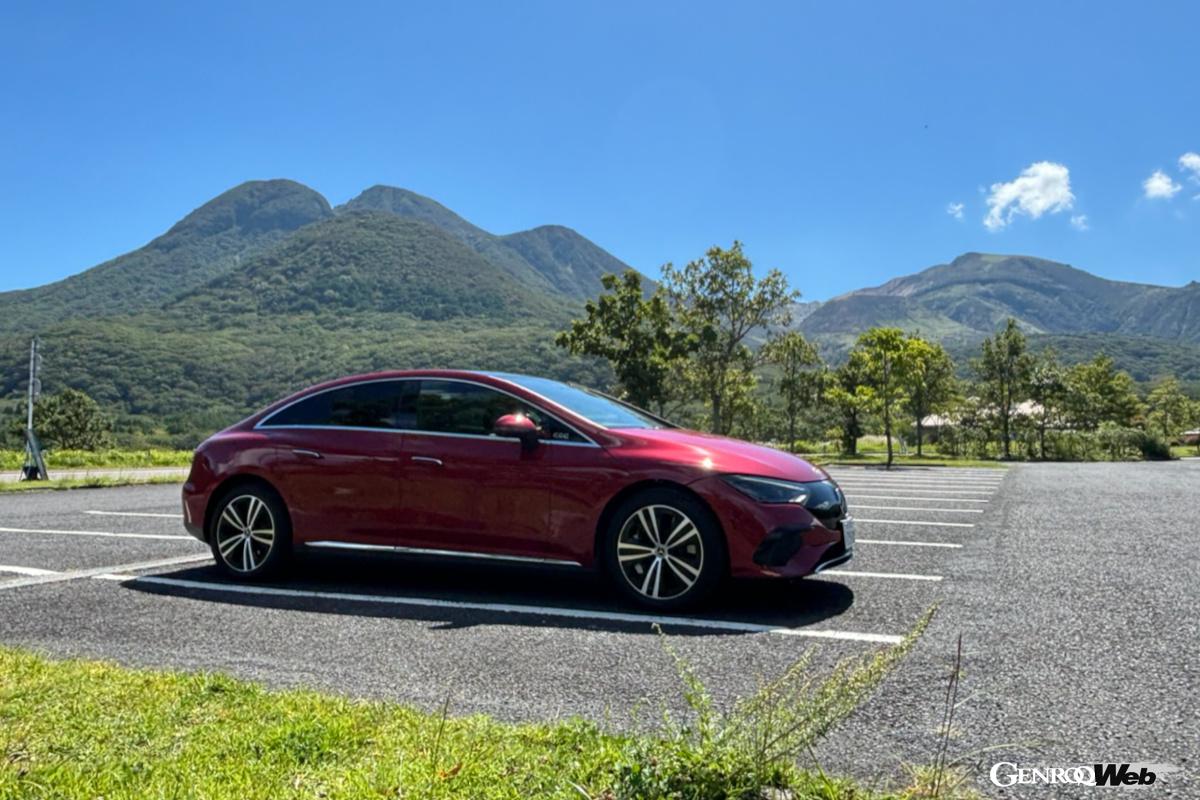
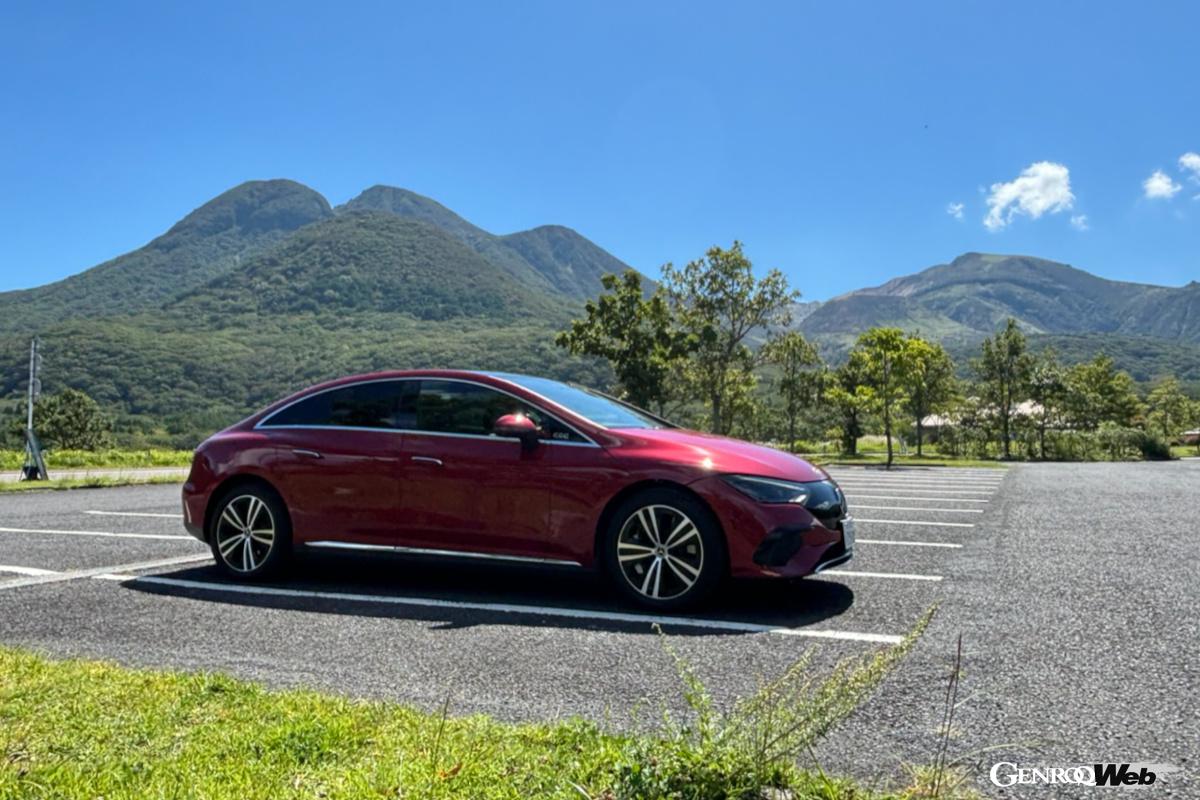
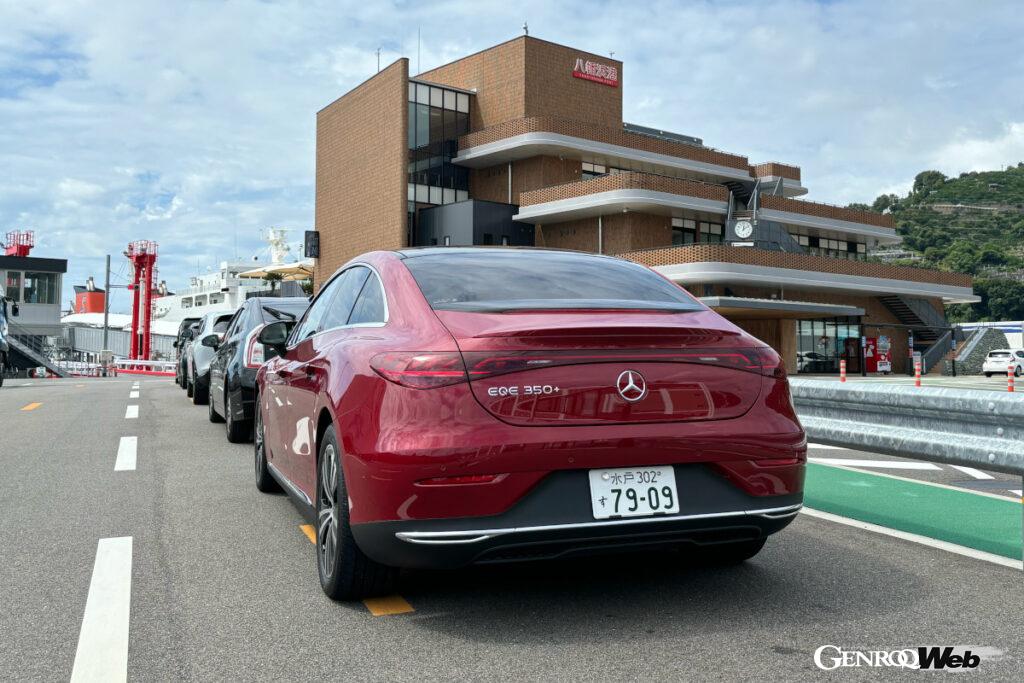
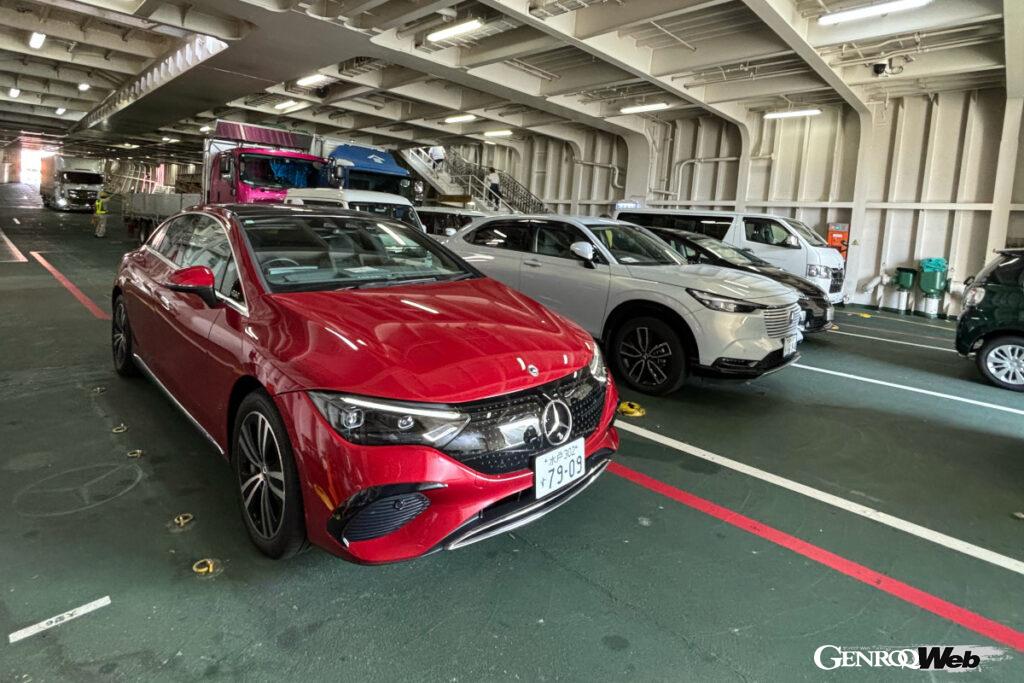
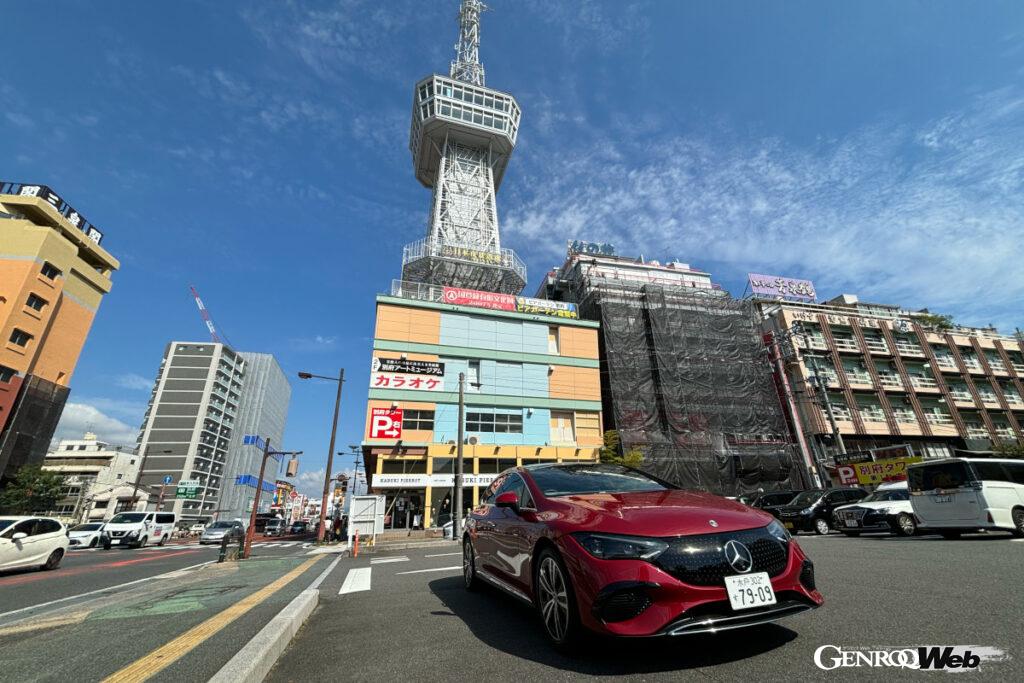
[1] We arrived at Yawatahama Port at 11:30. It took more than 13 hours from the start of Tokyo. [2] We boarded the ferry. The boat ride to Beppu took about three hours. [3] Beppu Tower and the Mercedes-Benz EQE. Beppu Tower was completed in 1957, one year earlier than Tokyo Tower.
The boat ride from Yawatahama Port to Beppu took about three hours. Since leaving Tokyo last night, I’d been driving the whole time except for four charging stops, so I was starting to feel a bit sleepy. After landing in Beppu, I finally headed to the hotel…or rather, not. Tonight’s hotel doesn’t have charging facilities, so I had to charge it again in preparation for tomorrow’s trip. I immediately headed to the Nissan dealership in Beppu, which has a 90kW charger. It’s amazing how many Nissan dealerships are equipped with 90kW quick chargers. It’s no wonder, considering they launched the Leaf over 10 years ago. Since there were no customers there this time, I quickly plugged it in and took a break at a nearby Mos Burger. In 30 minutes, I was able to charge from 59% to 90%. With that, I’ll be confident for tomorrow’s trip.
The next day, after sightseeing in Beppu, I headed towards Yufuin and drove along the Yamanami Highway. I arrived in Takachiho, enjoying the spectacular views of the Kuju Mountain Range. Since I had only traveled 162km, the battery was at 62%. I still wanted to charge it for tomorrow, but there were no charging facilities at tonight’s hotel, and there were no high-power quick chargers in Takachiho either. Since I still had 397km of driving range left, I decided to charge it on the way to Kagoshima tomorrow.
Takachiho is inland, so I decided to go to Nobeoka and take the Higashi Kyushu Expressway, but it seems there are no quick chargers with 90kW or more on the Higashi Kyushu Expressway. So, I wanted to charge my car before getting on the highway, so I went to a Nissan dealership in Nobeoka (90kW). The battery was at 38% when I started charging, the lowest I’d recorded on this trip. I still had a 259km range, so I could go quite a distance, but I was still nervous about getting on the highway.
If your hotel has standard charging facilities, you can charge it to 100% overnight.
[1]
[2]
[3]
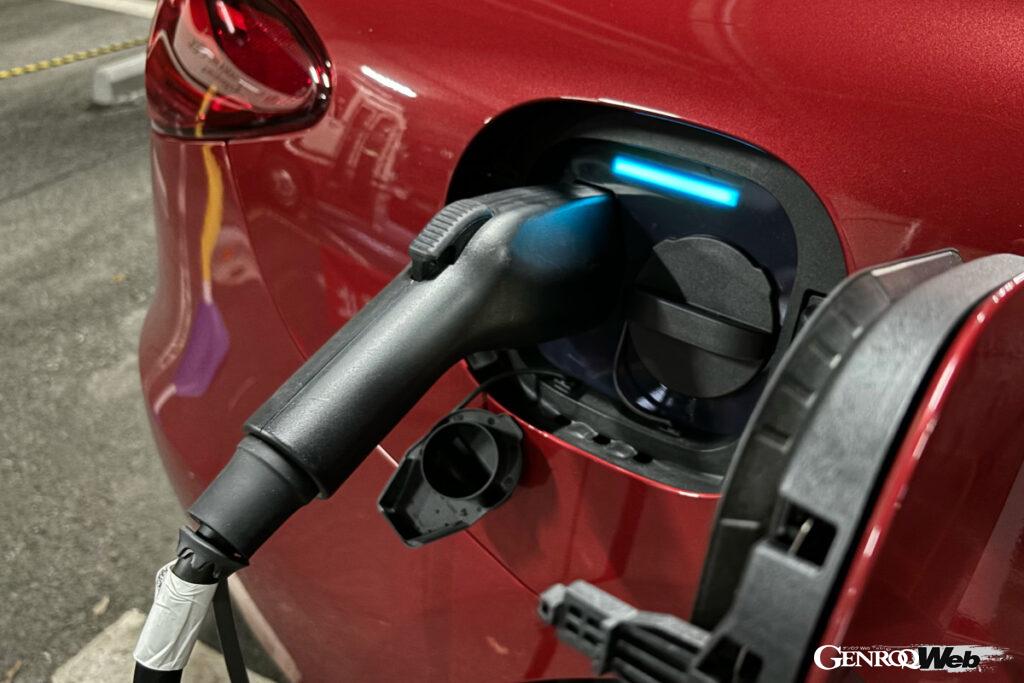
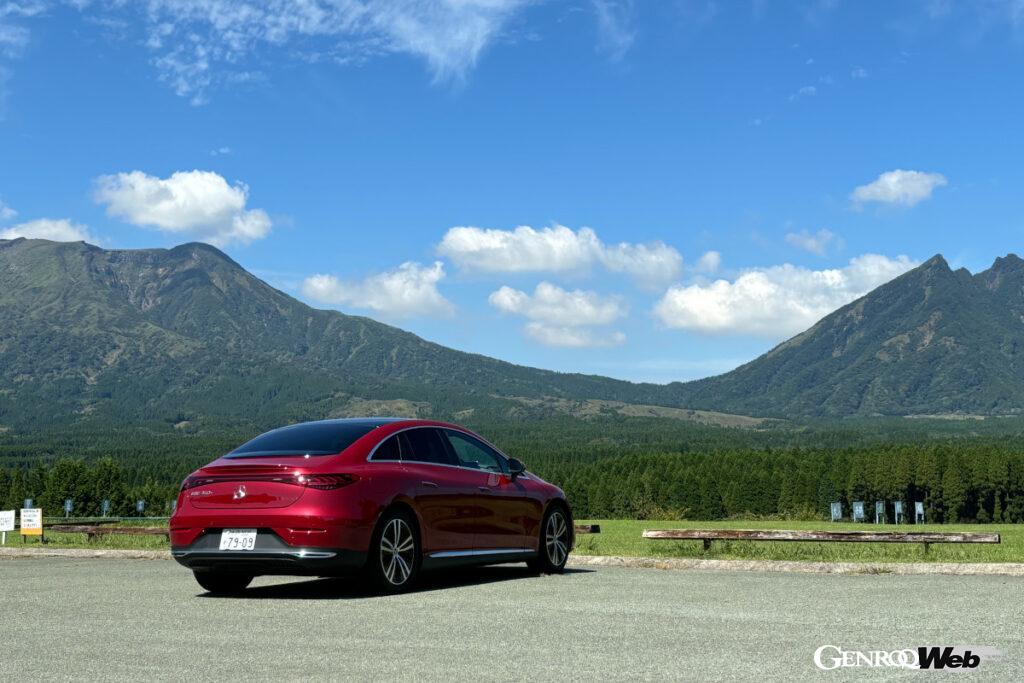
[1] My first regular charge in Kagoshima. I used the charging port on the left side. [2] The next morning, it was at 100%. It’s really convenient to be able to charge at the hotel. [3] I enjoyed the beautiful nature of Kyushu. It was late September.
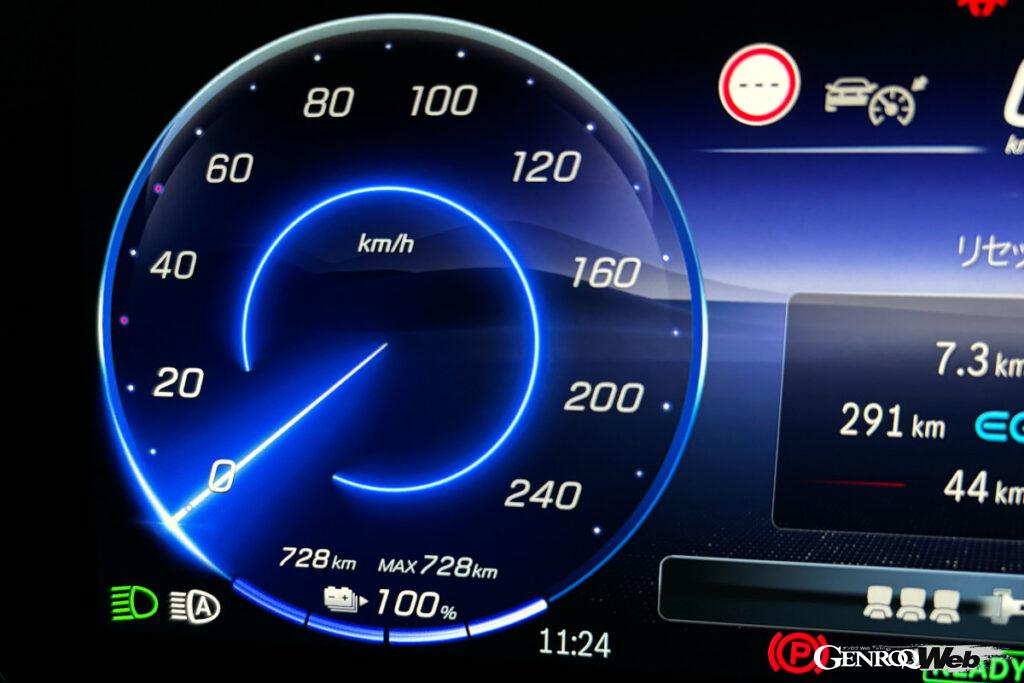
After charging up to 73% in 30 minutes, we set off again, heading for Kagoshima. Initially, I had planned to enter Sakurajima and take the ferry to Kagoshima, but Kyushu is so vast! It took longer than I expected, so I simply entered Kagoshima via the north side of Kagoshima Bay. The hotel in Kagoshima was the only one on this trip that had EV charging facilities, so I felt safe. Of course, it was a standard charge, but since I could charge it overnight, the 56% charge I got when I arrived was 100% by morning. It was the first time I’d seen the 100% display on this trip, and I was quite happy. If I had a standard charging station at home, I’d be able to get 100% every morning, so that’s one of the benefits of a BEV.
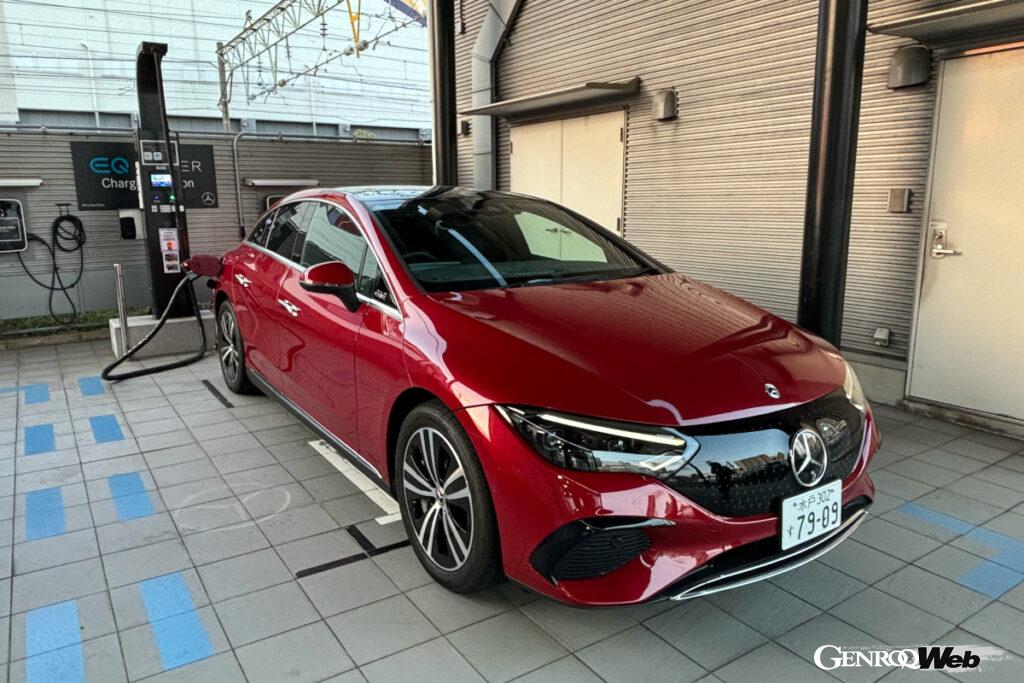
Well, today is finally the final day of my Kyushu BEV trip. I have to drive from south to north across Kyushu, heading for Shin-Moji Port in Kitakyushu. That said, the distance is just over 300km, so considering the journey so far, it’s a piece of cake (?). I drove smoothly, covering about 360km, and arrived in Kokura by evening. My final charging stop was at Mercedes-Benz Kokurakita (Stern Fukuoka), an authorized Mercedes dealer. As soon as I pulled in my EQE, a staff member greeted me with a smile. After I told them I wanted to fast-charge and the connection was complete, I was ushered into the showroom and even offered coffee. I was honored to be treated like one of their customers (in fact, I’m not even an owner!).
While enjoying a delicious coffee, the 30-minute charge was complete. With 90kW here, the battery was able to charge from 42% to 80%. After expressing my gratitude, I departed Mercedes-Benz Kokurakita, heading for Shin-Moji Port. I had originally considered driving back to Tokyo, but decided to take the ferry, thinking it would be too physically demanding for someone in their late 50s. However, having covered approximately 1,800km over three days, I can honestly say that it was surprisingly easy. The EQE’s ease of driving, its excellent ACC, and the excellent seats, which mean I don’t feel any back pain even after such a long drive, are truly impressive. The merits of a Mercedes-Benz really become more apparent when driving long distances.
Enjoy long-distance BEV trips as an event
[1]
[2]
[3]
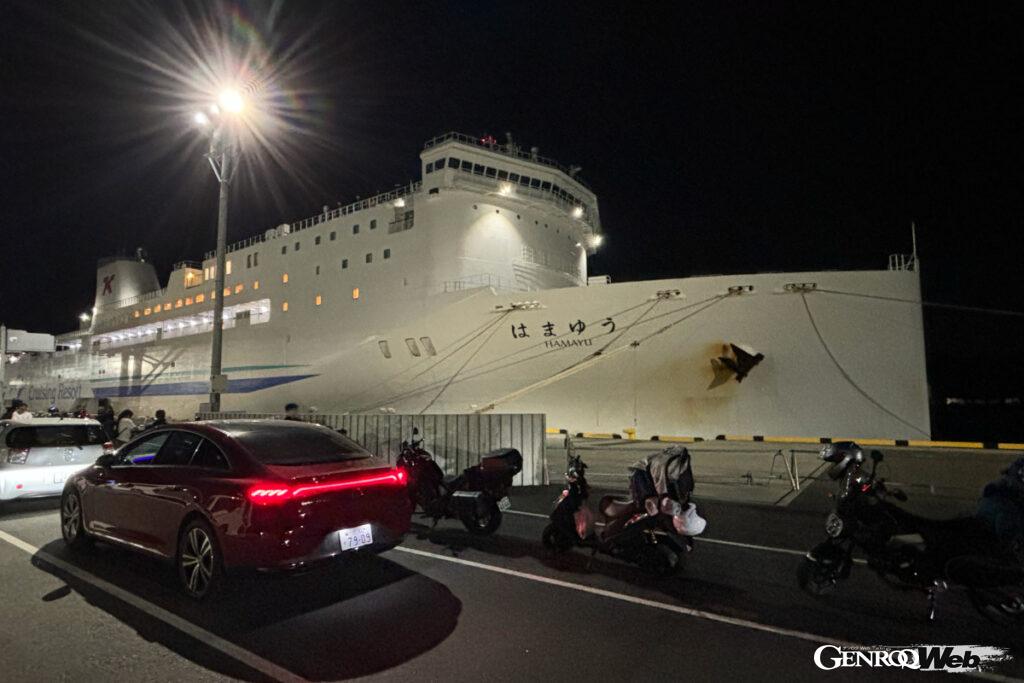
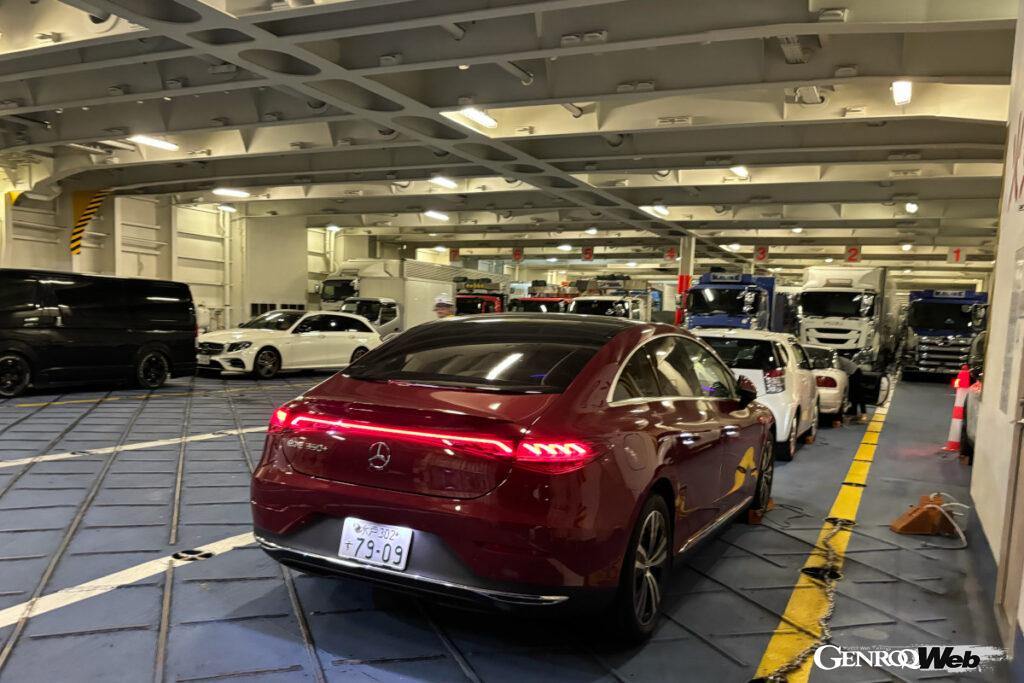
[1] My final charge at Mercedes-Benz Kokurakita. I even had a coffee, and it was the most comfortable charging time of the trip. [2] The Tokyo Kyushu Ferry’s Hamayu runs from Shin-Moji Port to Yokosuka. It weighs 10,515 tons and can carry approximately 30 passenger cars and 154 trucks. [3] The vehicle loading floor is also surprisingly spacious. There seemed to be plenty of room on this day.
The Tokyo Kyushu Ferry from Shin-Moji Port to Yokosuka departs at 11:55 PM, so I killed time by eating dinner, and then parked the EQE next to the Hamayu, which was anchored at Shin-Moji Port, around 10:30 PM. I followed the staff’s instructions to board, and then all I had to do was relax on the way to Yokosuka. As expected of a large ferry, there was very little rocking, and I was able to sleep soundly.
The next day, I arrived in Yokosuka at 8:45 p.m. It took almost a whole day, so Kyushu is indeed far away. I returned to my home in Tokyo at around 9:30 p.m. Somehow, I was able to complete my approximately 2,000 km BEV drive in the EQE without any major issues.
After trying a long-distance drive in a BEV, I realized that traveling long distances in a BEV is indeed a lot of work. You have to check the charging environment along the way and at your accommodation, and plan your drive based on the charging time. If there’s already someone at the charger, your plans can be thrown into disarray. Also, as I mentioned earlier, charging a BEV’s large-capacity battery requires a fast charger with an output of 90kW or more, but the current situation is that there are still not enough fast chargers with this kind of output, especially in rural areas.
This time, I didn’t find it difficult because I considered the long-distance trip in a BEV to be an event in itself, but if it were to become a daily occurrence in my own car, I would probably think, “That’s a pain.” That said, actually driving it made me realize that the EQE’s range is longer than I expected. BEVs are evolving every day, so their practicality is sure to improve even more in the future. Along with that, if more high-output fast chargers are installed and charging facilities become more widespread in accommodation facilities, I think the stress of long-distance trips in a BEV will be greatly reduced.
Currently, both charging infrastructure and car sales are being promoted with the bait of subsidies, but as of November 2024, only 5,041 BEVs were sold in Japan, accounting for just 1.5% of the total. If BEVs don’t sell, the infrastructure won’t be in place, and if the infrastructure isn’t in place, BEVs won’t sell… This is the dilemma facing Japan’s current BEV market. Hopefully, import car manufacturers won’t end up saying, “We can’t sell BEVs in Japan, so we’re going to stop supporting CHAdeMO!” before this is resolved.