
1969 GM XP 512E
The electric city commuter first appeared over 50 years ago

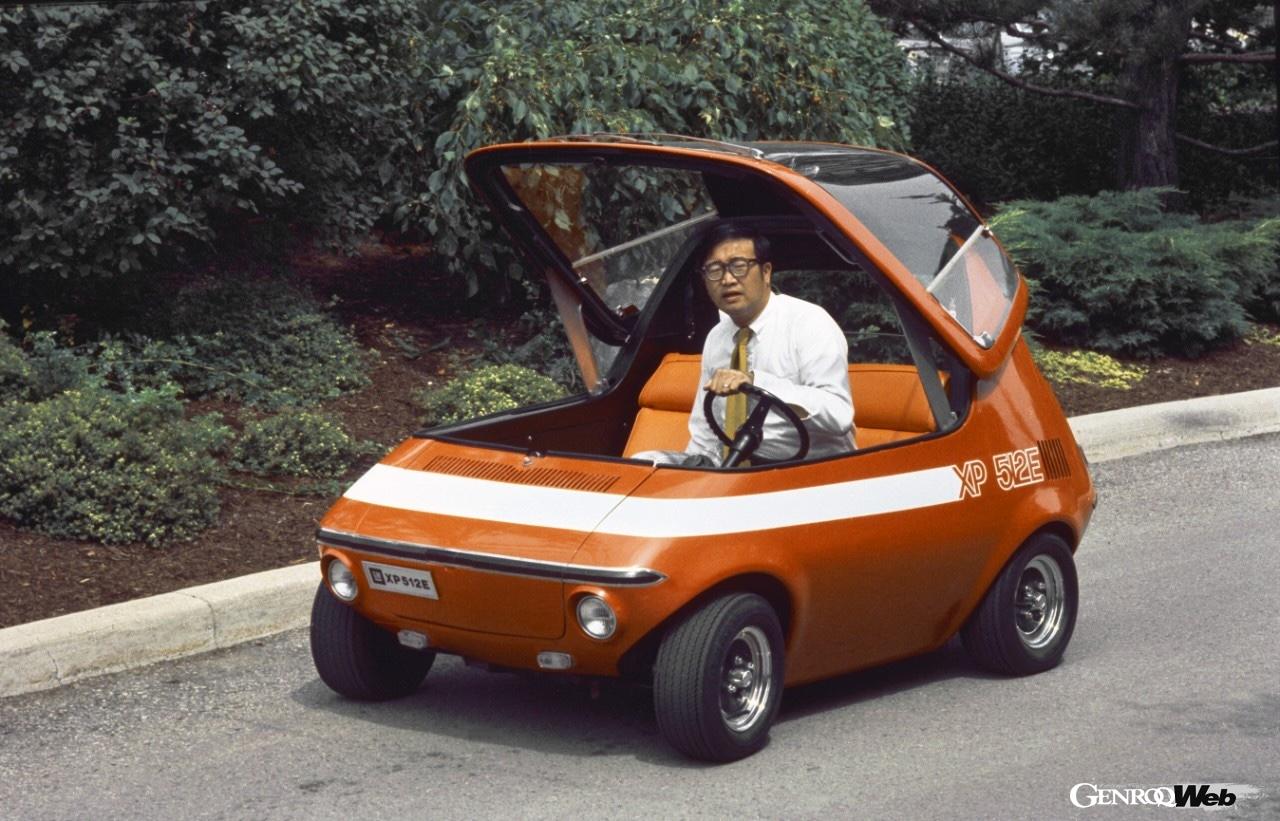
In 1969, GM developed the 512 Electric Experimental (512E), an electric city commuter vehicle with an electric motor mounted on the rear axle, as a demonstration vehicle.
In the first quarter of 2025, General Motors nearly doubled its electric vehicle (EV) sales compared to the same period last year. EVs are now a ubiquitous sight on city streets, highways, and everywhere in between, but this success didn’t happen overnight. GM has been developing and promoting EVs for over half a century.
The GM EV1, which debuted in 1996, was the first mass-produced EV from a major automaker, and the Chevrolet Bolt was the first commercially available plug-in hybrid (PHV) in the US, launched in 2010. However, there is another GM EV that debuted earlier, is much less well-known, and is much smaller.
Officially named the 512 Electric Experimental (hereafter referred to as the 512E), the 512E made its debut at GM’s Progress of Power exhibition for innovative vehicles in May 1969. This small electric city commuter, measuring 86.3 inches (approximately 2192 mm) in length, 56 inches (approximately 1422 mm) in width, and 52 inches (approximately 1321 mm) in wheelbase, was never sold commercially, but it made a strong impression on some.
With a fiberglass body and steel floorpan, the 512E weighed 1,250 pounds (about 137 kg). Powered by an 84V lead-acid battery pack and a DC motor mounted on the rear axle, it had a range of up to 58 miles (about 93 km) at 25 mph (about 40 km/h) and 47 miles (about 75 km) at a top speed of 30 mph (about 48 km/h).
Removable glass canopy
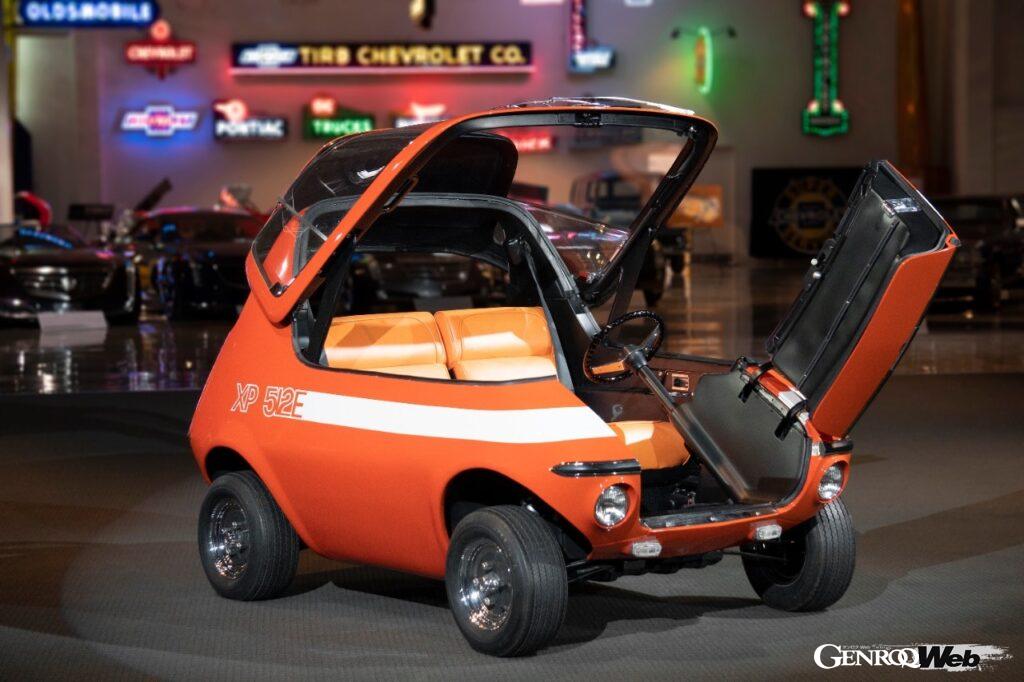
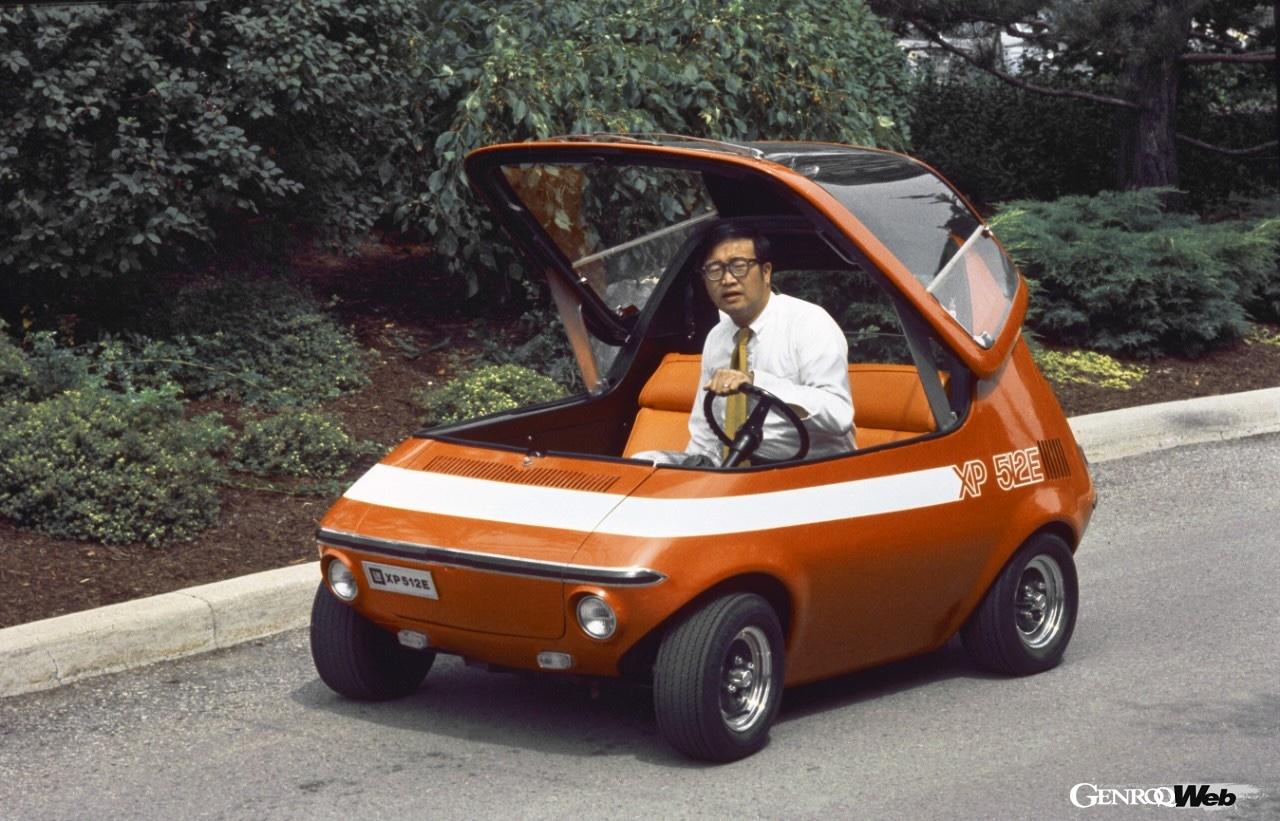
To get in and out, passengers opened the glass canopy and opened the side-hinged front door. The canopy could be left open while driving, or it could be removed.
The 512E was developed long before the arrival of today’s common Level 2 chargers (240V), and it charges using a standard 115V household outlet. It took about seven hours to fully charge. The vehicle’s 12V battery is used to power onboard accessories such as the heater, headlights, taillights, turn signals, wipers, and horn.
The interior is equipped with a two-person bench seat, accelerator and brake, steering wheel, and ashtray. According to a press release issued by GM, the 512E was designed so that the canopy could be raised to the front on sunny days, allowing it to be driven as a unique “convertible.” The canopy could also be removed for driving.
The Progress of Power showcased the 512 City Car Concept, which included the all-electric 512E, a roadster equipped with a fuel-efficient 12 PS inline-twin gasoline engine, and a plug-in hybrid model that could be driven in all-electric or hybrid mode. With the fuel tank and battery filled to capacity, the plug-in hybrid version could travel up to 150 miles (approximately 240 km) on just 3 gallons (approximately 11 L).