
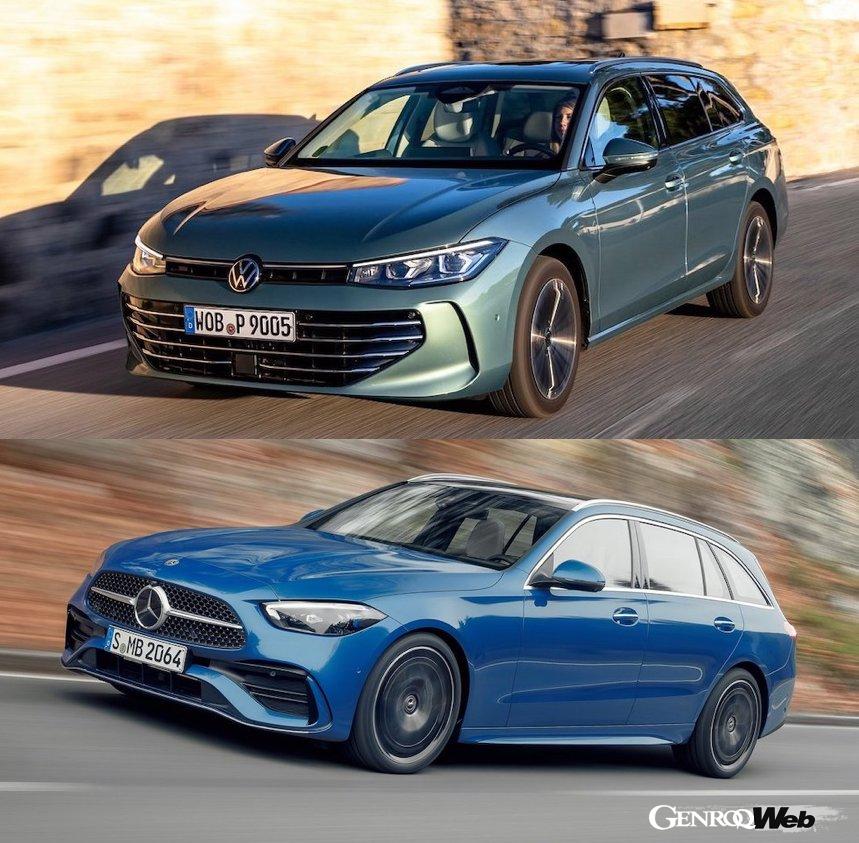
VOLKSWAGEN PASSAT
×
MERCEDES-BENZ C-CLASS STATIONWAGON
The difference in luggage capacity is greater than the body size

VW Passat
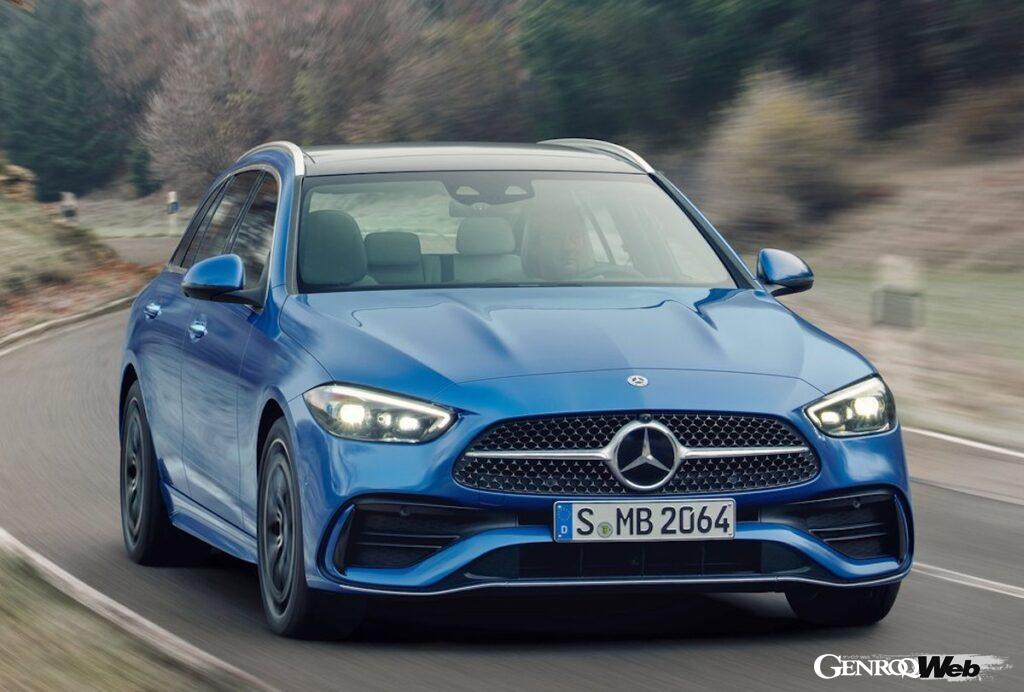
Mercedes-Benz C-Class Wagon

VW Passat
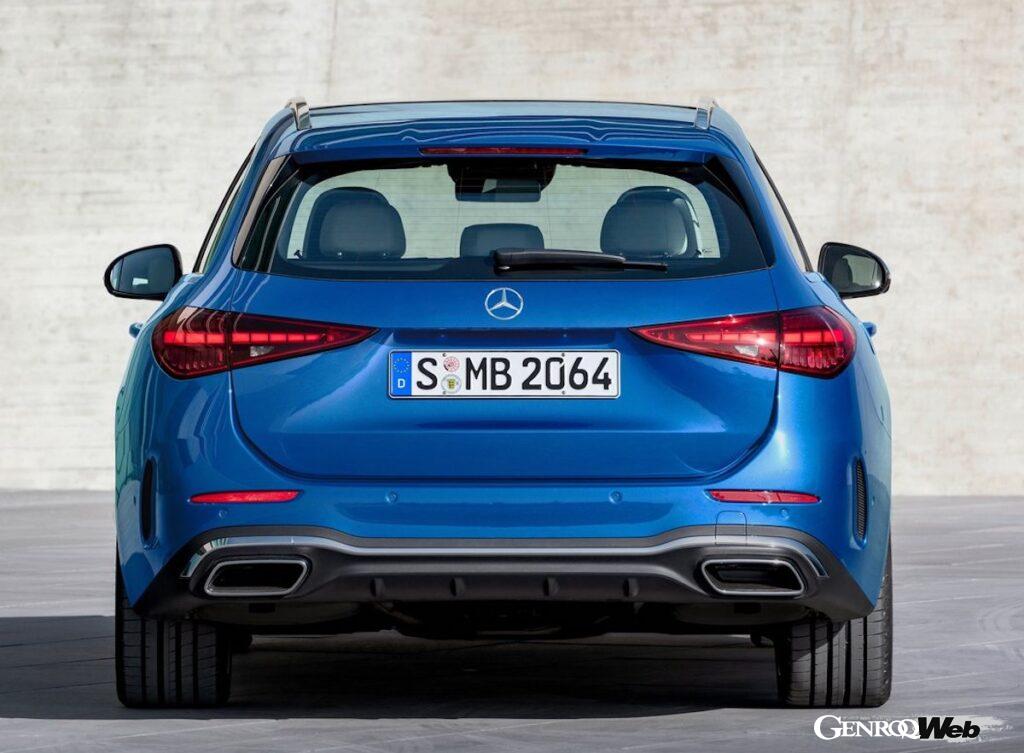
Mercedes-Benz C-Class Wagon
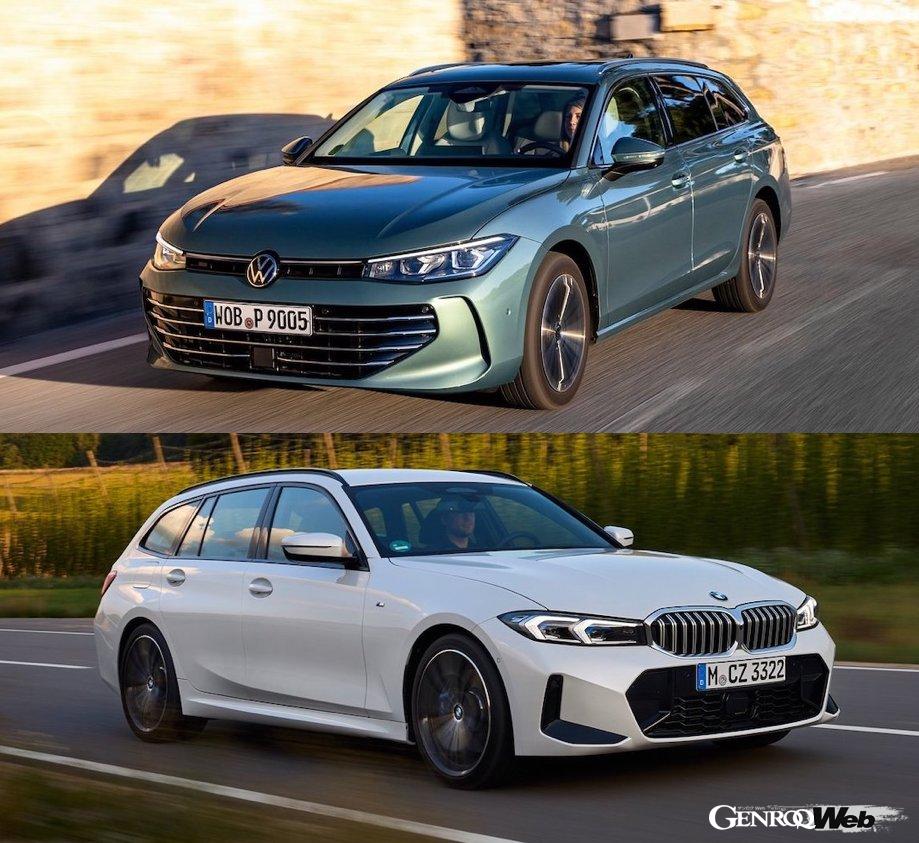
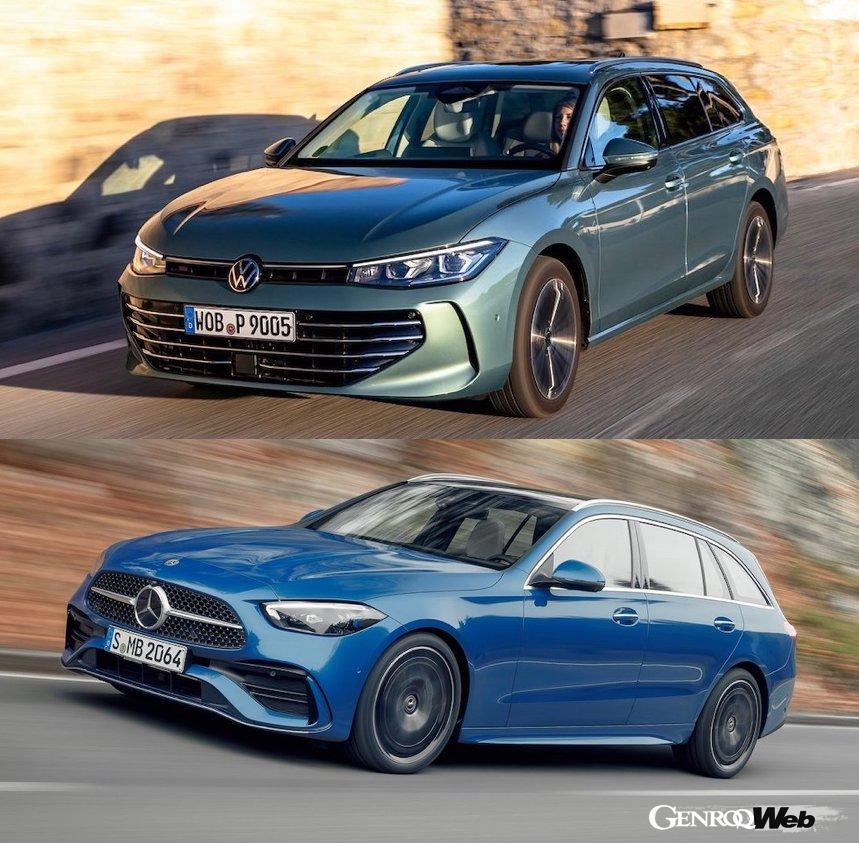
Comparing the body sizes of the two cars, the Volkswagen Passat is generally larger than the Mercedes-Benz C-Class Station Wagon. In particular, its overall length is 160mm longer. However, looking more closely, the wheelbase of the C-Class is 25mm longer, and the rear overhang (the length from the center of the rear wheels to the rear end of the body) of the Passat is only 35mm longer.
This means that the Passat has a long front overhang (the length from the center of the front wheels to the front of the body). The Passat has a typical FWD vehicle packaging that places the engine and other auxiliary equipment in the front engine compartment, maximizing interior and luggage space. Thanks to this, the Passat’s luggage room capacity is a generous 1920L. In contrast, the RWD C-Class only has 1510L.
VW Passat eTSI Elegance Basic
Body size = Length 4915mm x Width 1850mm x Height 1500mm
Wheelbase = 2840mm
Vehicle weight = 1570kg
Tire size = 215/55R17
Mercedes-Benz C 200 Stationwagon AVANTGARDE
Body size = Length 4755mm x Width 1820mm x Height 1455mm
Wheelbase = 2865mm
Vehicle weight = 1700kg
Tire size = 225/50R17
The driving experience is superior to the C200 station wagon.

VW Passat

Mercedes-Benz C-Class Wagon

VW Passat
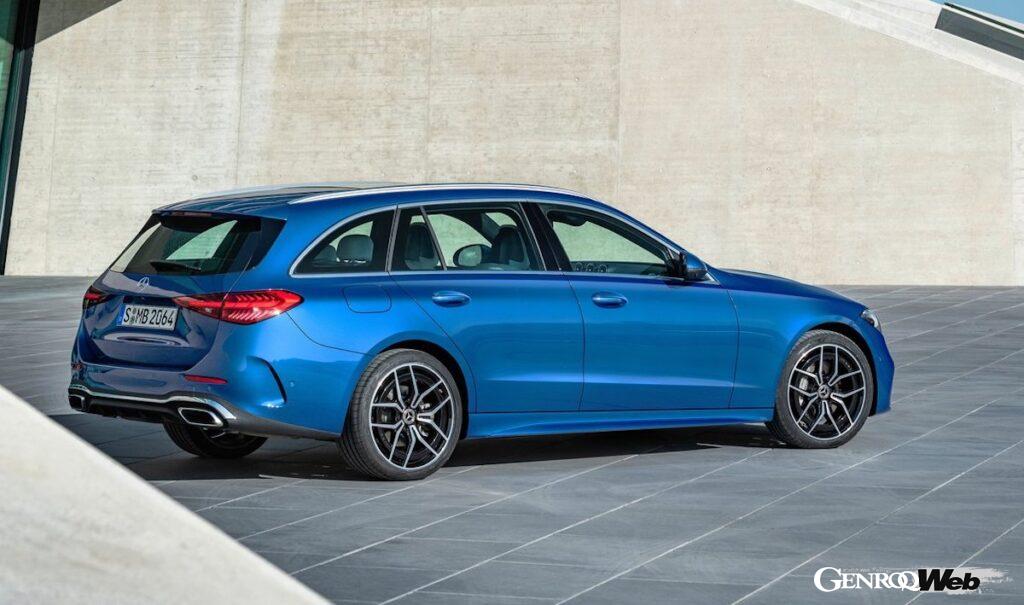
Mercedes-Benz C-Class Wagon
The C200 station wagon is by far the better choice for driving. Both cars are equipped with a 1.5-liter inline 4-cylinder turbo engine, but the C200 wagon surpasses the Passat in terms of power and torque. Both cars are also equipped with mild hybrid systems, but the motor specs of the C-Class wagon are also more powerful, with the Passat producing 19 PS/56 Nm and the C200 wagon producing 20 PS/208 Nm.
Furthermore, the Passat is front-wheel drive (FWD) while the C200 Wagon is rear-wheel drive (RWD). The C200 Wagon will likely surpass the Passat in terms of responsive handling and sporty cornering. The C200 Wagon weighs 130 kg more than the Passat, but its powerful engine and motor more than make up for that disadvantage.
VW Passat eTSI Elegance Basic
Engine type = Inline 4-cylinder DOHC turbo
Displacement = 1.5 liters (type application pending)
Maximum output = 150 PS / 5000-6000 rpm
Maximum torque = 250 Nm / 1500-3500
rpm Transmission = 7-speed DCT
Drive system = FWD
Mercedes-Benz C 200 Stationwagon AVANTGARDE
Engine type = Inline 4-cylinder DOHC Turbo
Displacement = 1494cc
Maximum output = 204PS / 5800-6100rpm
Maximum torque = 300Nm / 1800-4000rpm
Transmission = 9-speed AT
Drive system = RWD
Pricing that shows the difference in quality

VW Passat
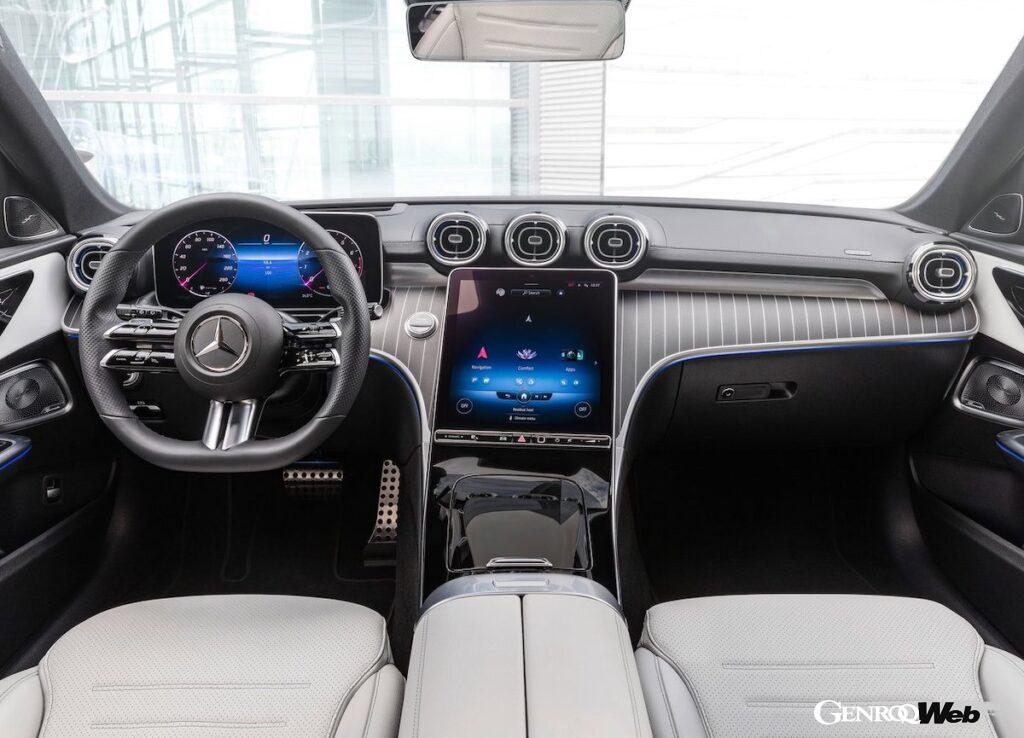
Mercedes-Benz C-Class Wagon
The price difference between the two cars is over 2 million yen, almost like they are in different classes. This pricing structure shows a clear hierarchy between the general-purpose brand Volkswagen and the premium brand Mercedes-Benz.
However, the new Passat has been improved to offer a more luxurious feel and ease of use than before. Unless you are particularly concerned about sporty performance or a premium feel, the Passat’s value seems to be very high.