
Mercedes-Benz GLC EV
The changed front end
[1]
[2]
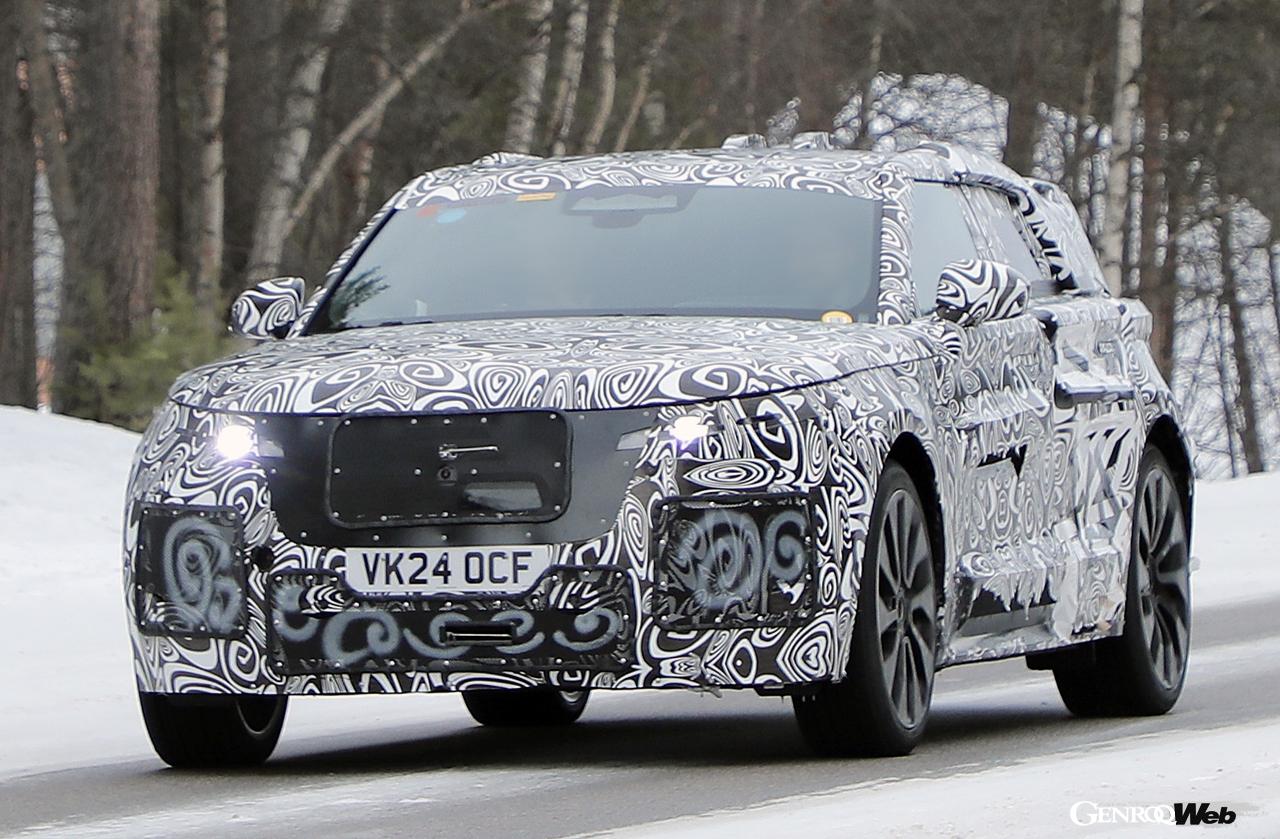
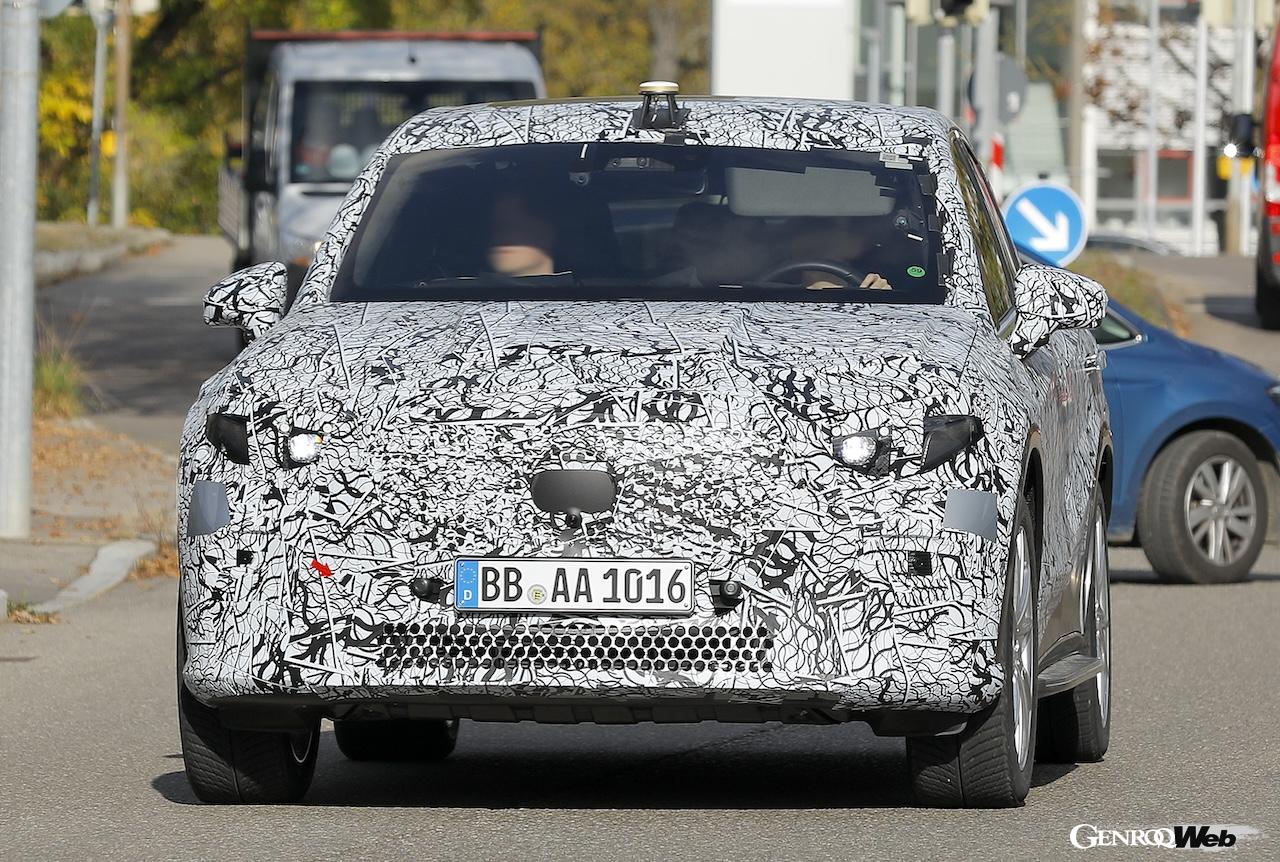
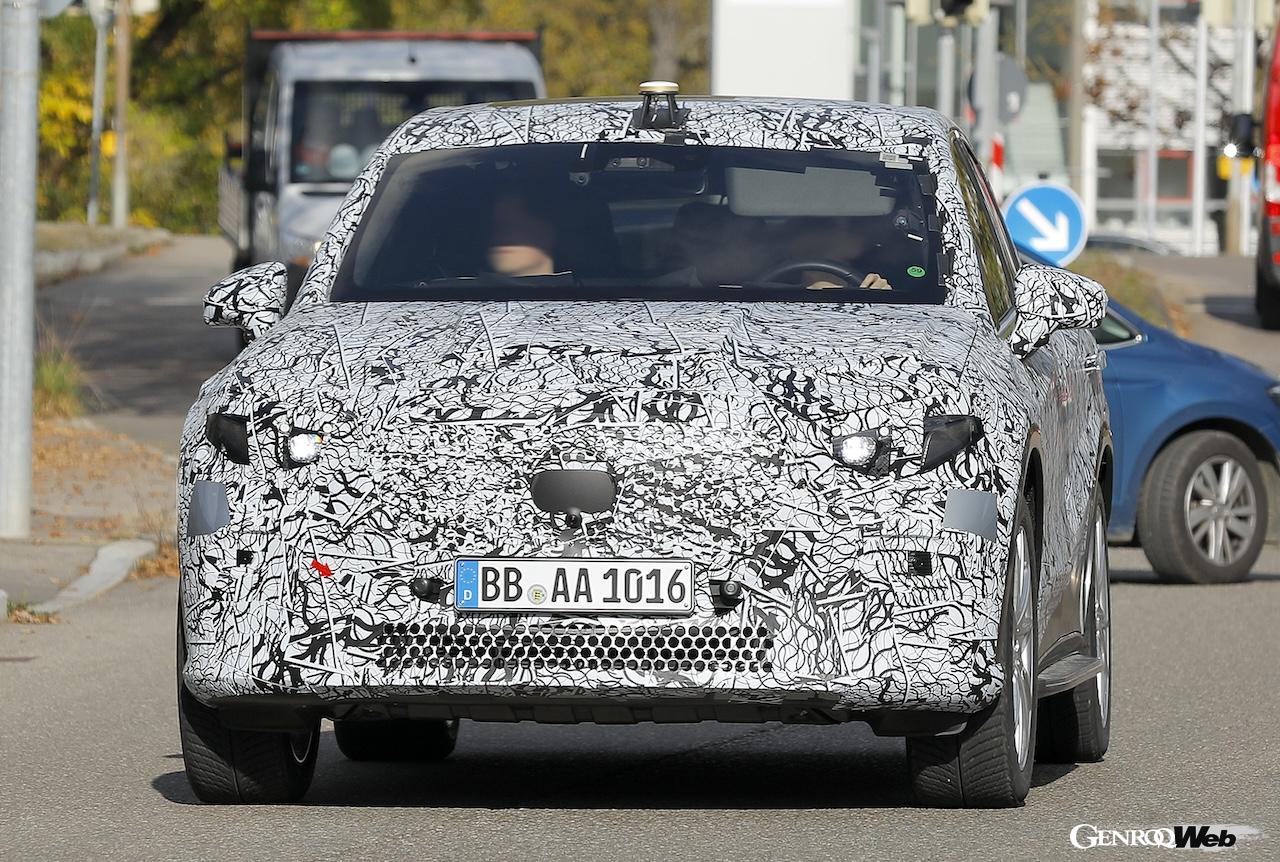
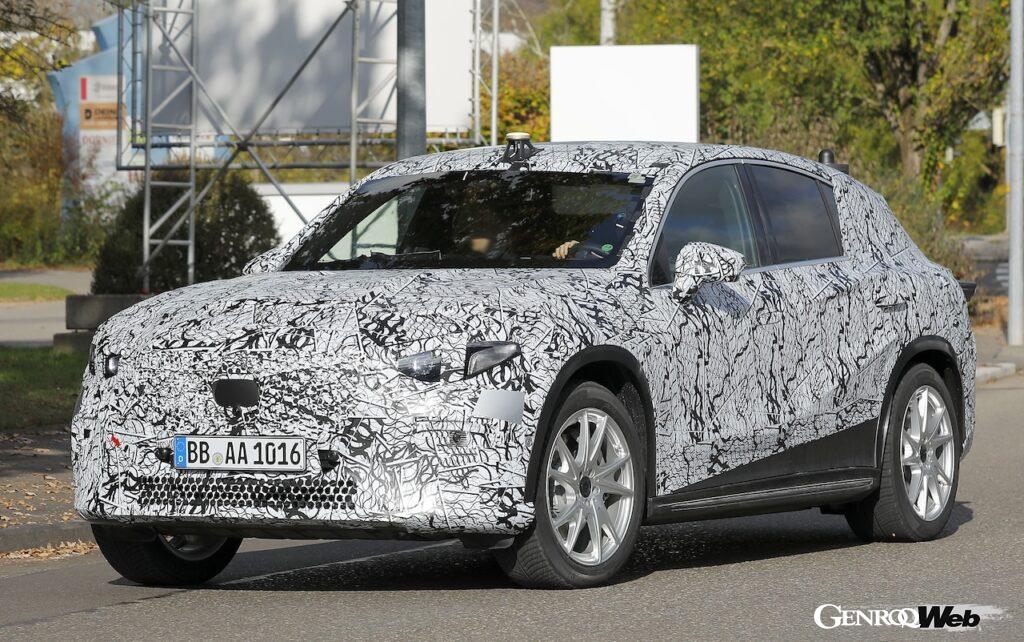
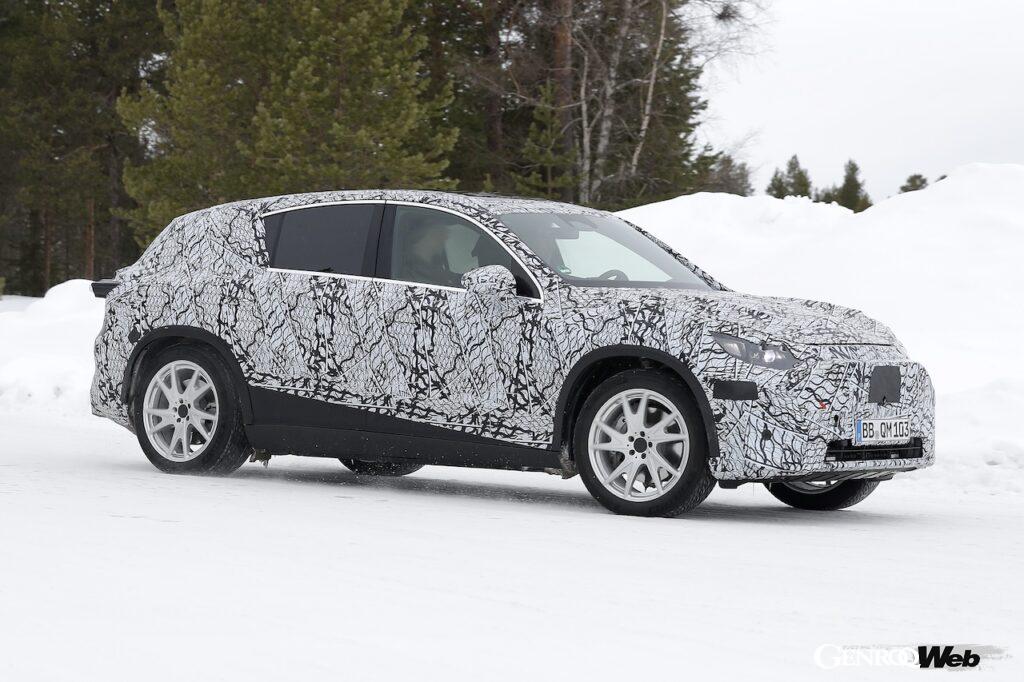
[1] The Mercedes-Benz EQC (GLC EV) prototype spotted this time appears to have a more upright front end than before. [2] This is a prototype that was spotted previously.
Prototypes of the next-generation Mercedes-Benz EQC have been spotted several times in the past. However, this latest scoop image shows a prototype with a different front end than before. It appears that a “facelift” has already been carried out during the development stage. The aim is likely to make space for a large front grille, but the front end appears to be more upright and longer both vertically and horizontally than before.
Adoption of a two-speed transmission
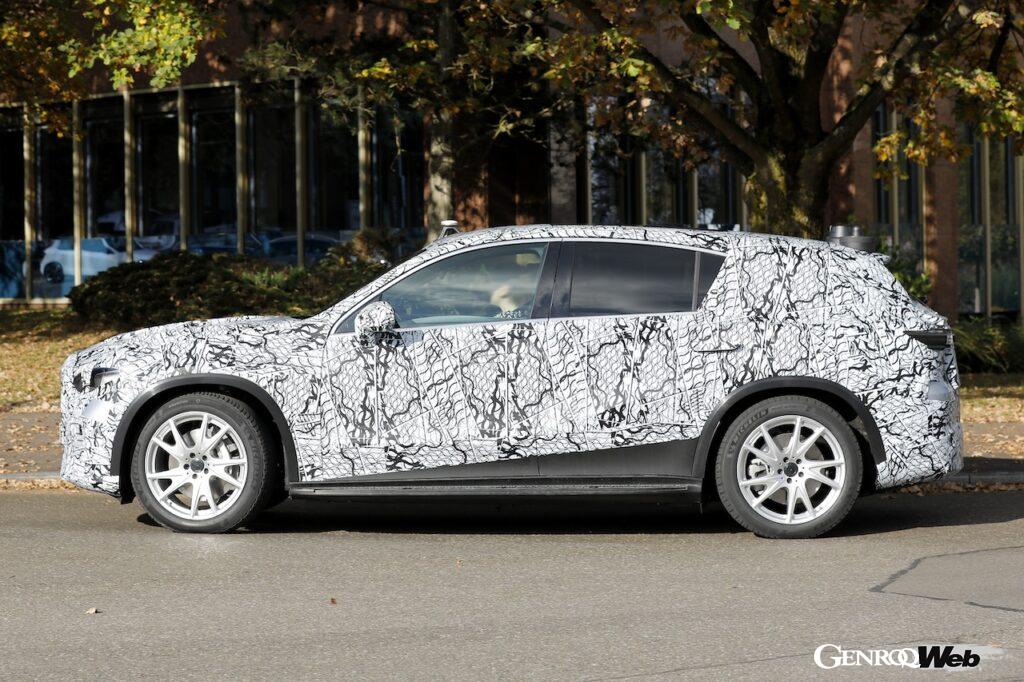
It appears that the new “MB.EA” architecture will be adopted, with a two-speed transmission to further improve efficiency.
The platform is expected to be the new MB.EA architecture for medium to large models, and the technology announced at the EQXX (eATS 2.0 drivetrain) will likely be used not only for the electric A-Class and other smaller vehicle successors that were originally planned, but also for the MB.EA series.
This means it will likely feature 800V technology, a highly efficient silicon carbide inverter, a conventional radial-flux motor with an output of around 250-500 PS, rear- or all-wheel drive, four-wheel steering, and, unlike the EQXX, a two-speed gearbox for even greater energy efficiency.
Also working on battery evolution
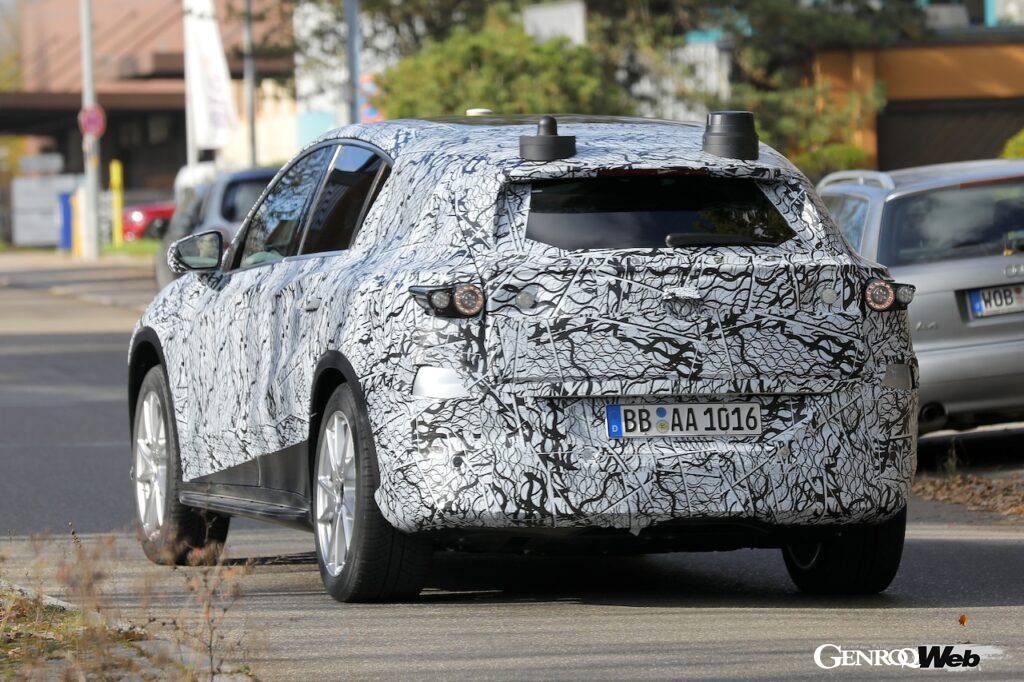
Will the range per charge be extended to nearly 1000km?
Mercedes is also working to significantly increase the energy density of its batteries: the current EQS’s 110kWh battery has a volumetric density of 550Wh per litre, but future models are rumoured to be capable of up to 800Wh/L.
If this becomes a reality, it will be possible to increase the amount of energy stored in the same space and make batteries significantly smaller and lighter. The C-Class EV saloon and this GLC EV (next-generation EQC) may be able to travel nearly 1,000 km on a single charge.
The world premiere of the EQC, now known as the GLC EV, is expected to be in the second half of 2025.
PHOTO/APOLLO










![Will the Mercedes-Benz C-Class Station Wagon undergo a minor change next year? [Scoop!]](https://wheelfeed.com/wp-content/uploads/2025/04/2057-1761193250561.jpg)