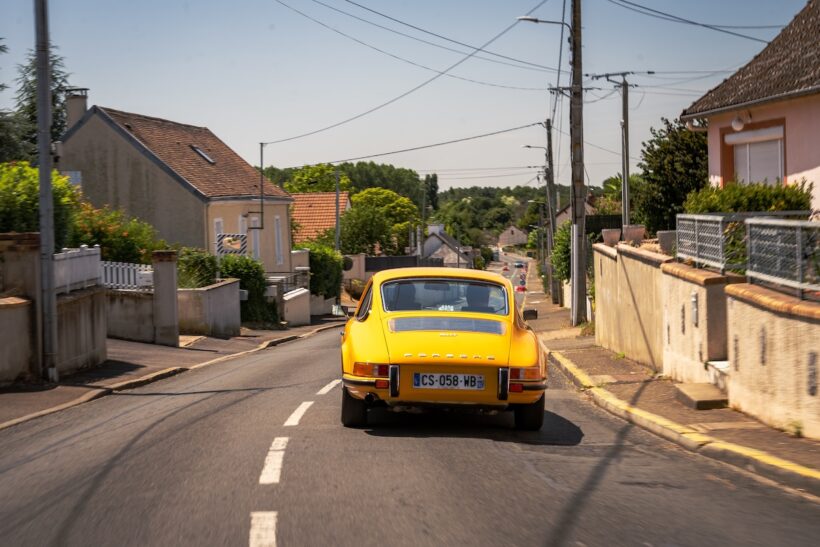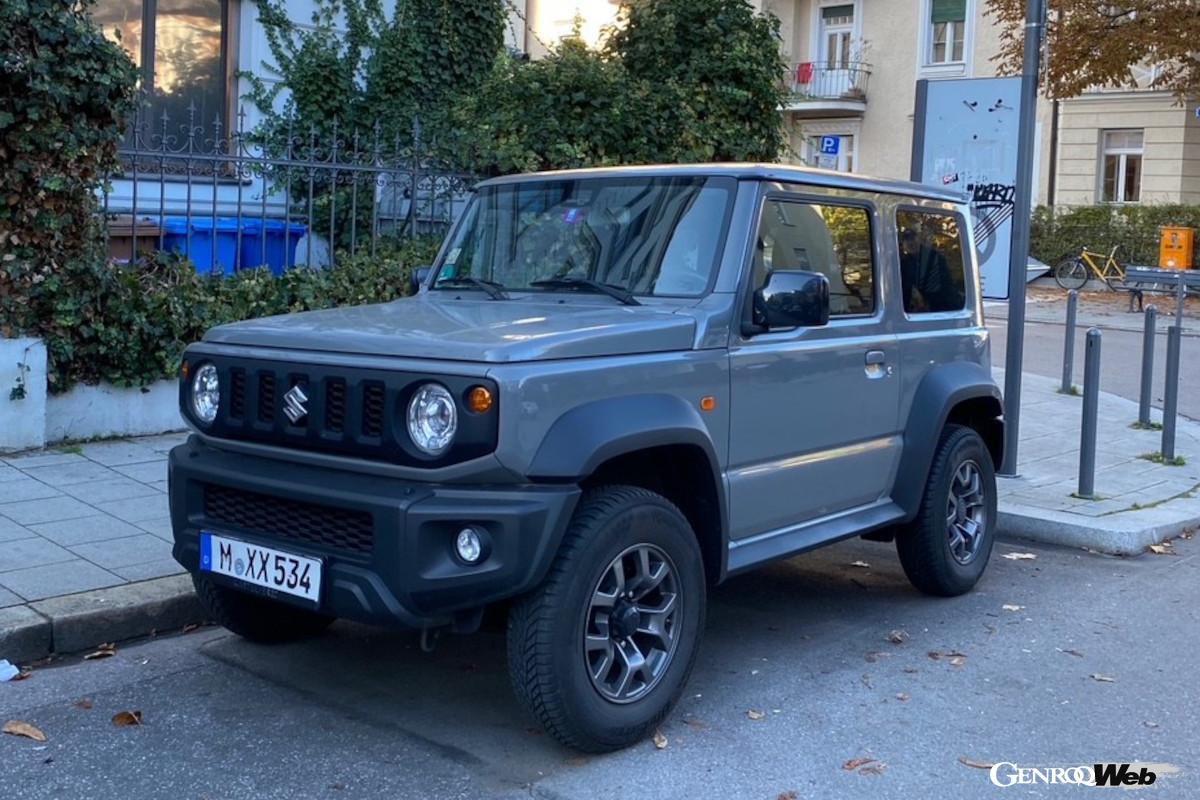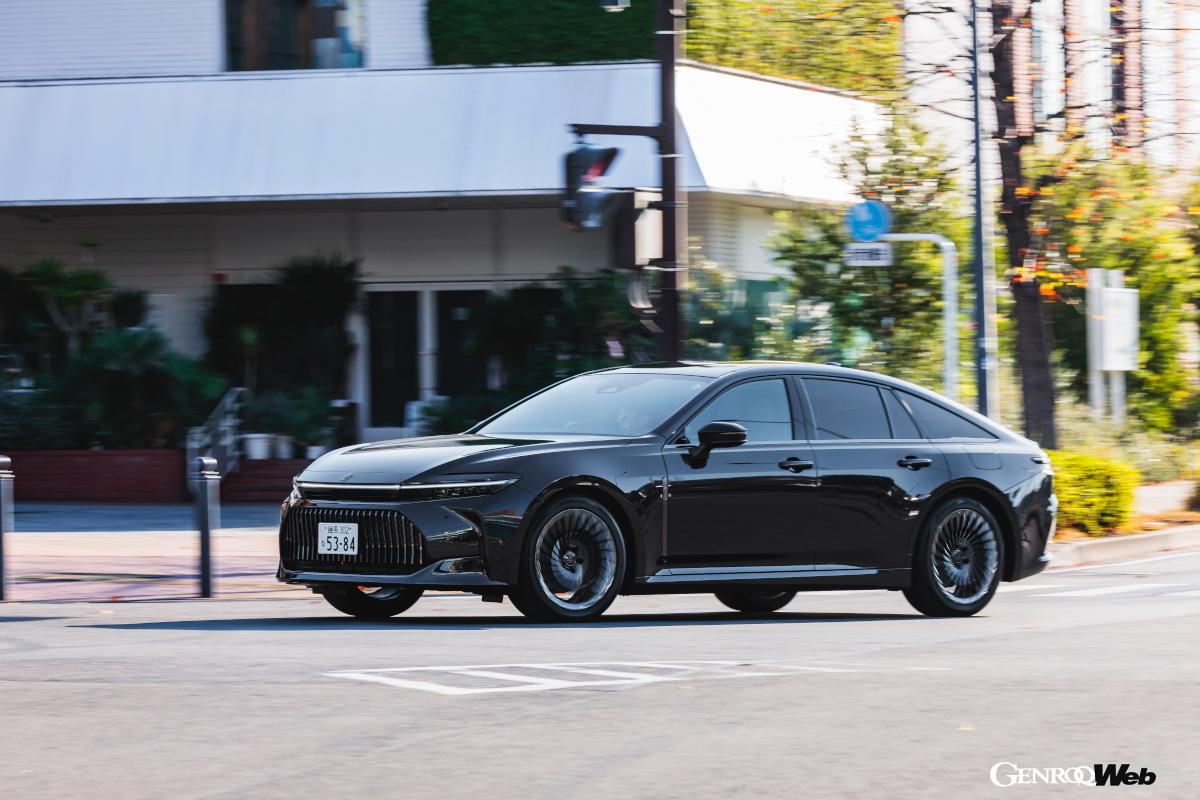

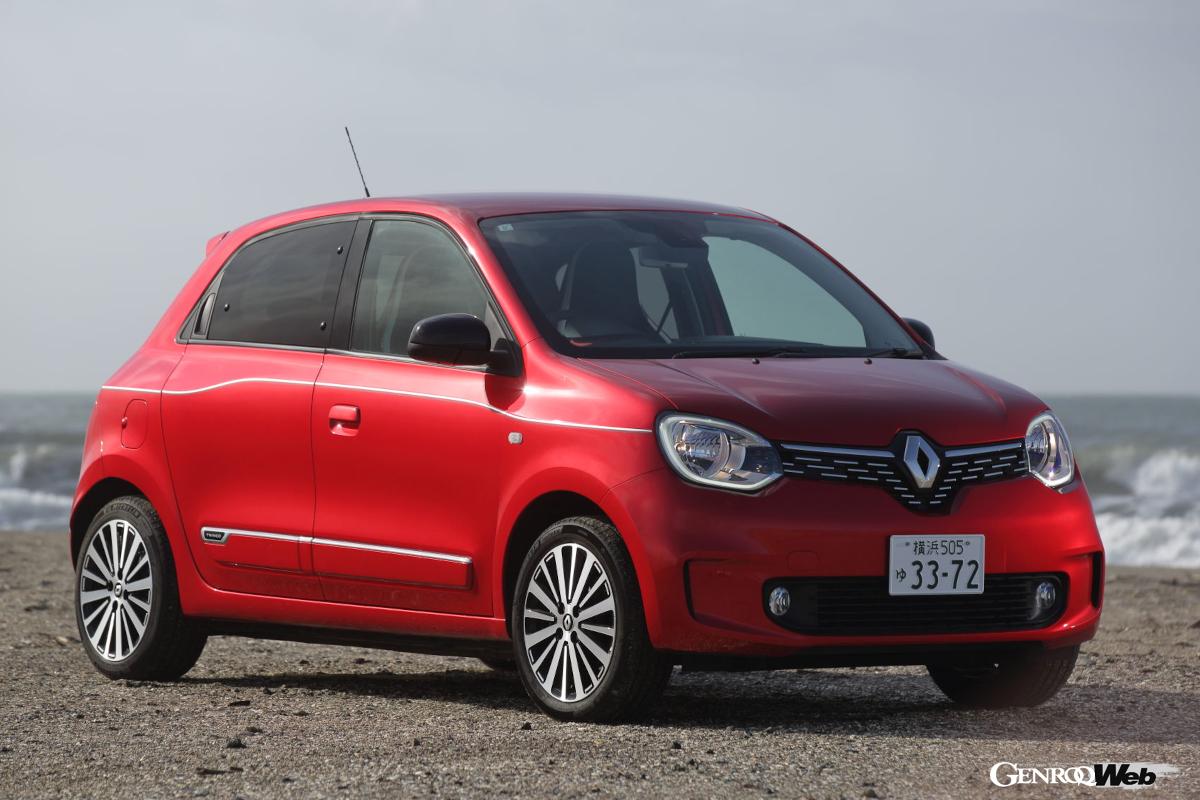
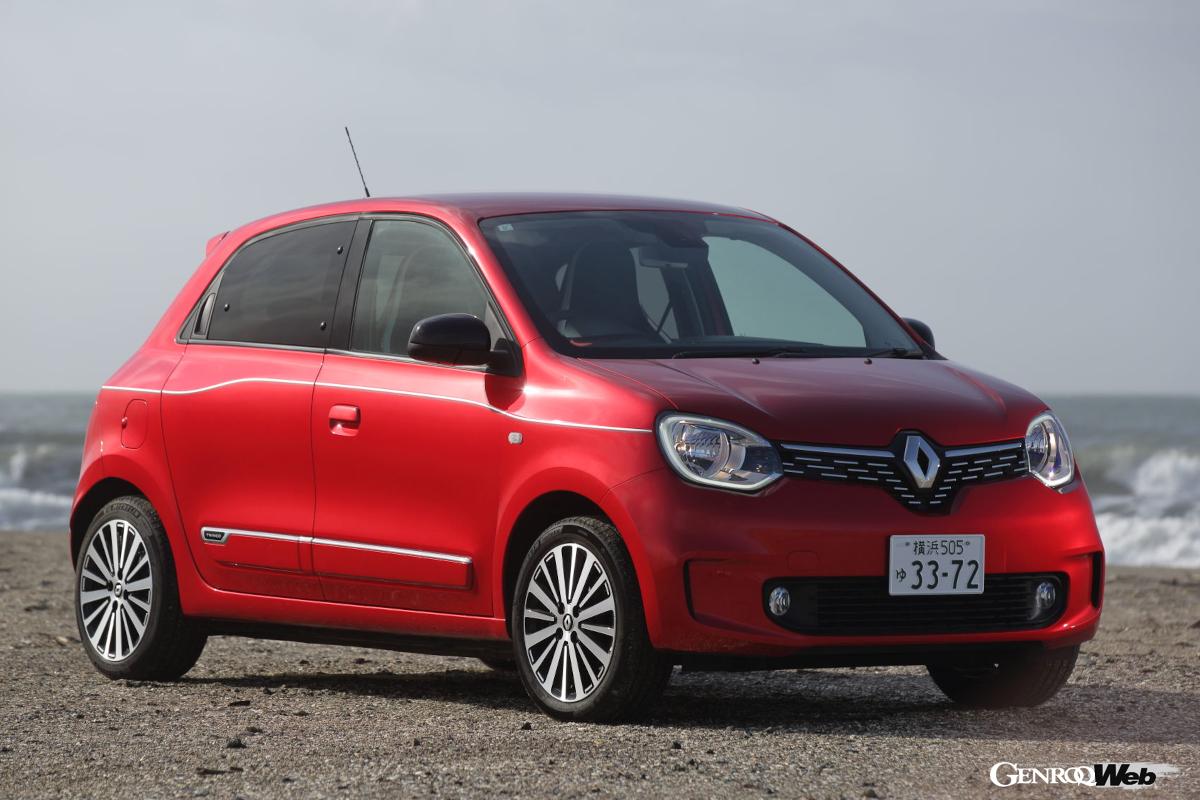
Maybe a more extreme and sporty RR machine will be released?

Renault Twingo
It seems extremely rude to say that it “got no attention.” However, it’s a bad habit of the automotive media to cover new cars and minor changes, but then not much afterwards, so I want to emphasize the magnitude of the gaping hole that has been left. The Renault Twingo came to an end at the beginning of the year with 300 units of the “Edition Final.”
With a total length of just over 3.6m and rear-wheel drive, it has sharp steering angles and maneuverability. In this respect, it inherited some elements from its ancestor and sibling, the Smart ForFour. But the smooth ride, the nimble yet smooth handling, and the stable, unaffected straight-line behavior are truly Renault-esque, and I was impressed every time I drove it. Even now, when I see a nice example at a dealership, I can’t help but check the price and hear the salesman say, “It’s a used car,” and a sense of loneliness washes over me.
The 6-speed EDC was also quite good, but personally I was too reliant on the fact that there was always a 5-speed manual transmission, originating from the Twingo GT. I was holding on to a faint, lustful, or perhaps fleeting hope, that perhaps they would release a more radical, sporty rear-wheel drive model. I wonder if they’ll release a so-called tail-happy, ultra-compact, rear-wheel drive, athletic model in the style of the previous Twingo’s Gordini RS? After all, it’s Renault & Renault Sport…
Even though it was just a dream

Renault Twingo

Renault Twingo
It wasn’t until a while after the minor change that I realized this was somewhat misleading. The Twingo was not designed by Renault from the basic components of the platform and chassis on its own, but was tailored to be a Renault vehicle through the selection of parts suppliers and the scope of tuning, so it was probably not a base vehicle that should have incorporated RS-like technology.
Even if it was an over-the-top dream, the fact that even if an entry-level model was extensively developed and turned into a hot hatchback, there would be little profit to be made from it, combined with the excessive inflation in the EU, made it a poor combination. Around the same time, Renault Sport was also giving the fourth-generation Megane RS four-wheel steering, and with the new generation A110, they were reviving the Alpine brand and increasing its presence in the premium segment. The A110R Ultim, announced this year, has a domestic price of 265,000 euros (approximately 43.5 million yen), and if you choose the hand-painted gradient “La Bleu” finish, the price will jump to 330,000 euros (approximately 54 million yen).
I believe the price of the early Intense third-generation Twingo in Japan was around 2.5 million yen, so one A110R Ultim would be equivalent to about 22 units. That said, it’s hard to say that the A110, which began with a factory renovation in the mid-2010s with an investment of 3.5 billion euros, has a higher profitability than 22 Twingos. Rather, it’s the Renault Group’s unique, or perhaps amusing, trait of releasing a high-priced model in an attempt to recoup the investment now that the A110 is nearing the end of its lifecycle.
A layout suited to economical mass-produced cars

Renault Twingo interior

Renault Twingo interior
Let’s digress. What we can say now is that the Twingo will one day become a legendary compact commuter car, like an idol that graced the late Heisei and early Reiwa eras. The RR was something Renault had been working on since the days of the 4CV, and like other models such as Fiat and Simca, it was a layout method that was space-efficient and suited to economical mass-produced cars. Industrially, Renault joined the Smart project midway through, which was part of the DaimlerChrysler Group, and although the basic design and production in Slovenia were shared, as you know, it had the clean ride that is characteristic of Renault, and was a car that was just right for everyday use.
It’s likely that we won’t see such a richly flavored small car again in the future. I suddenly remembered that Sylvie Vartan, who sang “Find an Idol,” was still performing live this year at the age of 80.