
VOLVO EX40
×
MERCEDES-BENZ GLA
Germany has an autobahn
Volvo EX40

Mercedes-Benz GLA

Volvo EX40

Mercedes-Benz GLA
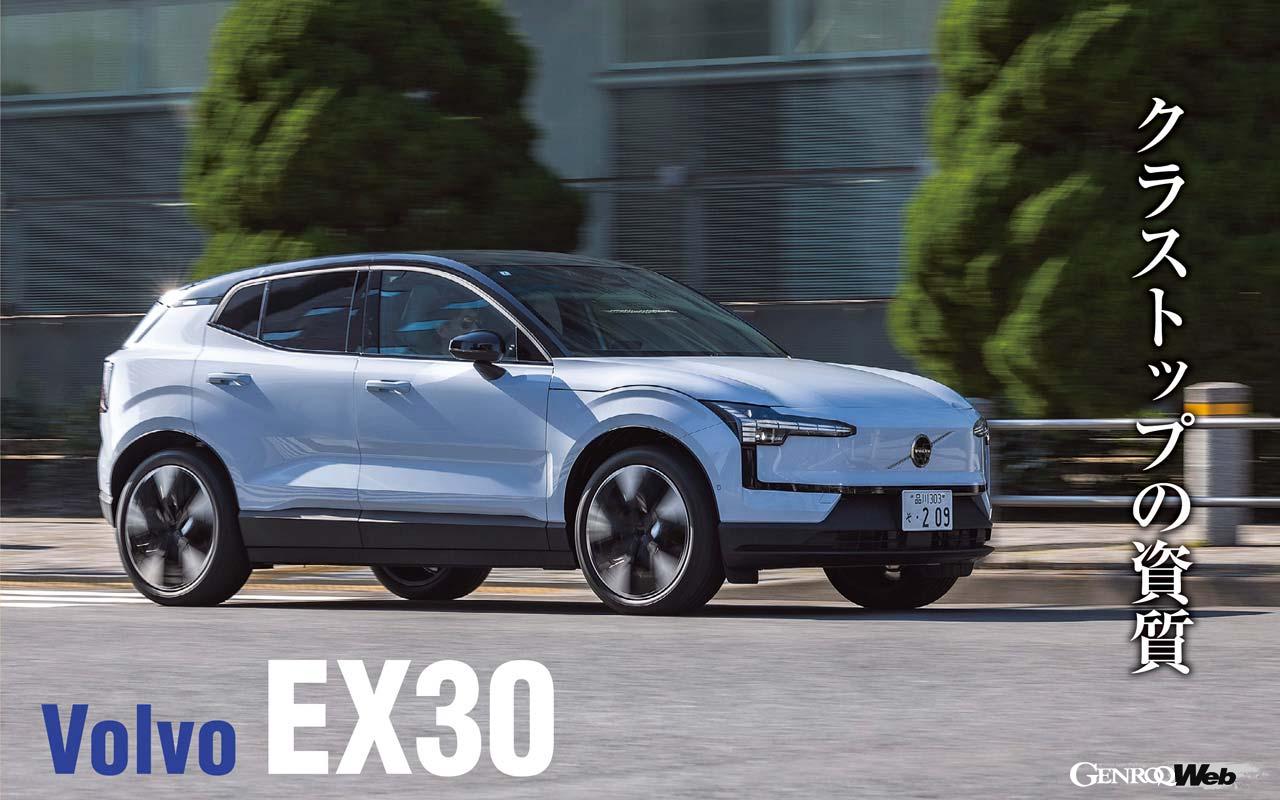
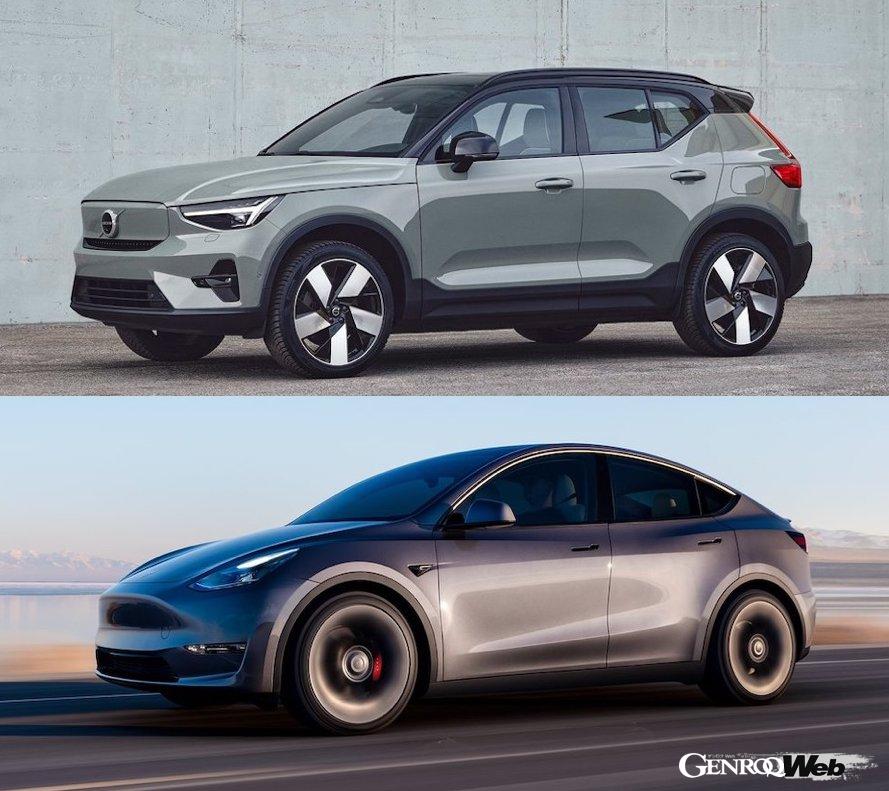
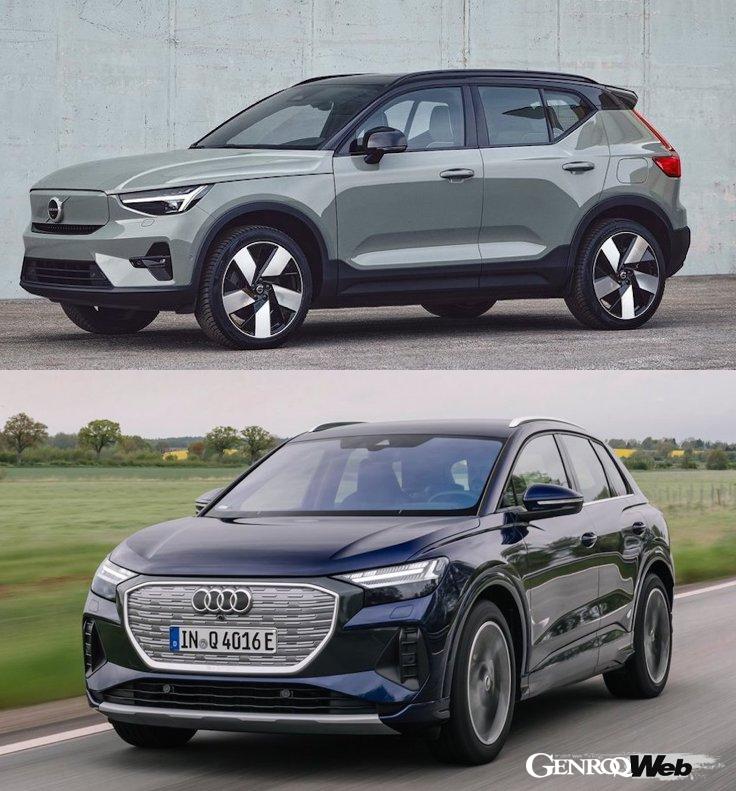
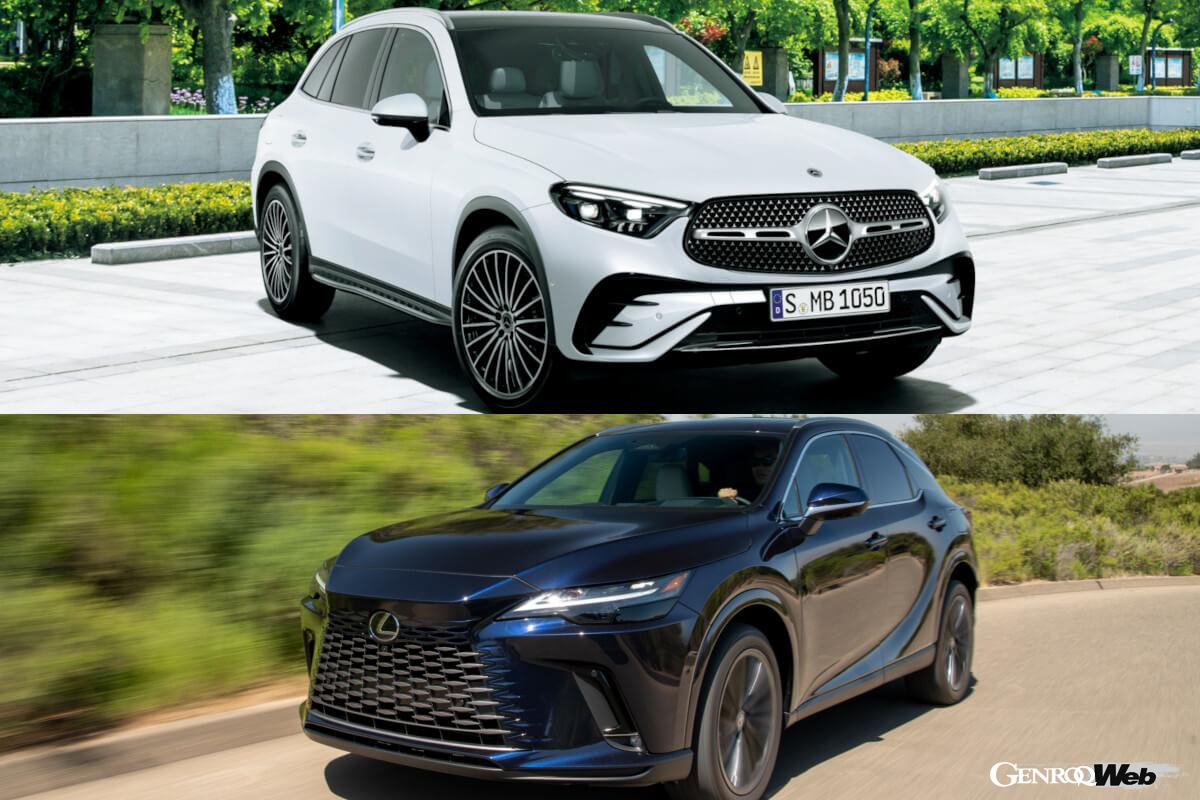
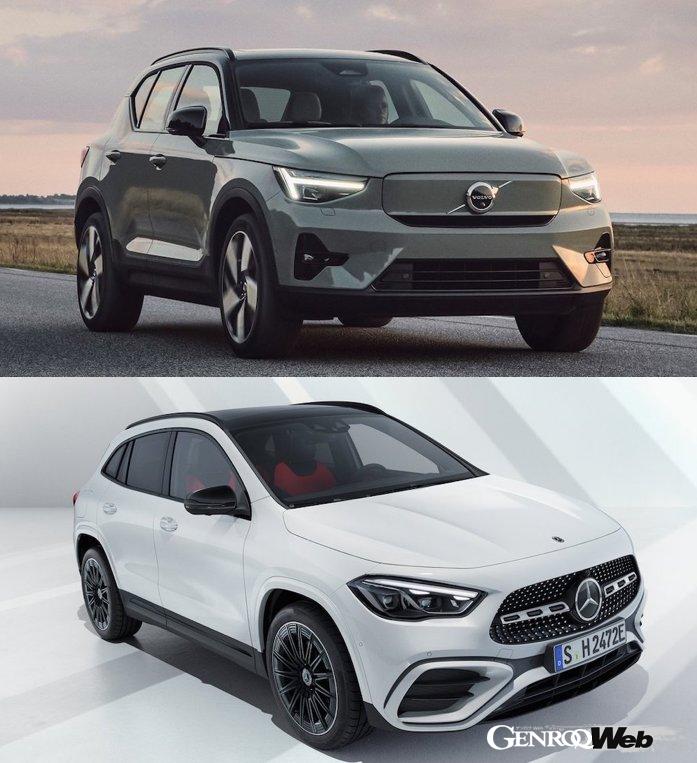
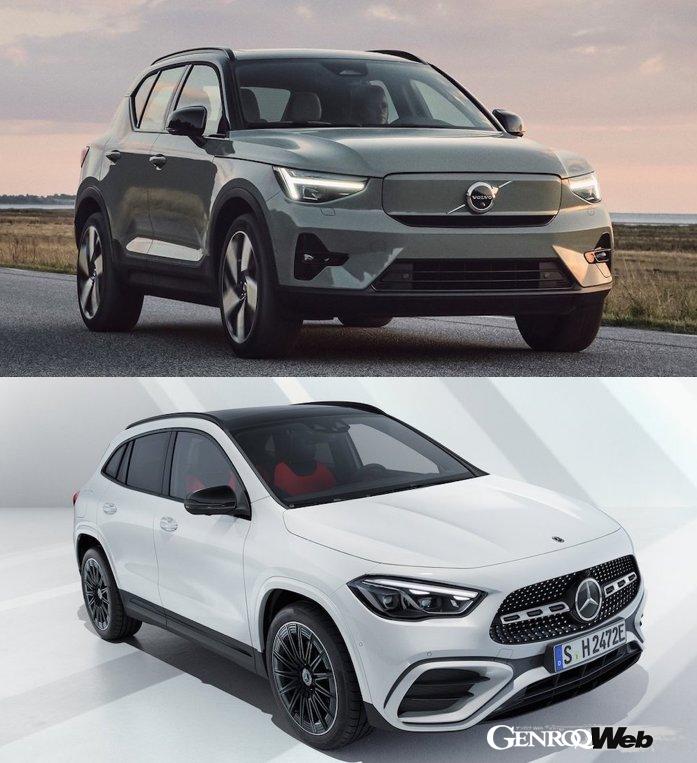
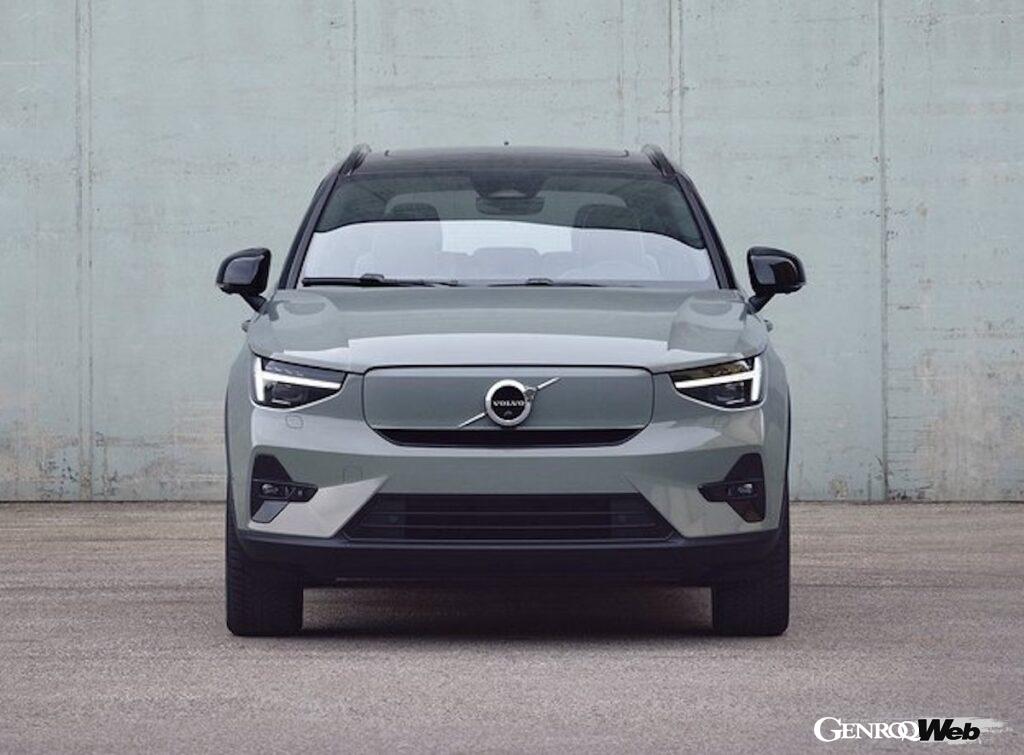
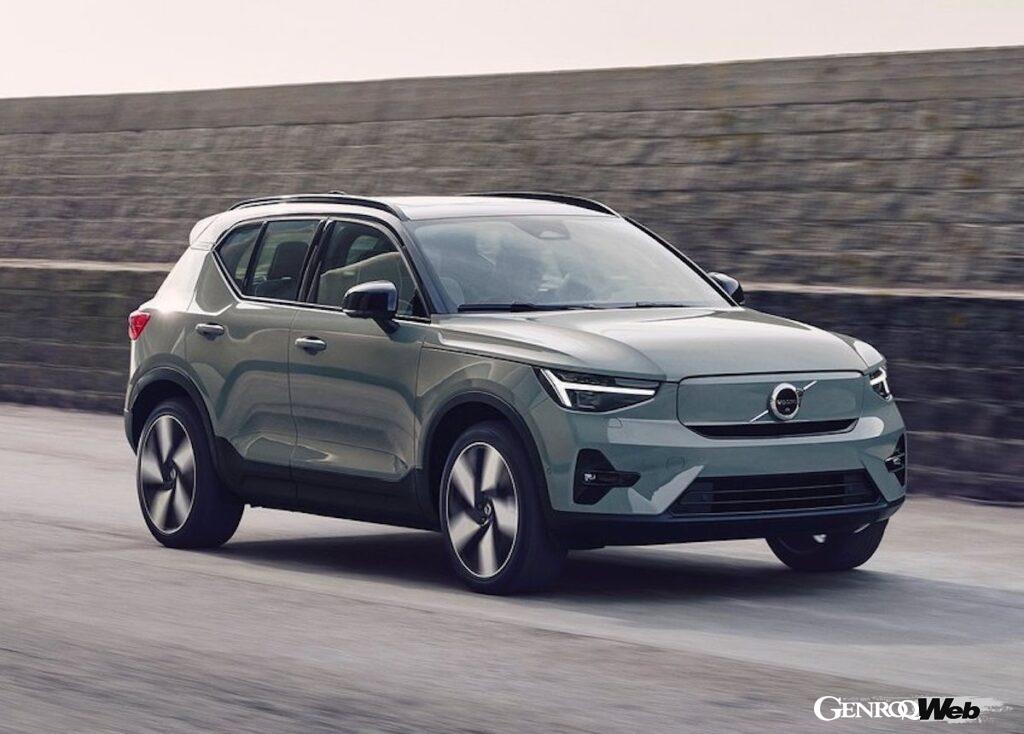
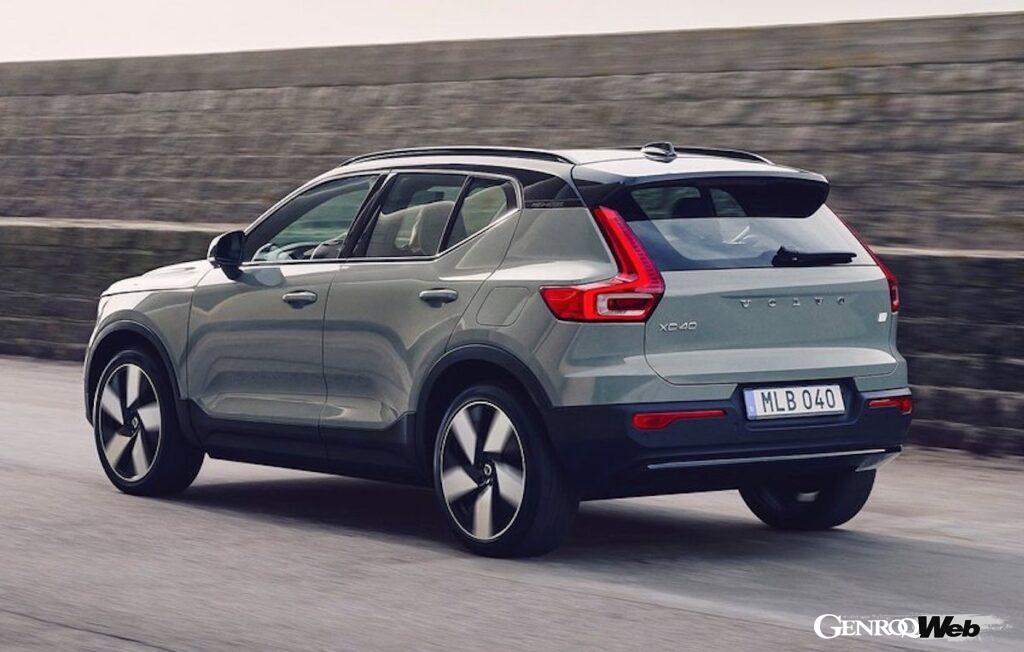
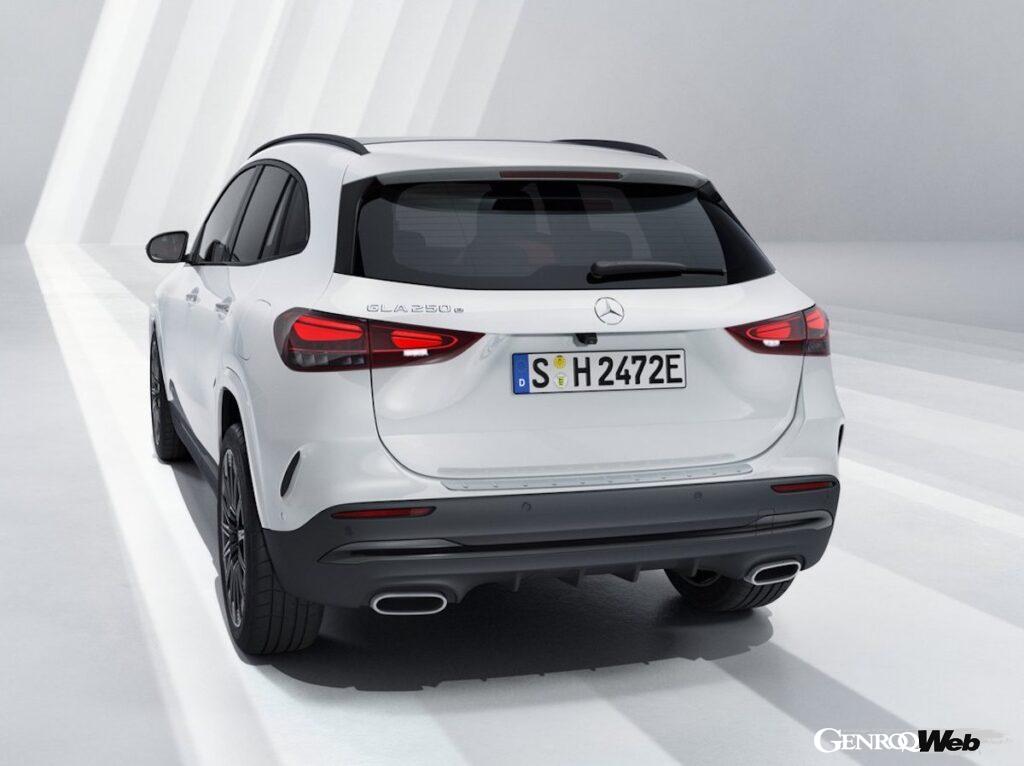
The Volvo EX40 and the Mercedes-Benz GLA are roughly the same size, but their styling gives them very different impressions. The EX40 has a simple and sturdy shape that is typical of Volvo. In contrast, the GLA has a sleek, coupe-like style.
The issue of aerodynamics is of concern here. Air resistance has a significant impact on cruising range. The EX40 prioritizes Volvo style, which makes its aerodynamic characteristics, particularly the wind drag at the rear, a concern. On the other hand, the GLA is designed with aerodynamic characteristics in mind. The roofline is also shaped like a coupe.
This may be partly due to the difference in origin between Sweden and Germany. Germany has the Autobahn, and even tall SUVs are required to be able to handle fairly high speeds. Therefore, it seems that the pursuit of functionality naturally led to this shape.
Volvo EX40 Plus Single Motor
Body size = Length 4440mm x Width 1875mm x Height 1650mm
Wheelbase = 2700mm
Vehicle weight = 2030kg
Tire size = 235/50R19 (front) / 255/45R19 (rear)
Mercedes-Benz GLA 200d 4MATIC
Body size = Length 4415mm x Width 1835mm x Height 1620mm
Wheelbase = 2730mm
Vehicle weight = 1710kg
Tire size = 235/55R18 (front and rear)
Diesel is no longer cheap
Volvo EX40

Mercedes-Benz GLA
Volvo EX40
Mercedes-Benz GLA
The EX40 is a pure EV, while the GLA is equipped with a diesel engine. In terms of maintenance costs, the EX40 is superior, as it has lower fuel (charging) costs and requires minimal oil changes. However, diesel engines are cheaper to fuel, have better fuel economy, and have more torque, making acceleration better.
However, when it comes to quietness and comfort, there is no engine that can beat an electric motor, which produces almost no noise or vibration compared to an engine.
However, EVs have the disadvantage of always having a problem with their driving range. While the GLA can basically be owned anywhere, the ease of ownership of the EX40 changes drastically depending on whether or not there is a charging station.
Volvo EX40 Plus Single Motor
Drive battery type = Lithium-ion battery
Rated output = 120 kW
Maximum output = 238 PS / 4000-5000 rpm
Maximum torque = 418 Nm / 1000 rpm
Transmission = 1-speed fixed
Drive system = RWD
Mercedes-Benz GLA 200d 4MATIC
Engine type = Inline 4-cylinder DOHC diesel turbo
Displacement = 1949cc
Maximum output = 150PS / 3400-4400rpm
Maximum torque = 320Nm / 1400-3200rpm
Transmission = 8-speed AT
Drive system = AWD
EVs are cheaper to own, but charging environments are an issue

Volvo EX40

Mercedes-Benz GLA
The GLA is a premium brand SUV, but it is still priced cheaper than the EX40.
Simply put, the GLA, which only requires regular refueling, is undoubtedly easier to purchase, own, and maintain. It also offers good resale value. However, one area of concern is the change in fuel costs. Fuel costs have risen significantly in recent years, and government subsidies for fuel costs are also on the decline. Even diesel fuel is more expensive than gasoline prices in the past.
If you want to keep maintenance costs down, the EV EX40 is the right choice. The EX40 has a long range of 590km. Charging infrastructure is also improving, so in the long run, the barrier to ownership will likely become lower.