

VOLVO EX40
×
MERCEDES-BENZ EQA
Body design affects actual driving range

Volvo EX40

Mercedes-Benz EQA
Volvo EX40

Mercedes-Benz EQA
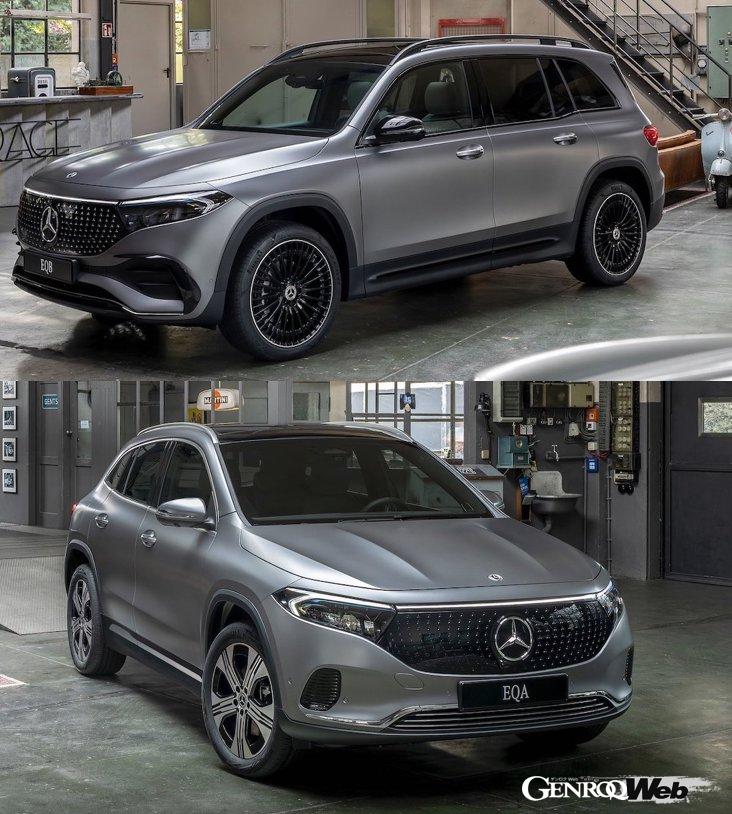
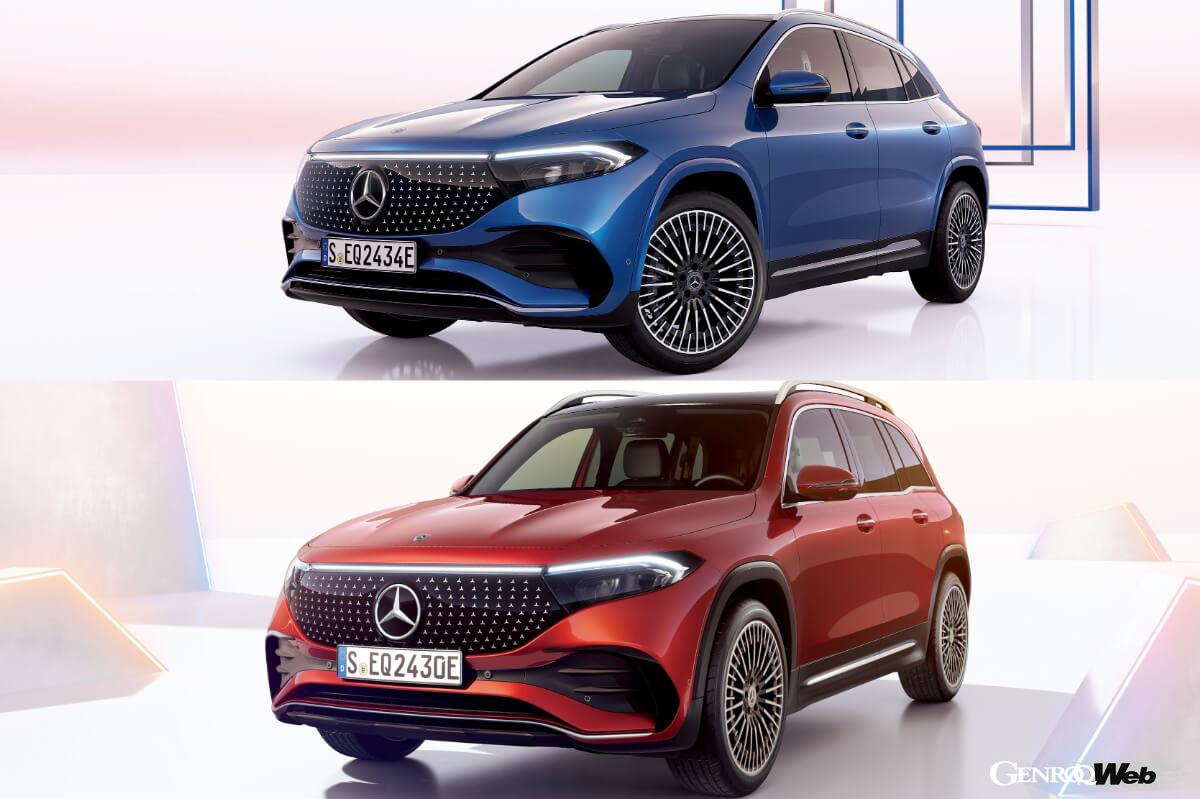
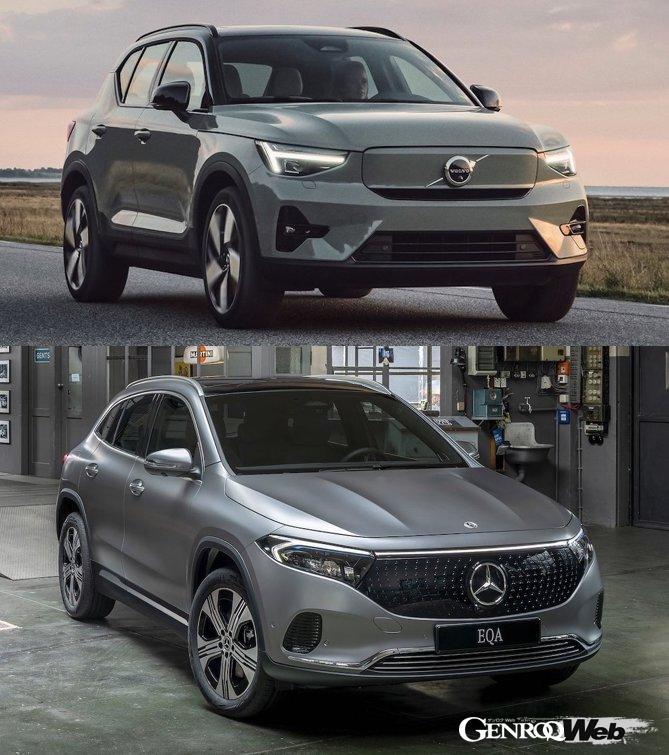
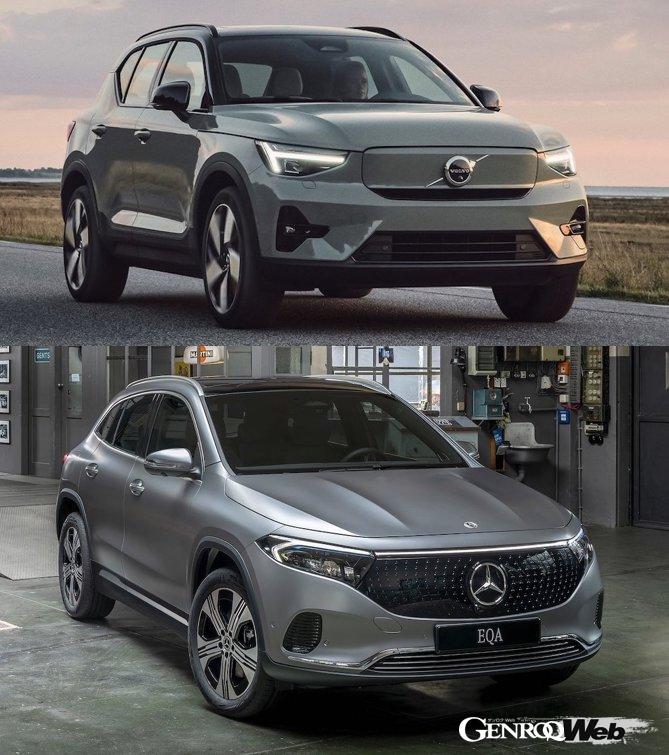
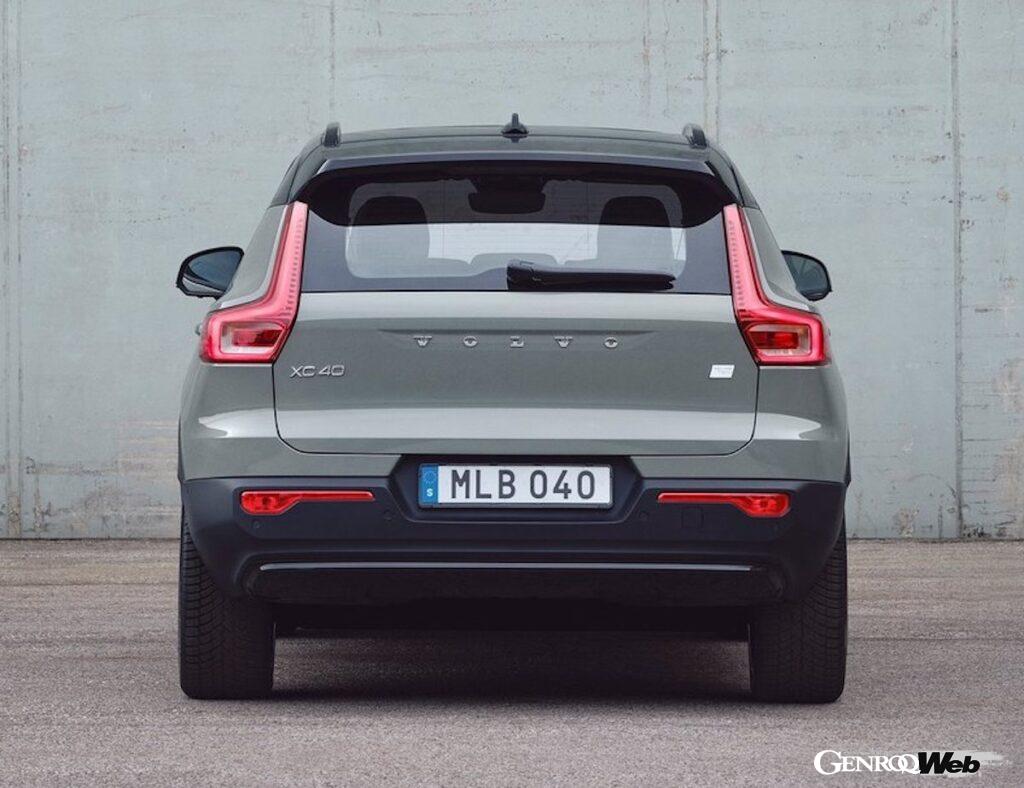
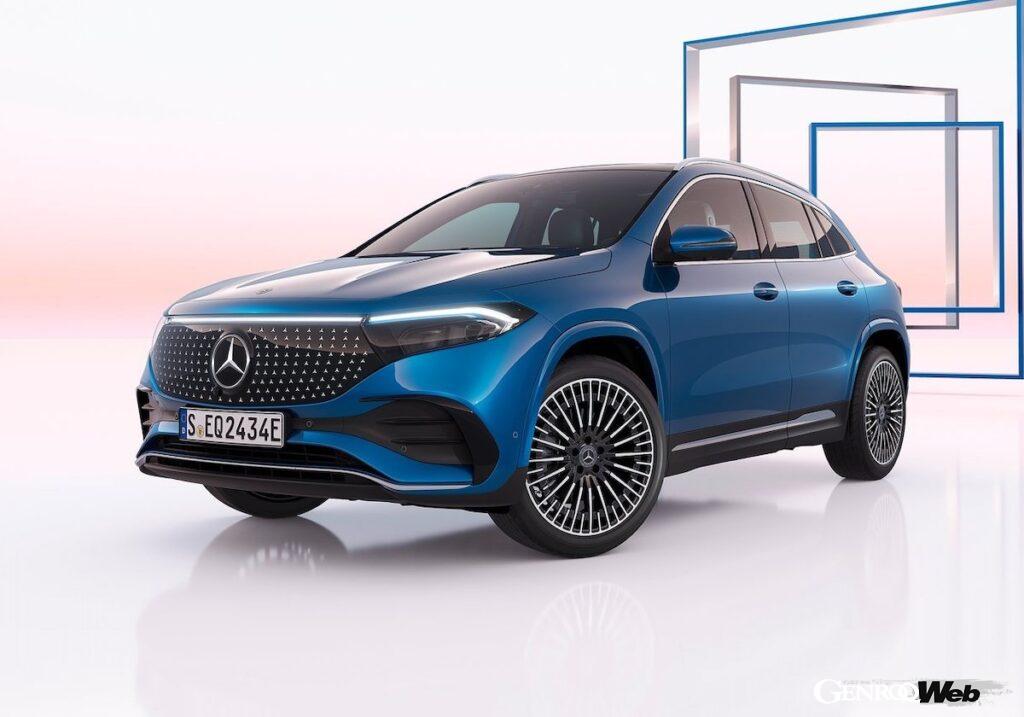
Comparing the body sizes of the Volvo EX40 and the Mercedes-Benz EQA, we can see that the two cars are almost identical. There is not much difference in the wheelbase or vehicle weight. However, the biggest difference is the body design. The EX40 has a square, powerful design, typical of Volvo SUVs. On the other hand, the EQA has an unusual direction even for Mercedes-Benz, with an egg-shaped body design with few bumps and grooves overall.
Air resistance has a big impact on driving range, but Mercedes-Benz dislikes this effect, so the EQ series has an overall rounded design. Volvo’s style is good, but its steep front face is likely to be directly affected by air resistance. This is a difference in body shape that is likely to affect power consumption and driving range when driving on the highway.
Volvo EX40 Plus Single Motor
Body size = Length 4440mm x Width 1875mm x Height 1650mm
Wheelbase = 2700mm
Vehicle weight = 2030kg
Tire size = 235/50R19 (front) / 255/45R19 (rear)
Mercedes-Benz EQA 250+
Body size = Length 4465mm x Width 1835mm x Height 1610mm
Wheelbase = 2730mm
Vehicle weight = 1980kg
Tire size = 235/55R18 (front and rear)
Possible impact on regenerative braking and tire wear

Volvo EX40
Mercedes-Benz EQA

Volvo EX40

Mercedes-Benz EQA
The EX40 has a higher maximum output. The point to note is torque, which is higher for the EX40, but this is the value at 1000 rpm. On the other hand, the EQA produces maximum torque the moment you start driving. Since EV transmissions are basically fixed to first gear, the difference of 1000 rpm is probably significant. The EQA may be better at starting from a standstill.
The two cars also have opposite drivetrains: the EX40 is rear-wheel drive (RWD) while the EQA is front-wheel drive (FWD). The EX40 is likely to be more fun to drive in sporty situations.
Another concern is how the regenerative braking works. The EX40 is rear-wheel drive, so using the regenerative braking does not affect handling. The EQA is front-wheel drive, so acceleration, deceleration, and handling are all handled by the front wheels. This may put more strain on the front tires. The EQA’s front tires may wear out faster.
Volvo EX40 Plus Single Motor
Drive battery type = Lithium-ion battery
Maximum output = 238 PS / 4000-5000 rpm
Maximum torque = 418 Nm / 1000 rpm
Transmission = 1-speed fixed
Drive system = RWD
Mercedes-Benz EQA 250+
Drive battery type = Lithium-ion battery
Maximum output = 190 PS / 3550 ~ 7000 rpm
Maximum torque = 385 Nm / 0 ~ 3550 rpm
Transmission = 1-speed fixed
Drive system = FWD
Is it worth the price difference?

Volvo EX40

Mercedes-Benz EQA
The price difference between the two cars is not small, at around 1 million yen. Incidentally, the cruising range is almost the same, with the EX40 at 590km and the EQA at 591km. The EQA may have a premium feel as a Mercedes-Benz brand, but when considering its performance as an EV, the EX40 and EQA can be said to be on the same level. As for quietness, since they are motors, any EV is far superior to a gasoline vehicle.
With that in mind, the price of the EX40 may be understandable. It seems we need to carefully consider why the EQA is worth 1 million yen more than the EX40.