
BMW X3
×
BMW NEW X3
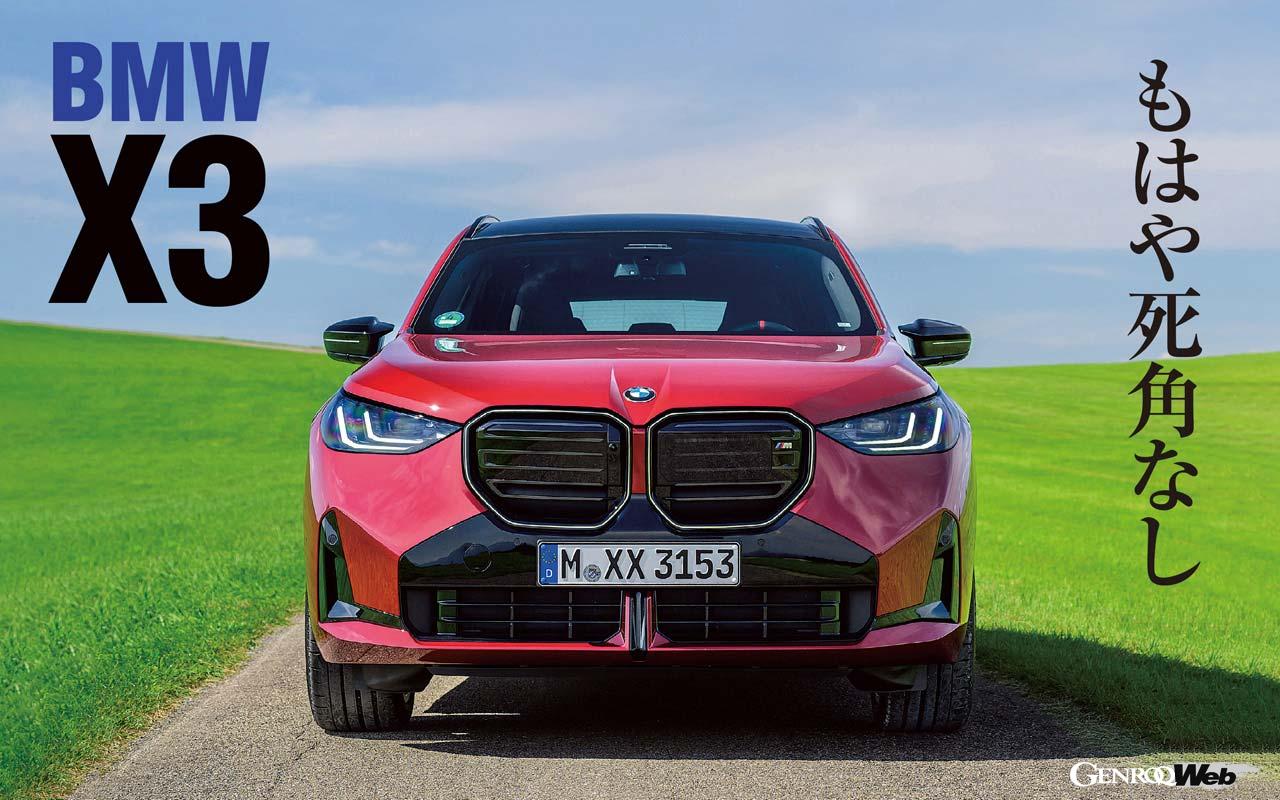
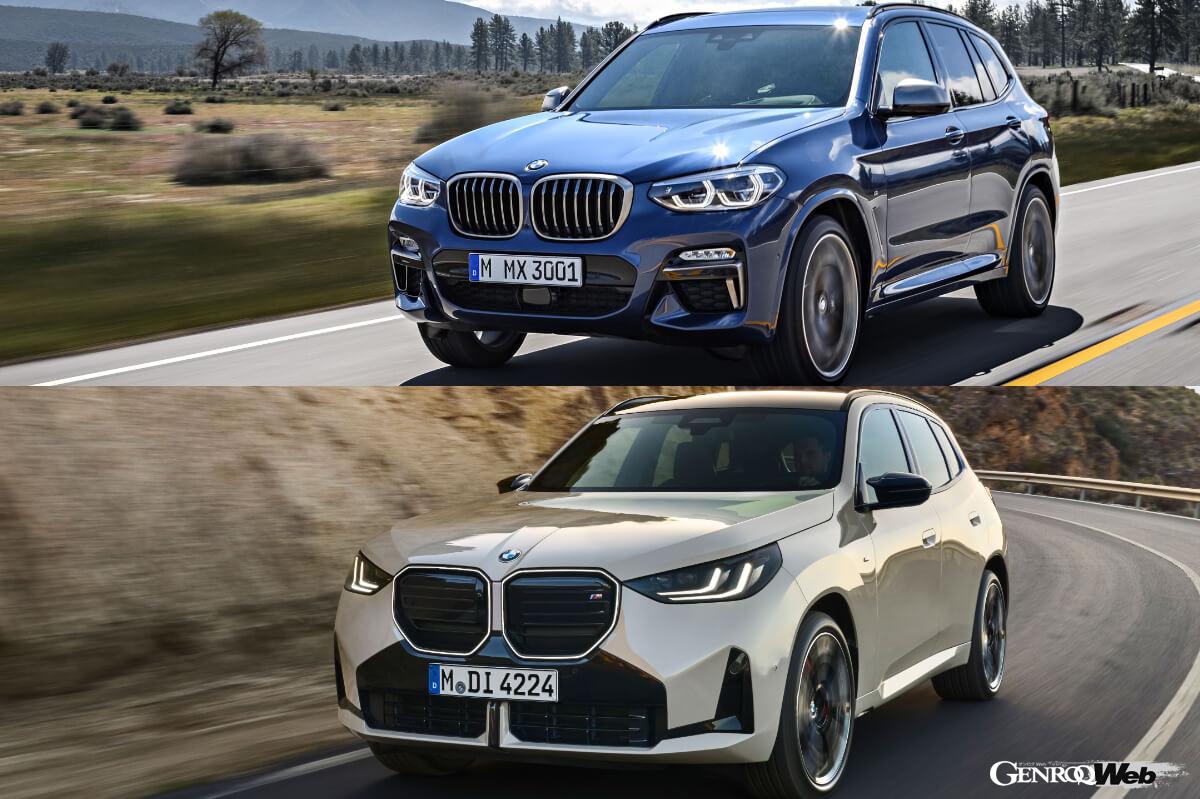
The new X3 is slightly larger and weighs 80kg more.
BMW X3 M40i
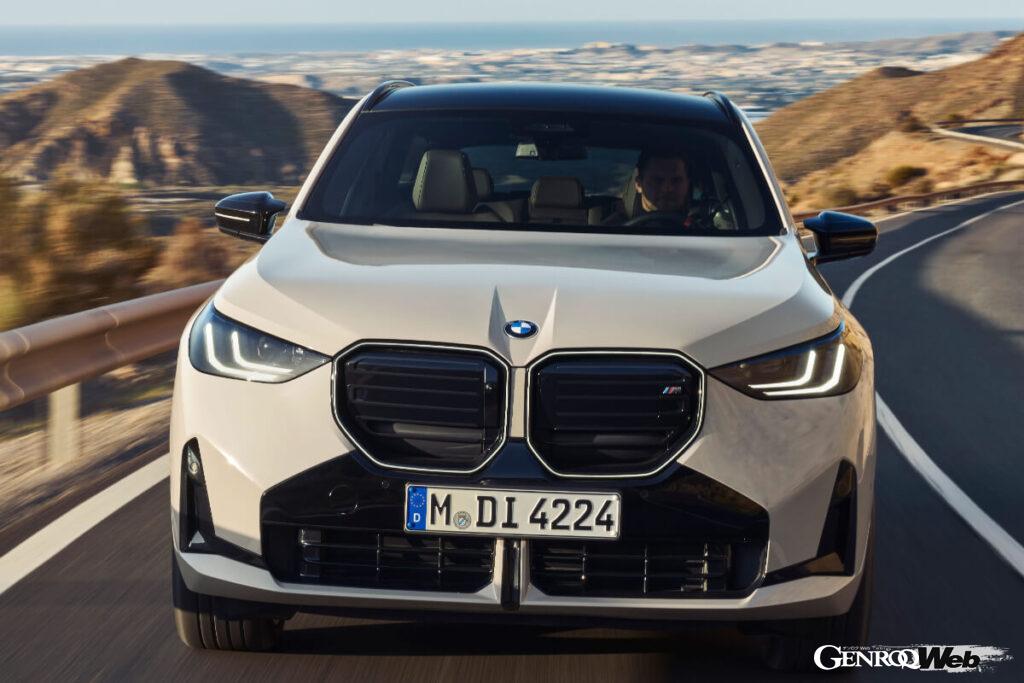
BMW X3 M50 xDrive
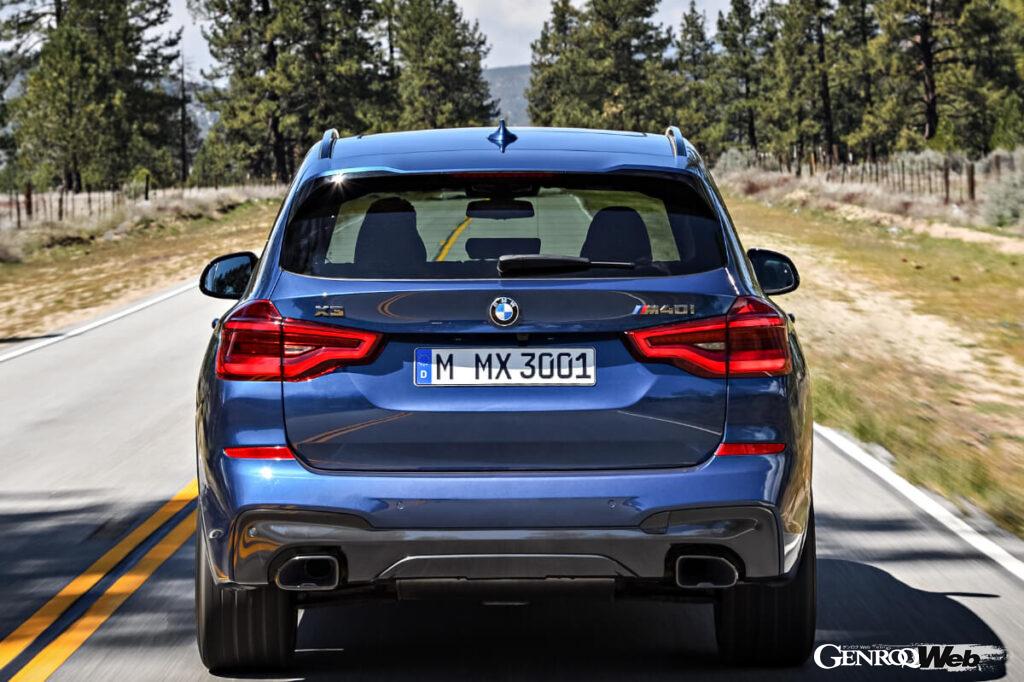
BMW X3 M40i
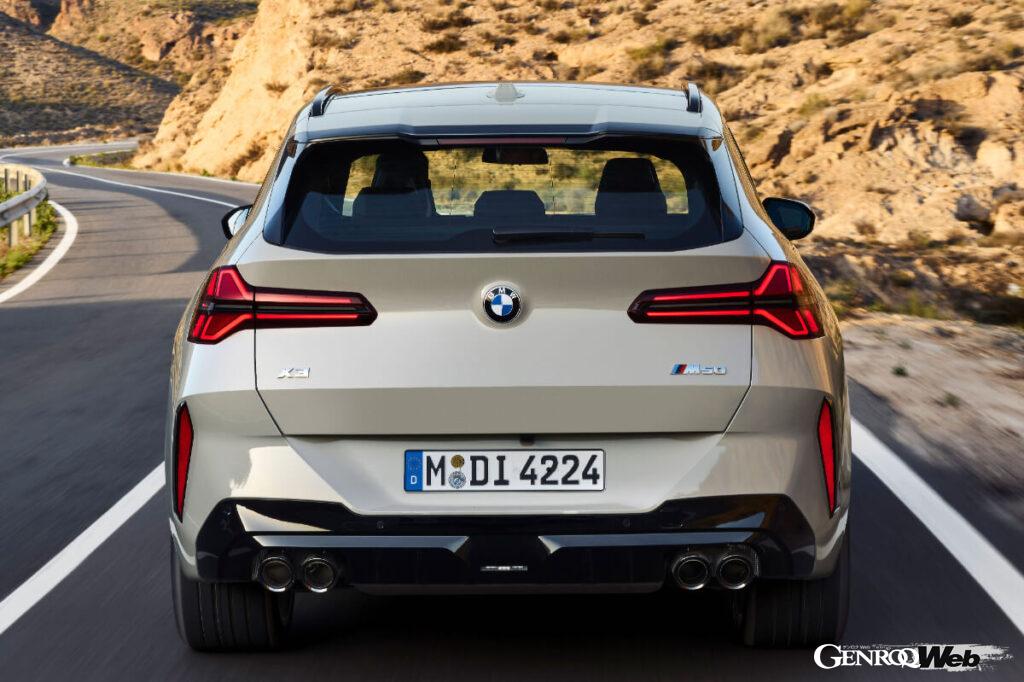
BMW X3 M50 xDrive
Comparing the body size of the new BMW X3 with the previous model, the new model is slightly larger. However, the increase is only a few dozen millimeters. The wheelbase remains unchanged, but the vehicle weight has increased by 80 kg. The weight increase is likely due in large part to the addition of the 48V mild hybrid system.
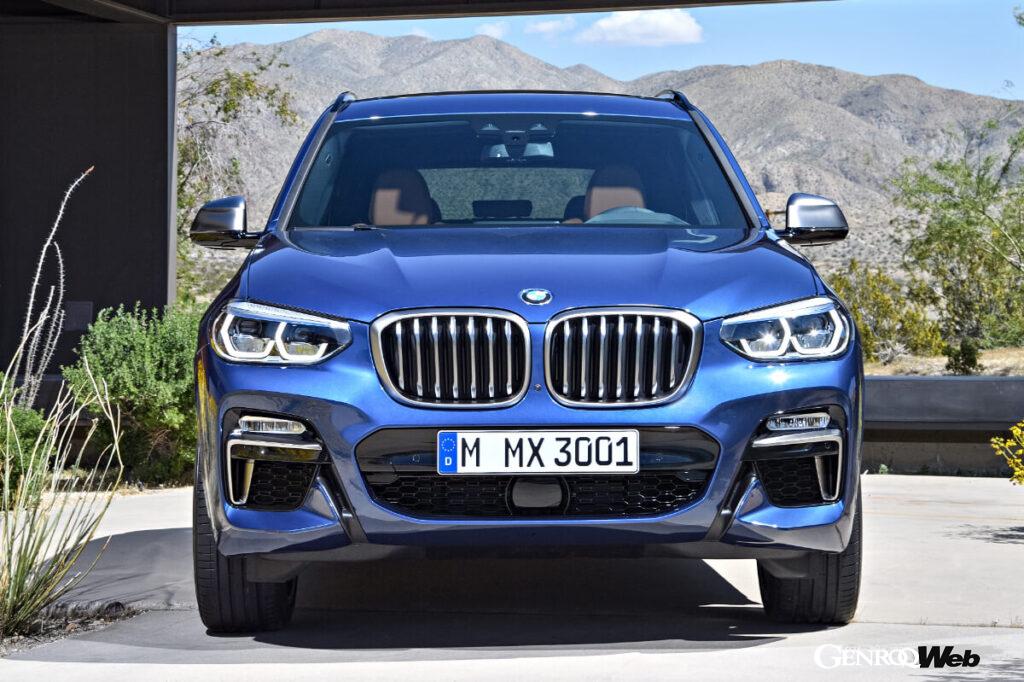
While the exterior design retains the image of the previous model, it has been boldly redesigned based on BMW’s new design language. The lines of each part have become sharper and the kidney grille has been blacked out. The aggressive impression has been further enhanced.
The interior of both the old and new models is driver-oriented, but the difference in design is clear. The new model’s decorative elements and curved LCD display are sophisticated by modern standards.
BMW X3 M40i (old model)
Body size = Length 4725mm x Width 1895mm x Height 1675mm
Wheelbase = 2865mm
Vehicle weight = 1920kg
Tire size = 245/45R20 (front) / 275/40R20 (rear)
BMW X3 M50 xDrive (new model)
Body size = Length 4755mm x Width 1920mm x Height 1660mm
Wheelbase = 2865mm
Vehicle weight = 2000kg
Tire size = 255/45R20 (front) / 285/40R20 (rear)
The key to evolution is the inclusion of a 48V mild hybrid

BMW X3 M40i
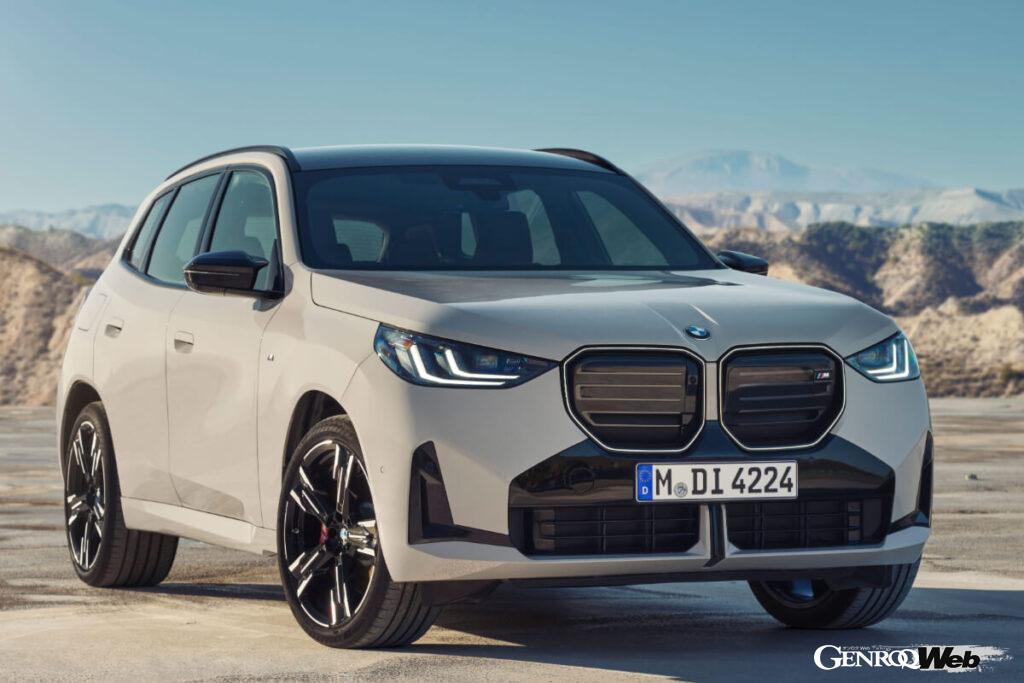
BMW X3 M50 xDrive
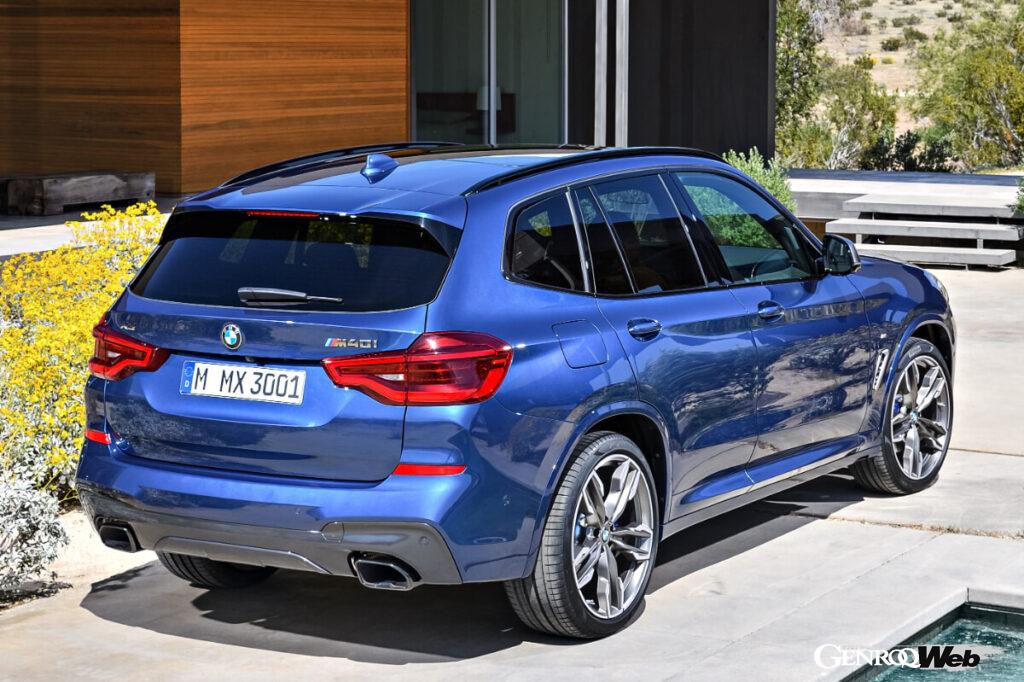
BMW X3 M40i
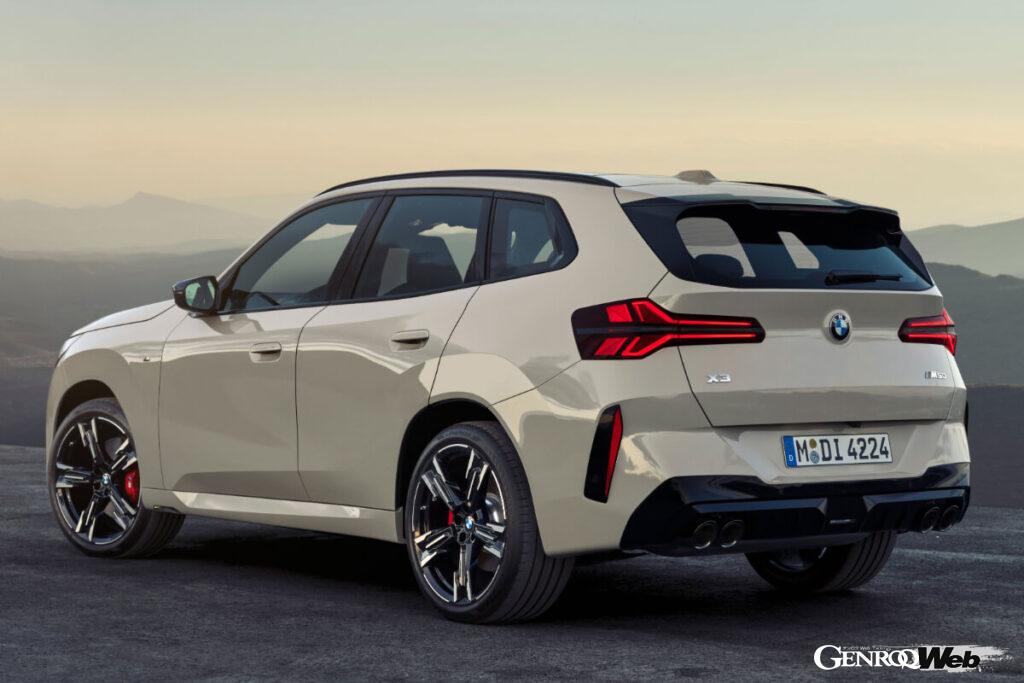
BMW X3 M50 xDrive
The new X3 is equipped with the same in-line 6-cylinder gasoline turbo engine as the previous model. Maximum power output has been slightly reduced due to the lowered rotational speed, but maximum torque has been increased by 40 Nm while the rotational speed remains almost the same.
Furthermore, the new model is equipped with a 48V mild hybrid system with a specification of 18PS/200Nm, which raises the system’s maximum torque to 580Nm, which means that torque during starting acceleration is significantly higher than the previous model.
The 8-speed automatic transmission itself is likely to remain unchanged, as the gear ratios are the same. The drivetrain will continue to be equipped with BMW’s electronically controlled all-wheel drive (AWD) “xDrive.” Despite a significant increase in vehicle weight, the new X3 M50’s average fuel economy under the WLTC test cycle has improved from 10.5km/L to 11.9km/L, a hidden point of evolution.
BMW X3 M40i (old model)
Engine type = Inline 6-cylinder DOHC gasoline turbo engine
Displacement = 2997cc
Maximum output = 387PS/5800rpm
Maximum torque = 500Nm/1800-5000rpm
Transmission = 8-speed AT
Drive system = AWD
BMW X3 M50 xDrive (new model)
Engine type = Inline 6-cylinder DOHC gasoline turbo engine + motor
Displacement = 2997cc
Maximum output = 381PS/5500rpm
Maximum torque = 540Nm/1900-4800rpm
Transmission = 8-speed AT
Drive system = AWD
Is the 400,000 yen price increase worth it?
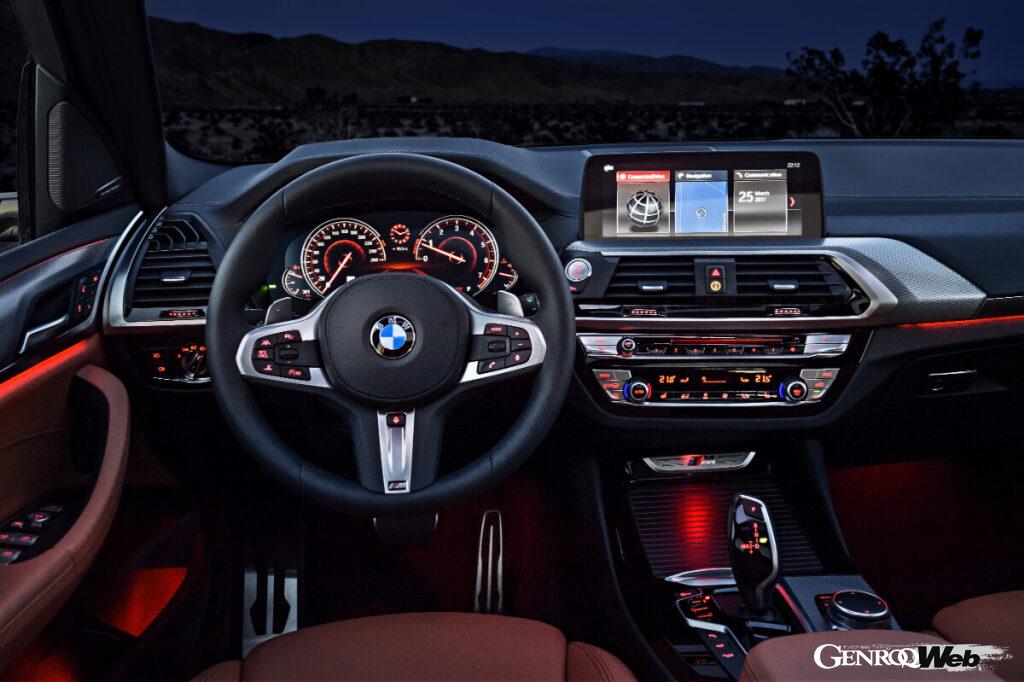
BMW X3 M40i
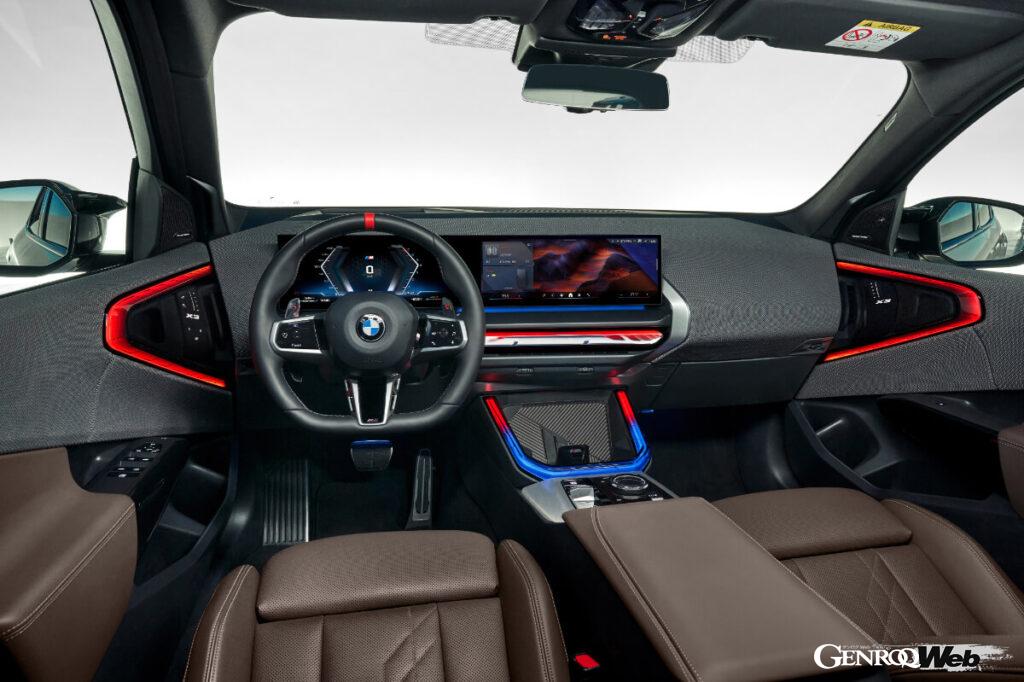
BMW X3 M50 xDrive
The price of the old X3 M40i was 9.58 million yen, but the new X3 M50 xDrive is now 9.98 million yen, a price increase of 400,000 yen. However, considering the recent rise in prices, it can be said that a price increase is unavoidable.
However, when you consider the improved power performance and fuel efficiency achieved by the addition of the mild hybrid system, as well as the sophisticated interior and exterior design, the price seems justified.
The new X3 M Performance model inherits the performance of its predecessor, but it has undoubtedly evolved into a faster and more efficient car.