
RANGE ROVER Velar
A rival to the Macan

The successor to the Velar is expected to be a fully electric SUV targeted at the Macan EV.
The current-generation Range Rover Velar was released in 2017 as a mid-size SUV, filling the gap between the Evoque and Range Rover Sport. The successor model is expected to be a fully electric SUV. It is said to be reborn as a refined model, with improved durability, performance, and practicality, targeting the Porsche Macan EV.
Sporty proportions

The exterior design gives a very sporty impression.
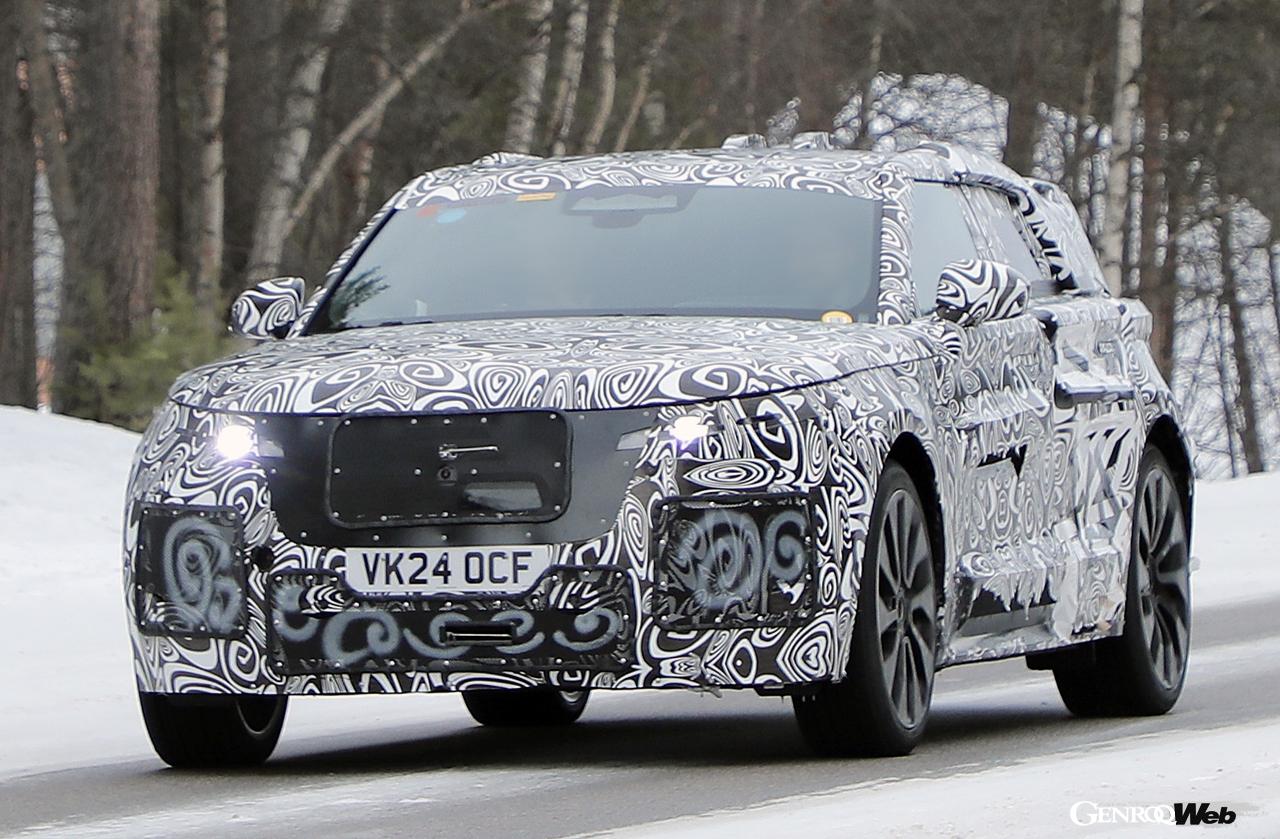
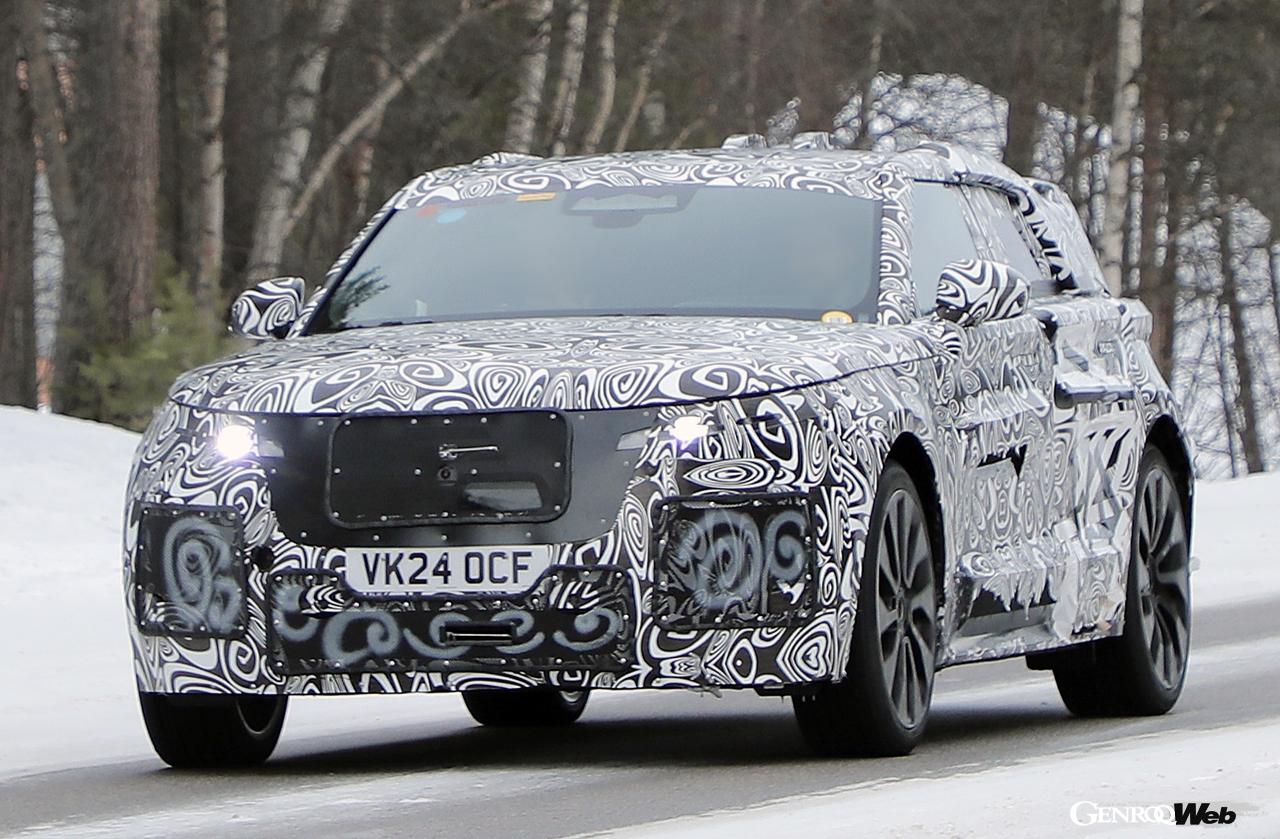
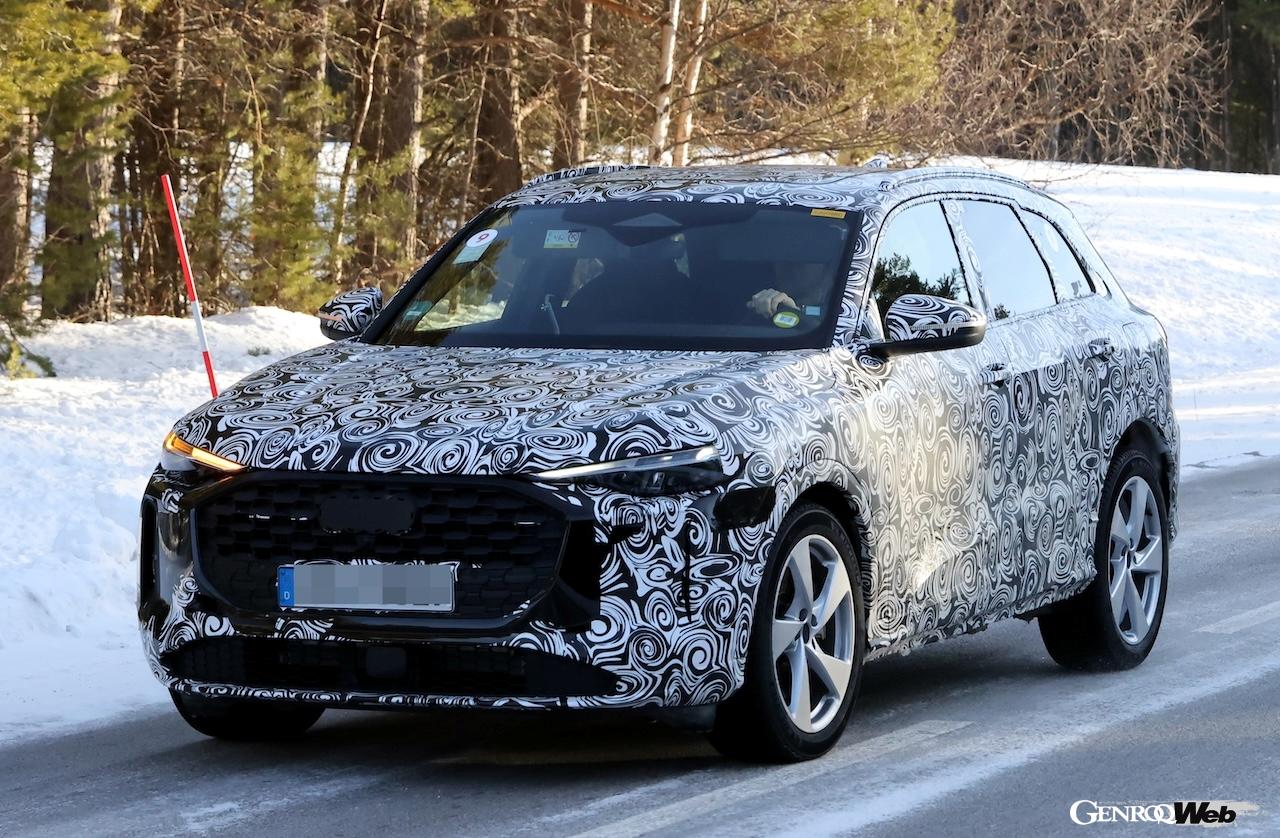
The prototype, spotted in the mountains of northern Finland, shows a very sporty proportion with a low roofline and sloping side windows, similar to the current Velar. The rear window also appears to be extremely thin, which is unique. It is known that the new sedan (EV) from sister brand Jaguar does not have a rear window, but the production version of the Velar will likely be fitted with one.
Will it have three rows of seats?

The body size suggests that it could be possible to adopt three rows of seats.
The side view is key: The current Velar has two rows of seating, but judging by the position of the rear wheels and rear doors on the prototype, it looks like the new model might have room for a third row of seats—or perhaps a significantly larger trunk.
At the rear, the license plate has been moved from the rear hatch to the bumper, a move similar to that seen on the recent Range Rover and Range Rover Sport, while the rest of the car remains similar to the current model, including the bonnet shape, larger alloy wheels and flush door handles.
Will it be released as a Macan rival in 2026?

The successor to the Velar is expected to arrive in 2026.
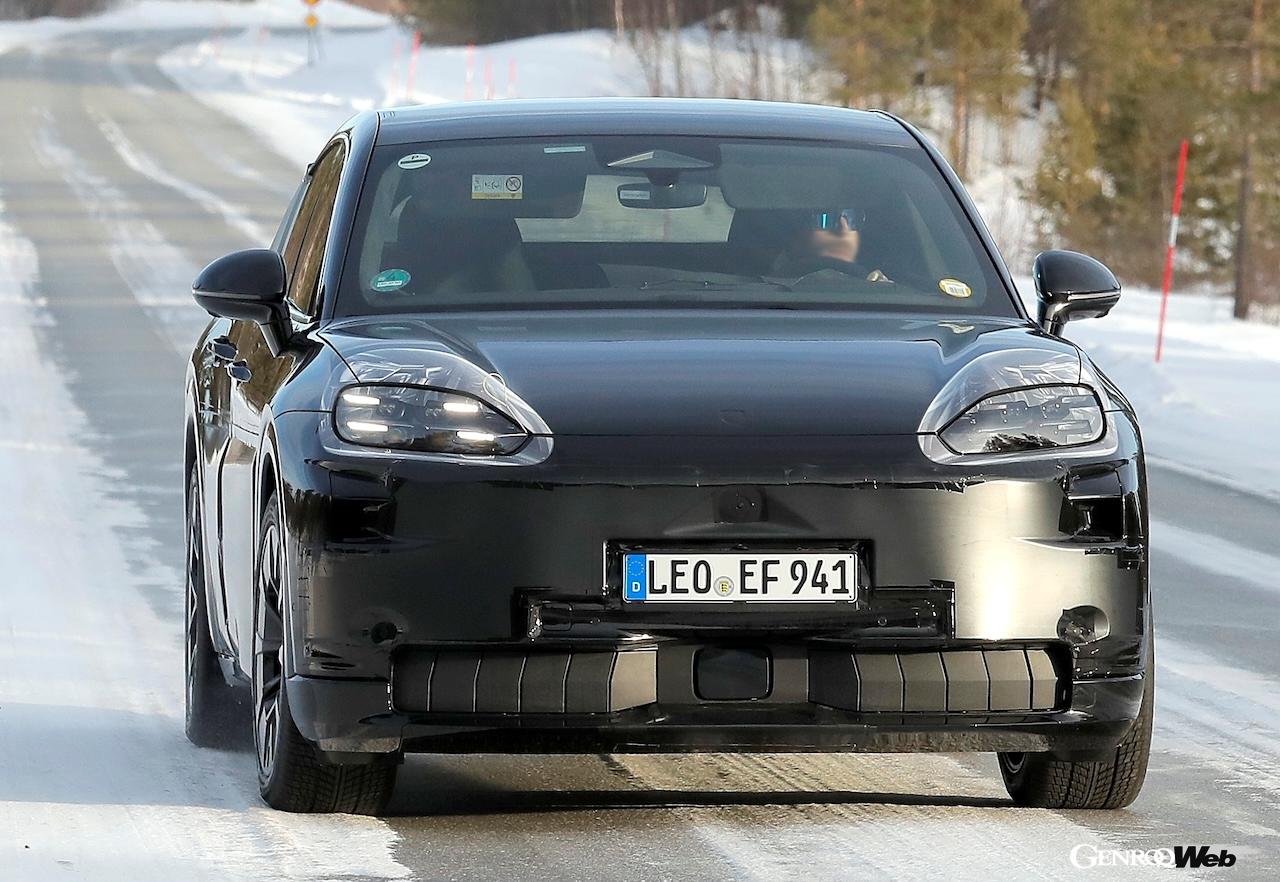
The Velar will be the first model to use Land Rover’s new EMA electric vehicle architecture (the larger Range Rover Electric uses an electric version of the MLA platform). Its world premiere is expected in 2026, and it will likely be the biggest rival to the Porsche Macan EV on the market.










![Will the Mercedes-Benz C-Class Station Wagon undergo a minor change next year? [Scoop!]](https://wheelfeed.com/wp-content/uploads/2025/04/2057-1761193250561.jpg)
![The most powerful grade of the Porsche Cayenne Coupe EV will have four motors and 1,000 horsepower!? [Scoop!]](https://wheelfeed.com/wp-content/uploads/2025/03/2091-1761193760600.jpg)