
BMW X3
x
LEXUS NX
The new X3 is even larger, but its minimum turning radius is the same as the NX

BMW X3

Lexus NX

BMW X3
Lexus NX
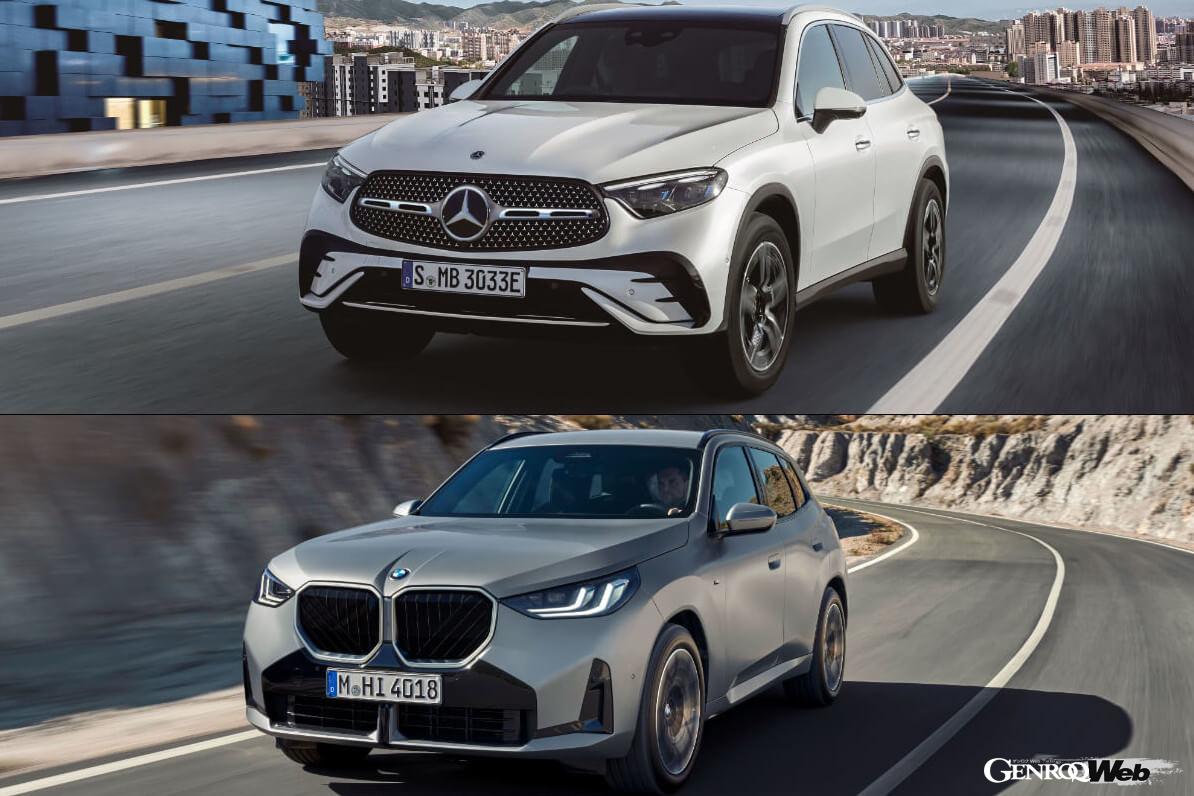
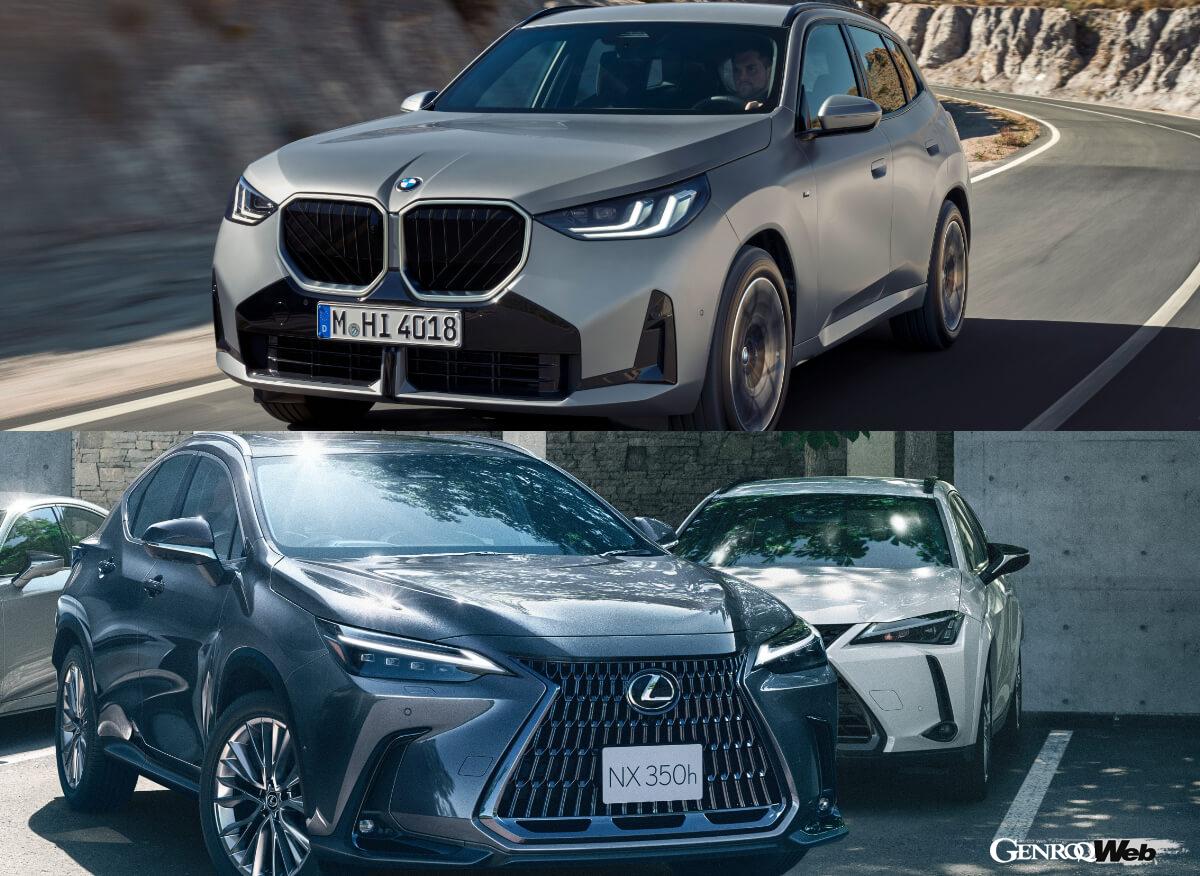
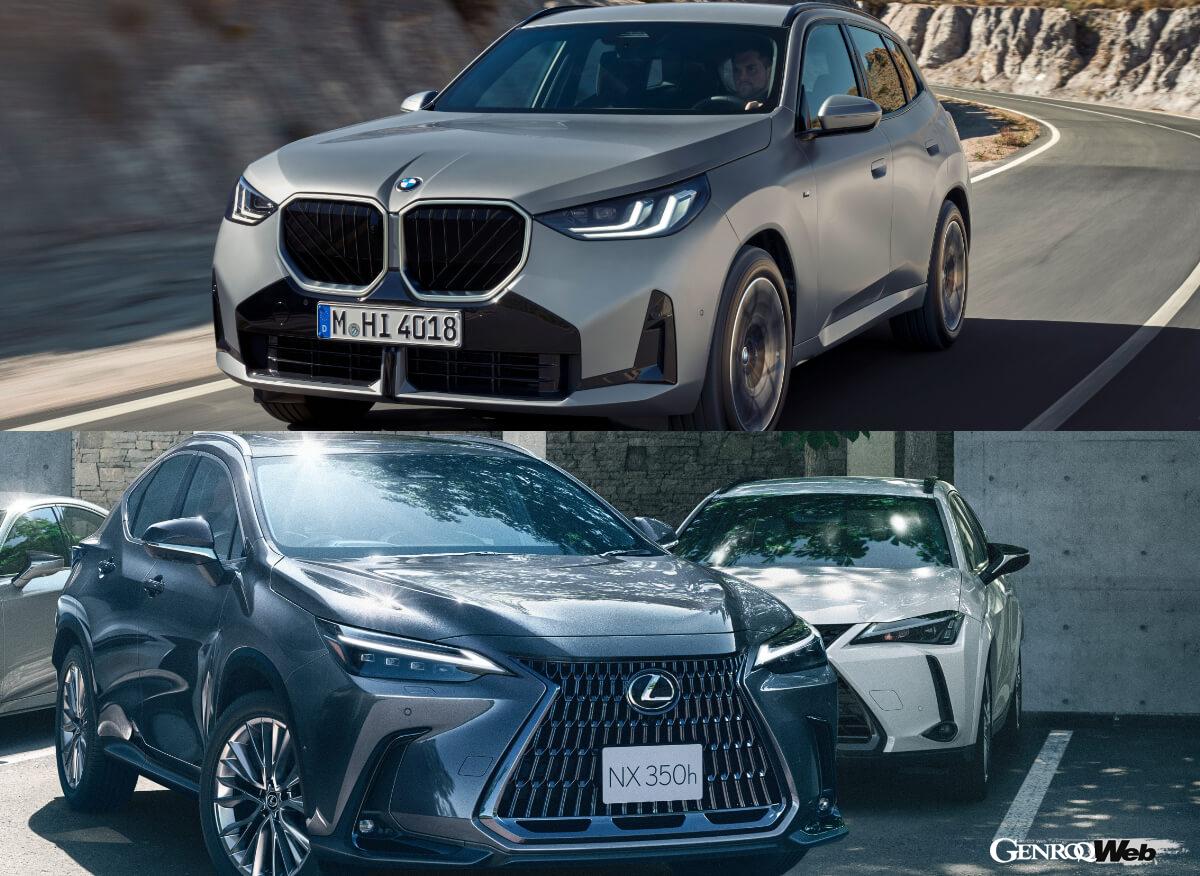
We compare the recently fully redesigned BMW X3 with the Lexus NX, which remains popular even four years after its debut. The X3 is slightly larger in body size, with a width of 1,920mm. The new X3 is also slightly larger, and its weight has increased due to the addition of a mild hybrid system, making it about 100kg heavier than the NX, which is equipped with a full hybrid system. Both models have a minimum turning radius of 5.8m.
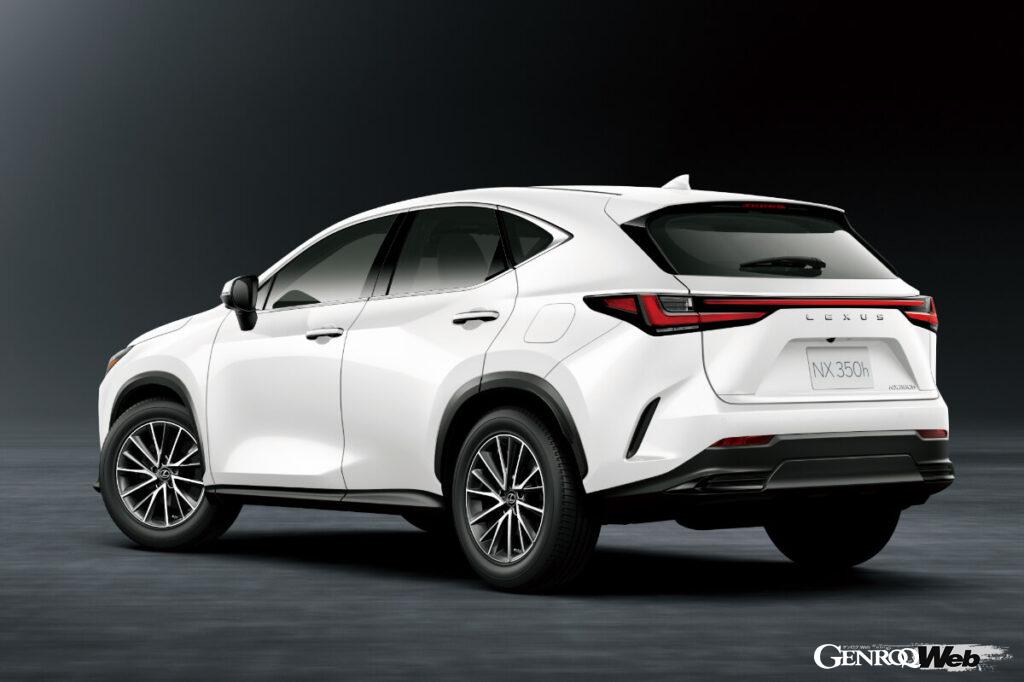
The new X3 has been redesigned with a geometric design that reflects BMW’s latest design theme, and is equipped with “iconic glow” that lights up the kidney grille. On the other hand, the NX has been designed with a sleek and elegant atmosphere that is typical of Lexus. The design of the avant-garde X3 and the conservative NX is likely to have very different tastes.
BMW X3 20 xDrive
Body size = Length 4755mm x Width 1920mm x Height 1660mm
Wheelbase = 2865mm
Vehicle weight = 1890kg
Tire size = 245/50R19
Lexus NX350h AWD
Body size = Length 4660mm x Width 1865mm x Height 1660mm
Wheelbase = 2690mm
Vehicle weight = 1790kg
Tire size = 235/60R18
The benefits of MHEV are minimal, but the new X3’s performance is sufficient
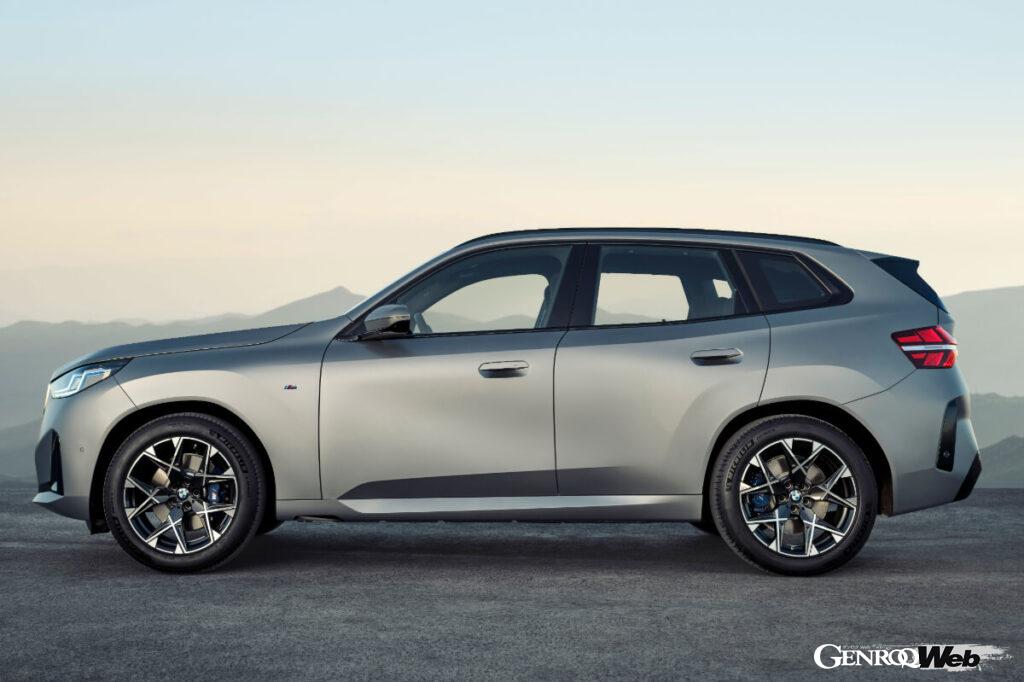
BMW X3

Lexus NX
The new X3 now comes with a 48V mild hybrid system on all models. The gasoline model has a low motor spec of 11PS/25Nm, but it definitely contributes to improved environmental performance and drivability by helping the engine start from idle stop and get rolling when starting.
The NX, on the other hand, is equipped with Toyota’s full hybrid system “THS-II,” which has a 182 PS/270 Nm drive motor in the front and a 54 PS/121 Nm drive motor in the rear, and its average fuel economy in the WLTC mode is 21.6 km/L, significantly higher than the X3’s 13.1 km/L.
In terms of engine specifications alone, the X3 is superior, with its twin-scroll turbo delivering high torque over a wide rotation range, but the NX is slightly better in terms of overall system output. The NX is available in FWD and AWD, and the AWD E-Four system not only has no mechanical power loss, but is also characterized by its high driving response.
BMW X3 20 xDrive
Engine type = Inline 4-cylinder gasoline turbo engine + motor
Displacement = 1998cc
Maximum output = 190PS/5000rpm
Maximum torque = 310Nm/1500-4000rpm
Transmission = 8-speed AT
Drive system = AWD
Lexus NX350h AWD
Engine type = Inline 4-cylinder gasoline engine + motor
Displacement = 2484cc
Maximum output = 190PS/6000rpm
Maximum torque = 243Nm/4300-3500rpm
Maximum system output = 243PS
Transmission = Electric CVT
Drive system = AWD
The new X3, which is over 2 million yen more expensive, has eye-catching improvements to its design.

BMW X3

Lexus NX
The X3’s cheapest grade, the 20 xDrive xLine, is priced at 8.08 million yen. In comparison, the NX350h is priced at 5.77 million yen, a price difference of over 2 million yen. With the recent weak yen and the addition of a mild hybrid system, the X3’s price hike is inevitable.
However, the interior and exterior of the new X3, which follows BMW’s latest theme, is a very advanced design, and many people will be excited to see the curved display around the driver’s seat and the lighting in each part. Compared to the X3, the NX that appeared in 2021 inevitably looks a little old.
Still, the NX’s atmosphere and specs are sufficient for a luxury SUV, and its low price means you can choose your preferred specifications, such as the sporty “F SPORT” or the active-looking “Overtrail.” The plug-in hybrid model “NX450+,” which is in the same price range as the X3, is also a good choice.