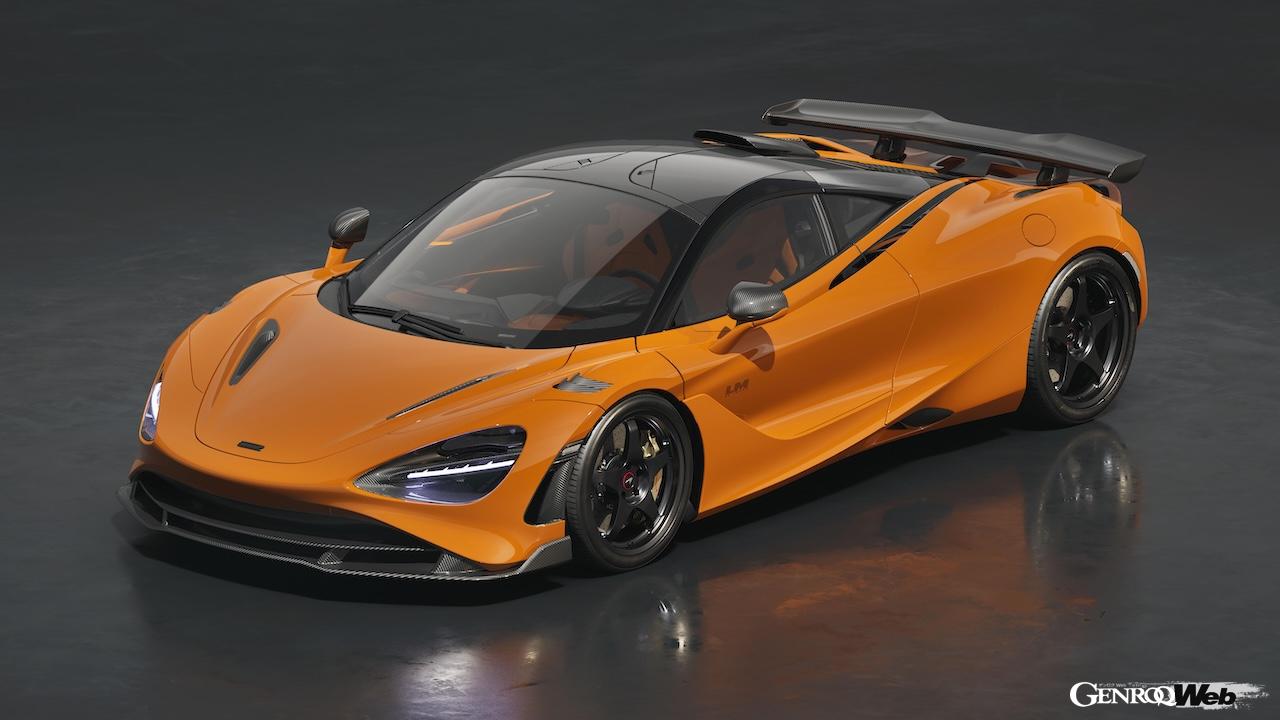

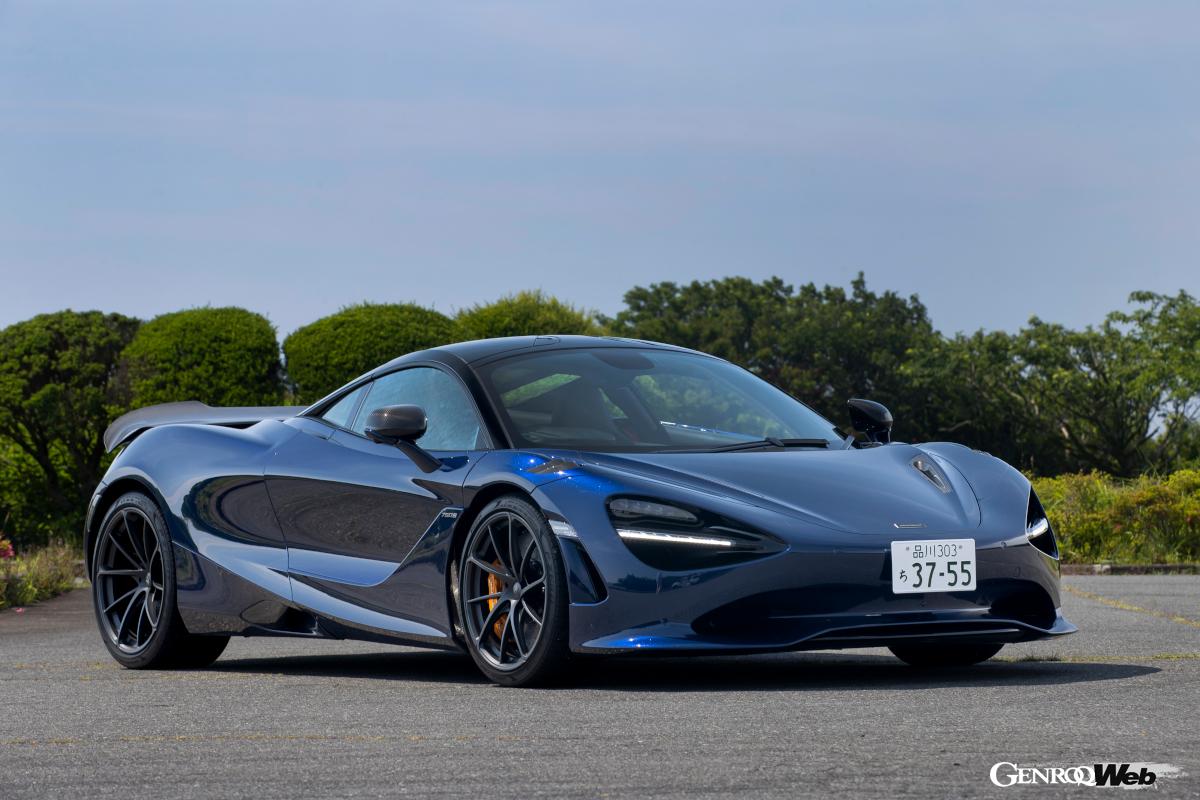
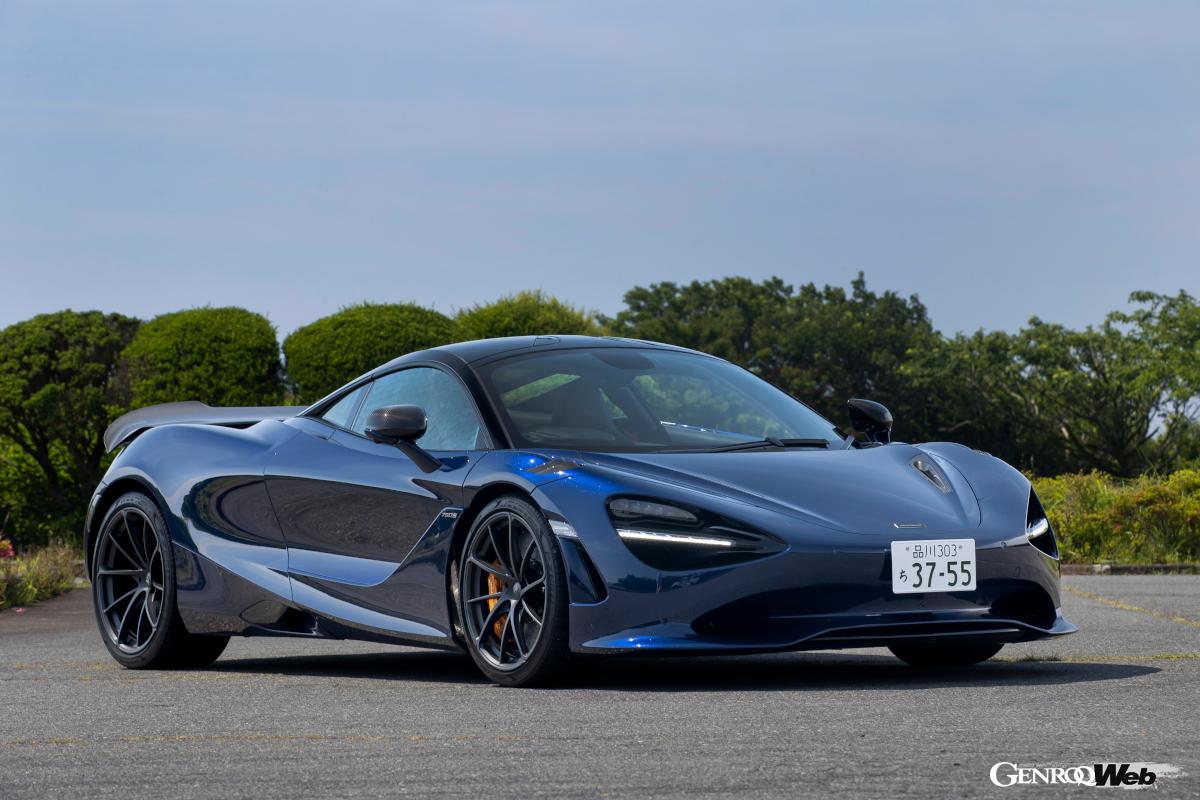
What are the McLaren 720S and 750S?
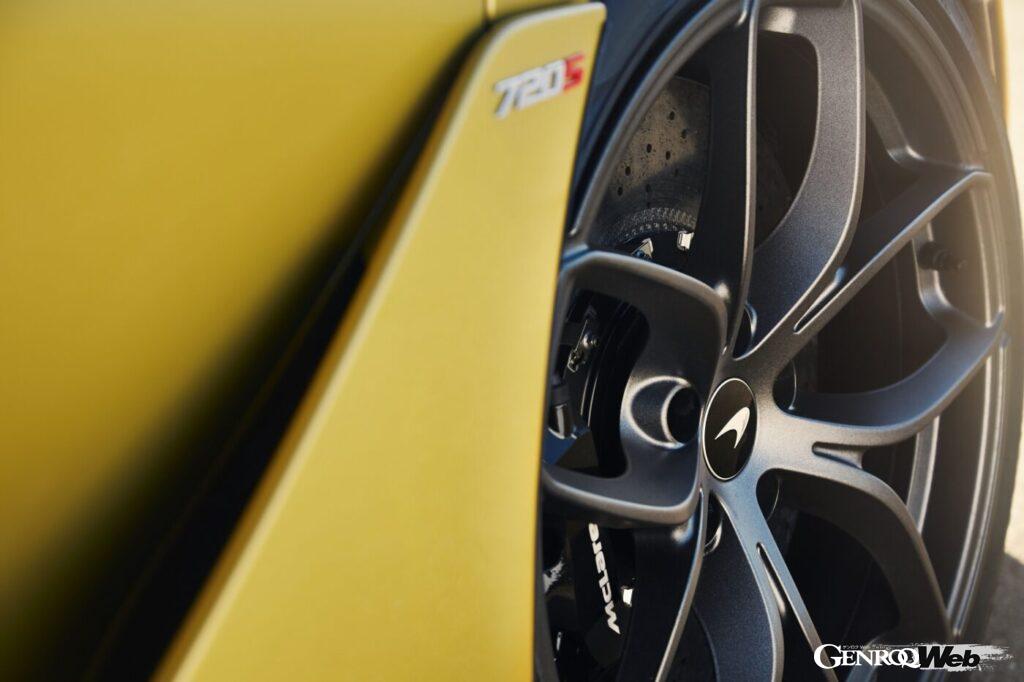
[1]

[2]

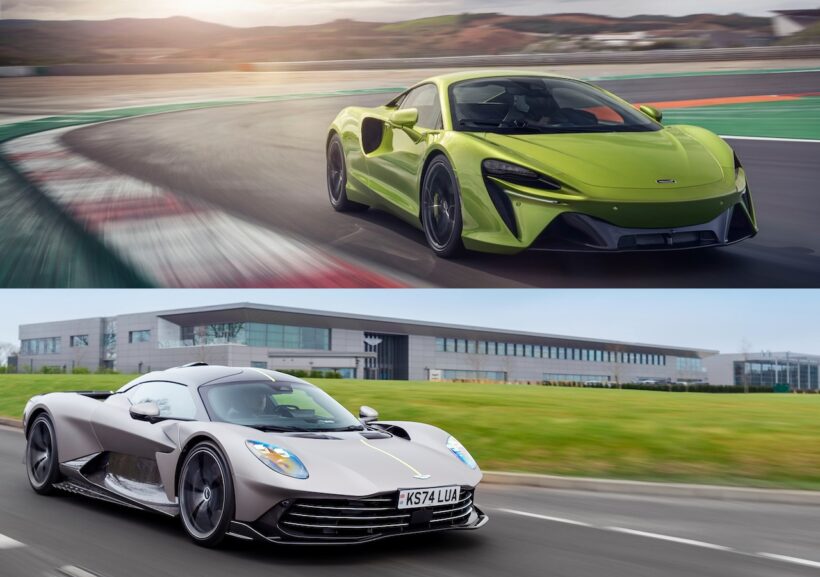
[1] The McLaren 720S was born as the second generation of the mid-engine supercar “650S.” [2] The current 750S is positioned as the successor to the 720S.
The 720S and its successor, the 750S, are supercars manufactured by the British company McLaren Automotive. While the company’s Senna, Elva, and Speedtail are “ultimate” models that pursue extreme performance, the 720S/750S are well-balanced models that form the core of the brand’s “supercar” range.
The 720S, which was released in 2017, was newly designed as the successor to the previous model, the 650S. It was equipped with a 4.0-liter V8 twin-turbo engine (M840T type) mounted on a lightweight carbon monocoque, the Monocage II, boasting a maximum output of 720 PS and a 0-100 km/h acceleration time of 2.9 seconds.
The 750S, released in 2023 as the successor to the 720S, is lighter and more responsive, and is equipped with an advanced electronic control system. Engine output has been increased to 750 PS, and improvements to the suspension and other parts have resulted in more direct and agile handling.
Exterior and interior of the McLaren 720S and McLaren 750S

[3]

[4]
[3] The McLaren 720S has twin tailpipes positioned closer to the center. [4] The McLaren 750S has a layout with the tailpipes positioned closer to the center.

[5]

[6]
[5] Meter display on the 720S. The instrument panel normally has a standard layout. [6] When driving in a sporty manner, the monitor display is limited to the minimum amount of information so that the driver can concentrate on driving.
The exterior of the McLaren 720S and McLaren 750S gives the impression of a “work of art on wheels.” The interior features minimalist designs and functionality that allow you to concentrate on driving.
Appearance: Exterior designed for ultimate aerodynamics
The exteriors of the McLaren 720S and McLaren 750S feature a futuristic design that maximizes aerodynamic performance. The inside of the doors has a double-skin structure that is used as an air duct to cool the radiator of the mid-mounted engine. This allows for a smooth, streamlined body without unnecessary irregularities on the body surface. The silhouettes of the 720S and 750S are very similar, but the air intakes under the front bumper and the shape and size of the headlights are different. The tailpipes have also been changed from twin side outlets on the 720S to a central outlet on the 750S.
Interior: Focusing on driving while also considering functional beauty and the quality of materials
The interior of the McLaren 720S and McLaren 750S features a minimalist and functional design that puts the driver at the center. A particularly distinctive feature is the digital meter. The 720S is the first to feature a system that switches to displaying only the bare minimum of information depending on the driving mode. When the screen displaying the speedometer and tachometer is tilted forward 90 degrees and slid back, only vehicle speed, engine rpm, and transmission information are displayed on a slim bar facing the driver.
The 750S offers even greater operability and comfort. The newly designed 7-inch center touchscreen is compatible with Apple CarPlay. The drive mode switch has been moved to the steering column, allowing for hands-free operation while driving. Customers can choose from a variety of interior materials, including carbon fiber, Alcantara, and leather, and can also choose bucket seats and lightweight interiors, catering to a wide range of specifications from track-oriented to luxury.
Dimensions of the McLaren 720S and McLaren 750S

[7]
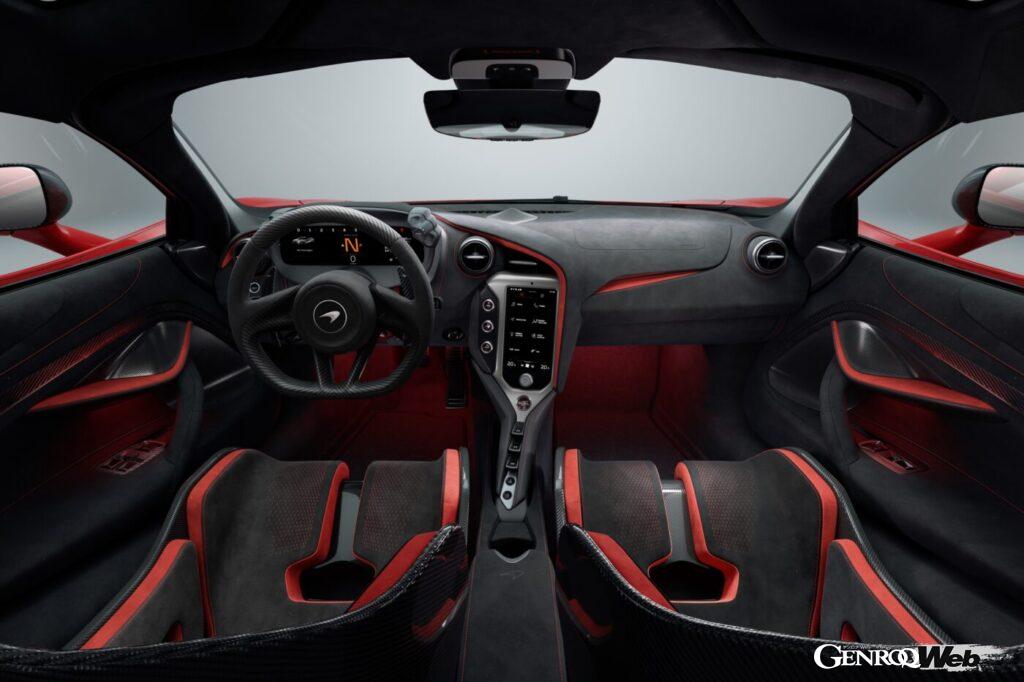
[8]
[7] The McLaren 720S has a wide, low, and impressive exterior. [8] The cabin is tight, but careful consideration has been given to ensure that it does not interfere with driving.
The size of the McLaren 720S and 750S can be said to be standard for a supercar, but with an overall height of less than 1200mm, they give off an impressive impression of being wide and low.
Body size: Wide and low, supercar-like proportions
The body size of the McLaren 720S and McLaren 750S achieves the proportions of a mid-engine supercar without compromise. By pursuing aerodynamic performance and a low center of gravity, and keeping the overall height low, it has high-speed stability and agile handling. In the case of the 720S, its wide and low stance with an overall height of 1196mm and an overall width of 1930mm gives it a powerful visual impression, as if it is glued to the road. With a total length of 4543mm, the wheelbase is 2670mm, which is long for a mid-engine car, ensuring straight-line stability and downforce at high speeds.
The 750S has a 26mm longer overall length of 4569mm due to a revised bumper shape, but its driving performance has been further improved by weight reduction in the details. The overall width, height and wheelbase are the same as the 720S.
Interior space: a road car built for the track
Although the figures for the interior space of the McLaren 720S and McLaren 750S have not been officially released, they are relatively comfortable despite being low-slung supercars. The seating position is very low, but the steering wheel has tilt and telescopic functions and the pedals are positioned naturally. Headroom is also tight, but the headroom has been raised to accommodate tall drivers wearing helmets when driving on a circuit.
There is ample room laterally, so there is little stress on arm movement. The foot space is also spacious, and it is sometimes described as having the best pedal space in its class.
The cabin has cup holders, a small place for smartphones, door pockets, and space at the rear of the cabin for storing thin bags. The front trunk capacity is announced to be 150L.
Driving performance and fuel economy of the McLaren 720S and McLaren 750S
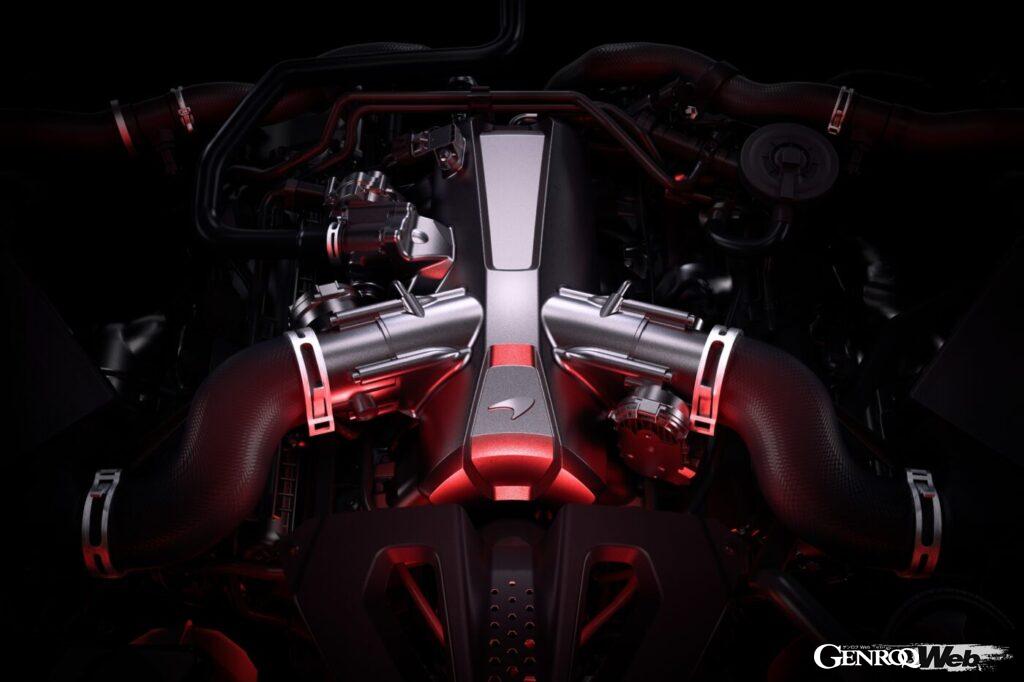
The 4.0-liter V8 twin-turbo engine (M840T type) is an original designed by McLaren and is assembled on a dedicated line by Ricardo in the UK.
If you drive the McLaren 720S or McLaren 750S, you can experience the ultimate driving performance made possible by technology inherited from F1. On the other hand, you can’t expect much in terms of fuel efficiency as the drive unit prioritizes power and response.
Driving performance: Ultra-high performance inherited from F1 technology
The McLaren 720S and McLaren 750S are supercars that combine extremely lightweight construction, advanced aerodynamic design, and control technology directly derived from F1. Powered by a 4.0-liter V8 twin-turbo engine, the 750S achieves 0-100km/h acceleration in 2.8 seconds and a top speed of 332km/h. The lightness and high rigidity of the carbon monocoque, the precise handling feel of the hydraulic steering, and the stability of the active suspension all contribute to a one-of-a-kind driving experience, whether on the circuit or on public roads.
Fuel economy: Good for an engine-only supercar
For the McLaren 720S and McLaren 750S, which are supercars built for high performance, fuel economy is merely a secondary factor. The official figures for the 720S are approximately 8.2 km per liter of gasoline, and the 750S is said to be similar. Thanks to its aerodynamic design and lightweight body, you can expect energy-efficient driving when cruising at high speeds. However, because the design prioritizes response and power over fuel economy, it’s best not to expect economy when driving around town or in sporty conditions.
Purchase price and maintenance costs of the McLaren 720S and McLaren 750S
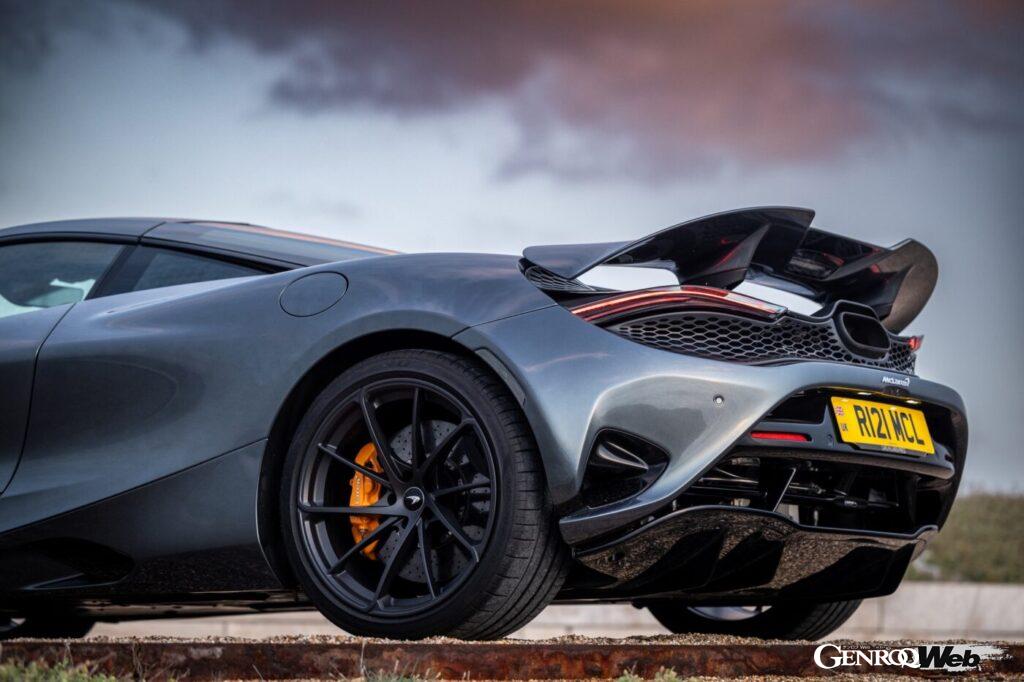
The shape of the active rear wing also demonstrates McLaren’s attention to detail in both aerodynamics and design.
The new McLaren 750S starts at around 40 million yen. With a wide range of options and customization options available, the actual purchase price will likely far exceed this. As is common with supercars, the voluntary insurance premiums are high, so maintenance costs, including maintenance and parking, are likely to be quite high.
Purchase price: Vehicle price: Approximately 40 million yen
The McLaren 720S and McLaren 750S are both high-performance supercars priced in the 30 million yen range. The current model 750S has a suggested retail price in Japan of 39.3 million yen for the Coupe and 43 million yen for the Spider. If you add a wide range of options and custom specifications known as MSO, it is not uncommon for the total price to exceed 50 million yen. This is a price that matches the performance and technology, and it is also in the top class, on a par with Ferrari and Lamborghini. (When the 720S was sold as a new car, it was priced at around 35 to 40 million yen.)
Maintenance costs: Vehicle insurance can make a big difference
Maintenance costs for the McLaren 720S and McLaren 750S are also high. The combined annual cost of automobile tax, which is levied based on engine displacement, weight tax, which is determined by vehicle weight, and compulsory automobile liability insurance premiums totals just over 90,000 yen. The cost of parts, tires, and labor required for maintenance varies depending on various factors, so this is only a guideline. Supercars like McLarens are categorized as being among the highest in the model-specific rate classes for voluntary insurance, and vehicle insurance is also expensive. Including these factors, it would be safe to set aside around 2 million yen for annual maintenance costs. Below are some rough estimates.
| classification | item | Annual cost (yen) | remarks |
| Taxes and insurance | automobile tax | 66,500 | Displacement: 3994cc |
| weight tax | 12,300 | Weight: Approximately 1.4 tons (24,600 yen for 2 years) | |
| Compulsory automobile liability insurance | 8825 | 17,650 yen for 2 years | |
| Voluntary insurance | 1 million | Approximate cost if you also take out vehicle insurance | |
| maintenance | Oil change | 100,000 | Oil volume: Approximately 8L. Varies depending on brand. Expected to change once a year. |
| Tire change | 100,000 | Expected to be replaced every 4 years | |
| Consumables replacement | at any time | Regular replacement and maintenance costs for brake pads/fluid, batteries, etc. | |
| Daily expenses | gasoline | 75,000 | Calculation based on annual driving of 3000km, fuel consumption of approximately 8km/L, and gasoline cost of 200 yen/L |
| parking | 600,000 | Assuming a tower parking lot attached to an apartment building in Tokyo (50,000 yen/month) | |
| total | Approximately 2 million | Note: All figures are approximate except for taxes and compulsory automobile liability insurance premiums |
McLaren 720S and McLaren 750S model description
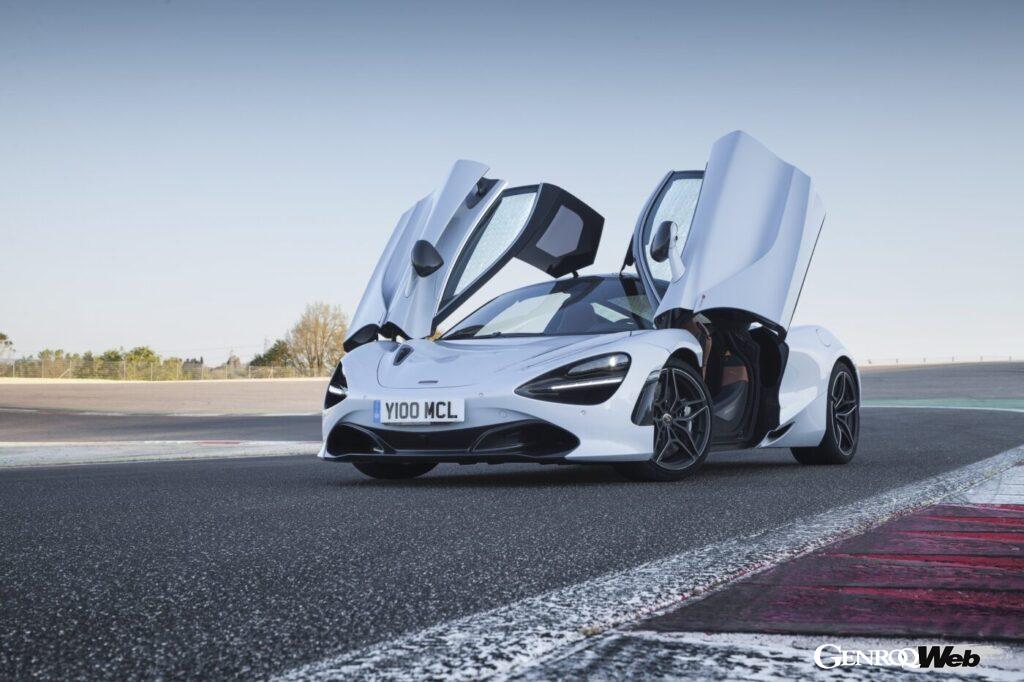
McLaren’s dihedral doors use a hinge mechanism that allows them to open upward and slightly outward.
The McLaren 720S was released as a successor to the 650S, a mid-engine supercar that was McLaren Automotive’s best-selling model at the time. McLaren has a surprisingly fast model change cycle, and after the introduction of the Spider in 2019, the baton will be passed on to the 750S in 2023. Two body types are available: coupe and spider.
McLaren 720S
The McLaren 720S is equipped with a 4.0-liter V8 twin-turbo engine (M840T type) that produces a maximum output of 720 PS. The carbon monocoque body, weighing approximately 1.3 tonnes, accelerates to 100 km/h in 2.9 seconds and boasts a top speed of 341 km/h. The suspension employs Proactive Chassis Control II (second-generation active suspension), achieving both an extremely smooth ride and sharp handling.
The exterior is characterised by elegant lines, and the design, which has been pushed to the limits of aerodynamics, including the adoption of a movable active rear wing, is impressive. The interior is laid out around the driver, with a simple and minimalist design that stands out. The interior, which pursues functional beauty, the quality of materials and the ability to concentrate on driving, can be said to embody the aesthetics of a stoic and refined “tool for driving”. It is different from the glamour of a Ferrari or the elegance of an Aston Martin.
The price of a new car in Japan was around 35 to 39 million yen, and depending on the options it could exceed 40 million yen.
| announcement | 2017 |
| Overall length/width/height/wheelbase | 4543/1930/1196/2670mm |
| Powertrain | 4.0-liter V8 twin-turbo |
| Total displacement | 3994cc |
| Maximum power/torque | 720PS (530kW) /7500rpm, 770Nm/5500rpm |
| Transmission, drive system | 7-speed SSG (DCT) |
| Vehicle weight | 1283kg (dry weight)/1419kg (DIN) |
| 0→100km/h acceleration | 2.9 seconds |
| maximum speed | 341km/h |
McLaren 720S Spider
The McLaren 720S Spider, which debuted in 2019, two years after the coupe’s launch, features an electrically retractable carbon fiber hardtop. Based on the coupe’s Monocage II carbon fiber monocoque, it features the Monocage II-S, which has an optimized rear structure specifically for the Spider. While maintaining rigidity, the weight increase has been kept to a minimum, with the weight increase limited to approximately 50 kg over the coupe body.
The official data for 0-100km/h acceleration and top speed are the same as those for the closed-body version, and it can be said to be an “open-top model without compromise,” offering driving performance on par with the coupe while also allowing you to enjoy the wind and sound. The roof can be operated up to 49km/h and can be fully opened in 11 seconds.
| announcement | 2019 |
| Overall length/width/height/wheelbase | 4543/1930/1194/2670mm |
| Powertrain | 4.0-liter V8 twin-turbo |
| Total displacement | 3994cc |
| Maximum power/torque | 720PS (530kW) /7500rpm, 770Nm/5500rpm |
| Transmission, drive system | 7-speed SSG (DCT) |
| Vehicle weight | 1332kg (dry weight)/1468kg (DIN) |
| 0→100km/h acceleration | 2.9 seconds |
| maximum speed | 341km/h |
McLaren 750S
The McLaren 750S is an evolution of the 720S released in 2023, and is the latest model in the McLaren brand’s “supercar” range, further refining its technology and performance. Based on the 720S, the aerodynamic aspects have been improved, including the front bumper and splitter, headlight openings, and side intakes. The rear wing has been raised by 60 mm, which has increased downforce by 5%. At the same time, the company also focused on aerodynamic balance.
Improvements have also been made to the M840T 4.0-liter V8 twin-turbo engine, increasing the maximum output to 750 PS and the maximum torque to 800 Nm. The dry weight is 1,277 kg, approximately 30 kg lighter than the 720S, and the acceleration from 0 to 100 km/h is 2.8 seconds, with a top speed of 332 km/h. The reference price in Japan is 39,300,000 yen.
| announcement | 2023 |
| Overall length/width/height/wheelbase | 4569/1930/1196/2670mm |
| Powertrain | 4.0-liter V8 twin-turbo |
| Total displacement | 3994cc |
| Maximum power/torque | 750PS (552kW) /7500rpm, 800Nm/5500rpm |
| Transmission, drive system | 7-speed SSG (DCT) |
| Vehicle weight | 1277kg (dry weight)/1389kg (DIN) |
| 0→100km/h acceleration | 2.8 seconds |
| maximum speed | 332km/h |
McLaren 750S Spider
The 750S Spider, which appeared in the same year, has an open body like its predecessor, the 720S Spider, but its dry weight is only 1,326 kg, 49 kg heavier than the coupe. Like the coupe, it features an 8-inch display compatible with Apple CarPlay and an interface that can be operated without taking your hands off the steering wheel, combining comfort and functional beauty. The suggested retail price for the McLaren 750S Spider in Japan is 43 million yen.
| announcement | 2023 |
| Overall length/width/height/wheelbase | 4569/1930/1196/2670mm |
| Powertrain | 4.0-liter V8 twin-turbo |
| Total displacement | 3994cc |
| Maximum power/torque | 750PS (552kW) /7500rpm, 800Nm/5500rpm |
| Transmission, drive system | 7-speed SSG (DCT) |
| Vehicle weight | 1326kg (dry weight)/1438kg (DIN) |
| 0→100km/h acceleration | 2.8 seconds |
| maximum speed | 332km/h |
New and used McLaren 720S and McLaren 750S prices
The new McLaren 750S costs 41.7 million yen for the coupe body. The Spider is 4 million yen more expensive. Prices vary greatly depending on whether or not options are installed, so used cars are often sold for even higher prices. The McLaren 720S is no longer available as a new car, so it is only available as a used car. Certified used cars can be found for around 23 million yen.
| Model | new car | Used cars |
| McLaren 720S | From 35.3 million yen (at the time of release in 2017) | 23 million to 32 million yen |
| McLaren 720S Spider | From 39.3 million yen (at the time of release in 2019) | 32 million to 38 million yen |
| McLaren 750S | From 41.7 million yen (as of July 2025) | 43 million to 51 million yen |
| McLaren 750S Spider | From 45.7 million yen (as of July 2025) | 42 million to 50 million yen |
Frequently asked questions about the McLaren 720S and McLaren 750S
[9]

[10]
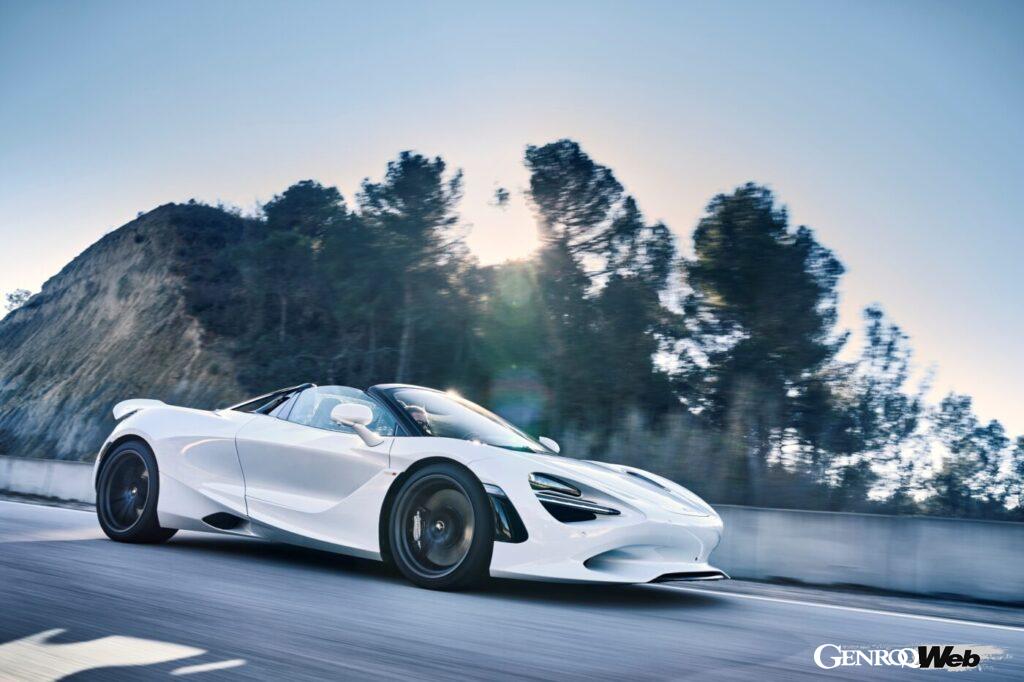
[9] The 750S and its predecessor, the 720S, are said to have improved reliability and experienced fewer problems. [10] The cockpit, designed to allow drivers to concentrate on driving, is also one of the reasons why it is popular with drivers who enjoy driving.
Below we answer some frequently asked questions about the McLaren 720S and McLaren 750S.
Q. Doesn’t McLaren have a lot of breakdowns?
Previously, reliability was questioned, mainly due to bugs in the electrical system and software, but this has been greatly improved in models from the 720S onwards. The durability of core units and structures such as the engine and chassis is particularly high. However, as it uses many cutting-edge technologies such as electronic control and active suspension, there is a risk of problems occurring, so regular inspections and maintenance are important. It cannot be said that there are few breakdowns, but it can be said that it is more stable than the previous image.
Q. I’ve heard that used McLaren cars tend to depreciate in value.
It seems that there are many cases where a 720S priced at around 40 million yen settles at around 20 to 25 million yen after 3 to 5 years. One of the reasons for this is that the brand has a shorter history than Ferrari or Lamborghini, and its “resale value” in the used car market has not yet been established. Other factors that may contribute to the rapid depreciation of the value include the large variation in value due to options and body color, and the difficulty of maintenance outside of specialized dealerships.
Q. What is the difference between Ferrari and Lamborghini?
McLaren is a technology-driven supercar brand that stands out from the rest. Ferrari attracts fans with the passion and sensuality of F1, while Lamborghini attracts fans with bold design and the sound of its V12 engine. In contrast, McLaren believes in logically developing lightweight monocoque structures, aerodynamic performance, handling precision, and more. McLaren is aimed at enthusiasts who value the driving experience itself, and is highly regarded by fans who seek the joy of driving a car.
How to buy the McLaren 720S and McLaren 750S
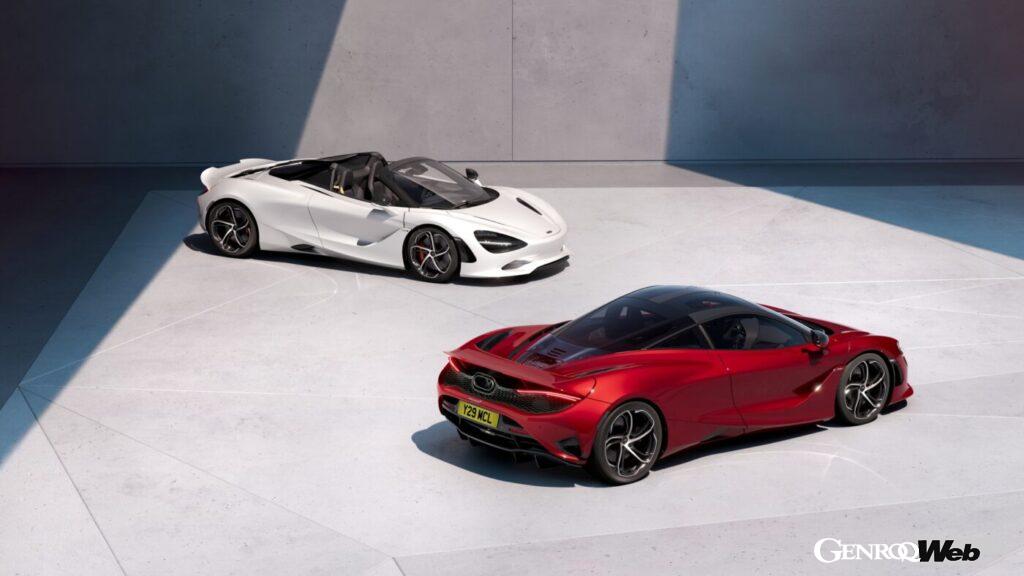
The current McLaren 750S and Spider models are available for test drives at seven authorized dealerships nationwide.
There are seven authorized dealer-operated stores nationwide, where you can view the actual car and make a reservation for a test drive. When it comes to used 720S cars, it is safest to choose a certified pre-owned car handled by an authorized dealer, considering maintenance and parts supply. Authorized dealers are located in major metropolitan areas such as Tokyo (Azabu and Akasaka), Yokohama, Nagoya, Osaka, Hiroshima, and Fukuoka. Imports to Japan are handled by McLaren Automotive Asia, which is responsible for the Asia-Pacific region.