

Audi RS 6
What is the Audi RS 6?
[1]

[2]
[1] The Audi RS 6 is a high-performance model based on the A6. [2] It is a high-performance version of the “E-segment” model, the same as the BMW M5 and Mercedes-AMG E53.
The Audi RS 6 is a high-performance model developed by Audi Sport GmbH based on the company’s E-segment A6. The A6 underwent a full model change in 2024, but the current RS 6 is equipped with an engine based on the previous model.
The car’s heart is a 4.0-liter V8 twin-turbo engine that boasts astonishing specifications of a maximum output of 630 PS and a maximum torque of 850 Nm. This power is efficiently transmitted to the road via an 8-speed Tiptronic automatic transmission and Quattro All-Wheel Drive (AWD), allowing for acceleration from 0 to 100 km/h in 3.4 seconds. Combining the cargo capacity of a station wagon with ease of use in everyday life, this is an all-around model that can be used on circuits, in urban areas, and on highways.
Audi RS 6 exterior and interior
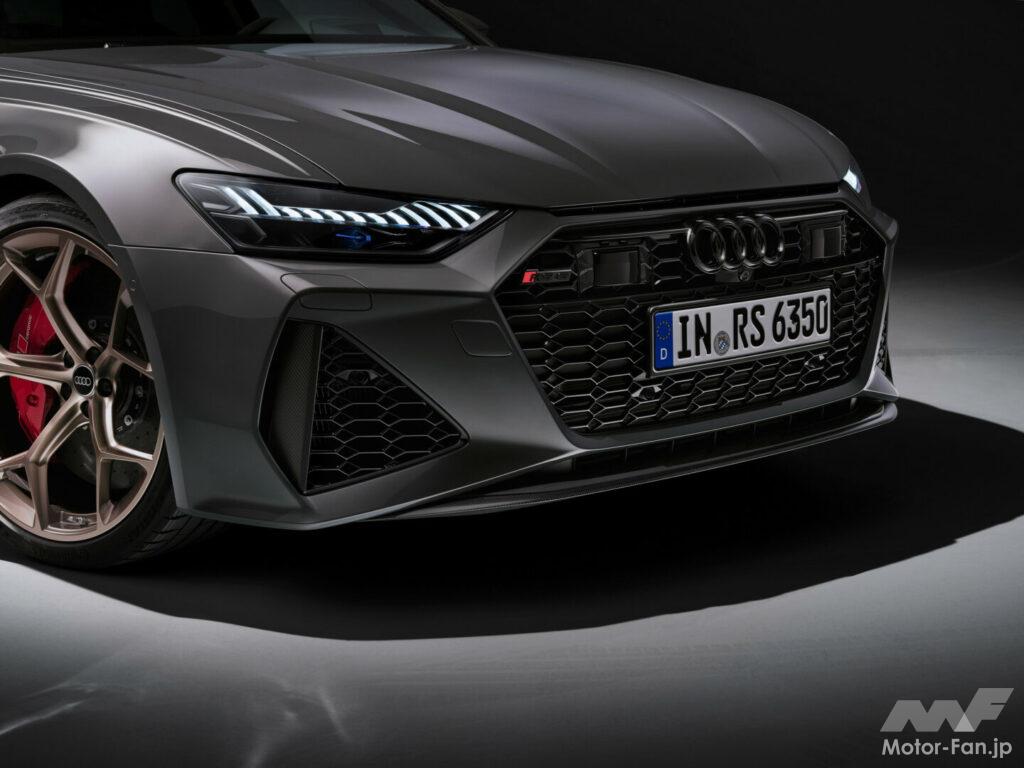
[3]

[4]
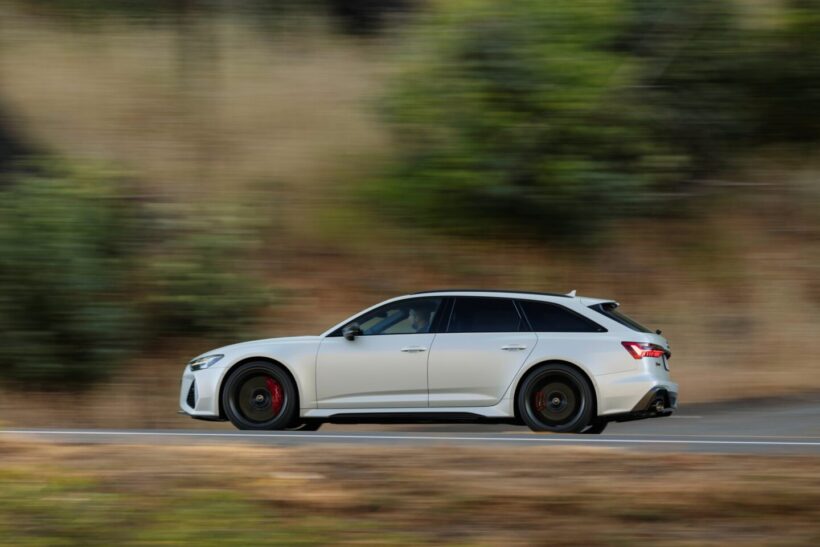
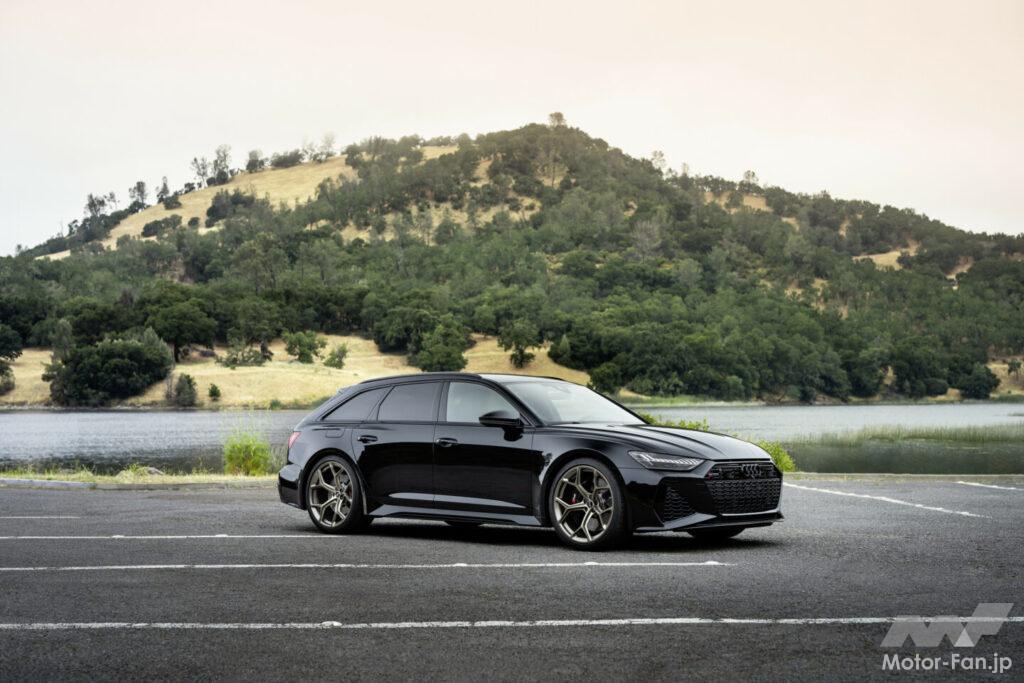
[3] The RS 6 is instantly recognizable with its specially designed wide fenders. [4] The interior is designed to exude a sporty yet luxurious feel.
The exterior and interior of the Audi RS 6 are characterized by a finish that combines intense sportiness and luxury. The powerful exterior design overwhelms the viewer, while the interior, which strikes a high level of balance between luxury and functionality, captivates the passengers.
Appearance: Aggressive and dynamic design
The exterior of the Audi RS 6 exudes a powerful presence that makes it immediately clear that it is a “special Audi.” The wide fenders, specially designed bumper, and large air intakes enhance aerodynamic performance while also creating a visually impressive presence. Combined with the sharp-looking matrix LED headlights and daytime running lights, the front end exudes a cutting-edge image.
The side view, with its low-slung silhouette and well-balanced large wheels, gives an elegant impression. The combination of the rear sports exhaust and diffuser gives the car a dynamic presence approaching that of a supercar, despite its practicality.
Interior: Luxurious and functional cabin
The cabin is a space where luxury and sportiness coexist. The digital interface, centered around the intuitively operable Audi Virtual Cockpit, is arranged with the driver in the forefront. Carbon fiber panels and Alcantara are used throughout, and parts that passengers come into contact with are made of luxurious materials.
The sports seats are designed to withstand strong lateral G-forces while maintaining comfort even during long drives. Furthermore, the high-quality sound system allows for a high-quality music experience. The entire interior combines an exhilarating driving experience with premium comfort.
Audi RS 6 dimensions
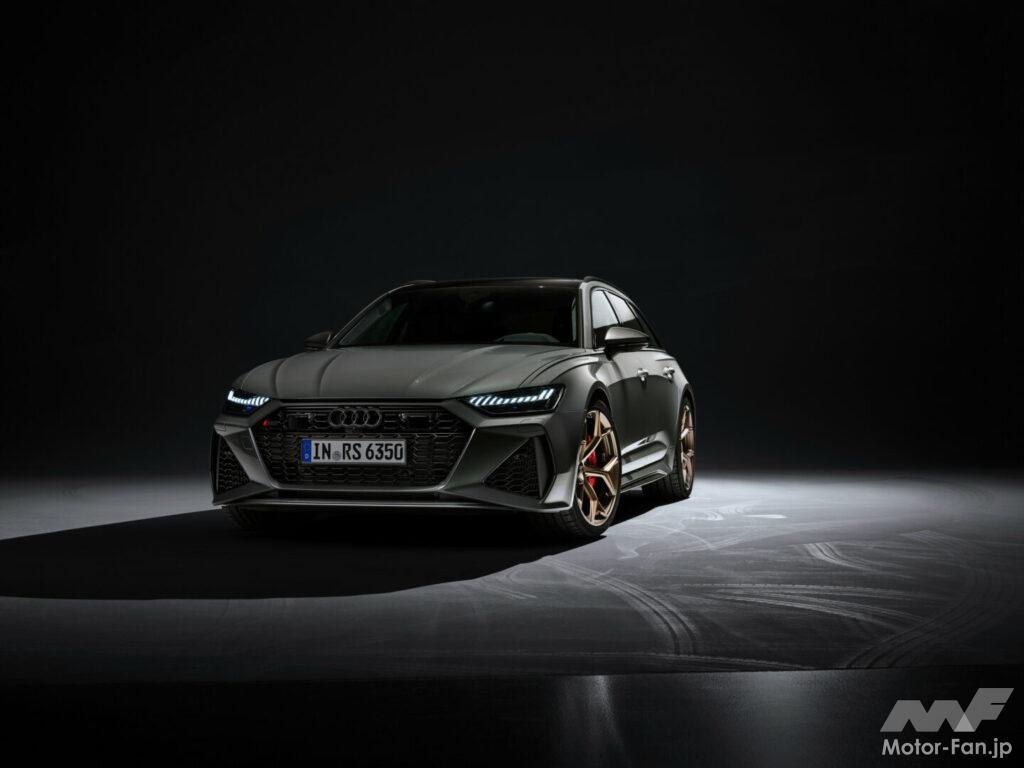
[5]

[6]
[5] With a width of nearly 2 meters, it has the imposing size of a supercar. [6] The luggage compartment has enough space for everyday use.
The size of the Audi RS 6 balances the driving performance of a sports car with the presence and practicality of a luxury car, and its imposing body and spacious interior are its attractions.
Body size: Supports presence and driving performance
The Audi RS 6 has an imposing body with a total length of 4,995mm and a width of 1,960mm. Its proportions go beyond the boundaries of a station wagon and exude a presence that rivals that of a sports car. The wide tread and short overhangs create a powerful stance, and the silhouette that evokes a low center of gravity emphasizes stability and sportiness. Although it has a large body, thanks to its ADAS (Advanced Driver Assistance System) and 360-degree camera, it will not feel difficult to handle even on Japanese roads.
Interior space: spaciousness and comfort
The luggage capacity is 565L under normal conditions, and can be expanded to 1680L by folding down the rear seats. It can be used for a variety of purposes, from outdoor leisure and travel to business. There is also ample legroom in the rear seats, allowing four to five adults to travel comfortably.
Although it is an RS model that emphasizes performance, its great appeal is that it does not sacrifice convenience for everyday use. The interior space combines the dual qualities of a sports car, allowing you to enjoy the driving experience of a sports car while also enjoying the comfort of a family car.
Audi RS 6 driving performance and fuel economy

[7]

[8]
[7] It is equipped with a 4.0-liter V8 engine that produces 630 PS. [8] The car also features Audi’s cutting-edge technologies in its drivetrain and suspension, including the “quattro” AWD system and “adaptive air suspension.”
The Audi RS 6 incorporates many of the latest technologies to achieve both driving performance and fuel efficiency.
Driving performance: Overwhelming acceleration and all-around driving
The Audi RS 6’s 4.0-liter V8 twin-turbo engine produces a maximum output of 463 kW (630 PS) and a maximum torque of 850 Nm. Combined with Audi’s quattro AWD system and an 8-speed automatic transmission, the car accelerates from 0 to 100 km/h in 3.4 seconds. Furthermore, the AWD system and electronically controlled differential optimally distribute torque between the front and rear, ensuring reliable traction even in adverse conditions such as rain or snow. The variable suspension system, Dynamic Ride Control (DRC), and RS-specific drive modes allow the car to switch between comfortable city driving and sharp performance on the circuit, making it an all-around model.
Fuel efficiency: Improved efficiency through conventional technology
The V8 engine, which Audi calls “DYG,” is a large-displacement, high-output unit that also takes fuel efficiency into consideration. The cylinder-on-demand efficiency system (COD) automatically shuts down four cylinders under low load to reduce fuel consumption. In addition, the 48V mild hybrid system utilizes regenerative energy during braking as power, providing highly efficient driving.
The fuel economy of 8.2km/L in WLTC mode is a reasonable figure for a high-output model with over 600PS. Actual fuel economy will vary depending on driving style, but it can be said that fuel efficiency has improved compared to previous V8 engine models.
Audi RS 6 purchase price and maintenance costs
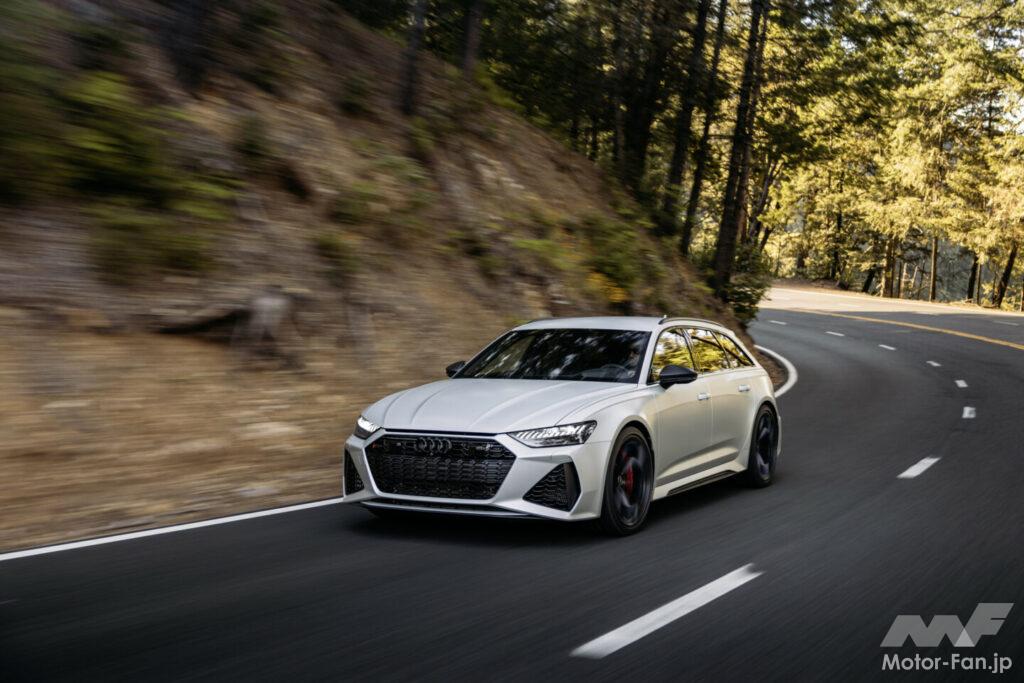
You can get supercar-level performance at a relatively reasonable cost.
Because the Audi RS 6 is a high-performance model, the purchase price and maintenance costs are relatively high. You need to consider not only the vehicle price but also the running costs.
Purchase price: Reasonable price for Audi’s most powerful wagon.
Currently, only one grade of new Audi RS 6 Avant Performance is available in Japan. The manufacturer’s suggested retail price is 19.33 million yen (tax included), but adding options such as the DRC known as the “RS Sport Suspension Plus” will bring the price to over 20 million yen. It’s in the same price range as rivals like the BMW M5 Touring and Mercedes-AMG E 53 Hybrid 4Matic+ Station Wagon, and is a reasonable price considering its brand power and driving performance. Considering that it’s a symbol of Audi’s high-performance models, this price is understandable as the price you pay to own the ultimate wagon.
Maintenance costs: Low running costs compared to “supercars”
The Audi RS 6 is a high-performance, high-priced imported car, so annual maintenance costs are also higher than domestically produced cars. Parts replacement and maintenance costs vary depending on how you drive and use the car, but you’ll likely need around 1.2 million yen per year. Parking costs are expensive, especially in urban areas, but if you have a storage space, maintenance costs can be kept down. The main cost items and estimated amounts are as follows:
| classification | item | Annual cost (yen) | remarks |
| Taxes and insurance | automobile tax | 65,500 | 3996cc |
| weight tax | 20,500 | Weight 2.2t (41,000 yen for 2 years) | |
| Compulsory automobile liability insurance | 8825 | 17,650 yen for 2 years | |
| Voluntary insurance | 100,000 | Approximate cost for a gold license holder in their 30s | |
| maintenance | Oil change | 50,000 | Varies depending on brand, etc. Assumed to be replaced once a year |
| Tire change | 100,000 | Expected to be replaced every 4 years (275/35 R21) | |
| consumables | at any time | Replacement and maintenance costs for brake pads, brake fluid, batteries, etc. | |
| Daily expenses | gasoline | 250,000 | Calculation based on 10,000km driven per year, fuel economy of approximately 8km/L, and gasoline priced at 200 yen/L |
| parking | 600,000 | Assuming a tower parking lot attached to an apartment building in Tokyo (50,000 yen/month) | |
| total | Approximately 1.2 million yen | Note: All figures are approximate except for taxes and compulsory automobile liability insurance premiums |
Audi RS 6 model explanation
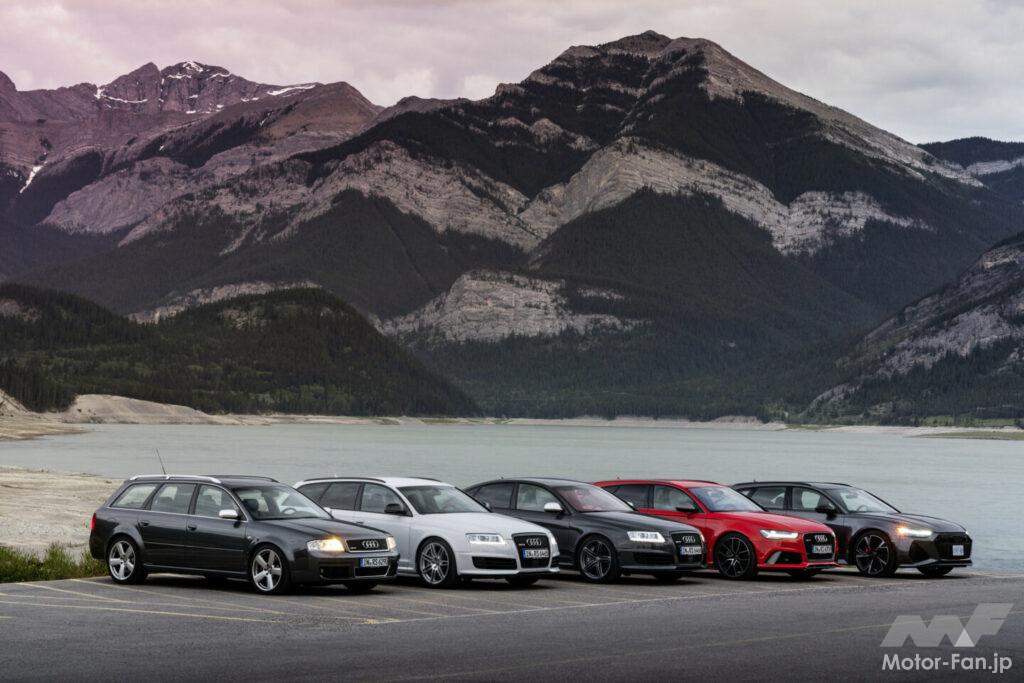
The RS 6 has been available in successive generations, from the first to the fourth generation. In the first two generations, the RS 6 was available in sedan body as well as station wagon.
The Audi RS 6 is attractive because it combines the practicality of a station wagon with the driving performance of a supercar. Its greatest feature is the overwhelming power performance provided by its 3996cc V8 twin-turbo engine that produces 463kW (630PS) at 6000rpm and quattro system. The exterior is finished in a powerful manner with a wide body and special aero parts. The interior makes extensive use of high-quality materials such as carbon fiber and Alcantara. It also comes equipped with the latest digital technology and ADAS, providing the driver with both a sense of exhilaration and peace of mind.
Fuel efficiency has also been improved by adopting mild hybrid technology and a cylinder deactivation system, making it more efficient than a conventional V8 engine. Depending on the customization, it can cost over 20 million yen, but it has a strong following among some people and is traded at a high price on the used car market.
The first RS 6 was released in 2002
The Audi RS 6 was released in 2002 equipped with a V8 engine based on the A6 sedan and Avant (station wagon) of the time. The 4.2-liter V8 unit, manufactured by Cosworth, produced a maximum output of 331 kW (450 PS). The RS 6 also featured the latest suspension technology, and was the first to adopt Dynamic Ride Control (DRC), a hydraulic pitch and roll control system that is still only available on RS models today.
Continued evolution in the second and third generations
The second-generation RS 6, launched in 2008, was powered by a 5.0-liter V10 engine producing 426kW (580PS), making it the most powerful mass-produced station wagon in the world at the time. The sedan body was discontinued with the full model change in 2013, leaving the RS 6 only available as an Avant. The 4.0-liter V8 twin-turbo engine, producing 412kW (560PS), featured a cylinder deactivation system, achieving both power and efficiency.
The current model uses a mild hybrid system
The current model, which debuted in 2019 with a 4.0-liter V8 engine producing a maximum output of 441kW (600PS), is the first to adopt a 48V mild hybrid system. The exterior design of this model was also differentiated from the base A6, with the exception of the roof, front doors, and rear gate, remaining original to the RS 6. Currently, only the high-performance “Audi RS 6 Avant Performance” grade, which has an increased output of 630PS, is sold in Japan.
| announcement | 2019 |
| Overall length/width/height/wheelbase | 4995/1960/1485/2925mm |
| Powertrain | 4.0-liter V8 turbo |
| Total displacement | 3996cc |
| Maximum power output, maximum torque (for “performance”) | 463kW (630PS)/6000rpm, 850Nm/2300~4500rpm |
| Transmission, drive system | 8-speed automatic transmission, quattoro (AWD) |
| Vehicle weight | 2200kg |
| 0→100km/h acceleration | 3.4 seconds |
| maximum speed | 305km/h |
Audi RS 6 new and used car prices
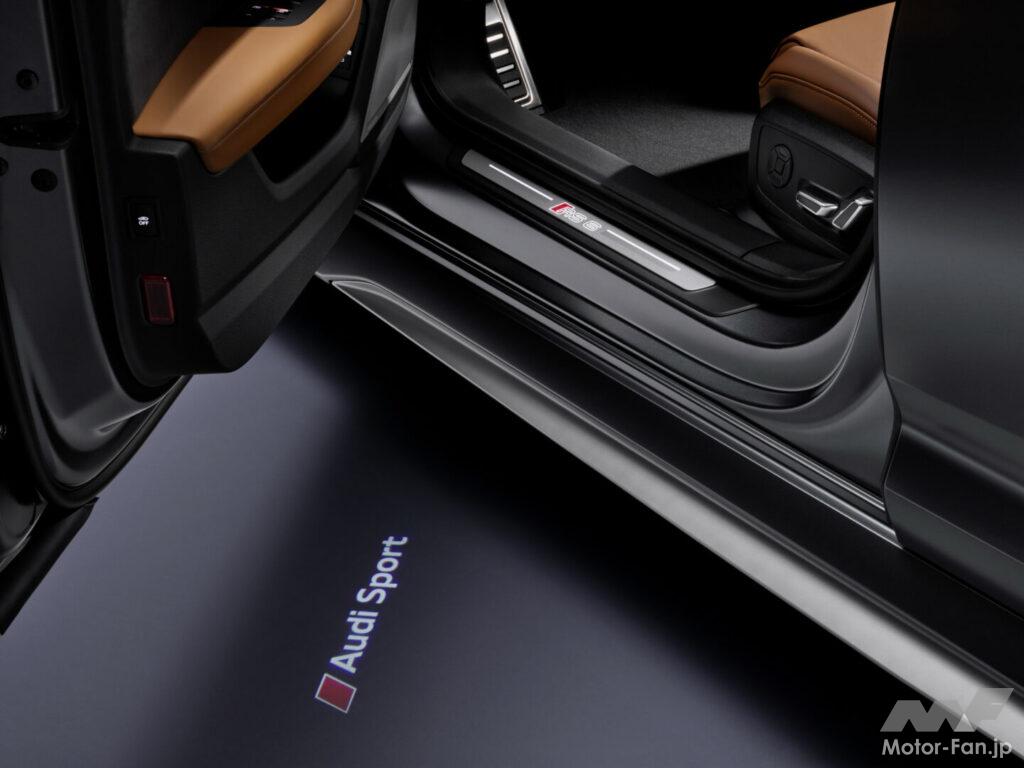
[9]

[10]
[9] The RS 6 was developed by Audi Sport GmbH, which is responsible for Audi’s high-performance specifications. This is similar to the structure used by Mercedes-AMG and BMW M. [10] Currently, the only new car available in Japan is the high-performance “Performance” model. The price, including tax and without options, is approximately 20 million yen.
The price of a new Audi RS 6 Avant Performance starts at around 20 million yen without options. Used car prices vary greatly depending on the model year, mileage, and condition, but they generally start at around 12 million yen.
| Model | Vehicle price (tax included) | Used cars |
| Audi RS 6 Avant Performance | 19.33 million yen | From 17 million yen (certified used car) |
| Audi RS 6 Avant | — | From 12 million yen (same as above) |
Frequently asked questions about the Audi RS 6
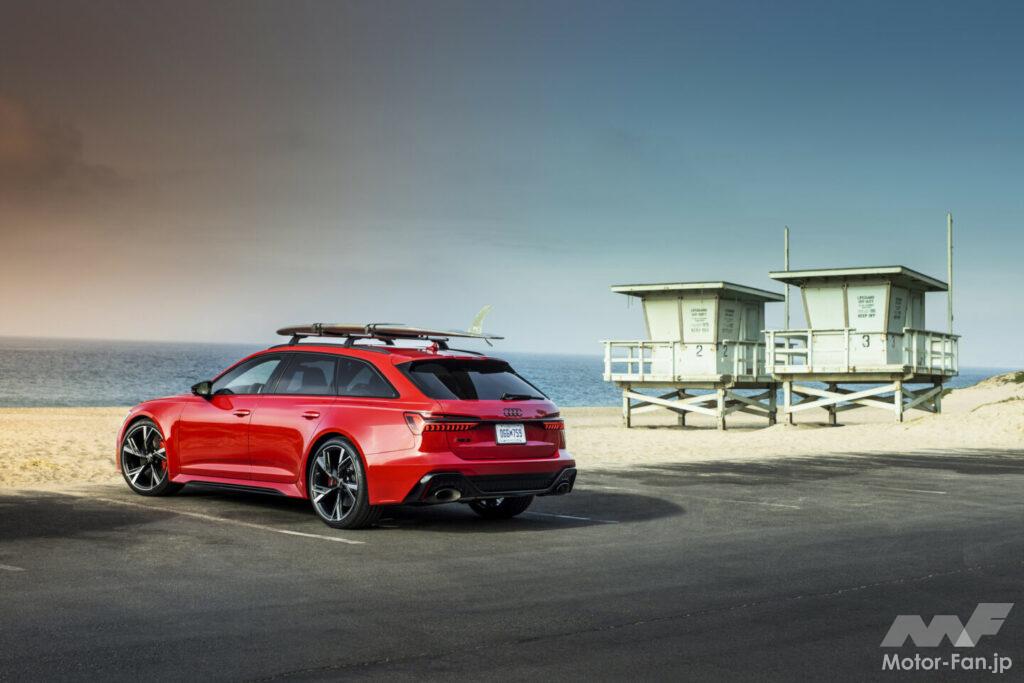
The greatest appeal of the RS 6 Avant is that it allows you to enjoy the driving performance of a high-performance GT without sacrificing everyday use such as outdoor leisure activities.
Below, we answer some of the most common questions about the Audi RS 6.
Q: What is the most distinctive feature of the Audi RS 6?
A: Despite its family wagon shape, it boasts agility comparable to that of a high-performance sports car, with acceleration from 0 to 100 km/h in just 3.4 seconds. Because it is equipped with a high-output engine, its fuel economy is lower than that of a typical family car, but the adoption of new technology has ensured a fuel economy of 8.4 km/L. This is a significant improvement over the previous V8 model.
Q: Can the Audi RS 6 be used as a family car?
A: With a large luggage space and comfortable rear seats, it functions well as a family car. It can also be used for travel and outdoor activities, and its greatest strength is that it can be used for both everyday and extraordinary occasions.
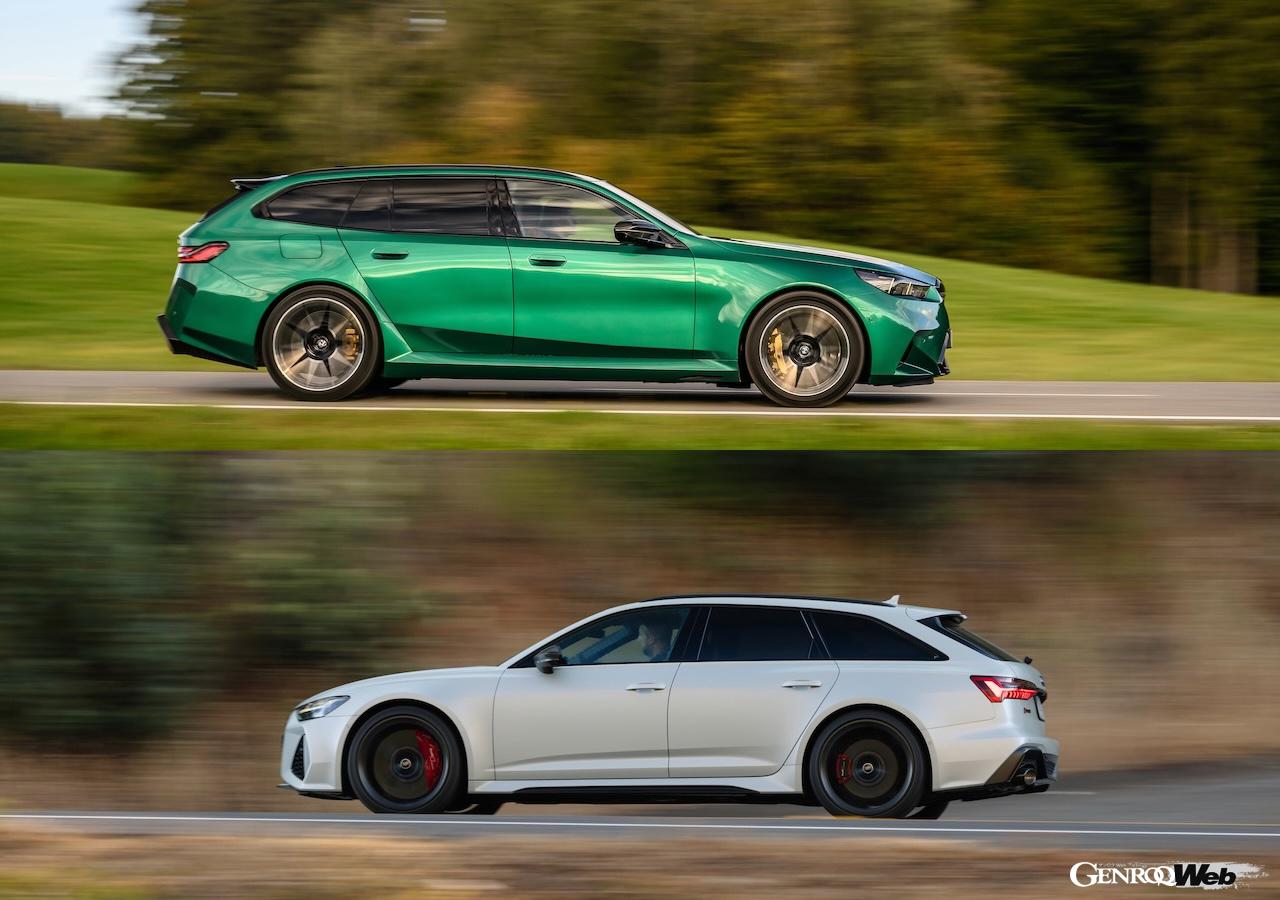
Q: What are the advantages of the RS 6 compared to the BMW M5 and AMG E 53?
A: The BMW M5 is equipped with a front-wheel drive (M xDrive) four-wheel drive system, and the AMG E 53 is also equipped with 4MATIC+. However, Audi’s FWD-based quattro system has a long history and is well-known for its stability on snowy and rainy roads. It’s also said to provide smooth traction control at the limit even during sporty driving. Even though it’s equipped with a mild hybrid system, it’s still essentially a conventional high-performance car primarily powered by an internal combustion engine. You’ll enjoy a different experience from the new-generation PHEV M5 and E 53.
How to buy an Audi RS 6

There aren’t many of them available, but used RS 6s from the previous generation can be found for around 5 million yen.
The Audi RS 6 Avant Performance is available for purchase as a new car at authorized Audi dealers nationwide. While numbers are limited, the certified pre-owned car program “Audi Approved Automobile” also offers used RS 6s. These used cars are selected according to strict standards and come with a warranty and maintenance history, allowing you to acquire Audi’s top-of-the-line station wagon at a relatively reasonable price. The older RS 6 model is sold at used car dealerships for around 5 million to 8 million yen.











![The S-Type, widely regarded as Bentley’s masterpiece post-war saloon [Bentley 100 Years of Car History]](https://wheelfeed.com/wp-content/uploads/2025/11/4703-1762127546348.jpg)